Let Nationwide Ladder & Equipment Help You Find What You Need.
2026 Best Anti Riot Helmet Types for Global Buyers?
In 2026, global buyers need more than a strong-looking Anti Riot Helmet. They need protection suited to real working conditions, verified quality, and responsible procurement. A helmet may appear durable under showroom lighting, yet perform poorly after repeated impact, heat exposure, or careless storage. Small details matter.
This guide compares major helmet types for authorized security, public safety, and protective service applications. It considers shell materials, impact coverage, visor clarity, ventilation, weight, retention systems, and replacement parts. Experienced procurement teams also examine testing records, manufacturer traceability, warranty terms, and regional compliance requirements. Standards differ between markets. Buyers must confirm current rules with qualified local authorities before ordering.
Fit remains critical. A loose helmet can shift during movement, while excessive pressure may reduce wearing time. Clear visors can improve observation, but scratches and fogging may affect judgment. Ventilation helps in hot climates, although extra openings may change protection performance. There is no perfect design. Trade-offs exist.
Reliable suppliers should explain test methods, production controls, and inspection procedures without vague promises. Independent documentation deserves more trust than dramatic product language. Buyers should request samples, check adjustment ranges, and evaluate comfort during realistic training exercises. They should also plan cleaning, storage, and component replacement before purchase. This article offers a practical framework, but specifications require careful review. Personal experience can reveal problems that brochures miss.
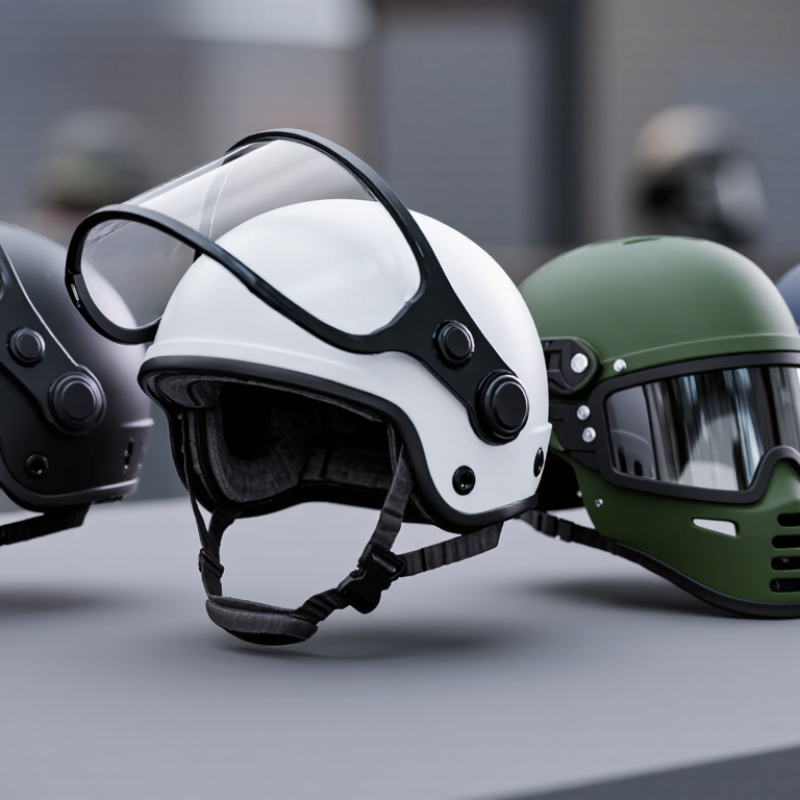
Table of Contents [Hide]
What Defines an Anti-Riot Helmet in 2026
What Defines an Anti-Riot Helmet in 2026
In 2026, an anti-riot helmet is more than a hard outer shell. It is a protective system designed for lawful public-safety operations. The shell should resist impact, cracking, and repeated use. A clear visor should provide wide vision with minimal distortion. It must also stay secure during sudden movement. Poor visibility creates avoidable risks.
Fit is now a major performance factor. Adjustable straps, balanced weight, and stable padding reduce pressure during long shifts. Ventilation matters in hot, humid environments. Communication compatibility may also support safer team coordination. However, extra features can increase weight. Buyers should check the complete helmet, not isolated specifications.
Reliable purchasing requires documented testing and traceable quality control. Look for evidence covering impact resistance, visor performance, retention, flame behavior, and optical clarity. Certification requirements differ between regions, so local authorities should confirm acceptable standards before purchase. A laboratory result does not guarantee comfort in the field. Condensation, sweat, and poor sizing can still weaken practical protection. No design is perfect. Experienced users should test samples, record weaknesses, and review them honestly before approving larger orders.
2026 Best Anti-Riot Helmet Types for Global Buyers? - What Defines an Anti-Riot Helmet in 2026
| Helmet Type | Typical Coverage | Typical Weight Range* | Visor Configuration | Primary Protection Objective | Main Advantages | Main Limitations | Important Buyer Checks |
|---|---|---|---|---|---|---|---|
| Open-Face Riot Helmet | Crown, temples, ears and rear of head | Approximately 1.4–2.2 kg | Flip-up clear visor; face and chin may remain partly exposed | Blunt impact, thrown objects and limited splash exposure | Good ventilation, lower weight and easier communication | Less facial and jaw protection than a full-face design | Check rear coverage, visor retention, chin-strap strength and compatibility with hearing protection |
| Full-Face Modular Riot Helmet | Head, ears, cheeks, jaw and chin | Approximately 1.8–3.0 kg | Replaceable or liftable face shield, usually with a locking mechanism | Broad facial protection against impacts, fragments and liquid splashes | Best general-purpose coverage for crowd-control operations | Greater heat, weight and fogging risk; reduced peripheral vision may occur | Verify visor optical quality, anti-fog treatment, hinge durability, seal design and emergency removal method |
| High-Impact Crowd-Control Helmet | Extended shell coverage with reinforced rear and side areas | Approximately 2.0–3.5 kg | Thicker impact-resistant visor, commonly lockable in the lowered position | Repeated blunt impacts, falling debris and high-energy projectiles | Higher structural robustness and greater coverage than lightweight designs | Heavier load on the neck; potentially lower mobility during long deployments | Request documented impact, penetration and visor tests for the complete assembled helmet |
| Ballistic-Compatible Riot Helmet | Head and sides; coverage varies by cut and accessory configuration | Approximately 1.4–2.8 kg before optional accessories | May use a separate riot visor or a dedicated ballistic face shield | Selected ballistic threats in addition to impact protection | Can support ballistic, communications, lighting and hearing-protection accessories | Ballistic protection does not automatically mean riot-visor or chemical-splash protection | Check the exact ballistic test level, tested ammunition, coverage area and accessory compatibility; do not infer performance from shell material alone |
| Chemical-Splash and Respirator-Compatible Helmet | Head and face, designed to work with a respirator or protective mask | Approximately 2.0–3.5 kg including visor and mounting components | Sealed or closely fitting visor system, subject to the complete configuration | Liquid splashes, irritants and compatibility with respiratory protection | Improves integration between head, eye, face and respiratory protection | Sealing, heat buildup and fogging can reduce comfort and operational endurance | Confirm compatibility with the exact mask, filter, hood and communications equipment; a visor alone is not proof of chemical protection |
| Lightweight Rapid-Deployment Helmet | Basic crown, side and rear coverage with simplified face protection | Approximately 1.0–1.8 kg | Short visor, detachable shield or no integrated visor | Short-duration protection against common impact hazards | Low fatigue, fast fitting and easier storage for reserve personnel | Usually offers less chin, jaw, visor and accessory protection | Use only where the documented protection level matches the foreseeable threat and deployment duration |
2026 Buyer Verification Checklist: Confirm the applicable national procurement rules, independent laboratory reports, impact and penetration results, visor optical and fogging performance, retention-system testing, field of vision, ventilation, cleaning requirements, spare-part availability and compatibility with respirators, hearing protection and communication systems. Standards such as EN 397, EN 166 or EN ISO 16321-1, and NIJ ballistic standards address different types of protective equipment; no single standard automatically proves complete anti-riot protection.
*Weight ranges are indicative market ranges for complete helmet assemblies and are not performance ratings. Actual values vary according to shell material, visor thickness, suspension system, accessories and size.
What Can We Help You With?





We Put Everything Within Reach

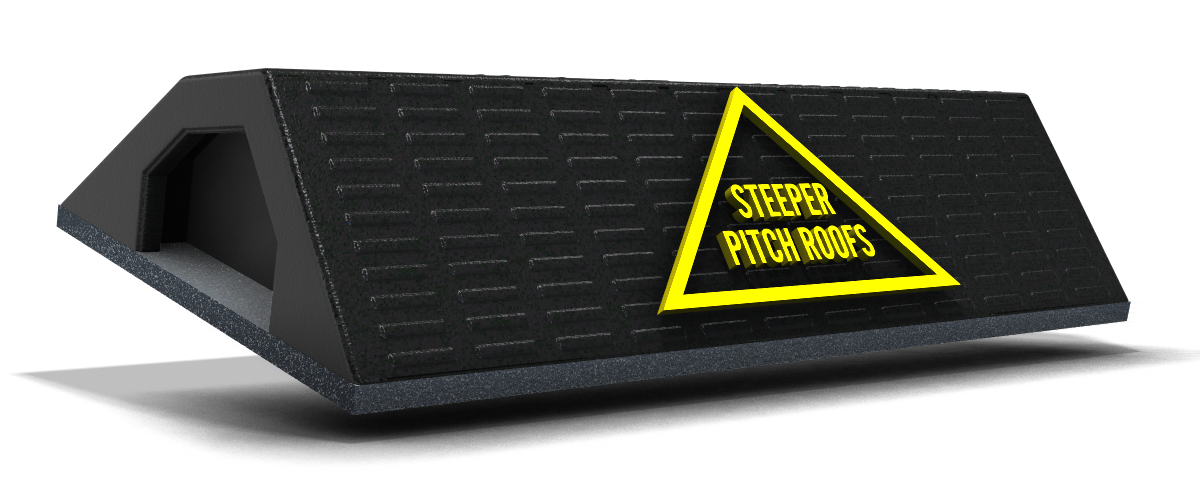
Revolutionary Roofing Wedge
Featured Product

Streamlined. Safe. Flexible.
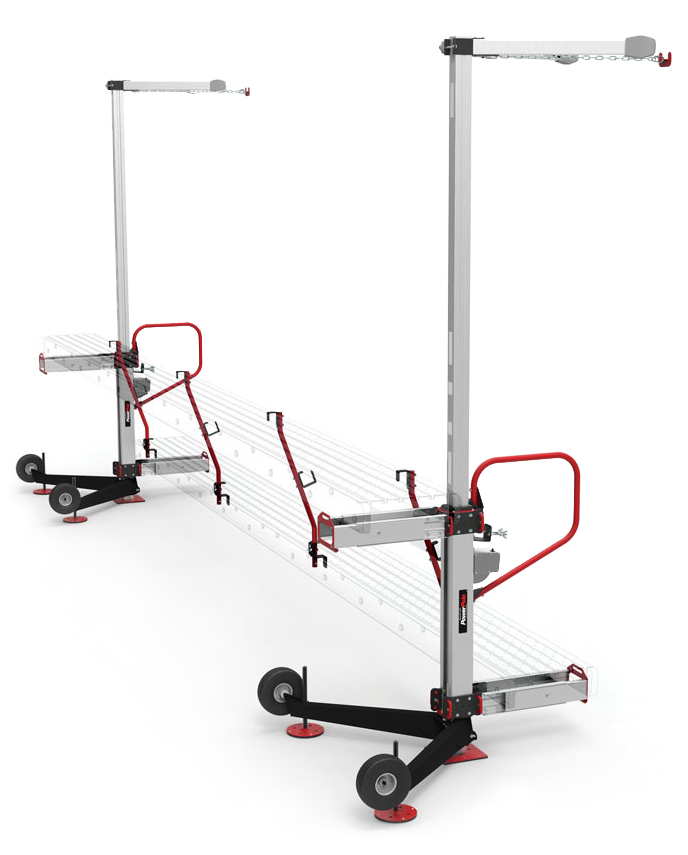
With the ReechCraft PowerPole, traditional scaffolding and pump jack systems are a thing of the past. Our streamlined design gains you access between buildings, on rooftops, around landscaping, and more. The PowerPole is perfect for contract work on residential areas.

Headache Racks That Turn Heads