Top 10 Benefits of Using a Ladder Hoist for Construction Projects?
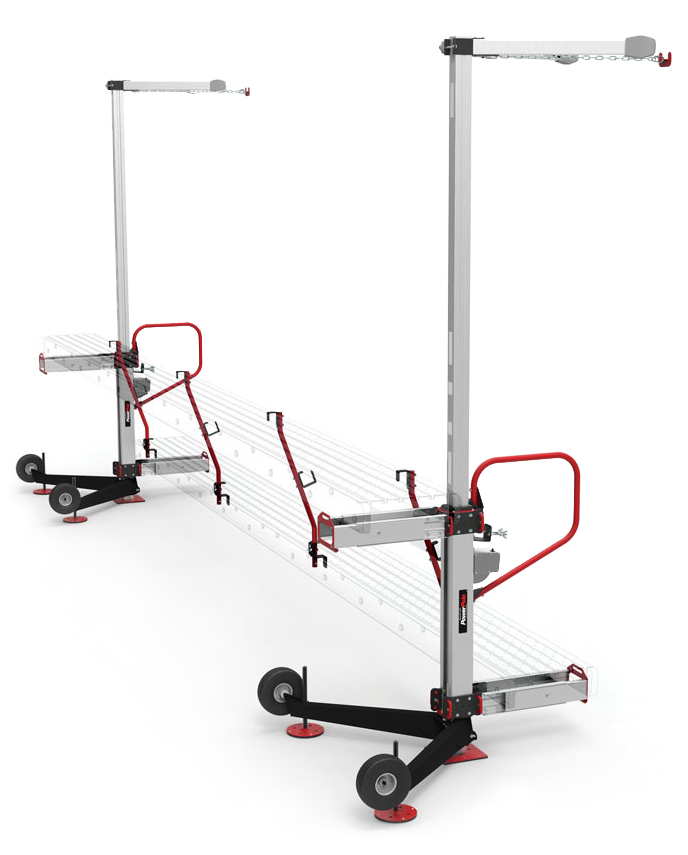
In the world of construction, safety and efficiency are paramount. The ladder hoist is a remarkable tool that addresses both needs effectively. It simplifies the transportation of materials to elevated locations, which can significantly enhance productivity on job sites. With the ability to lift heavy loads with minimal manual effort, ladder hoists reduce the risk of injury and fatigue among workers.
Moreover, this device can accommodate various types of materials. From bricks to timber, the versatility of ladder hoists makes them indispensable for many projects. However, it's essential to approach usage with caution. Improper setup or exceeding weight limits can lead to accidents. Reflecting on these challenges emphasizes the importance of proper training and thorough understanding of the equipment.
Utilizing a ladder hoist can revolutionize construction workflows. Yet, construction teams must remain vigilant about safety protocols to maximize benefits. As projects grow complex, the ladder hoist remains a crucial asset in navigating these challenges. Embracing this tool can elevate both productivity and worker well-being on site.

Benefits of Increased Efficiency Through Ladder Hoists in Construction
Ladder hoists are becoming essential tools in construction. They significantly enhance efficiency by allowing for quick transport of heavy materials. With the ability to lift up to 300 kg, these devices reduce the need for manual labor. This shift means workers can focus on tasks that require skill rather than pure strength.
Efficiency comes from speed. A ladder hoist can transport goods to higher levels swiftly. This reduces downtime spent waiting for cranes or scaffolding. Projects can often move ahead without delays. Many contractors have reported a substantial decrease in overall project timelines.
However, improper usage can lead to accidents. Training is essential to maximize safety and efficiency.
Additionally, ladder hoists are portable. They can be easily moved from one site to another. This flexibility can save both time and money. However, relying too heavily on machinery can lead to neglect in basic skills. Workers might become accustomed to the hoist and lose physical strength.
Each construction project presents its challenges. Leveraging the benefits of ladder hoists requires a balance between technology and skill.
Safety Standards Compliance: How Ladder Hoists Reduce Workplace Accidents
Ladder hoists are becoming essential in construction for safety compliance. According to the Occupational Safety and Health Administration (OSHA), falls are the leading cause of workplace fatalities. In fact, nearly 40% of construction-related deaths stem from falls. By utilizing ladder hoists, construction sites can significantly reduce the risk of accidents associated with manual lifting.
These devices streamline the process of moving materials to elevated areas. When workers rely on their own strength to lift heavy items, the chances of injury increase. Ladder hoists alleviate this strain. An industry report suggests that using mechanized lifts can lead to a 25% reduction in workplace injuries caused by lifting. However, workers must be trained to operate these hoists correctly. Improper use can still lead to accidents, emphasizing the need for ongoing safety education.
Moreover, compliance with safety standards becomes easier with the right equipment. The American National Standards Institute (ANSI) highlights that proper material handling processes can minimize hazards. Ladder hoists not only help in adhering to these regulations but also promote a culture of safety on-site. Yet, a gap often exists between implementation and practice that needs addressing. Regular assessments of hoist usage are vital to ensure all safety measures are upheld consistently.
Cost-Effectiveness: Analyzing Financial Savings of Using Ladder Hoists
Ladder hoists can significantly enhance cost-effectiveness in construction projects. According to industry reports, using ladder hoists can reduce labor costs by 30%. This reduction comes from the efficiency gained in transporting materials. Workers spend less time moving items manually. For high-rise projects, the savings are even more pronounced. A study shows that ladder hoists can cut overall project completion times by up to 40%.
Maintenance costs also decline with ladder hoists. Traditional methods often involve heavy machinery. This can lead to higher fuel and repair expenses. In contrast, ladder hoists are simpler and less prone to breakdowns. This simplicity translates to fewer maintenance disruptions and costs. Furthermore, the initial investment is often quickly recouped through improved workflow and safety.
Labor risks can lead to expensive injuries. Ladder hoists reduce this risk. The safer working environment translates to lower insurance premiums over time. A safer site can improve employee morale, leading to better productivity. While the purchase cost is a factor, the long-term savings are compelling. Thoughtful analysis reveals that the total cost of ownership leans favorably towards ladder hoists, making them a sound financial choice.
Versatility of Ladder Hoists for Various Construction Materials and Tasks
Ladder hoists have increasingly become essential tools in construction. Their versatility allows them to handle various materials effectively across diverse tasks. From lifting heavy building materials to moving equipment, these hoists streamline work processes.
According to industry data, around 70% of construction projects face delays due to inefficient material handling. Ladder hoists can significantly reduce this risk. They are designed for specific tasks like transporting bricks, drywall, or tools. This adaptability enhances productivity by minimizing the effort required for material transportation.
Additionally, safety remains a priority. Recent reports indicate that approximately 30% of injury-related incidents in construction are linked to improper lifting methods. Ladder hoists reduce these risks by enabling safe lifting practices. However, it’s crucial to ensure that operators are trained properly. Misuse can lead to accidents, and organizations should reflect on training needs periodically. With regular evaluations, teams can enhance operational efficiency and safety protocols further.
Improved Ergonomics: Reducing Worker Fatigue During Material Handling
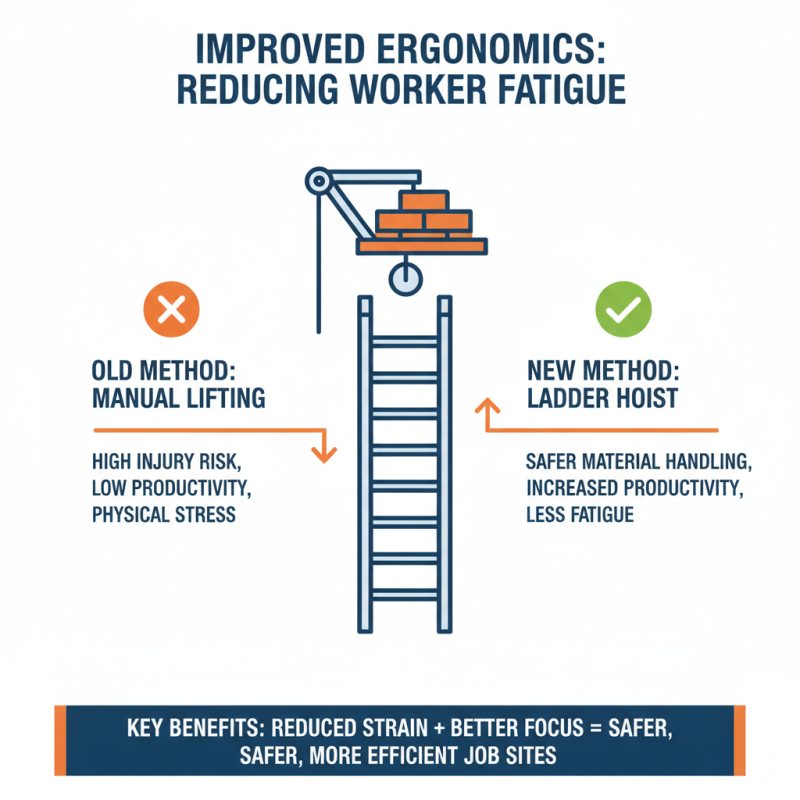
In the construction industry, worker fatigue is a common challenge. Manual material handling can lead to injuries and decreased productivity. This is where ladder hoists come into play. These mechanical devices significantly improve ergonomics on the job site. Workers can lift heavy materials without straining themselves. This change reduces physical stress. With less fatigue, workers can focus better on their tasks.
Using a ladder hoist means operators can move materials up and down smoothly. It allows better control over the lifting process. The risk of accidents decreases. However, it is essential to train workers on proper hoist operation. Misuse can lead to safety issues. Regular maintenance of the hoist is also necessary to ensure reliability.
Implementing these devices does come with initial costs. Construction teams must consider this investment. Yet, the long-term benefits often outweigh the downsides. Ultimately, using a ladder hoist helps create a safer, more efficient working environment. It leads to improved job satisfaction for workers, as they feel less physically drained.