Choosing a Handheld Portable Uv Lamp in 2026 takes more than comparing prices or advertised power. The market is expanding: MarketsandMarkets’ UV Disinfection Equipment Market report projected growth from approximately US$4.1 billion in 2023 to US$9.2 billion by 2028. That industry forecast signals rising interest, not proof that every small lamp performs as claimed. Check the product’s wavelength, measured output, exposure distance, and recommended treatment time. Details matter.
The World Health Organization places UV-C between 100 and 280 nanometres. That range is commonly discussed for disinfection, but effectiveness depends on delivered dose and the target surface. A lamp held several centimetres away may not treat a shaded seam or textured case evenly. Nor should a glowing indicator be mistaken for verified performance. Look for independent test results, clear operating instructions, and photobiological safety information aligned with IEC 62471. Protect eyes and skin, and never direct UV-C toward people or animals. Small devices still deserve careful handling.
A useful comparison should also separate surface-treatment claims from air or water applications. They are not interchangeable. Some advertising makes this sound simpler than it is. This guide will examine the specifications, evidence, safety features, and practical limits that help identify a suitable Handheld Portable Uv Lamp. The best choice is the one whose documented performance fits a specific task, not the one with the boldest promise. I would still question any claim that omits test conditions; that gap can change what the numbers mean.
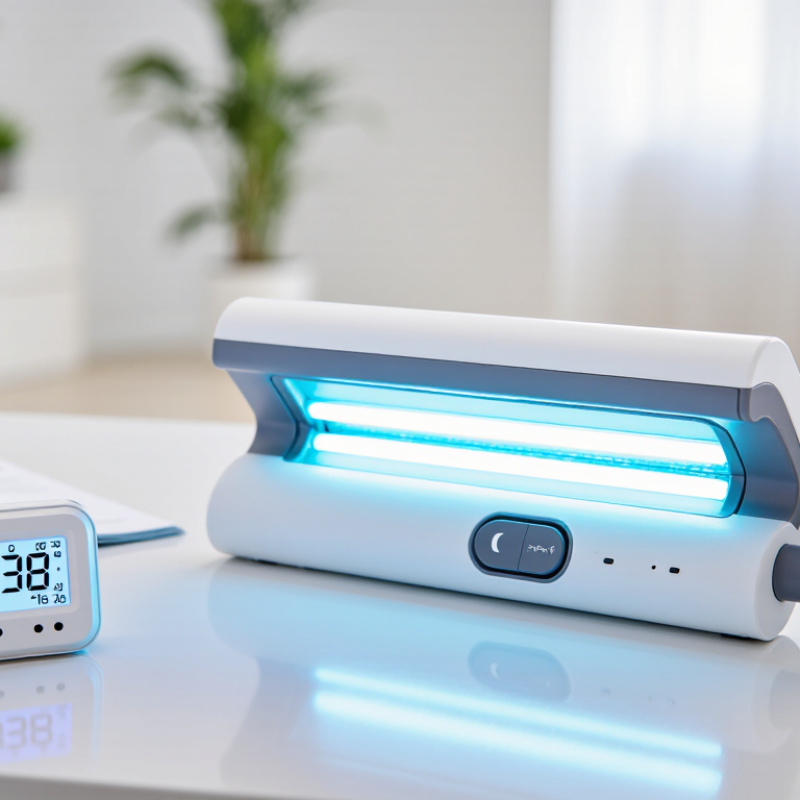
Handheld UV lamps work by directing ultraviolet light onto a surface or object. The International Ultraviolet Association places UV-C within the 200–280 nanometer range. UV-C is used for germicidal applications, while UV-A lamps are often used to reveal fluorescent stains or materials. Check the wavelength before buying; “UV lamp” alone does not tell you what the device is designed to do.
Effectiveness depends on delivered dose, not a product’s headline claim. CDC guidance on ultraviolet germicidal irradiation notes that exposure, distance, and placement matter. A shadow beneath a handle can leave part of a surface untreated. These lamps may suit small, hard surfaces, but they do not remove dirt. FDA’s 2020 safety notice warns that some UV wands can harm eyes or skin after only seconds of exposure. That risk deserves more attention than it often gets.
Tips: Look for wavelength and irradiance specifications, clear operating instructions, and a protective shutoff. Keep the beam away from skin and eyes, and follow the manufacturer’s exposure guidance. Test cautiously; real surfaces are rarely as simple as a lab setup.
Start with the task, not the lamp’s advertised brightness. UVA lamps, generally around 315–400 nm, can reveal fluorescent minerals, stains, or security markings. For resin or adhesive curing, match the lamp’s peak wavelength to the material’s instructions; a close-looking wavelength may still cure it poorly. UVB lamps serve more specialized applications and should be selected with qualified guidance. UVC is used for disinfection, but effectiveness depends on dose, distance, exposure time, and whether surfaces are shadowed. No wavelength suits every job.
Tips: Check the stated wavelength and output at your working distance. Never aim UV light at eyes or exposed skin. For UVC, follow the device’s safety instructions and keep people and animals away during operation.
Lamp type matters too. Handheld LED models are compact and often provide a narrow, specified wavelength, making them practical for targeted checks. Compare the spectral chart, beam coverage, battery life, and heat—not just the number printed on the box. A small spot can miss the edges of a wide surface. I would not assume “more powerful” means better; without a suitable meter or clear product specifications, output claims can be hard to compare.
Match the UV wavelength and lamp type to your intended task. The values below are representative wavelengths, not performance ratings.
How to read this: Low-pressure mercury lamps commonly emit UV-C near 254 nm; UV-C LEDs are commonly found around 265–280 nm. UV-A LEDs around 365 nm are used for fluorescence and leak inspection, while 395 nm lamps are often used for fluorescence checks. UV-C can injure eyes and skin; follow the device’s safety instructions. Wavelength alone does not determine disinfection effectiveness.
A handheld UV lamp should be compared by measured irradiance, not its advertised wattage. Irradiance at the target, usually reported in mW/cm², helps estimate dose when multiplied by exposure time. The World Health Organization places UV-C in the 100–280 nm band; wavelength alone, however, does not prove a lamp will disinfect a surface. Ask for test results at a stated distance, and check whether output is even across the beam. Check the beam. A bright central spot can leave the edges underexposed. Distance matters, too: doubling the gap can sharply reduce the energy reaching a surface.
Battery life depends on power draw, heat, and operating mode. The U.S. Department of Energy’s 2022 Solid-State Lighting R&D Opportunities report identifies UV-C LED efficiency as an ongoing technical challenge, so compare runtime at the lamp’s actual operating setting—not a low-power standby figure. Prefer clear specifications for battery capacity, charge time, and output over a single “hours per charge” claim. Keep in mind that lab runtime may not match repeated short sessions. Portability is more than weight: consider grip, switch placement, charging access, and whether the lamp fits safely in a case. Small details matter. UV-C can injure eyes and skin; never point a lamp at people or use it as a substitute for validated cleaning instructions.
When comparing a handheld UV lamp, treat safety controls as essential, not optional extras. Check the stated wavelength and intended use; “UV” alone does not tell you what the device can safely do. Look for a shield or directional head, a guarded switch, and an automatic shutoff or timer. Clear instructions should explain exposure limits and safe operating distance. Vague claims are a warning sign.
UV light can injure eyes and skin, sometimes before discomfort is obvious. Never aim a lamp at a person or animal, and do not use it on skin. Keep children away, point the unit toward a stable target, and avoid reflective surfaces that could redirect light. Wear only eye protection specified for that wavelength; ordinary sunglasses are not a substitute. If a label or manual is missing, choose another device.
For any disinfection claim, look for independent test details, including the target surface, exposure time, and conditions. A handheld beam may miss edges, seams, or shaded areas. It is easy to assume a bright light means an effective dose; that assumption is not reliable. I may be cautious to a fault, but I would rather pause than guess. Follow the maker’s instructions, inspect the casing and controls for damage, and stop using the lamp if its safety features fail.
A dependable handheld UV lamp should feel solid before it is switched on. Check for a tight battery cover, even seams, and a lens that does not wobble. A textured grip helps when hands are damp. Ask for the lamp’s wavelength and measured output, not just a claim that it is “powerful.” For germicidal use, confirm that independent test data matches the intended surface, distance, and exposure time. A small lamp may leave shadows or miss areas. That matters.
Certifications deserve careful reading. Look for a verifiable certificate or test report that names the exact model, rather than a logo alone. Electrical safety, battery transport, and UV performance are separate questions; one mark does not prove them all. Check whether the documentation comes from a recognized testing body and whether the model number matches the product in your hand. I would also inspect the warranty and return terms. They are easy to ignore. Not glamorous.
In 2026, compare options from established retailers and the manufacturer’s direct sales channel, then check support availability and replacement-part access. A clear manual should explain safe handling, operating distance, and exposure limits. UV-C can injure eyes and skin, so prefer designs with shielding or an effective shutoff feature, and never aim the lamp at people or animals. Battery capacity, charging time, weight, and a secure carrying case affect daily use. I still find compact models tempting, but tiny controls can be frustrating with gloves on. Try to assess that before buying.

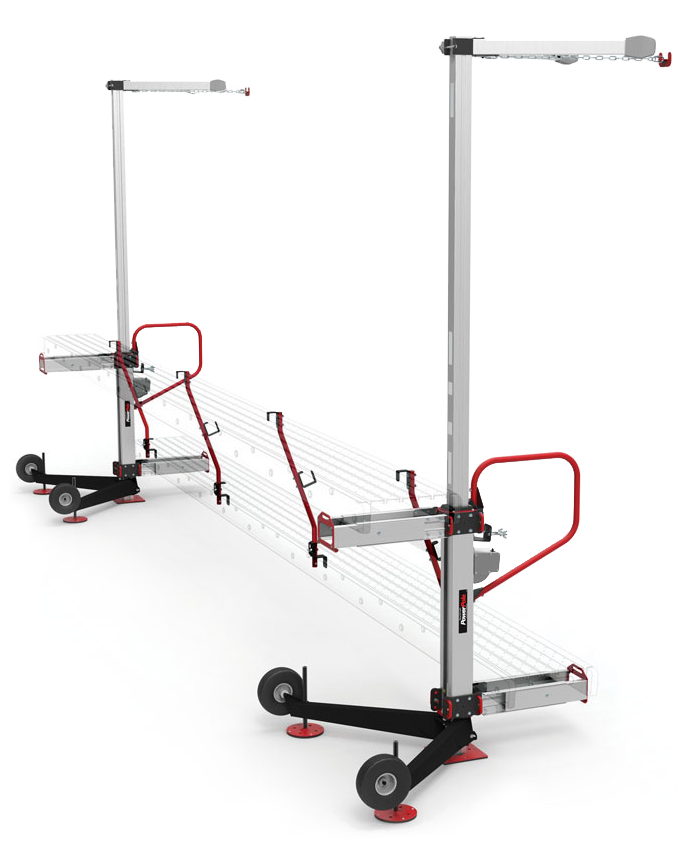
With the ReechCraft PowerPole, traditional scaffolding and pump jack systems are a thing of the past. Our streamlined design gains you access between buildings, on rooftops, around landscaping, and more. The PowerPole is perfect for contract work on residential areas.

Don't miss our WernerCo Sfety and Demo Day BBQ
June 23rd, 2022 from 10am - 2pm
Chance to win giveaways
Cookout from 10am - 2pm
Werner fall protection and Weatherguard Specialists on site to answer any questions and perform safety and product demonstrations.