Choosing ladder hooks sounds simple until the hook meets a ladder that does not fit, a slippery surface, or a job that puts tools within reach. The right choice depends on what you need the hook to do. Some models help secure a ladder during work; others attach to a ladder to hold tools, or mount on a wall for storage. These are not interchangeable. Fit comes first.
Before comparing products, check the ladder manufacturer’s instructions, the hook’s stated capacity, and how it attaches. A hook should suit the ladder’s shape and material, not just look sturdy in a product photo. Consider where you will use it, too: outdoor exposure, dust, and frequent movement can affect materials and fasteners. Small details matter. A loose clamp or awkward position can create a problem when you are already several feet up. Never treat a hook as a replacement for stable ladder placement or safe climbing practices.
This guide offers seven practical tips for choosing ladder hooks for your needs, from checking compatibility to weighing durability and ease of installation. It also considers common trade-offs, such as lighter designs versus heavier-duty construction. Product descriptions can leave questions unanswered, so verify dimensions and ratings instead of guessing. That takes a little time. It is worth it. Even with careful research, the best choice may depend on your ladder and task; there is no single hook that suits every setup.
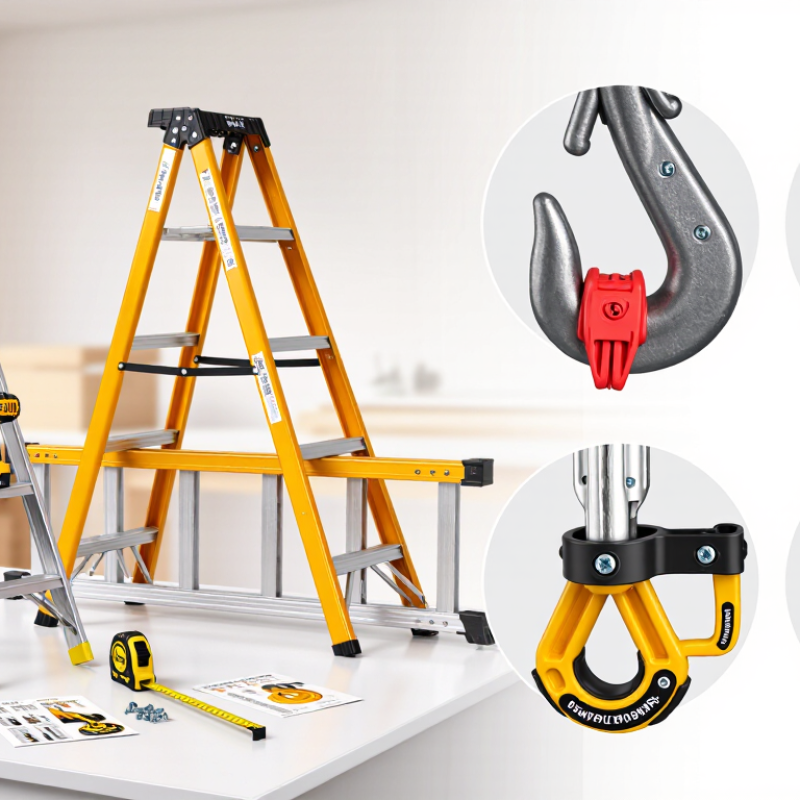
Ladder hooks are fittings that hold a ladder against a wall or other suitable support. They keep the ladder off the floor, where it could block a walkway or get knocked over. The hook must match the ladder’s shape and weight, and the mounting surface must be strong enough for the load. Check both ratings before installation. A secure-looking hook is not proof of secure storage. The U.S. Bureau of Labor Statistics recorded 865 fatal work injuries from falls, slips, and trips in 2022; that figure is not specific to ladders, but it underlines why clear, orderly work areas matter (National Census of Fatal Occupational Injuries, 2022).
Tip: Measure the ladder’s rails before buying hooks. Choose a pair with enough clearance, and position them so the ladder hangs level. Use fasteners suited to the wall material, not just the ones left in a toolbox. Keep the stored ladder away from doors and frequently used paths.
Before hanging it, inspect the hook, fasteners, wall, and ladder for wear or damage. A bent hook or loose screw deserves attention. Don’t force a ladder onto a poorly fitting support. In a garage, leave room for nearby tools and vehicles, and make sure the ladder cannot slide sideways. Hooks help with storage, but they do not replace careful handling. And a tidy wall can still create false confidence. A quick check is worth the few seconds.
A hook that fits one ladder may sit poorly on another. Extension ladders often have wider rails and different rung spacing than step ladders, so check the hook’s opening and contact points against your ladder’s measurements. Measure the rail or rung, not just the ladder’s stated length. Small differences matter.
Tip: Look for a hook shape that rests securely without rocking, sliding, or pressing against moving parts.
For a step ladder, consider where the hook attaches and whether it interferes with the spreaders or folding action. For an extension ladder, check that the hook clears the rung profile and does not obstruct the rope or locks. Compare the hook’s stated load limit with the weight it will carry, including tools or stored items. Do not assume a larger hook is automatically a better fit. That detail is easy to miss.
Tip: Check the ladder maker’s care instructions and the hook’s fitting guidance before installation. Rounded, padded contact surfaces may help reduce scratches, but padding should not hide a loose fit. Set the ladder on level ground and test the attachment gently before relying on it. If the hook shifts, bends, or leaves the ladder unstable, stop and reassess the size or design. I would measure twice; it takes little time.
When comparing ladder hooks, look beyond the material name and inspect the construction. Steel often offers high strength, but exposed steel can rust if its coating chips. Aluminum resists corrosion and weighs less, though the hook’s shape and thickness still matter. Polymer hooks may suit lighter tasks, but heat, sunlight, and aging can affect them. Small details matter. Check edges, joints, and contact surfaces for rough spots that could damage the ladder rails.
Read the weight rating carefully. Confirm whether it applies to one hook or a pair, and follow the ladder and hook manufacturers’ instructions. A rating is not a target: tools shifting, uneven placement, or a sudden tug can add stress. Match the hook to the ladder’s rail shape and size. If compatibility is unclear, pause and verify it rather than relying on a snug-looking fit. Not always obvious.
Durability depends on more than material. Look for secure fasteners, smooth welds, and coatings that cover exposed metal. After use, check for cracks, bending, loose parts, or corrosion, especially around joints. Store hooks somewhere dry when possible. A heavier hook may feel reassuring, but added weight can make handling awkward; I would not treat weight alone as proof of quality. Recheck the fit after installation, since a hook that shifts under light pressure needs attention.
Compare materials, weight ratings, and durability before choosing ladder hooks.
Typical densities are approximately 2,700 kg/m³ for aluminum, 7,850 kg/m³ for carbon steel, and 8,000 kg/m³ for stainless steel. Density alone does not determine hook strength or durability. Check the product’s stated load rating and compatibility, and consider corrosion exposure and intended use.
Before buying ladder hooks, identify how they attach: over a rung, around a rail, or to a roof edge. Measure the ladder’s rung diameter, rail width, and spacing; then compare them with the hook’s stated fit range. Check the hook’s load rating and whether its contact surfaces suit your ladder material.
A snug fit matters. Movement does too. Test the installed hook at ground level and check for rocking, slipping, or pressure on one small spot. A neat-looking fit can still be wrong.
Read the hook maker’s installation instructions alongside the ladder’s own guidance. Avoid drilling or altering ladder parts unless the ladder manufacturer specifically permits it. OSHA’s construction ladder standard, 29 CFR 1926.1053, requires ladders to be secured when displacement could occur. Hooks may help, but they do not replace correct ladder setup or safe footing.
The Bureau of Labor Statistics reported 395 construction fatalities from falls, slips, and trips in 2022; the figure covers more than ladder incidents, yet it underscores why attachment details deserve a careful check. Before climbing, inspect the hooks for wear and confirm both sides engage evenly. It is easy to trust a quick visual check too much. A second check is wiser.
7 Tips for Choosing the Best Ladder Hooks for Your Needs
Tip 1: Measure the ladder’s width and rail depth before shopping. A hook that looks close may still pinch the rails or let them shift. Tip 2: Check the available storage space. Measure the wall, ceiling clearance, and nearby doors; a ladder that fits on paper can block a light switch. Small details matter. Tip 3: Match the hook’s rated capacity to the ladder’s weight, with a sensible margin. Do not assume two hooks automatically share the load evenly.
Tip 4: Choose a shape that supports the ladder securely, rather than balancing it on a narrow edge. Tip 5: Consider the surface where the ladder will hang. Masonry, timber framing, and drywall need different fasteners, so confirm what the wall can safely support. If you are unsure, ask a qualified installer. Tip 6: Look for smooth contact points or protective coverings. They can reduce scratches and help prevent slipping, though they cannot correct a poorly fitted hook.
Tip 7: Think about how often you will retrieve the ladder. Hooks placed too high may encourage awkward lifting; too low, and the ladder may obstruct everyday movement. Leave enough clearance to lift it off without twisting. Check the hooks periodically for looseness, wear, or shifting. I would recheck after the first few uses, since hardware can settle. Don’t rely on appearance alone. A secure fit is the real test.

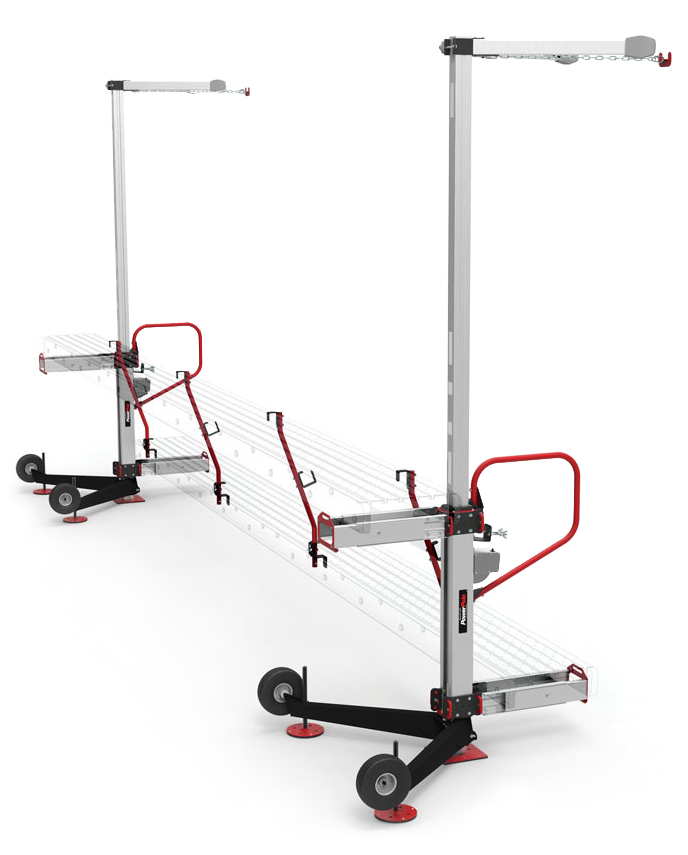
With the ReechCraft PowerPole, traditional scaffolding and pump jack systems are a thing of the past. Our streamlined design gains you access between buildings, on rooftops, around landscaping, and more. The PowerPole is perfect for contract work on residential areas.

Don't miss our WernerCo Sfety and Demo Day BBQ
June 23rd, 2022 from 10am - 2pm
Chance to win giveaways
Cookout from 10am - 2pm
Werner fall protection and Weatherguard Specialists on site to answer any questions and perform safety and product demonstrations.