In our daily lives, safety is paramount. Many overlook the importance of a safety rail. Whether at home or in the workplace, these structures play a vital role in preventing accidents. A sturdy safety rail acts as a barrier, reducing the risk of falls from elevation. This is especially crucial in areas like staircases, balconies, and loading docks.
Choosing the right safety rail solution can be daunting. With so many options available, how do we know what works best? Some safety rails may seem adequate yet fail under stress. Investing in high-quality safety solutions ensures durability and effectiveness. It’s essential to consider your environment and specific needs. A safety rail is not just a feature; it is a necessity for security.
Moreover, we sometimes take safety features for granted. Over time, rust or wear can compromise a safety rail's integrity. Regular inspections and maintenance should not be overlooked. Keeping your safety rail in top condition is vital for protection. A little attention can make a significant difference in preventing accidents.
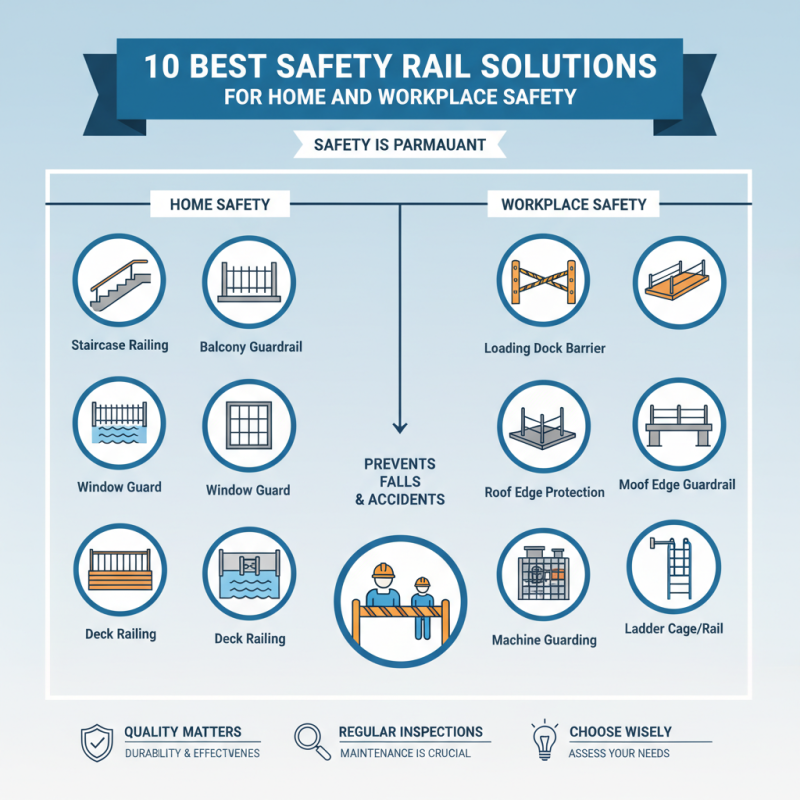
Safety rail solutions play a crucial role in both home and workplace environments. According to the Occupational Safety and Health Administration (OSHA), falls are one of the leading causes of workplace injuries, accounting for over 30% of total incidents. Proper safety rails can significantly reduce the risk of falls. They create a defined boundary, guiding people safely around hazardous areas.
In residential settings, elderly individuals are at high risk of falls. The World Health Organization reports that falls among older adults lead to injuries in 28-35% of people aged 65 and older. Installing safety rails in bathrooms, stairways, and near other common fall hazards is vital. Simple solutions can enhance safety. Yet, many households overlook this aspect. A lack of awareness often leads to preventable accidents.
Furthermore, workplace safety standards are often not met due to complacency. Regular training and inspections are necessary. Compliance is not merely a legal obligation; it also enhances employee morale. Workers who feel safe are more productive. Despite the proven impact of safety rails, some workplaces are still resistant to implementing them. The challenge lies in balancing cost and safety. The focus should always remain on creating safer environments for everyone.
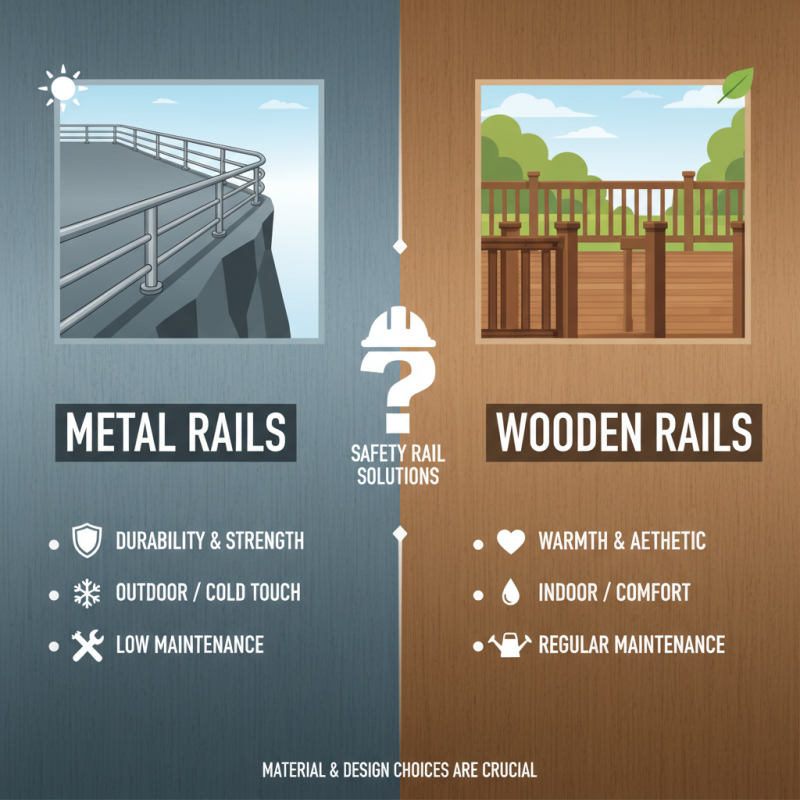
When considering safety rail solutions, the material and design choices are crucial. Metal rails offer durability and strength, making them ideal for outdoor settings. However, they can be cold and uninviting, which may affect user comfort. Wooden rails add warmth and aesthetic appeal. Yet, they require regular maintenance to prevent decay.
Plastic and composite materials present a lightweight option. They resist rust and weather damage, but they may not withstand heavy impacts. Design is equally important. Rails should be tall enough to provide support but not so tall that they inhibit visibility. Smooth surfaces prevent splinters, while textured grips enhance safety.
Reflecting on these aspects is vital for effective implementation. Some designs might look appealing but lack functionality. Others may perform well but fall short in style. It's essential to balance aesthetics with usability. Consider user feedback during the design phase. This can reveal unexpected flaws and lead to better solutions.
When considering safety rail systems, several key features must be prioritized. Sturdy construction is crucial. According to a report from the Occupational Safety and Health Administration (OSHA), over 200,000 injuries occur yearly due to falls at work. Strong safety rails can significantly reduce this number. Look for materials like stainless steel or aluminum that withstand wear and tear.
Another critical aspect is adjustability. Many environments require different heights or configurations. A flexible design allows for easy alterations. Recent studies indicate that adjustable rails can lower workplace injuries by nearly 30%. This adaptability is vital for various tasks, from construction to home projects.
Finally, visibility and non-slip surfaces should not be overlooked. Bright colors and textured coatings enhance safety. A report from the National Safety Council emphasized that nearly 40% of fall accidents happen due to poor visibility or slippery surfaces. Therefore, investing in safety rail systems with these features is essential for reducing risks. Always reflect on how these elements can be incorporated into your environment for maximum protection.
When it comes to safety rail installation, precise planning is vital. Begin by assessing the area where the rail will be installed. Check for structural integrity and potential hazards. Mark the installation points carefully. This can seem tedious, but it's crucial for effective safety.
After installation, regular maintenance is key. Inspect the rails for signs of wear or damage. A simple visual check can reveal loose bolts or corroded materials. If something seems off, it likely is. Don't ignore these signs; they may lead to serious accidents. Cleaning is another aspect of maintenance. Keep rails free from debris and grime to ensure a secure grip.
Many overlook the importance of user education. Make sure everyone understands the purpose of safety rails. Have a discussion about their proper use. It’s easy to take them for granted, but awareness enhances safety. Reflecting on installation and maintenance practices can reveal areas for improvement. The goal is a safer environment for all.
Safety rails play a crucial role in maintaining security in various environments. Regulatory standards around their installation and use can vary. In workplaces, such as construction sites or factories, requirements focus on employee protection. Guidelines typically dictate height, strength, and spacing. Adhering to these regulations is not just about compliance; it’s about prioritizing safety.
In homes, especially in areas like stairways and bathrooms, safety rails are highly recommended. However, many homeowners may not realize the need for professional installation. Some might attempt DIY setups, risking structural integrity. This oversight can lead to accidents, escalating the need for clear instructions and expert advice. Review local regulations to ensure your home meets necessary standards. This often includes requirements regarding materials and weight tolerances.
Reflecting on implementation is vital. It's common for organizations to overlook updates to safety measures as regulations evolve. Regular audits can highlight deficiencies in existing systems. Adapting to these changes can prevent injuries. Inadequate safety measures can lead to severe consequences, making awareness essential. Safety should always remain a priority, regardless of the setting.

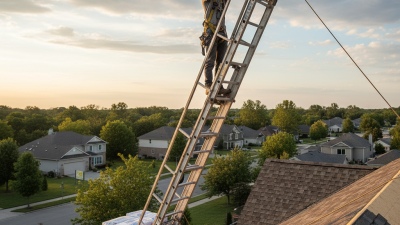
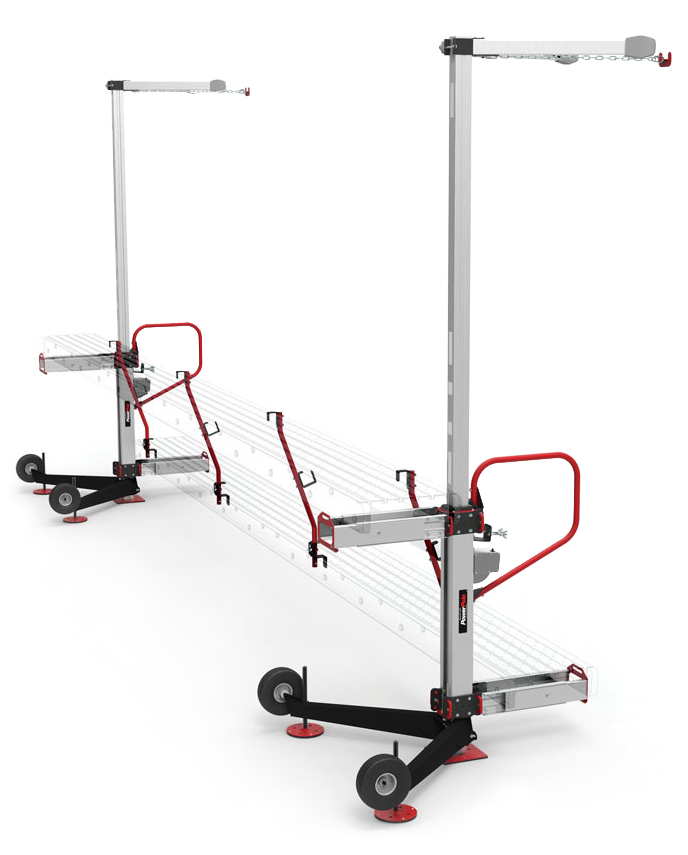
With the ReechCraft PowerPole, traditional scaffolding and pump jack systems are a thing of the past. Our streamlined design gains you access between buildings, on rooftops, around landscaping, and more. The PowerPole is perfect for contract work on residential areas.

Don't miss our WernerCo Sfety and Demo Day BBQ
June 23rd, 2022 from 10am - 2pm
Chance to win giveaways
Cookout from 10am - 2pm
Werner fall protection and Weatherguard Specialists on site to answer any questions and perform safety and product demonstrations.