NATION WIDE LADDER & EQUIPMENT
NH: 603-434-6911MA: 508-754-3030ME: Regular weekly deliveries from NH
- Home
- Blog
Let Nationwide Ladder & Equipment Help You Find What You Need.
What Are China Top 10 Safety Rail Manufacturers?
Choosing the right safety rail manufacturer in China requires more than comparing prices or catalog photographs. A reliable supplier should demonstrate material consistency, accurate welding, stable dimensions, and documented quality control. This guide examines ten leading manufacturers through practical criteria, including product range, production experience, testing procedures, customization capability, and export reliability.
The review considers safety rails for factories, warehouses, construction sites, platforms, walkways, and loading areas. Details matter. A properly finished galvanized surface can resist harsh moisture. A clean weld can reduce weak points around joints. Strong anchor plates should remain stable when equipment or personnel contacts the barrier. Manufacturers with ISO-based management systems, traceable inspection records, and clear technical drawings generally offer greater confidence.
Still, no ranking is universal. Site conditions differ. A supplier suitable for a warehouse may not meet the needs of a coastal plant or heavy industrial facility. Product claims should be checked against test reports, samples, installation guidance, and applicable regional requirements. Some manufacturers present impressive websites but provide limited evidence of real project performance. That gap deserves attention. This article therefore combines market visibility with practical purchasing concerns, while recognizing that available information may be incomplete or change over time. The final decision should include factory communication, sample evaluation, delivery checks, and professional installation advice. Reliable protection begins with evidence, not attractive promises.
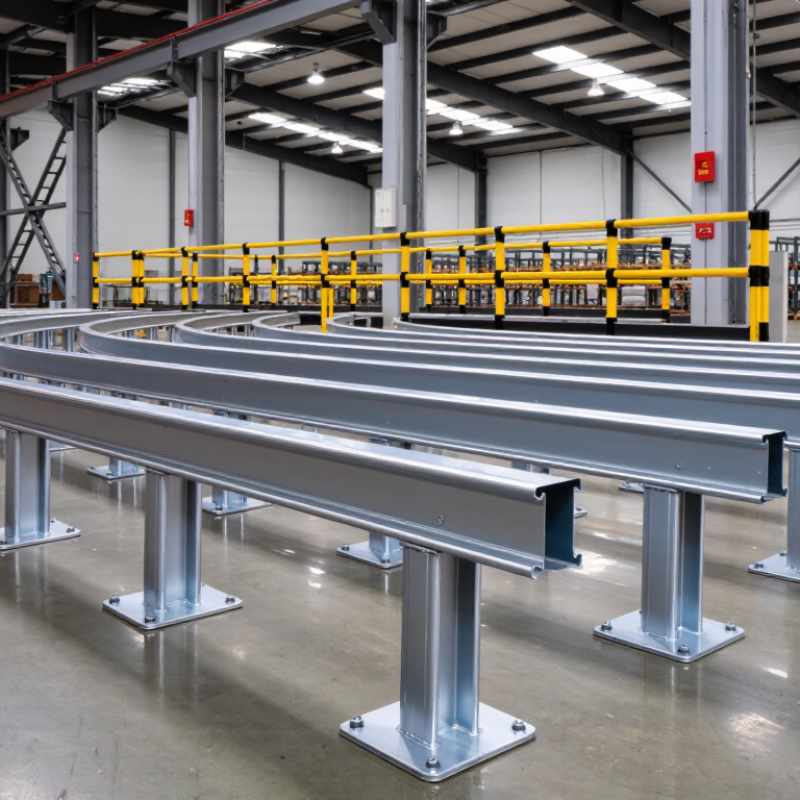
Table of Contents
[Hide]
What Defines a Reliable Safety Rail Manufacturer in China?
What defines a reliable safety rail manufacturer in China? Start with evidence, not polished catalog images. The International Labour Organization estimated nearly 3 million work-related deaths worldwide in 2023. The BLS recorded 395 fatal construction falls in the United States during 2022. These figures show why rail design requires engineering discipline, not only low pricing.
A dependable manufacturer should provide material certificates, weld inspection records, and traceable batch numbers. Ask for load-test results based on the project’s required standard. ISO 14122-3 covers permanent guardrails and specifies practical design requirements for industrial access systems. Reliable factories also control tube thickness, post spacing, surface treatment, and anchor accuracy. Galvanizing should be checked for coverage and adhesion, especially near welds. Small defects grow quickly outdoors.
Factory experience matters. A useful audit should include production samples, calibration records, rejected-part logs, and packaging tests. Request drawings before production. Confirm tolerances in writing. This prevents costly site corrections. Some suppliers claim compliance without showing test conditions. That deserves caution. A certificate alone is not proof of performance. I would also inspect unfinished welds personally when possible. Photos can hide uneven penetration. Even strong manufacturers sometimes miss details during volume production, so independent inspection remains worthwhile.
How China’s Top Safety Rail Manufacturers Are Evaluated
What makes China’s top ten safety rail manufacturers stand out? Evaluation begins with real production evidence, not polished catalogs. Inspectors review steel grades, weld penetration, coating thickness, and load-test records. A rail may look strong under warehouse lights. Field pressure reveals more. Installers check post spacing, anchor depth, and alignment on concrete floors, rooftops, and loading platforms. These details show whether engineering survives daily use. Experience matters here, because small installation errors can change protection performance.
Technical competence is measured through design control and repeatability. Reviewers compare drawings with finished products, then sample rails from different production batches. They examine dimensional tolerances, corrosion resistance, impact performance, and guard height. Independent laboratory reports add weight, but traceable test methods matter more than impressive numbers. Quality systems are also checked through material records, calibration logs, and corrective actions. A reliable manufacturer can explain a failed sample without hiding it. That honesty is not perfect, but it is useful.
Authority comes from verified projects, trained engineers, and compliance with applicable national or international standards. Evaluators should confirm certificates directly and ask whether testing covered the exact rail model. Customer references can reveal delayed replacement parts, unclear instructions, or weak after-sales support. Site visits offer sharper evidence: clean welds, sealed cut edges, labeled components, and consistent inspection tools. Price still matters, yet the cheapest quote may exclude freight, anchors, maintenance, or safe installation. The ranking can change when evidence is incomplete.
China’s Top 10 Safety Rail Manufacturers by Product Strength
China’s Top 10 Safety Rail Manufacturers by Product Strength
China’s strongest safety rail manufacturers are better judged by engineering performance than production volume. The Ministry of Transport reported over 177,000 kilometers of expressways in China by the end of 2023. This extensive network demands consistent barriers, reliable coatings, and traceable testing.
The leading ten suppliers typically stand out in several product areas. Some focus on galvanized W-beam rails for highways. Others develop thrie-beam systems, bridge parapet barriers, or cable barriers for difficult road geometry. Strong manufacturers control steel thickness, punching accuracy, post alignment, and corrosion resistance in-house. Their products should match China’s GB/T 31439 requirements and, where required, EN 1317 or MASH testing methods. Laboratory results matter. Factory claims alone are not enough.
The World Health Organization’s Global Status Report on Road Safety 2023 estimates 1.19 million annual road deaths worldwide. That figure reinforces the need for tested containment systems, not simply heavier steel. Practical buyers should examine crash-test records, coating inspection reports, weld quality, and installation guidance. Factory audits also reveal details that brochures often miss. Poor packaging can damage zinc coatings before delivery. That is easy to overlook. No ranking is perfect, because project conditions change product strength. A barrier designed for a median may perform poorly beside a bridge edge, and local soil can alter post stability.
What Are China Top 10 Safety Rail Manufacturers? - China’s Top 10 Safety Rail Manufacturers by Product Strength
| Rank | Anonymous Manufacturer Profile | Main Safety-Rail Products | Typical Material Options | Relevant Standard References | Product-Strength Indicators | Typical Applications |
|---|---|---|---|---|---|---|
| 1 | Profile A — Heavy-duty industrial fabricator | Guardrails, handrails, toe boards, ladder safety cages and custom barrier systems | Carbon steel, galvanized steel and stainless steel | ISO 14122, EN 1090, OSHA 1910.29 and AS/NZS 1657 | Welded structural frames, reinforced base plates, engineered corner joints and hot-dip galvanizing options | Factories, warehouses, platforms, plants and rooftop walkways |
| 2 | Profile B — Modular access-system specialist | Modular guardrails, removable barriers, stair rails and roof-edge protection | Aluminum, galvanized steel and powder-coated steel | ISO 14122, EN 13374, OSHA 1910.29 and CSA Z259.18 | Bolted modular connections, adjustable posts, replaceable components and documented installation layouts | Construction sites, maintenance areas, roofs and temporary work zones |
| 3 | Profile C — Stainless-steel safety fabricator | Marine-grade handrails, hygienic barriers, balcony rails and process-area railings | 304 stainless steel, 316 stainless steel and galvanized steel | ISO 14122, EN 1090, ASTM A967 and AS/NZS 1657 | Corrosion-resistant materials, continuous weld finishing, polished surfaces and chemical-resistant options | Food processing, chemical facilities, marine sites and clean industrial areas |
| 4 | Profile D — Rooftop fall-protection manufacturer | Parapet-mounted rails, free-standing roof rails, skylight barriers and access gates | Aluminum, galvanized steel and coated carbon steel | EN 13374, EN 14122, OSHA 1910.29 and AS/NZS 4994 | Non-penetrating bases, tested post assemblies, ballast-compatible designs and roof-surface protection | Commercial roofs, solar installations, logistics buildings and maintenance routes |
| 5 | Profile E — Industrial walkway specialist | Platform railings, catwalk systems, stairways, crossover bridges and kick plates | Carbon steel, galvanized steel, aluminum and grating-compatible steel | ISO 14122, EN 1090, OSHA 1910.23 and AS/NZS 1657 | Load-bearing posts, anti-slip integration, welded stair interfaces and custom platform fabrication | Power plants, manufacturing lines, water-treatment facilities and warehouses |
| 6 | Profile F — Architectural and commercial rail producer | Balcony rails, public-area handrails, stair rails and decorative safety barriers | Stainless steel, aluminum, mild steel and laminated-glass support systems | EN 1991-1-1, EN 1090, ASTM E985 and applicable local building codes | Precision fabrication, concealed fasteners, engineered infill panels and finish consistency | Commercial buildings, transit areas, schools, apartments and public facilities |
| 7 | Profile G — Safety-barrier and traffic-rail producer | Pedestrian barriers, warehouse guardrails, bollard-connected rails and impact barriers | Structural steel, galvanized steel and powder-coated steel | EN 1090, EN 1991, OSHA 1910.176 and relevant impact-barrier specifications | Double-rail profiles, impact-resistant posts, anchor-bolt systems and replaceable components | Distribution centers, factories, loading bays, parking areas and vehicle routes |
| 8 | Profile H — Aluminum access-rail manufacturer | Lightweight handrails, stair systems, roof walkways and maintenance platforms | 6061 or 6063 aluminum alloys, stainless steel and coated steel | ISO 14122, EN 1090, OSHA 1910.29 and AS/NZS 1657 | High strength-to-weight ratio, corrosion resistance, extrusion-based profiles and rapid assembly | Rooftops, machinery access, telecom sites and corrosion-sensitive facilities |
| 9 | Profile I — OEM and custom-project fabricator | OEM safety rails, machine guarding, custom enclosures and engineered barriers | Carbon steel, stainless steel, aluminum and welded mesh | ISO 14120, ISO 14122, EN 1090 and applicable machinery-safety requirements | CAD-based customization, prototype capability, welded assemblies and integration with machinery layouts | Automated production lines, robotics cells, packaging equipment and special-purpose machinery |
| 10 | Profile J — Cost-efficient standardized-rail producer | Standard handrails, stair rails, platform barriers, gates and modular guardrail kits | Galvanized steel, powder-coated steel and aluminum | ISO 14122, EN 1090, OSHA 1910.29 and project-specific specifications | Standardized components, repeatable hole patterns, common replacement parts and scalable production | General industrial sites, warehouses, workshops and routine maintenance areas |
Ranking basis: comparative product strength, structural design capability, material options, corrosion protection, modularity and alignment with internationally recognized safety-rail standards. Manufacturer names and brand-specific claims are intentionally omitted.
Key Industries Served by Leading Chinese Safety Rail Companies
What Are China Top 10 Safety Rail Manufacturers?
Key Industries Served by Leading Chinese Safety Rail Companies
Leading Chinese safety rail manufacturers serve industries where workers face open edges, moving equipment, or elevated platforms. Construction remains a major market, especially for rooftop maintenance, temporary work decks, and stair access. Engineers commonly specify galvanized steel rails for outdoor projects because they resist rain, dust, and repeated handling. Aluminum systems suit rooftops where lower weight simplifies installation.
Warehousing and logistics facilities use safety rails around loading bays, mezzanines, conveyors, and automated storage equipment. A well-designed barrier separates people from forklifts without blocking material movement. Manufacturing plants also require rails beside presses, inspection platforms, tanks, and service walkways. Dimensions matter. A rail that looks strong may still create unsafe gaps or difficult hand access.
Energy, telecommunications, and infrastructure projects present different demands. Solar sites need perimeter protection around roof panels, while substations often require corrosion-resistant barriers and controlled access points. Rail suppliers may provide fixed, fold-down, removable, or counterweighted solutions. Each option needs careful review against local building rules and applicable standards, such as EN 14122 or equivalent requirements.
Installation quality is often overlooked. Anchor spacing, substrate strength, drainage, and inspection records can determine real performance. Some catalog diagrams appear convincing, but field conditions rarely match them perfectly. Buyers should request load data, material grades, test evidence, and replacement guidance. A useful supplier does not only sell rails; it helps engineers identify weak assumptions before installation begins.
How to Choose the Right Chinese Safety Rail Manufacturer
Choosing a Chinese safety rail manufacturer requires more than comparing prices. Check whether the supplier understands your site conditions, including platform height, working load, corrosion exposure, and installation space. Ask for material certificates, welding procedures, coating details, and load-test records. Reliable manufacturers explain their evidence clearly instead of sending attractive catalog images.
Visit the factory remotely or in person when possible. Observe cutting, welding, galvanizing, inspection, and packaging processes. Request a sample section before placing a large order. Measure tube thickness, check weld consistency, and inspect the finish for sharp edges or uneven coating. Small details matter.
Confirm which standards the design follows. Requirements may differ between countries and industries. A professional supplier should review drawings, provide calculations, and identify conflicts before production. Communication speed also matters, but fast replies do not guarantee technical ability. Ask who handles engineering changes, quality claims, and replacement parts. Written answers are safer than verbal promises.
Do not choose the lowest quotation automatically. Very cheap steel, weak coating, or poor packaging can create higher costs later. I have seen buyers focus too much on delivery time and overlook installation tolerances. That mistake deserves reflection. A strong manufacturer welcomes inspection, accepts reasonable questions, and provides traceable records from raw material to shipment. Still, no supplier is perfect. Independent inspection remains worthwhile for critical projects.
Safety Rail Selection: Minimum Top-Rail Height by Safety Standard
When comparing Chinese safety rail manufacturers, verify that the proposed system meets the applicable project standard. This chart compares minimum or specified top-rail heights commonly referenced in industrial applications: GB/T 4053.3-2009 specifies at least 1,050 mm for fixed steel platforms and walkways, ISO 14122-3 specifies at least 1,100 mm for permanent means of access to machinery, and OSHA 1910.29 specifies 42 inches, approximately 1,067 mm, with an allowed tolerance of ±3 inches. Height alone is not sufficient; also check load resistance, toe-board dimensions, opening limits, corrosion protection, welding quality, testing records, and installation documentation.
Reference standards: GB/T 4053.3-2009, ISO 14122-3:2016, and OSHA 29 CFR 1910.29.
Related Posts
-
7 Best Safety Rail Suppliers for Global Buyers?
-
How to Choose the Right Ladder Hoist for Your Needs?
-
Top Ladder Leveler Types for Safe and Efficient Use?
-
2026 Top Ladder Safety Tips to Prevent Accidents and Injuries
-
Top 10 Safety Ladders for Home and Industrial Use?
-
Explore the Top China Best Aluminum Ladder Options for Your Needs?
What Can We Help You With?
CALL NOW TO ORDER
NH: 603-434-6911MA: 508-754-3030ME: Regular weekly deliveries from NH
CALL NOW TO ORDER
NH: 603-434-6911MA: 508-754-3030ME: Regular weekly deliveries from NH




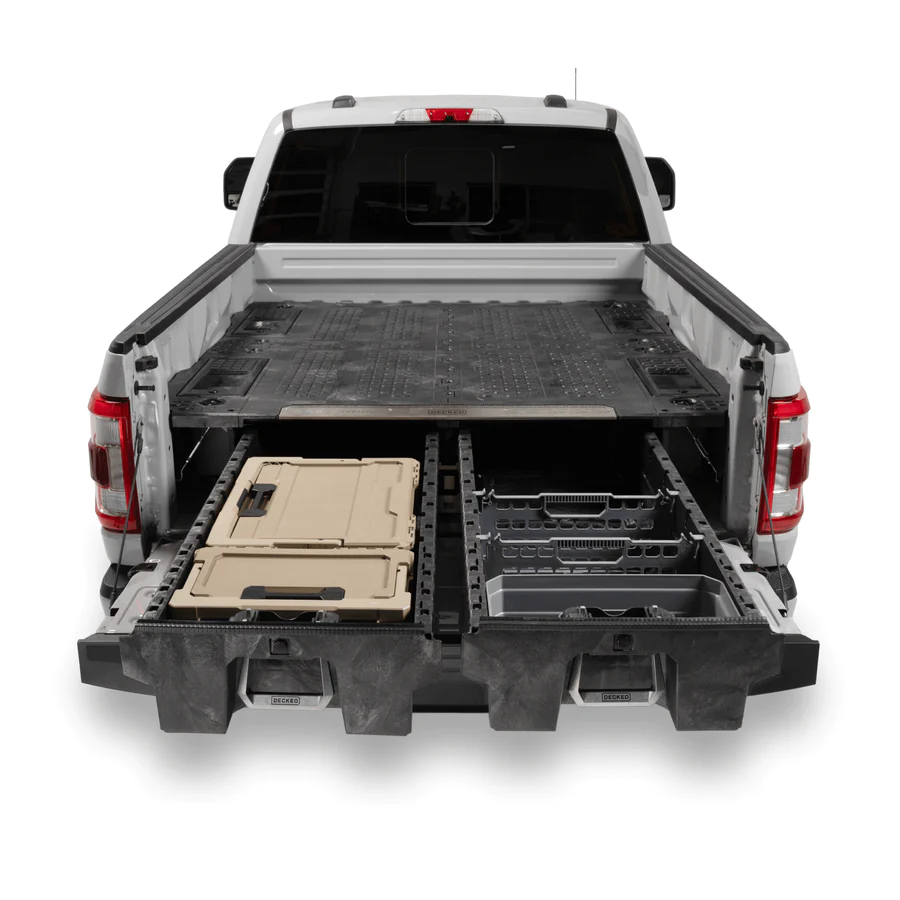
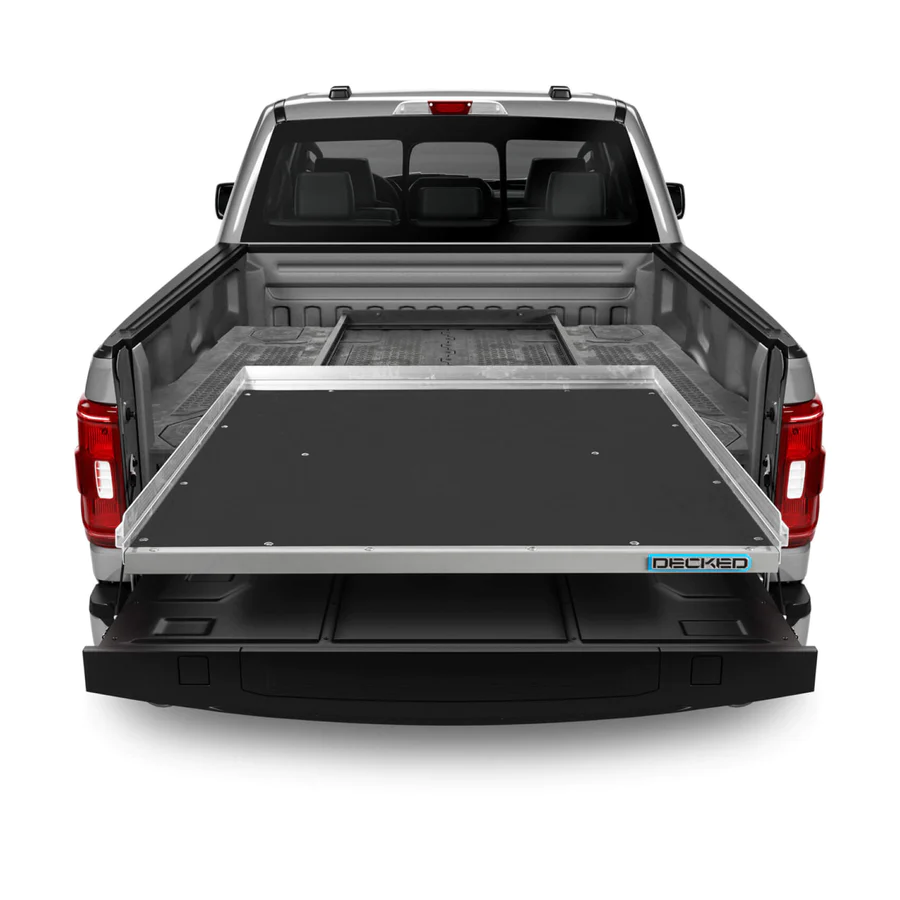
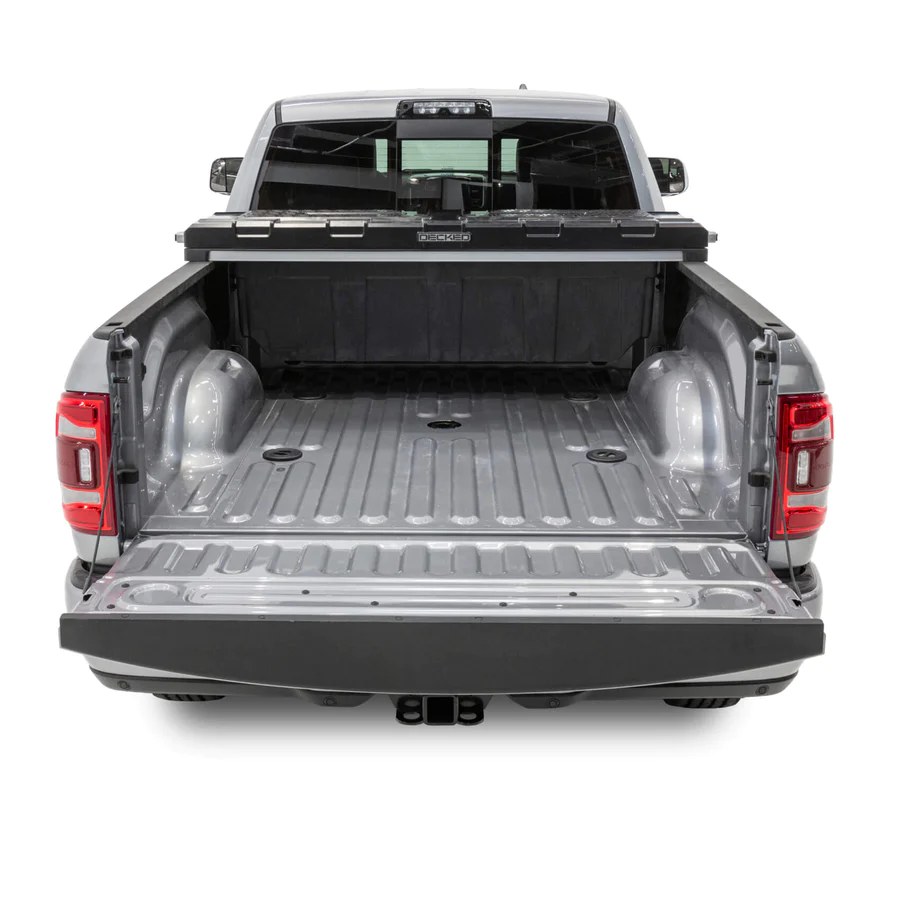


Featured Product

Streamlined. Safe. Flexible.
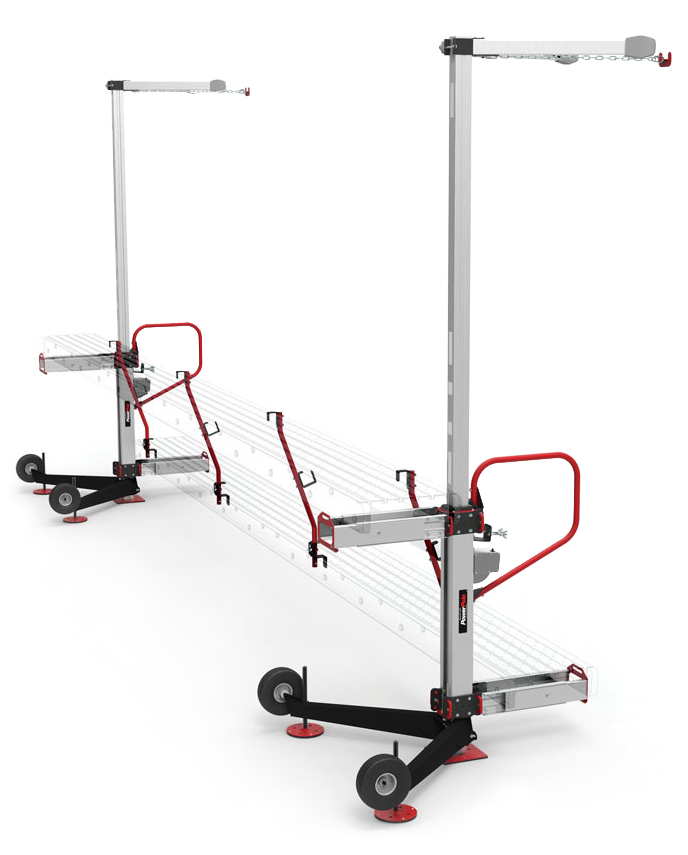
With the ReechCraft PowerPole, traditional scaffolding and pump jack systems are a thing of the past. Our streamlined design gains you access between buildings, on rooftops, around landscaping, and more. The PowerPole is perfect for contract work on residential areas.
See Products & Accessories
- ReechCraft Power Pole
- ReechCraft 4022465 – 10 in. x 10 in. Base Foot
- ReechCraft Platform Support
- ReechCraft 4022179 – Platform Support with PowerLatch Connector
- ReechCraft PowerLatch Assembly
- ReechCraft 4022084 – PowerPole 12 ft Pole Section
- ReechCraft 4022435 – PowerPole 6 ft Pole Section
- ReechCraft 4028334 – PowerPole Climbing Unit
- ReechCraft 4022096 – PowerPole Coupler
- ReechCraft 4022629 – PowerPole Extendable V-Brace
- ReechCraft 4022791 – PowerPole Outrigger
- ReechCraft 4022432 – PowerPole Standoff Tie
- ReechCraft 4022178 – PowerPole Super Standoff Tie
- ReechCraft 4022629 – PowerPole V-Brace
- ReechCraft 4022756 – Single Man Basket
- ReechCraft 4022071 – SpeedRail Endrail (Two-Pack)
- ReechCraft 4022765 – SpeedRail Midrail Post (Two-Pack)

Headache Racks That Turn Heads


See Products & Accessories

June 2022 - Month Long Promotion
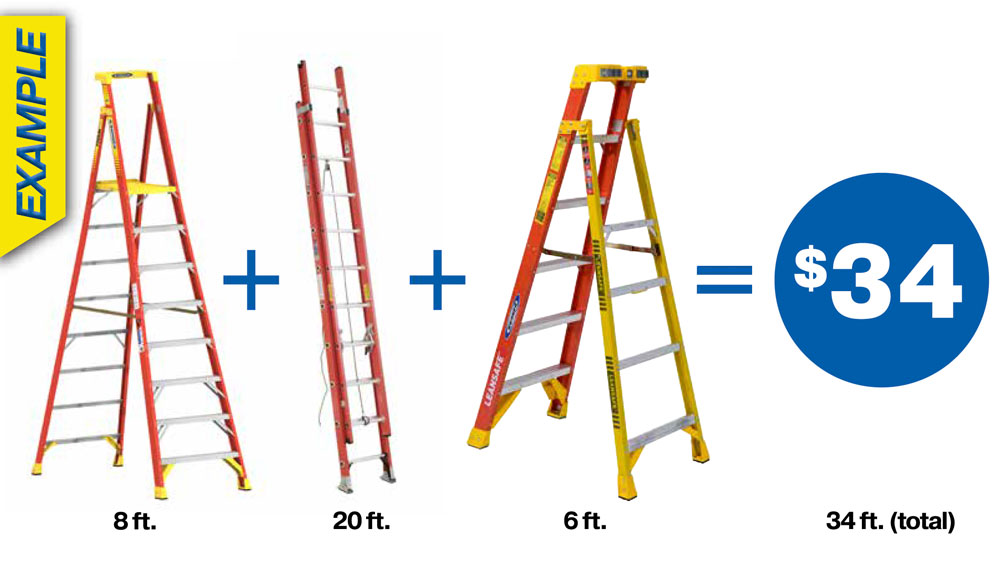
Buy any of the listed Werner ladders and get
$1 Off Per Foot
Demo and Safety Day
Don't miss our WernerCo Sfety and Demo Day BBQ
June 23rd, 2022 from 10am - 2pm
Chance to win giveaways
Cookout from 10am - 2pm
Werner fall protection and Weatherguard Specialists on site to answer any questions and perform safety and product demonstrations.
System One Modular Truck Equipment for New Hampshire, Massachusetts, Connecticut, Rhode Island, Vermont, and Maine Contractors
- Lewiston, ME
- Bar Harbor, ME
- Lexington, MA
- North Andover, MA
- East Hampton, CT
- Meredith, NH
- Concord, NH
- Bennington, VT
- Biddeford, ME
- West Fairlee, VT
- Hopkinton, RI
- Freeport, ME
- Danbury, CT
- Waterboro, ME
- Winslow, ME
- Buxton, ME
- Southington, CT
- Milford, NH
- Pownal, VT
- South Berwick, ME
- North Haven, CT
- Atkinson, NH
- Farmington, NH
- Whitingham, VT
- Pelham, NH
- Essex, VT
- Wallingford, VT
- Laconia, NH
- Narragansett, RI
- Fair Haven, VT
- Sandown, NH
- New London, NH
- Portsmouth, RI
- Haverhill, NH
- Needham, MA
- Bridgewater, MA
- Middletown, RI
- Montpelier, VT
- Barre, VT
- St. Johnsbury, VT
- Livermore Falls, ME
- Sandwich, MA
- Newport, RI
- Raymond, NH
- Tunbridge, VT
- Barnet, VT
- Brooksville, ME
- Gorham, ME
- Litchfield, ME
- Bristol, CT
- Rumford, ME
- Thompson, CT
- Dover, VT
- Westminster, VT
- Waitsfield, VT
- Torrington, CT
- Scituate, RI
- Barnstead, NH
- Lovell, ME
- Barton, VT
- Unity, ME
- Skowhegan, ME
- Groton, CT
- Northfield, VT
- Hopkinton, NH
- Limerick, ME
- Candia, NH
- Berwick, ME
- Killington, VT
- Peacham, VT
- North Hampton, NH
- Randolph, MA
- Bloomfield, CT
- Watertown, MA
- Wilmington, MA
- Methuen, MA
- Nashua, NH
- Plymouth, NH
- Newmarket, NH
- Alfred, ME
- Caribou, ME
- Weymouth, MA
- North Yarmouth, ME
- Bethel, CT
- Rocky Hill, CT
- Bristol, RI
- Sabattus, ME
- Salem, MA
- Londonderry, NH
- Chester, NH
- Westford, VT
- Stamford, CT
- Vershire, VT
- East Hartford, CT
- Norwich, CT
- Stratham, NH
- Windham, NH
- Vernon, CT
Knaack Jobsite Boxes, Chests, Cabinets, Workbenches, Field Offices, and Accessories
- Raymond, ME
- Fairfax, VT
- Presque Isle, ME
- Highgate, VT
- Norridgewock, ME
- Old Saybrook, CT
- Marblehead, MA
- Nashua, NH
- Mashpee, MA
- Auburn, NH
- Bowdoin, ME
- Milford, CT
- Bolton, CT
- Mendon, VT
- Dartmouth, MA
- Portland, CT
- North Haven, CT
- New Gloucester, ME
- Bourne, MA
- New Canaan, CT
- Belmont, NH
- Rutland, VT
- Fitchburg, MA
- Waterbury, CT
- Burlington, VT
- Fair Haven, VT
- Bethel, VT
- Greene, ME
- Chicopee, MA
- New London, CT
- Gloucester, MA
- Mechanic Falls, ME
- Wilmington, MA
- Fairfield, CT
- Methuen, MA
- Newport, ME
- Bakersfield, VT
- Monroe, CT
- Meriden, CT
- Prospect, CT
- Thomaston, ME
- Watertown, MA
- Winchester, ME
- Hampstead, NH
- Gilford, NH
- Pownal, VT
- Essex Junction, VT
- Lincoln, ME
- East Lyme, CT
- Tolland, CT
- Naugatuck, CT
- Dennis, MA
- Waldoboro, ME
- Derry, NH
- Bridgewater, MA
- Windham, NH
- Longmeadow, MA
- West Rutland, VT
- Warren, ME
- Coventry, RI
- Whitingham, VT
- Bow, NH
- Norway, ME
- Smithfield, RI
- Sharon, VT
- Amherst, MA
- Wells, ME
- Sabattus, ME
- Stoughton, MA
- Thetford, VT
- Tewksbury, MA
- Norwich, CT
- Rochester, VT
- Gray, ME
- Madison, ME
- Leominster, MA
- Newington, CT
- Sutton, VT
- Shelton, CT
- East Hampton, CT
- Darien, CT
- Haverhill, NH
- Houlton, ME
- Foster, RI
- Medford, MA
- Littleton, NH
- Seymour, CT
- Harrisville, RI
- Killingworth, CT
- Bellows Falls, VT
- Lunenburg, VT
- Saco, ME
- Peterborough, NH
- Frankfort, ME
- Albany, VT
- Plainville, CT
- North Kingstown, RI
Thule TracRac from the Thule TracRac Resellers New England Trusts
- South Windsor, CT
- Melrose, MA
- Manchester, CT
- Limerick, ME
- Glocester, RI
- South Portland, ME
- Brookline, NH
- Killingworth, CT
- Thompson, CT
- Groton, CT
- Montgomery, VT
- Mendon, VT
- Derby, VT
- Newington, CT
- Somersworth, NH
- West Haven, CT
- Merrimack, NH
- Bellows Falls, VT
- South Berwick, ME
- Gorham, ME
- Marblehead, MA
- Hudson, MA
- Alton, NH
- Jericho, VT
- Simsbury, CT
- Skowhegan, ME
- Plaistow, NH
- North Andover, MA
- Camden, ME
- Brookfield, CT
- Vergennes, VT
- Pittsfield, ME
- Hartford, VT
- Sanford, ME
- Swanzey, NH
- Kingston, NH
- Alfred, ME
- Needham, MA
- West Springfield, MA
- Underhill, VT
- Middletown, CT
- Amherst, NH
- Sidney, ME
- Natick, MA
- South Kingstown, RI
- Vershire, VT
- Richmond, ME
- Quincy, MA
- Bolton, CT
- Hallowell, ME
- West Hartford, CT
- Wardsboro, VT
- Avon, CT
- Bridgeport, CT
- Sudbury, MA
- Waltham, MA
- Marion, MA
- Waterbury, CT
- Southbury, CT
- Vernon, CT
- Warwick, RI
- Pembroke, NH
- Leominster, MA
- Torrington, CT
- Weare, NH
- Barrington, NH
- New Bedford, MA
- Charlestown, RI
- Jefferson, ME
- Pittsfield, MA
- Newport, NH
- Madison, ME
- Providence, RI
- Brookline, MA
- South Hadley, MA
- Barnstead, NH
- Peabody, MA
- Madison, CT
- Raymond, ME
- Barre, VT
- Augusta, ME
- Belmont, MA
- Ellington, CT
- Cambridge, MA
- Claremont, NH
- Falmouth, MA
- North Yarmouth, ME
- Norridgewock, ME
- Ipswich, MA
- East Providence, RI
- Johnston, RI
- Bedford, NH
- Scituate, RI
- Huntington, VT
- Seabrook, NH
- Danville, VT
- Clinton, CT
- Eliot, ME
Purchase Alum-A-Pole Products from Nation Wide Ladder – Ladder Distributors in MA, NH, CT, ME, VT, and RI
- Providence
- Cranston
- Warwick
- Pawtucket
- East Providence
- Woonsocket
- Newport
- Central Falls
- Manville
- Harrisville
- Burlington
- Barre
- South Burlington
- Rutland
- Essex Junction
- St Albans
- Montpelier
- Winooski
- Bellows Falls
- Newport
Purchase 28 Ft Extension Ladders from Nation Wide Ladder – Ladder Distributors in MA, NH, CT, ME, VT, and RI
- Providence
- Cranston
- Warwick
- Pawtucket
- East Providence
- Woonsocket
- Newport
- Central Falls
- Manville
- Harrisville
- Burlington
- Barre
- South Burlington
- Rutland
- Essex Junction
- St Albans
- Montpelier
- Winooski
- Bellows Falls
- Newport
Purchase 40 Ft Extension Ladders from Nation Wide Ladder – Ladder Distributors in MA, NH, CT, ME, VT, and RI
- Providence
- Cranston
- Warwick
- Pawtucket
- East Providence
- Woonsocket
- Newport
- Central Falls
- Manville
- Harrisville
- Burlington
- Barre
- South Burlington
- Rutland
- Essex Junction
- St Albans
- Montpelier
- Winooski
- Bellows Falls
- Newport
Purchase 28 Ft Fiberglass Extension Ladders from Nation Wide Ladder – Ladder Distributors in MA, NH, CT, ME, VT, and RI
- Providence
- Cranston
- Warwick
- Pawtucket
- East Providence
- Woonsocket
- Newport
- Central Falls
- Manville
- Harrisville
- Burlington
- Barre
- South Burlington
- Rutland
- Essex Junction
- St Albans
- Montpelier
- Winooski
- Bellows Falls
- Newport