
NATION WIDE LADDER & EQUIPMENT
NH: 603-434-6911MA: 508-754-3030ME: Regular weekly deliveries from NH
- Home
- Blog
Let Nationwide Ladder & Equipment Help You Find What You Need.
How to Choose a Diamond Cut Alloy Wheel Machine in 2026
Choosing a Diamond Cut Alloy Wheel Machine in 2026 means looking beyond the price tag. The right system should produce a clean, bright finish while removing only the material needed. Compare cutting accuracy, spindle stability, software controls, safety features, and support for common wheel sizes. Small details matter. A clear camera image, secure clamping, and a repeatable tool path can help reduce rework.
Before comparing models, define the work the machine will handle. Note the wheel diameters and widths you service, expected job volume, available floor space, and operator experience. Ask suppliers for a live demonstration using a wheel similar to those in your shop. Check how the machine measures a wheel’s profile, controls cutting depth, and records each pass. Request written specifications, training details, maintenance intervals, and realistic service-response times. These checks are more useful than broad claims about speed or precision.
There is no single best choice for every workshop. A high-capacity machine may be excessive for occasional jobs, while a basic unit may not suit steady production. Include tooling costs, software updates, calibration needs, and local technical support in your comparison. Also inspect how operators load wheels and manage swarf; workflow is easy to overlook. I would not treat a polished demonstration as proof of long-term reliability. Ask for references, verify key claims, and allow for uncertainty. The goal is a machine that fits real work, not a specification sheet alone. This guide outlines the questions worth asking before investing in 2026. The details can change. The decision still deserves care.
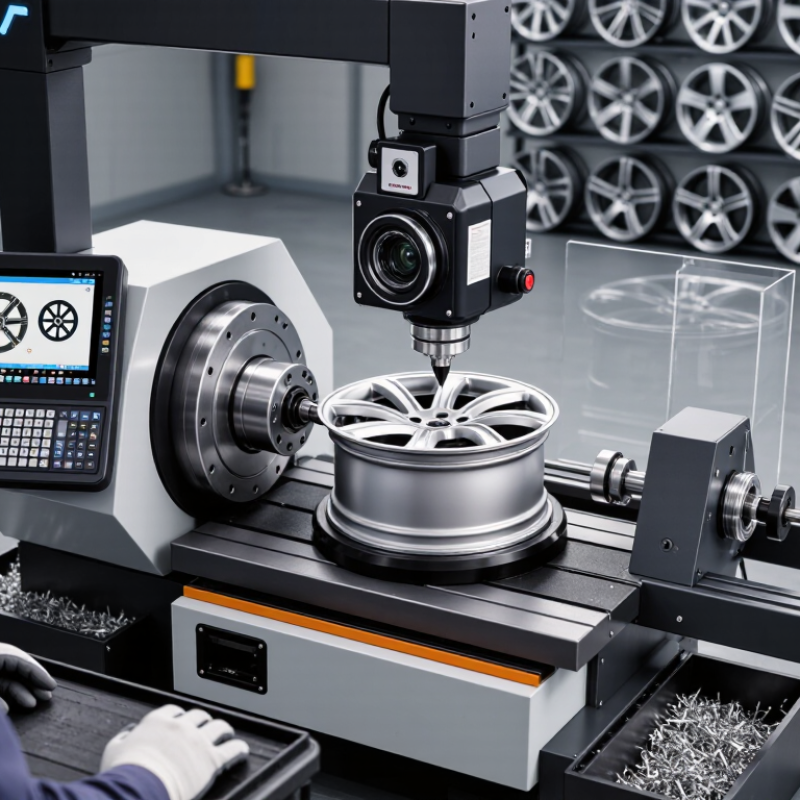
Table of Contents [Hide]
Define the Machine’s Role and the Wheel Types You Need to Process
Before comparing machines, define the job: finishing new wheels, refinishing used wheels, or handling both. A repair shop may need quick changeovers and repeatable cuts across varied designs. A production line may prioritize cycle time and consistent setup. Diamond cutting removes a thin layer from the wheel face; it is not a substitute for assessing structural damage. That distinction matters. S&P Global Mobility reported that the average age of U.S. light vehicles reached 12.6 years in 2024. This is context, not a forecast for wheel-shop demand, but an older vehicle fleet can mean more varied repair work.
List the wheels you actually expect to process: diameter range, face profile, spoke layout, and center-bore or clamping requirements. A machine’s advertised maximum diameter is only one part of fit. Check spindle capacity, tool travel, fixture access, and whether the control system can store or repeat cutting paths.
Deep spokes and complex faces may limit tool access. Not every wheel is an easy cut. In practice, a specification sheet can look reassuring while a particular wheel sits awkwardly on the fixture.
Test representative wheels before purchase, including the smallest, largest, and most complex designs in your expected workload. A short trial may reveal setup limits that a brochure does not.
Compare Cutting Systems, Spindle Power, and Precision
How to Choose a Diamond Cut Alloy Wheel Machine in 2026
Compare the cutting system before comparing headline specifications. A CNC lathe with a rigid bed and stable tool feed can produce consistent face patterns across repeat jobs. Manual or lightly automated systems may cost less, but they rely more on operator judgment. Ask how the machine handles wheel clamping, tool alignment, and repeat positioning. A poorly centered wheel can show uneven machining even when the program looks correct.
Spindle power should match the wheels you expect to process, not simply be as high as possible. Larger wheels and heavier cuts need adequate torque, while excessive speed or vibration can leave visible chatter marks. Check spindle ratings across the working speed range, then confirm the machine can hold speed under load. Small details matter. A specification sheet can still mislead; request a test cut on a comparable wheel and inspect the surface under angled light.
Precision depends on the whole setup: spindle runout, fixture condition, tool condition, and measurement repeatability. Ask for documented tolerances and a clear procedure for checking them. Probe-based measurement may reduce setup variation, but it cannot correct a loose fixture or worn tooling. Leave room in the budget for calibration, maintenance, and operator training. Not always glamorous, but essential. Consider how quickly the machine can repeat a setup after a wheel change, and whether its controls make errors easy to spot before cutting.
Assess Software, Automation, and Operator Controls
How to Choose a Diamond Cut Alloy Wheel Machine in 2026
Assess Software, Automation, and Operator Controls
For diamond-cut wheels, the software matters as much as the spindle. Check whether operators can import wheel profiles, set cutting paths, and preview tool movement before machining. Ask to see a real setup, not only a polished demonstration. Can the machine resume safely after an interrupted cycle? Can it record settings for repeat jobs?
Deloitte’s 2024 Smart Manufacturing Survey found that 86% of surveyed manufacturing leaders expected smart manufacturing to drive competitiveness over the next five years. That is broad industry evidence, not a wheel-machine performance guarantee.
Automation should match the shop’s workload. Probe-based measurement and automatic tool compensation can reduce repeated manual adjustments; automatic loading may help where job volumes justify it. The International Federation of Robotics reported 541,302 industrial robots installed worldwide in 2023. That figure shows adoption, not a requirement for every workshop.
More automation also means more recovery steps when a wheel is misloaded. Test those steps.
Operator controls deserve hands-on inspection. Buttons should be easy to reach, jog controls predictable, and alarms readable beside the machine. Ask a machinist to run a dry cycle, correct a simulated setup error, and change jobs. Watch their hands. A large touchscreen can still hide useful controls. It is easy to overlook that. Review access levels, backups, and training time before comparing quotations; a sophisticated controller is less helpful when only one operator understands it.
Check Wheel Compatibility, Safety Features, and Service Support
Before comparing prices, match the machine to the wheels your shop actually receives. Check supported diameters, widths, face profiles, and clamping methods. A wheel that fits the advertised size range may still exceed the cutter’s working travel. Ask for a demonstration using a similar wheel, and confirm how the machine handles damaged faces or deep spoke designs. A spec sheet can still mislead. Verify spindle limits and the recommended cutting process with the supplier.
Safety deserves equal attention. Look for an enclosure, interlocked access, an accessible emergency stop, and clear guidance on chip collection. OSHA identifies rotating parts and flying chips as machine hazards. BLS recorded 2.4 nonfatal injury and illness cases per 100 full-time-equivalent workers across private industry in 2023; this is not a wheel-shop-specific rate, but it underscores why safeguards matter. Check the original BLS Survey of Occupational Injuries and Illnesses for context. Small checks matter. Ask what training, calibration, replacement parts, and technical response times are included. Confirm service availability in writing, especially if a stopped spindle would delay booked jobs. I would also ask who handles software updates; that detail is easy to overlook.
How to Choose a Diamond Cut Alloy Wheel Machine in 2026 — Check Wheel Compatibility, Safety Features, and Service Support
Use this comparison checklist when evaluating equipment. Compatibility figures are examples of ranges commonly offered; confirm the exact limits, tooling, and operating requirements in the machine’s current technical documentation.
| Decision factor | What to check | Practical verification | Priority |
|---|---|---|---|
| Wheel diameter | Confirm the minimum and maximum wheel diameters the machine can mount and machine. Advertised capacity varies; some equipment covers passenger-car wheels in approximately the 13–24-inch range. | Compare the stated range with the actual wheels you handle, including your largest and smallest regular jobs. Ask whether the range depends on optional fixtures. | Essential |
| Wheel width and profile | Check supported wheel widths, rim profiles, and clearance around the lathe, probe, and cutting head. | Provide the supplier with representative wheel measurements and request a fit check, especially for unusually wide wheels or deep-dish designs. | Essential |
| Mounting and center bore | Review the clamping system, adapters, locating cones, and supported center-bore sizes. A secure, correctly centered wheel is necessary for consistent machining. | Confirm which adapters are included and whether suitable fixtures are available for the wheel types in your workload. Ask how the setup accommodates wheels without a compatible center bore. | Essential |
| Wheel condition and repair scope | Determine whether the machine is intended for cosmetic face refinishing or can also perform other specified repair operations. Diamond cutting removes material and is not appropriate for every damaged wheel. | Check the wheel and repair limits in the equipment instructions. Establish an inspection process for cracks, structural damage, prior repairs, and remaining material before machining. | Essential |
| Scanning and measurement | Check how the machine measures the wheel face and identifies the cutting path, and whether the process is automatic, manual, or a combination. | Request a demonstration using a representative wheel. Review how the operator checks the scan, sets the cutting depth, and verifies the finished surface. | High |
| Cutting tools and consumables | Confirm compatible diamond tooling, inserts, probes, and other consumables, including replacement availability and recommended inspection intervals. | Ask for the consumables list, maintenance schedule, and current lead times. Include recurring tooling costs when comparing machines. | High |
| Machine guarding | Look for effective guarding or enclosure around moving parts and a design that limits access to hazards during operation. | Inspect the machine in person or request clear photographs and documentation. Check that the operator can load and unload wheels without bypassing protective measures. | Essential |
| Emergency stop and interlocks | Check for an accessible emergency-stop function and, where fitted, interlocks that prevent hazardous operation when guards or doors are open. | Ask for the operating and safety manuals and a demonstration of the safety functions. Verify the functions during commissioning in accordance with the manufacturer’s instructions. | Essential |
| Risk and electrical documentation | Review the machine’s risk information, electrical requirements, installation instructions, and applicable conformity documentation for the intended location. | Have a qualified person check the proposed installation against local workplace-safety and electrical requirements. Standards such as ISO 12100, ISO 13850, and IEC 60204-1 may be relevant; applicability depends on the machine and jurisdiction. | Essential |
| Operator training | Check whether instruction covers setup, wheel inspection, tool selection, safe operation, routine maintenance, and job-quality checks. | Confirm training format, duration, language, and whether it is available at installation or remotely. Ask how new operators can receive refresher training. | High |
| Installation and site requirements | Confirm machine footprint, access and lifting needs, floor requirements, power supply, air supply if required, and workspace clearances. | Use the installation manual to assess the proposed site before ordering. Verify utility specifications and commissioning responsibilities in writing. | High |
| Service response and parts | Evaluate the availability of qualified service, technical assistance, and replacement parts in your region. | Request written details of support hours, response process, service coverage, parts ordering, and typical dispatch arrangements. Check whether remote diagnostics are available. | High |
| Warranty and lifecycle cost | Compare warranty coverage, exclusions, preventive-maintenance needs, tooling costs, and any software or service charges. | Review the warranty terms and itemized quotation. Compare total expected ownership costs, not just the purchase price. | High |
| Final acceptance test | Agree on how the machine’s operation, safety functions, and finished-work checks will be confirmed after installation. | Document the acceptance criteria, training completion, supplied accessories, and any outstanding issues before signing off commissioning. | High |
Verify Performance with Demonstrations, Test Cuts, and Cost Analysis
How to Choose a Diamond Cut Alloy Wheel Machine in 2026
A polished showroom demo is useful, but it cannot prove consistent performance. Ask to see the machine cut a wheel similar to the ones you process. Watch the setup, clamping, tool path, and operator adjustments. Note the cycle time, but also check whether the finish stays even around the rim. Numbers can mislead.
Bring a sample wheel and agree on measurable checks before the test. Compare the cut face under direct light, then inspect closely for chatter marks, uneven edges, or missed areas. Use suitable gauges to check runout and repeatability across more than one pass. Ask how tool wear affects the finish and when calibration is required. I have seen buyers focus on speed and overlook setup time; that is an easy mistake to make.
Build a cost estimate from real operating figures, not a sales projection alone. Include purchase and installation costs, diamond tooling, operator training, maintenance, and expected downtime. Estimate how many wheels you can process per shift at your actual quality standard. Then compare that figure with labor savings and reduced rework. Keep a written record of the demonstration and assumptions. A small detail, such as frequent manual repositioning, may change the calculation. Don’t rush it.
Article Source:
What Can We Help You With?
CALL NOW TO ORDER
NH: 603-434-6911MA: 508-754-3030ME: Regular weekly deliveries from NH
CALL NOW TO ORDER
NH: 603-434-6911MA: 508-754-3030ME: Regular weekly deliveries from NH




















Featured Product

Streamlined. Safe. Flexible.
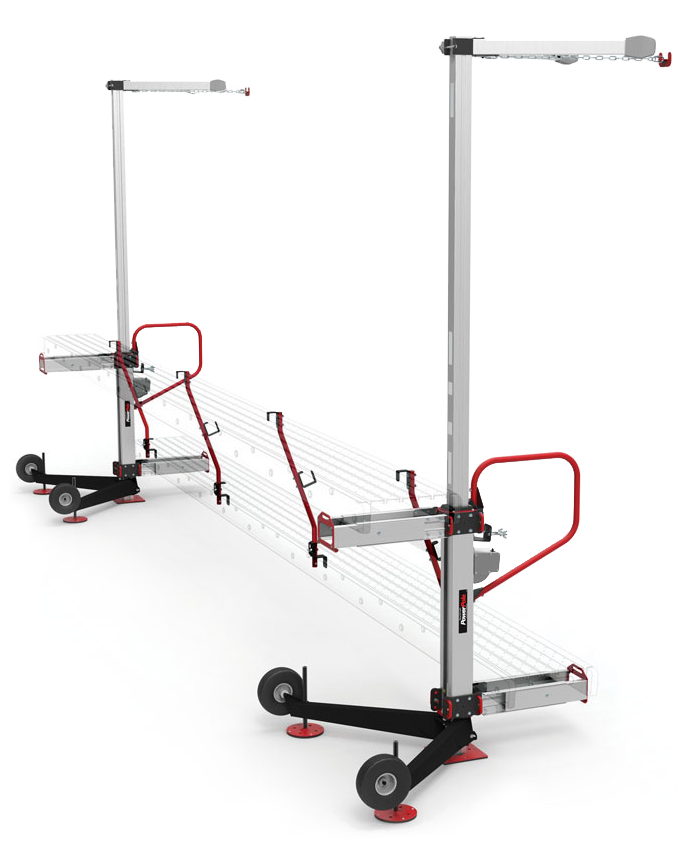
With the ReechCraft PowerPole, traditional scaffolding and pump jack systems are a thing of the past. Our streamlined design gains you access between buildings, on rooftops, around landscaping, and more. The PowerPole is perfect for contract work on residential areas.
See Products & Accessories
- ReechCraft Power Pole
- ReechCraft 4022465 – 10 in. x 10 in. Base Foot
- ReechCraft Platform Support
- ReechCraft 4022179 – Platform Support with PowerLatch Connector
- ReechCraft PowerLatch Assembly
- ReechCraft 4022084 – PowerPole 12 ft Pole Section
- ReechCraft 4022435 – PowerPole 6 ft Pole Section
- ReechCraft 4028334 – PowerPole Climbing Unit
- ReechCraft 4022096 – PowerPole Coupler
- ReechCraft 4022629 – PowerPole Extendable V-Brace
- ReechCraft 4022791 – PowerPole Outrigger
- ReechCraft 4022432 – PowerPole Standoff Tie
- ReechCraft 4022178 – PowerPole Super Standoff Tie
- ReechCraft 4022629 – PowerPole V-Brace
- ReechCraft 4022756 – Single Man Basket
- ReechCraft 4022071 – SpeedRail Endrail (Two-Pack)
- ReechCraft 4022765 – SpeedRail Midrail Post (Two-Pack)

Headache Racks That Turn Heads


See Products & Accessories

June 2022 - Month Long Promotion
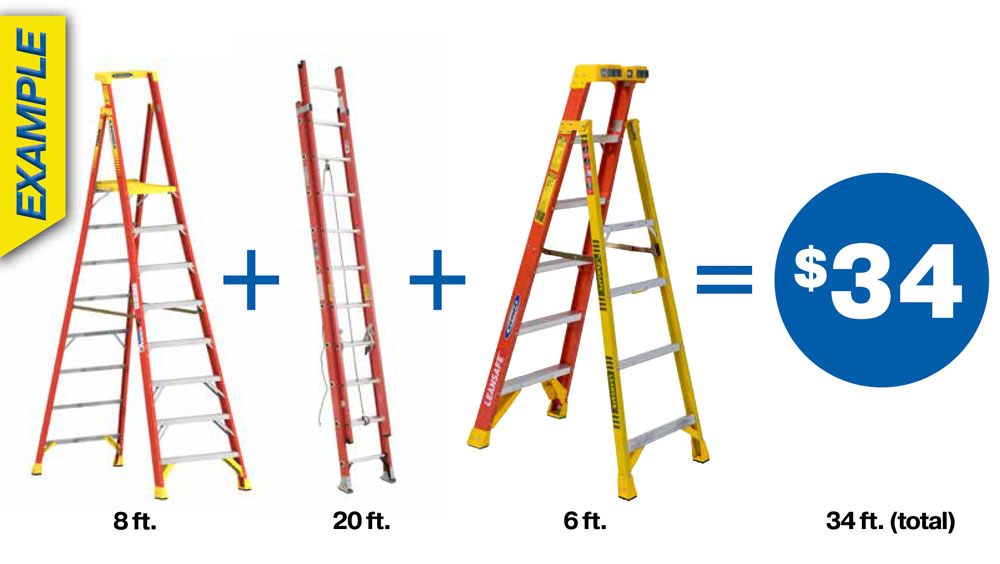
Buy any of the listed Werner ladders and get
$1 Off Per Foot
Demo and Safety Day
Don't miss our WernerCo Sfety and Demo Day BBQ
June 23rd, 2022 from 10am - 2pm
Chance to win giveaways
Cookout from 10am - 2pm
Werner fall protection and Weatherguard Specialists on site to answer any questions and perform safety and product demonstrations.

System One Modular Truck Equipment for New Hampshire, Massachusetts, Connecticut, Rhode Island, Vermont, and Maine Contractors
- Lewiston, ME
- Bar Harbor, ME
- Lexington, MA
- North Andover, MA
- East Hampton, CT
- Meredith, NH
- Concord, NH
- Bennington, VT
- Biddeford, ME
- West Fairlee, VT
- Hopkinton, RI
- Freeport, ME
- Danbury, CT
- Waterboro, ME
- Winslow, ME
- Buxton, ME
- Southington, CT
- Milford, NH
- Pownal, VT
- South Berwick, ME
- North Haven, CT
- Atkinson, NH
- Farmington, NH
- Whitingham, VT
- Pelham, NH
- Essex, VT
- Wallingford, VT
- Laconia, NH
- Narragansett, RI
- Fair Haven, VT
- Sandown, NH
- New London, NH
- Portsmouth, RI
- Haverhill, NH
- Needham, MA
- Bridgewater, MA
- Middletown, RI
- Montpelier, VT
- Barre, VT
- St. Johnsbury, VT
- Livermore Falls, ME
- Sandwich, MA
- Newport, RI
- Raymond, NH
- Tunbridge, VT
- Barnet, VT
- Brooksville, ME
- Gorham, ME
- Litchfield, ME
- Bristol, CT
- Rumford, ME
- Thompson, CT
- Dover, VT
- Westminster, VT
- Waitsfield, VT
- Torrington, CT
- Scituate, RI
- Barnstead, NH
- Lovell, ME
- Barton, VT
- Unity, ME
- Skowhegan, ME
- Groton, CT
- Northfield, VT
- Hopkinton, NH
- Limerick, ME
- Candia, NH
- Berwick, ME
- Killington, VT
- Peacham, VT
- North Hampton, NH
- Randolph, MA
- Bloomfield, CT
- Watertown, MA
- Wilmington, MA
- Methuen, MA
- Nashua, NH
- Plymouth, NH
- Newmarket, NH
- Alfred, ME
- Caribou, ME
- Weymouth, MA
- North Yarmouth, ME
- Bethel, CT
- Rocky Hill, CT
- Bristol, RI
- Sabattus, ME
- Salem, MA
- Londonderry, NH
- Chester, NH
- Westford, VT
- Stamford, CT
- Vershire, VT
- East Hartford, CT
- Norwich, CT
- Stratham, NH
- Windham, NH
- Vernon, CT
Knaack Jobsite Boxes, Chests, Cabinets, Workbenches, Field Offices, and Accessories
- Raymond, ME
- Fairfax, VT
- Presque Isle, ME
- Highgate, VT
- Norridgewock, ME
- Old Saybrook, CT
- Marblehead, MA
- Nashua, NH
- Mashpee, MA
- Auburn, NH
- Bowdoin, ME
- Milford, CT
- Bolton, CT
- Mendon, VT
- Dartmouth, MA
- Portland, CT
- North Haven, CT
- New Gloucester, ME
- Bourne, MA
- New Canaan, CT
- Belmont, NH
- Rutland, VT
- Fitchburg, MA
- Waterbury, CT
- Burlington, VT
- Fair Haven, VT
- Bethel, VT
- Greene, ME
- Chicopee, MA
- New London, CT
- Gloucester, MA
- Mechanic Falls, ME
- Wilmington, MA
- Fairfield, CT
- Methuen, MA
- Newport, ME
- Bakersfield, VT
- Monroe, CT
- Meriden, CT
- Prospect, CT
- Thomaston, ME
- Watertown, MA
- Winchester, ME
- Hampstead, NH
- Gilford, NH
- Pownal, VT
- Essex Junction, VT
- Lincoln, ME
- East Lyme, CT
- Tolland, CT
- Naugatuck, CT
- Dennis, MA
- Waldoboro, ME
- Derry, NH
- Bridgewater, MA
- Windham, NH
- Longmeadow, MA
- West Rutland, VT
- Warren, ME
- Coventry, RI
- Whitingham, VT
- Bow, NH
- Norway, ME
- Smithfield, RI
- Sharon, VT
- Amherst, MA
- Wells, ME
- Sabattus, ME
- Stoughton, MA
- Thetford, VT
- Tewksbury, MA
- Norwich, CT
- Rochester, VT
- Gray, ME
- Madison, ME
- Leominster, MA
- Newington, CT
- Sutton, VT
- Shelton, CT
- East Hampton, CT
- Darien, CT
- Haverhill, NH
- Houlton, ME
- Foster, RI
- Medford, MA
- Littleton, NH
- Seymour, CT
- Harrisville, RI
- Killingworth, CT
- Bellows Falls, VT
- Lunenburg, VT
- Saco, ME
- Peterborough, NH
- Frankfort, ME
- Albany, VT
- Plainville, CT
- North Kingstown, RI
Thule TracRac from the Thule TracRac Resellers New England Trusts
- South Windsor, CT
- Melrose, MA
- Manchester, CT
- Limerick, ME
- Glocester, RI
- South Portland, ME
- Brookline, NH
- Killingworth, CT
- Thompson, CT
- Groton, CT
- Montgomery, VT
- Mendon, VT
- Derby, VT
- Newington, CT
- Somersworth, NH
- West Haven, CT
- Merrimack, NH
- Bellows Falls, VT
- South Berwick, ME
- Gorham, ME
- Marblehead, MA
- Hudson, MA
- Alton, NH
- Jericho, VT
- Simsbury, CT
- Skowhegan, ME
- Plaistow, NH
- North Andover, MA
- Camden, ME
- Brookfield, CT
- Vergennes, VT
- Pittsfield, ME
- Hartford, VT
- Sanford, ME
- Swanzey, NH
- Kingston, NH
- Alfred, ME
- Needham, MA
- West Springfield, MA
- Underhill, VT
- Middletown, CT
- Amherst, NH
- Sidney, ME
- Natick, MA
- South Kingstown, RI
- Vershire, VT
- Richmond, ME
- Quincy, MA
- Bolton, CT
- Hallowell, ME
- West Hartford, CT
- Wardsboro, VT
- Avon, CT
- Bridgeport, CT
- Sudbury, MA
- Waltham, MA
- Marion, MA
- Waterbury, CT
- Southbury, CT
- Vernon, CT
- Warwick, RI
- Pembroke, NH
- Leominster, MA
- Torrington, CT
- Weare, NH
- Barrington, NH
- New Bedford, MA
- Charlestown, RI
- Jefferson, ME
- Pittsfield, MA
- Newport, NH
- Madison, ME
- Providence, RI
- Brookline, MA
- South Hadley, MA
- Barnstead, NH
- Peabody, MA
- Madison, CT
- Raymond, ME
- Barre, VT
- Augusta, ME
- Belmont, MA
- Ellington, CT
- Cambridge, MA
- Claremont, NH
- Falmouth, MA
- North Yarmouth, ME
- Norridgewock, ME
- Ipswich, MA
- East Providence, RI
- Johnston, RI
- Bedford, NH
- Scituate, RI
- Huntington, VT
- Seabrook, NH
- Danville, VT
- Clinton, CT
- Eliot, ME
Purchase Alum-A-Pole Products from Nation Wide Ladder – Ladder Distributors in MA, NH, CT, ME, VT, and RI
- Providence
- Cranston
- Warwick
- Pawtucket
- East Providence
- Woonsocket
- Newport
- Central Falls
- Manville
- Harrisville
- Burlington
- Barre
- South Burlington
- Rutland
- Essex Junction
- St Albans
- Montpelier
- Winooski
- Bellows Falls
- Newport
Purchase 28 Ft Extension Ladders from Nation Wide Ladder – Ladder Distributors in MA, NH, CT, ME, VT, and RI
- Providence
- Cranston
- Warwick
- Pawtucket
- East Providence
- Woonsocket
- Newport
- Central Falls
- Manville
- Harrisville
- Burlington
- Barre
- South Burlington
- Rutland
- Essex Junction
- St Albans
- Montpelier
- Winooski
- Bellows Falls
- Newport
Purchase 40 Ft Extension Ladders from Nation Wide Ladder – Ladder Distributors in MA, NH, CT, ME, VT, and RI
- Providence
- Cranston
- Warwick
- Pawtucket
- East Providence
- Woonsocket
- Newport
- Central Falls
- Manville
- Harrisville
- Burlington
- Barre
- South Burlington
- Rutland
- Essex Junction
- St Albans
- Montpelier
- Winooski
- Bellows Falls
- Newport
Purchase 28 Ft Fiberglass Extension Ladders from Nation Wide Ladder – Ladder Distributors in MA, NH, CT, ME, VT, and RI
- Providence
- Cranston
- Warwick
- Pawtucket
- East Providence
- Woonsocket
- Newport
- Central Falls
- Manville
- Harrisville
- Burlington
- Barre
- South Burlington
- Rutland
- Essex Junction
- St Albans
- Montpelier
- Winooski
- Bellows Falls
- Newport