
NATION WIDE LADDER & EQUIPMENT
NH: 603-434-6911MA: 508-754-3030ME: Regular weekly deliveries from NH
- Home
- Blog
Let Nationwide Ladder & Equipment Help You Find What You Need.
How to Choose an Energy Storage Battery in 2026?
Choosing an Energy Storage Battery in 2026 will require more than comparing advertised capacity and price. The market is expanding quickly, but technical differences can remain hidden behind similar product labels. The International Energy Agency reports that global energy storage capacity must increase sixfold by 2030, reaching about 1,500 GW to support clean-energy goals. Batteries are expected to provide most of this growth. That urgency makes informed purchasing important.
Real projects reveal the practical questions. Will the battery support daily solar shifting, emergency backup, or grid services? A 1 MWh system may appear sufficient, yet usable energy falls after reserve margins, temperature limits, and conversion losses. BloombergNEF reported that average lithium-ion battery pack prices reached approximately 115 dollars per kWh in 2024, after a 20% annual decline. Lower prices help buyers, but they do not automatically indicate better value. Warranty terms, cycle-life testing, fire protection, and supplier service matter just as much.
Look beyond the nameplate.
This guide evaluates chemistry, usable capacity, round-trip efficiency, degradation, safety architecture, installation conditions, and total lifetime cost. Lithium iron phosphate remains attractive for many stationary applications because of its thermal stability and cycle performance. However, no chemistry is perfect. Cold climates, high humidity, poor ventilation, or frequent deep cycling can change the result. Lazard’s Levelized Cost of Storage analysis also shows that storage economics depend heavily on operating assumptions, financing, and system duration. Therefore, the “best” Energy Storage Battery is not universal. It is the battery that matches your load profile, site conditions, safety requirements, and long-term operating plan. Some decisions will still involve uncertainty; responsible buyers should acknowledge it.
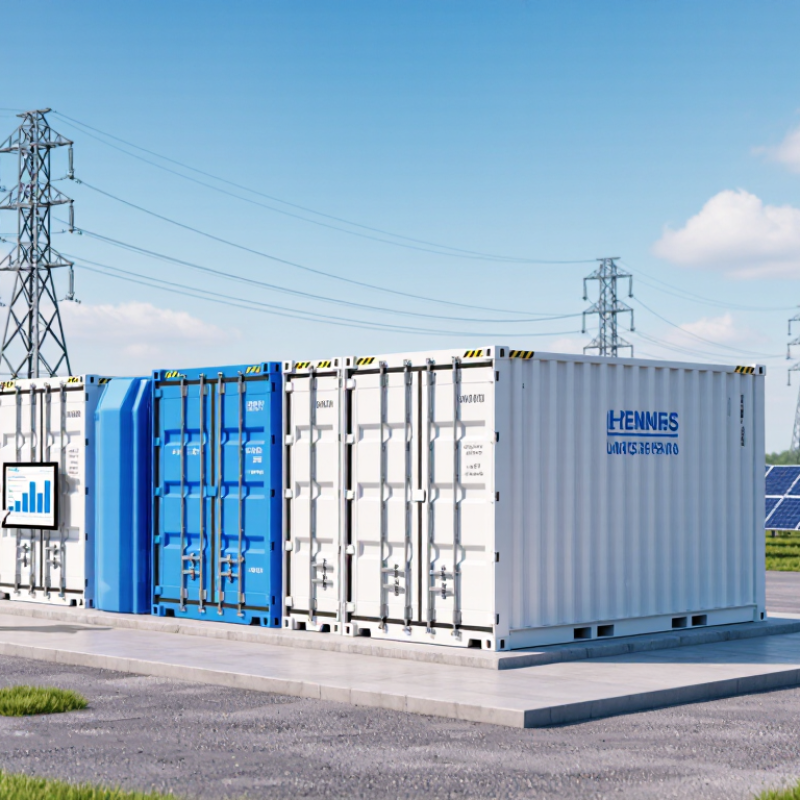
Table of Contents [Hide]
Understanding Energy Storage Battery Types and Their Uses
Choosing an energy storage battery in 2026 starts with its daily job. Lithium iron phosphate batteries suit homes and commercial sites needing frequent cycling. They offer strong thermal stability and long service life, but need more space. Nickel-manganese-cobalt batteries store more energy in smaller cabinets. They may fit weight-sensitive projects, although thermal management demands greater attention. Lead-acid batteries remain practical for backup systems with limited cycling. Flow batteries suit longer-duration storage, especially where space and capital are available.
The numbers show why chemistry matters. The International Energy Agency reported that global battery storage additions reached about 42 GW in 2023, more than doubling from the previous year. BloombergNEF reported an average lithium-ion pack price of 115 dollars per kWh in 2024, down 20% year over year. Lower prices help, but installation, cooling, replacement, and recycling still shape lifetime costs. A cheap cabinet can become expensive after repeated high-temperature operation.
Match the battery to the load profile. A home facing evening peaks may need four hours of storage, not maximum energy density. A solar farm may prioritize daily cycling and easy maintenance. Check round-trip efficiency, usable capacity, warranty conditions, fire protection, and performance at local temperatures. Watch the details. A battery rated at 100 kWh may provide less usable energy after reserve limits and ageing. Reported figures also vary by test method, so independent certification and site measurements deserve more trust than a perfect spreadsheet.
Assessing Capacity, Power, Efficiency, and Battery Life
Choosing an energy storage battery in 2026 starts with the load, not the advertised capacity. Record electricity use at 15-minute intervals for several days. A 10 kWh battery may cover evening lighting, refrigeration, and network equipment, but not a large heat pump overnight. Capacity is usable only after reserve limits and depth-of-discharge settings are applied. Leave headroom for cloudy weather and future demand. Small margins matter.
Power is different from capacity. A battery can store 15 kWh yet deliver only 5 kW continuously. Check continuous and peak ratings against pumps, compressors, and motor starts. Efficiency also deserves careful reading. Round-trip efficiency measures energy returned after charging and discharging, not the figure on a single datasheet. At the meter, wiring, inverter, temperature, and standby losses reduce that number. Ask for test conditions and independently verified data. Marketing figures can be optimistic.
Battery life depends on cycles, calendar age, temperature, and daily operating depth. A system used every day may experience thousands of partial cycles, while emergency backup may age mainly by time. Keep the battery in a stable, approved temperature range, and avoid routine full depletion. Compare expected capacity retention after a stated number of years, not just a cycle count. I would also review service access, monitoring accuracy, and warranty exclusions. My assessment can be imperfect when usage data is incomplete. Recheck assumptions after one season.
Comparing Safety Features, Chemistry, and Environmental Conditions
How to Choose an Energy Storage Battery in 2026?
Start with chemistry. Lithium iron phosphate cells usually offer strong thermal stability and long cycle life. Nickel-rich lithium cells can provide higher energy density, but they demand tighter temperature control. Lead-acid systems remain practical for simple backup, although they are heavier and less efficient. Emerging sodium-ion options may suit cold regions, yet their supply chains and performance data still need careful review.
Safety features deserve more than a checklist. Look for a battery management system with cell balancing, temperature sensors, overcurrent protection, and an emergency disconnect. A sealed enclosure helps in dusty rooms, but it does not replace ventilation or correct installation. Ask for independent test reports and compliance with relevant local safety standards. Details matter. A higher capacity rating cannot compensate for weak thermal controls.
Environmental conditions can change the buying decision. In a coastal home, salt mist may corrode terminals and cabinets. In a mountain cabin, low temperatures can reduce charging performance. Hot garages need shade, airflow, and documented operating limits. Humidity, flooding risk, altitude, and seasonal temperature swings also deserve attention. I still find that buyers focus too heavily on price. My own checklist is not perfect, either. Real measurements from the installation site often reveal problems that product brochures overlook.
How to Choose an Energy Storage Battery in 2026? — Comparing Safety Features, Chemistry, and Environmental Conditions
| Battery Chemistry | Typical Cell Voltage | Approximate Cell-Level Energy Density | Typical Cycle-Life Range* | Thermal-Runaway Risk | Key Safety Strengths | Cold-Temperature Behavior | High-Temperature Behavior | Recommended Environmental Protection | Best-Fit Applications |
|---|---|---|---|---|---|---|---|---|---|
| Lithium Iron Phosphate (LFP) | 3.2 V nominal | Approximately 90–160 Wh/kg | Approximately 2,000–7,000 cycles | Relatively low | Strong thermal and chemical stability; good resistance to oxygen release; still requires a correctly configured BMS, current protection, temperature sensing, and mechanical protection. | Discharging is generally possible at reduced performance. Charging below 0°C can cause lithium plating and should normally be prevented or controlled with battery heating and a low-temperature charge cutoff. | Capacity and life decline as temperature rises. Continuous operation above approximately 45°C should be avoided unless specifically approved by the battery manufacturer. | Use a sealed or suitably rated enclosure, ventilation where required, condensation control, thermal monitoring, and protection from direct sunlight and flooding. | Residential storage, commercial systems, solar self-consumption, backup power, and applications prioritizing safety and long service life. |
| Nickel Manganese Cobalt (NMC) | 3.6–3.7 V nominal | Approximately 150–250 Wh/kg | Approximately 1,000–3,000 cycles | Moderate to relatively high | High energy density and mature battery-management technology; requires robust cell monitoring, thermal propagation barriers, fusing, contactors, and fault isolation. | Low temperatures reduce available power and charging acceptance. Charging below 0°C generally requires heating or a controlled low-temperature charging strategy. | Heat accelerates degradation and can increase safety risk. Temperature sensors, cooling, high-temperature cutoffs, and adequate spacing are important. | Install in a temperature-controlled, non-combustible location with smoke or heat detection, appropriate clearances, and protection against water ingress. | Space-constrained installations, electric mobility, high-power systems, and applications where compact size and high energy density are important. |
| Nickel Cobalt Aluminum (NCA) | 3.6–3.7 V nominal | Approximately 180–280 Wh/kg | Approximately 1,000–2,500 cycles | Moderate to relatively high | High specific energy and power capability; needs carefully calibrated voltage, current, and temperature limits plus strong thermal management and propagation control. | Power and charging performance decrease in cold conditions. Charging at sub-zero temperatures should generally be restricted unless the system includes approved preheating and controls. | Elevated temperature accelerates aging and may reduce safety margin. Active cooling and conservative operating limits are recommended for frequent high-power use. | Use a controlled indoor or appropriately rated enclosure, continuous temperature monitoring, fire detection, separation from occupied areas, and protection from heat sources. | High-performance, high-power, and weight-sensitive systems where energy density is prioritized over maximum thermal robustness. |
| Lithium Titanate (LTO) | Approximately 2.3 V nominal | Approximately 50–90 Wh/kg | Approximately 10,000–30,000 cycles | Very low relative to many lithium-ion chemistries | Excellent power capability, strong abuse tolerance, very long cycle life, and reduced risk of lithium plating during low-temperature charging when operated within approved limits. | Usually performs better than many lithium-ion chemistries in cold conditions. Charging and discharging limits still depend on the cell design and must be verified for the intended temperature range. | Generally tolerant of demanding cycling, but high temperatures still accelerate aging and require temperature monitoring. | Use corrosion-resistant, weather-protected housing; provide ventilation, thermal sensing, water protection, and secure mechanical mounting. | Frequent-cycling storage, high-power backup, harsh-climate installations, transit systems, and applications where long life outweighs size and cost. |
| Sodium-Ion | Approximately 3.0–3.3 V nominal | Approximately 90–160 Wh/kg, depending on design | Approximately 2,000–5,000 cycles, depending on design and operating window | Generally low to moderate | Uses more abundant sodium-based materials and can offer good resistance to over-discharge and cold conditions; safety performance remains cell- and system-design dependent. | Often offers better low-temperature capability than conventional graphite-based lithium-ion cells, but charging limits and usable power must be confirmed for the specific system. | High temperature still accelerates aging and can affect electrolyte stability. Temperature monitoring and protective cutoffs remain necessary. | Use a weather-resistant enclosure, condensation control, ventilation as specified, electrical isolation, and protection from salt spray and standing water. | Stationary storage, backup systems, moderate-energy-density applications, and projects seeking reduced dependence on lithium, nickel, or cobalt. |
| Vanadium Redox Flow Battery | Approximately 1.2 V per cell | Approximately 10–35 Wh/kg at system level | Typically 10,000–20,000+ cycles | Very low fire risk compared with most lithium-ion systems | Electrolyte is stored in external tanks; power and energy are separately scalable; no conventional lithium-ion thermal propagation, although pumps, controls, and electrical equipment still require protection. | Low temperatures can increase electrolyte viscosity and reduce performance. Heating or insulation may be required in cold climates. | High temperatures can affect electrolyte stability, pumps, seals, and efficiency. Thermal management and ventilation may be needed. | Install on a chemically compatible, bunded or contained surface with leak detection, spill control, ventilation, frost protection, and protected electrical equipment. | Large stationary storage, renewable-energy shifting, long-duration storage, and sites where high cycle life and low fire risk are priorities. |
| Lead-Acid (Flooded, AGM, or Gel) | 2.0 V nominal per cell | Approximately 30–50 Wh/kg | Approximately 300–1,500 cycles | Low thermal-runaway energy, but hydrogen, acid, and short-circuit hazards remain | Simple and widely understood technology; requires overcharge control, short-circuit protection, ventilation for flooded types, acid-resistant containment, and safe handling procedures. | Cold temperatures reduce capacity and increase internal resistance. Freeze damage is possible if a battery is deeply discharged and exposed to freezing conditions. | Heat accelerates corrosion, water loss, and aging. Keep batteries shaded and ventilated; avoid sustained operation in excessive heat. | Use acid-resistant trays, adequate ventilation, spill containment, secure mounting, and protection from freezing, flooding, and ignition sources. | Low-cost backup, off-grid systems, engine starting, and applications where weight, volume, and cycle life are less critical. |
Selection guidance: Actual performance depends on cell design, depth of discharge, charge rate, ambient temperature, installation quality, and the battery-management system. For any chemistry, specify independent over-voltage and under-voltage protection, over-current and short-circuit protection, temperature sensors, cell balancing, contactors or disconnects, thermal-event detection, secure mounting, and an enclosure rated for the installation environment. Cycle-life figures are indicative ranges rather than guaranteed results.
Evaluating Costs, Installation Needs, and System Compatibility
How to Choose an Energy Storage Battery in 2026?
Battery cost is more than the price of the cells. Compare usable capacity, round-trip efficiency, expected cycle life, installation labor, and future replacement costs. A cheaper battery may deliver less energy during outages. Ask for a written estimate showing equipment, wiring, permits, inspection fees, and taxes. Hidden costs matter.
Start with your household’s actual load profile. A refrigerator, heat pump, and well pump can create a sharp evening demand. Measure peak power, not only daily energy use. The inverter must support that surge and match the battery’s voltage and communication requirements. Compatibility with the solar system, transfer switch, monitoring equipment, and local grid rules should be confirmed before purchase. Small details can stop a smooth installation.
Installation conditions also affect safety and performance. Outdoor units may need weather protection, clearance, and temperature control. Indoor installations require suitable space, ventilation, and compliance with local fire codes. In a careful site review, installers should inspect cable routes, wall strength, drainage, and emergency access. Do not skip this step.
A rough calculation can mislead. I would rather see measured consumption than trust an impressive capacity number. My early estimates have also ignored standby losses, especially in winter. That mistake changes payback. Choose a system that fits real loads, available space, service requirements, and a documented warranty.
How to Choose an Energy Storage Battery in 2026?
Evaluating costs, installation needs, and system compatibility
The chart shows representative 2026 planning benchmarks for installed battery-storage costs before incentives. Larger systems and new solar installations generally reduce the cost per usable kilowatt-hour, while retrofit and off-grid projects usually require more installation work.
For most residential applications, lithium iron phosphate batteries offer a strong balance of safety, cycle life, and usable capacity. Check inverter voltage limits, communication protocols, available space, backup-load requirements, local electrical codes, and whether the battery is approved for AC-coupled or DC-coupled operation before purchasing.
Cost figures are broad market-planning ranges in USD and vary by location, system size, labor rates, permitting, equipment configuration, and warranty requirements.
Selecting the Best Battery for Your Energy Storage Goals
How to Choose an Energy Storage Battery in 2026?
Selecting the best battery begins with your energy goal, not its advertised capacity. Backup users need dependable reserve power during outages. Solar owners may prioritize daily cycling and evening consumption. A household running a refrigerator, router, and medical equipment needs a different system from a workshop.
Measure your actual load profile for several days. Record peak demand, nighttime use, and seasonal changes. Then compare usable capacity, not just the total capacity. Depth of discharge, round-trip efficiency, cycle life, and charging speed affect real performance. Lithium iron phosphate batteries often suit frequent cycling because of their stable chemistry and long service life. Other chemistries may provide higher energy density, but thermal management deserves careful review.
Safety matters.
Ask for independent test reports, clear warranty terms, and documented installation procedures. Check whether the battery includes temperature monitoring, fault protection, and ventilation requirements.
An experienced installer should calculate cable sizes, inverter compatibility, and emergency shutdown access. Local standards also influence the correct installation.
A spreadsheet can still mislead. I would recheck the figures against cloudy weeks, unusually cold nights, and future electricity use. Oversizing wastes money, while undersizing can leave essential loads powerless. The best choice may be less impressive on paper, but more reliable beside your utility meter.
Article Source:
What Can We Help You With?
CALL NOW TO ORDER
NH: 603-434-6911MA: 508-754-3030ME: Regular weekly deliveries from NH
CALL NOW TO ORDER
NH: 603-434-6911MA: 508-754-3030ME: Regular weekly deliveries from NH


























Featured Product

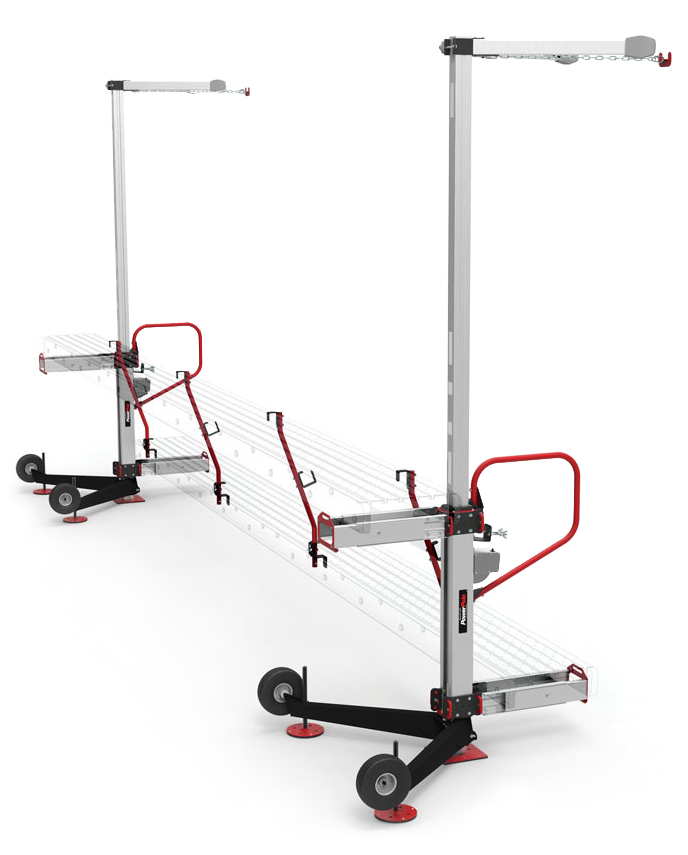
Streamlined. Safe. Flexible.
With the ReechCraft PowerPole, traditional scaffolding and pump jack systems are a thing of the past. Our streamlined design gains you access between buildings, on rooftops, around landscaping, and more. The PowerPole is perfect for contract work on residential areas.
See Products & Accessories
- ReechCraft Power Pole
- ReechCraft 4022465 – 10 in. x 10 in. Base Foot
- ReechCraft Platform Support
- ReechCraft 4022179 – Platform Support with PowerLatch Connector
- ReechCraft PowerLatch Assembly
- ReechCraft 4022084 – PowerPole 12 ft Pole Section
- ReechCraft 4022435 – PowerPole 6 ft Pole Section
- ReechCraft 4028334 – PowerPole Climbing Unit
- ReechCraft 4022096 – PowerPole Coupler
- ReechCraft 4022629 – PowerPole Extendable V-Brace
- ReechCraft 4022791 – PowerPole Outrigger
- ReechCraft 4022432 – PowerPole Standoff Tie
- ReechCraft 4022178 – PowerPole Super Standoff Tie
- ReechCraft 4022629 – PowerPole V-Brace
- ReechCraft 4022756 – Single Man Basket
- ReechCraft 4022071 – SpeedRail Endrail (Two-Pack)
- ReechCraft 4022765 – SpeedRail Midrail Post (Two-Pack)

Headache Racks That Turn Heads


See Products & Accessories

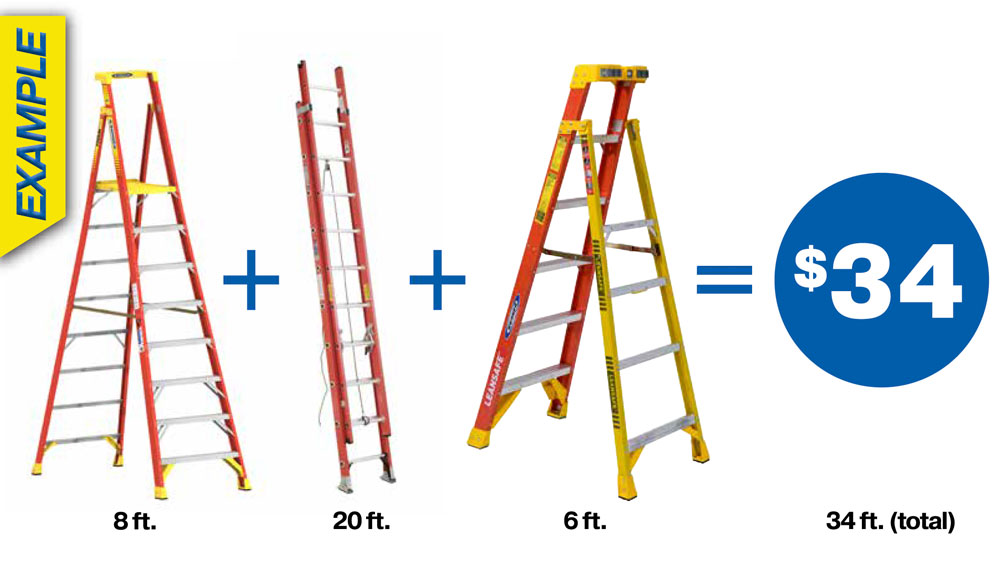
June 2022 - Month Long Promotion
Buy any of the listed Werner ladders and get
$1 Off Per Foot
Demo and Safety Day
Don't miss our WernerCo Sfety and Demo Day BBQ
June 23rd, 2022 from 10am - 2pm
Chance to win giveaways
Cookout from 10am - 2pm
Werner fall protection and Weatherguard Specialists on site to answer any questions and perform safety and product demonstrations.

System One Modular Truck Equipment for New Hampshire, Massachusetts, Connecticut, Rhode Island, Vermont, and Maine Contractors
- Lewiston, ME
- Bar Harbor, ME
- Lexington, MA
- North Andover, MA
- East Hampton, CT
- Meredith, NH
- Concord, NH
- Bennington, VT
- Biddeford, ME
- West Fairlee, VT
- Hopkinton, RI
- Freeport, ME
- Danbury, CT
- Waterboro, ME
- Winslow, ME
- Buxton, ME
- Southington, CT
- Milford, NH
- Pownal, VT
- South Berwick, ME
- North Haven, CT
- Atkinson, NH
- Farmington, NH
- Whitingham, VT
- Pelham, NH
- Essex, VT
- Wallingford, VT
- Laconia, NH
- Narragansett, RI
- Fair Haven, VT
- Sandown, NH
- New London, NH
- Portsmouth, RI
- Haverhill, NH
- Needham, MA
- Bridgewater, MA
- Middletown, RI
- Montpelier, VT
- Barre, VT
- St. Johnsbury, VT
- Livermore Falls, ME
- Sandwich, MA
- Newport, RI
- Raymond, NH
- Tunbridge, VT
- Barnet, VT
- Brooksville, ME
- Gorham, ME
- Litchfield, ME
- Bristol, CT
- Rumford, ME
- Thompson, CT
- Dover, VT
- Westminster, VT
- Waitsfield, VT
- Torrington, CT
- Scituate, RI
- Barnstead, NH
- Lovell, ME
- Barton, VT
- Unity, ME
- Skowhegan, ME
- Groton, CT
- Northfield, VT
- Hopkinton, NH
- Limerick, ME
- Candia, NH
- Berwick, ME
- Killington, VT
- Peacham, VT
- North Hampton, NH
- Randolph, MA
- Bloomfield, CT
- Watertown, MA
- Wilmington, MA
- Methuen, MA
- Nashua, NH
- Plymouth, NH
- Newmarket, NH
- Alfred, ME
- Caribou, ME
- Weymouth, MA
- North Yarmouth, ME
- Bethel, CT
- Rocky Hill, CT
- Bristol, RI
- Sabattus, ME
- Salem, MA
- Londonderry, NH
- Chester, NH
- Westford, VT
- Stamford, CT
- Vershire, VT
- East Hartford, CT
- Norwich, CT
- Stratham, NH
- Windham, NH
- Vernon, CT
Knaack Jobsite Boxes, Chests, Cabinets, Workbenches, Field Offices, and Accessories
- Raymond, ME
- Fairfax, VT
- Presque Isle, ME
- Highgate, VT
- Norridgewock, ME
- Old Saybrook, CT
- Marblehead, MA
- Nashua, NH
- Mashpee, MA
- Auburn, NH
- Bowdoin, ME
- Milford, CT
- Bolton, CT
- Mendon, VT
- Dartmouth, MA
- Portland, CT
- North Haven, CT
- New Gloucester, ME
- Bourne, MA
- New Canaan, CT
- Belmont, NH
- Rutland, VT
- Fitchburg, MA
- Waterbury, CT
- Burlington, VT
- Fair Haven, VT
- Bethel, VT
- Greene, ME
- Chicopee, MA
- New London, CT
- Gloucester, MA
- Mechanic Falls, ME
- Wilmington, MA
- Fairfield, CT
- Methuen, MA
- Newport, ME
- Bakersfield, VT
- Monroe, CT
- Meriden, CT
- Prospect, CT
- Thomaston, ME
- Watertown, MA
- Winchester, ME
- Hampstead, NH
- Gilford, NH
- Pownal, VT
- Essex Junction, VT
- Lincoln, ME
- East Lyme, CT
- Tolland, CT
- Naugatuck, CT
- Dennis, MA
- Waldoboro, ME
- Derry, NH
- Bridgewater, MA
- Windham, NH
- Longmeadow, MA
- West Rutland, VT
- Warren, ME
- Coventry, RI
- Whitingham, VT
- Bow, NH
- Norway, ME
- Smithfield, RI
- Sharon, VT
- Amherst, MA
- Wells, ME
- Sabattus, ME
- Stoughton, MA
- Thetford, VT
- Tewksbury, MA
- Norwich, CT
- Rochester, VT
- Gray, ME
- Madison, ME
- Leominster, MA
- Newington, CT
- Sutton, VT
- Shelton, CT
- East Hampton, CT
- Darien, CT
- Haverhill, NH
- Houlton, ME
- Foster, RI
- Medford, MA
- Littleton, NH
- Seymour, CT
- Harrisville, RI
- Killingworth, CT
- Bellows Falls, VT
- Lunenburg, VT
- Saco, ME
- Peterborough, NH
- Frankfort, ME
- Albany, VT
- Plainville, CT
- North Kingstown, RI
Thule TracRac from the Thule TracRac Resellers New England Trusts
- South Windsor, CT
- Melrose, MA
- Manchester, CT
- Limerick, ME
- Glocester, RI
- South Portland, ME
- Brookline, NH
- Killingworth, CT
- Thompson, CT
- Groton, CT
- Montgomery, VT
- Mendon, VT
- Derby, VT
- Newington, CT
- Somersworth, NH
- West Haven, CT
- Merrimack, NH
- Bellows Falls, VT
- South Berwick, ME
- Gorham, ME
- Marblehead, MA
- Hudson, MA
- Alton, NH
- Jericho, VT
- Simsbury, CT
- Skowhegan, ME
- Plaistow, NH
- North Andover, MA
- Camden, ME
- Brookfield, CT
- Vergennes, VT
- Pittsfield, ME
- Hartford, VT
- Sanford, ME
- Swanzey, NH
- Kingston, NH
- Alfred, ME
- Needham, MA
- West Springfield, MA
- Underhill, VT
- Middletown, CT
- Amherst, NH
- Sidney, ME
- Natick, MA
- South Kingstown, RI
- Vershire, VT
- Richmond, ME
- Quincy, MA
- Bolton, CT
- Hallowell, ME
- West Hartford, CT
- Wardsboro, VT
- Avon, CT
- Bridgeport, CT
- Sudbury, MA
- Waltham, MA
- Marion, MA
- Waterbury, CT
- Southbury, CT
- Vernon, CT
- Warwick, RI
- Pembroke, NH
- Leominster, MA
- Torrington, CT
- Weare, NH
- Barrington, NH
- New Bedford, MA
- Charlestown, RI
- Jefferson, ME
- Pittsfield, MA
- Newport, NH
- Madison, ME
- Providence, RI
- Brookline, MA
- South Hadley, MA
- Barnstead, NH
- Peabody, MA
- Madison, CT
- Raymond, ME
- Barre, VT
- Augusta, ME
- Belmont, MA
- Ellington, CT
- Cambridge, MA
- Claremont, NH
- Falmouth, MA
- North Yarmouth, ME
- Norridgewock, ME
- Ipswich, MA
- East Providence, RI
- Johnston, RI
- Bedford, NH
- Scituate, RI
- Huntington, VT
- Seabrook, NH
- Danville, VT
- Clinton, CT
- Eliot, ME
Purchase Alum-A-Pole Products from Nation Wide Ladder – Ladder Distributors in MA, NH, CT, ME, VT, and RI
- Providence
- Cranston
- Warwick
- Pawtucket
- East Providence
- Woonsocket
- Newport
- Central Falls
- Manville
- Harrisville
- Burlington
- Barre
- South Burlington
- Rutland
- Essex Junction
- St Albans
- Montpelier
- Winooski
- Bellows Falls
- Newport
Purchase 28 Ft Extension Ladders from Nation Wide Ladder – Ladder Distributors in MA, NH, CT, ME, VT, and RI
- Providence
- Cranston
- Warwick
- Pawtucket
- East Providence
- Woonsocket
- Newport
- Central Falls
- Manville
- Harrisville
- Burlington
- Barre
- South Burlington
- Rutland
- Essex Junction
- St Albans
- Montpelier
- Winooski
- Bellows Falls
- Newport
Purchase 40 Ft Extension Ladders from Nation Wide Ladder – Ladder Distributors in MA, NH, CT, ME, VT, and RI
- Providence
- Cranston
- Warwick
- Pawtucket
- East Providence
- Woonsocket
- Newport
- Central Falls
- Manville
- Harrisville
- Burlington
- Barre
- South Burlington
- Rutland
- Essex Junction
- St Albans
- Montpelier
- Winooski
- Bellows Falls
- Newport
Purchase 28 Ft Fiberglass Extension Ladders from Nation Wide Ladder – Ladder Distributors in MA, NH, CT, ME, VT, and RI
- Providence
- Cranston
- Warwick
- Pawtucket
- East Providence
- Woonsocket
- Newport
- Central Falls
- Manville
- Harrisville
- Burlington
- Barre
- South Burlington
- Rutland
- Essex Junction
- St Albans
- Montpelier
- Winooski
- Bellows Falls
- Newport