Let Nationwide Ladder & Equipment Help You Find What You Need.

How to Choose the Best Multi Position Ladder for Your Needs?

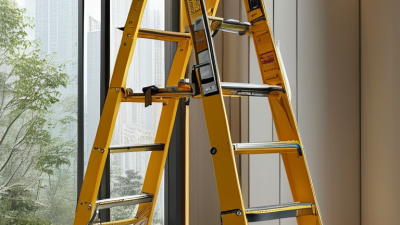
Choosing the right multi position ladder can be a daunting task. With so many options available, it’s essential to understand your specific needs. A multi position ladder offers versatile solutions for various tasks, making it a valuable tool for DIY enthusiasts and professionals alike.

When selecting a multi position ladder, consider its height, weight capacity, and material. These factors greatly impact its usability and safety. Think about the projects you’ll tackle. Will you use it indoors or outdoors? This can affect your decision significantly. Many ladders can transform into different shapes, but not all provide stability or balance.

It’s important to reflect on your own experience with ladders. Have you faced difficulties or felt unsafe in the past? These thoughts will guide you to a more informed choice. Being aware of potential shortcomings in a ladder's design or functionality will help you avoid pitfalls. Remember, a reliable multi position ladder can enhance your efficiency while ensuring your safety.
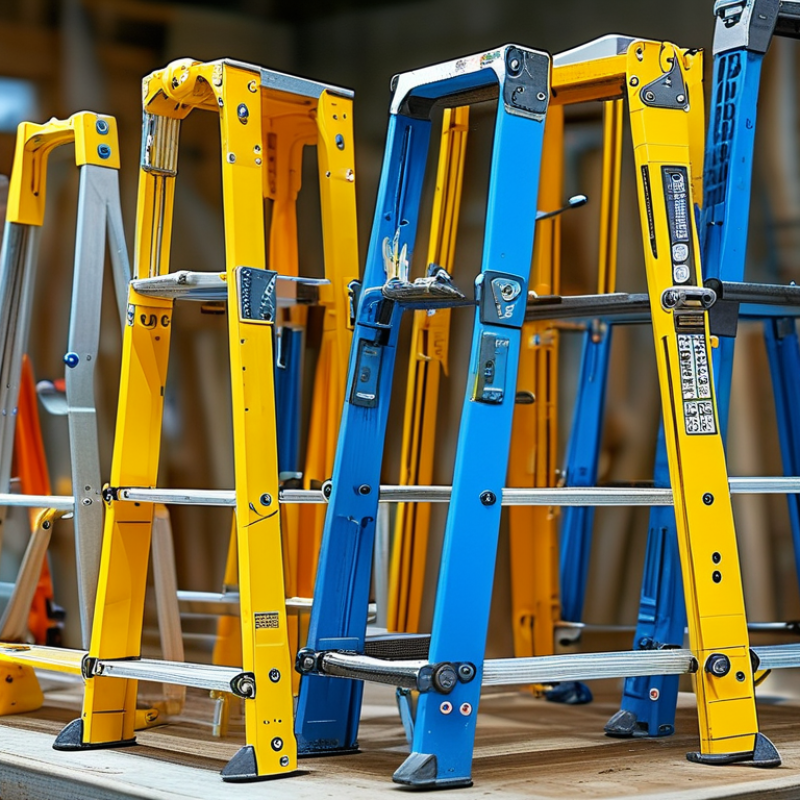
How to Choose the Best Multi Position Ladder for Your Needs?

Understanding the Different Types of Multi Position Ladders

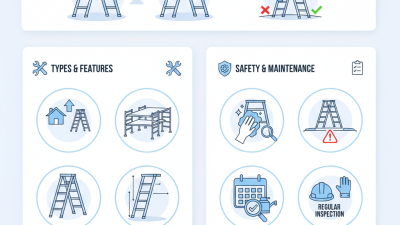
When choosing a multi position ladder, it's essential to understand the different types available. One common type is the extension ladder, ideal for reaching high places like rooftops. These ladders extend and have a stable base. You’ll notice that this type can be heavy and less portable. A-frame ladders are another option. They are versatile and can stand alone. However, they may not reach extreme heights.

Consider the design of multi position ladders as well. Some ladders convert into different shapes, like scaffold ladders or stair ladders. These models are perfect for varied projects. While they offer flexibility, they can sometimes feel unstable. It’s important to assess the weight and height limits specified by the manufacturer.

Always think about the ladder’s materials. Aluminum models are lightweight, making them easier to carry. However, they can be less durable compared to fiberglass options. Fiberglass ladders resist weather and corrosion but can be cumbersome to move. Reflect on your needs. Each type has its benefits and drawbacks. Choosing wisely means assessing tasks and your physical comfort.

How to Choose the Best Multi Position Ladder for Your Needs? - Understanding the Different Types of Multi Position Ladders

Type Max Height (Feet) Weight Capacity (lbs) Material Special Features
Telescoping Ladder 12.5 300 Aluminum Compact, portable
A-Frame Ladder 8 200 Fiberglass Non-conductive
Extension Ladder 24 300 Aluminum Reaches high areas
Multi-Position Ladder 10.5 - 15 300 Aluminum Convertible to multiple forms
Step Ladder 6 250 Steel Stable, great for indoor use

Evaluating Your Specific Needs and Usage Scenarios

Choosing a multi-position ladder requires a clear understanding of your specific needs. Start by assessing where you will use the ladder most often. Will it be for indoor home projects or outdoor tasks? According to industry reports, approximately 30% of ladder-related injuries occur during home maintenance activities. This highlights the importance of selecting the right ladder for the environment.

Consider your typical usage scenarios. For instance, if you're frequently working on uneven ground, an adjustable ladder provides stability and flexibility. Studies show that users prefer ladders with multiple positions for their adaptability during varied tasks. If your work requires frequent changes in height or angle, a ladder that easily transitions can reduce strain and improve safety.

Always evaluate the ladder's weight capacity. Research indicates that overloading is a common issue, contributing to accidents. Choosing a ladder with a higher rated capacity than needed enhances safety margins. Reflect on the frequency of use as well; if you use it sparingly, investing in a higher-end model may not be beneficial. It’s crucial to balance between what you need and what is practical for your personal use.

Comparative Analysis of Multi Position Ladders

Key Features to Look for in a Multi Position Ladder

When choosing a multi-position ladder, it's crucial to consider its versatility and safety features. A good ladder should easily transform for different tasks. Look for models that can be configured into various shapes, such as A-frame or extension styles. This adaptability makes it suitable for both indoor and outdoor jobs. A solid design will provide stability on uneven surfaces. Consider a ladder that can handle various heights while remaining securely locked in position. Check the maximum load capacity to ensure it meets your needs.

Safety is paramount. Look for ladders with slip-resistant feet to minimize the risk of accidents. A locking mechanism should be easy to use but reliable. Additionally, some models offer wide rungs, enhancing comfort during prolonged use. A sturdy construction is essential. Analyze the material used; aluminum is lightweight but may dent, while fiberglass is durable and less prone to damage. Examine user reviews for insights on durability and ease of use. It’s important to reflect on past experiences with ladders. Consider what features you wished you had in previous models. This could guide you in making a more informed choice.

Safety Considerations When Choosing a Ladder

When selecting a multi-position ladder, safety is paramount. According to the Consumer Product Safety Commission, falls from ladders account for over 164,000 injuries annually in the U.S. Proper ladder selection can significantly reduce risks. The right ladder should be suitable for the intended height and purpose. For example, a ladder rated for residential use might not be suitable for construction work.

Consider the weight capacity of the ladder. A standard multi-position ladder supports approximately 250 pounds. However, some heavy-duty models can handle more. It's important to remember that this includes both the user’s weight and any tools or materials they may carry. Users should also check for features like slip-resistant feet and locking mechanisms. These contribute to stability and prevent accidents.

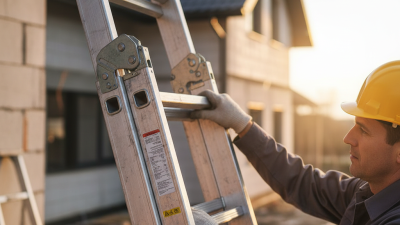
It's essential to regularly inspect your ladder for signs of wear and tear. Even a minor defect can lead to serious injury. Investing in a ladder with a strong build and safety features is crucial. It’s a reflection of responsible ownership. Safety should never be compromised. Always prioritize the right equipment for the task at hand, regardless of convenience.

Comparing Material Options for Durability and Weight Limitations

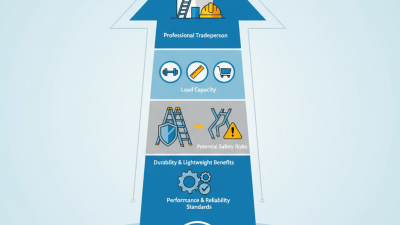
When selecting a multi-position ladder, material options play a crucial role in durability and weight limitations. Aluminum is a popular choice, known for its lightweight nature. It’s easy to transport and maneuver around the workspace. However, aluminum ladders might not withstand heavy impacts. They can bend or dent with significant force. Therefore, considering your typical use is essential.

Fiberglass is another option. It offers exceptional durability, especially in harsh weather. This material is non-conductive, making it safe for electrical work. However, fiberglass ladders are significantly heavier than aluminum ones. If mobility is important for your tasks, this could be a drawback. Individuals may need assistance to lift or carry them easily.

Wooden ladders, though less common in multi-position designs, deserve mention. They provide stability and strength. However, wood can rot and warp over time, especially in damp conditions. Regular maintenance is necessary. Each material has its pros and cons. Evaluating these will help ensure you choose the best ladder for your specific needs.

TOP
Nation Wide Ladder

Nation Wide Ladder