
NATION WIDE LADDER & EQUIPMENT
NH: 603-434-6911MA: 508-754-3030ME: Regular weekly deliveries from NH
- Home
- Blog
Let Nationwide Ladder & Equipment Help You Find What You Need.
10 Essential Tips for Safely Using a Roof Ladder?
Using a roof ladder demands a high level of safety awareness. According to the U.S. Bureau of Labor Statistics, falls account for over 30% of construction-related fatalities. A significant portion of these falls occurs from ladders. Proper handling and safety measures can help reduce these risks.
Many homeowners overlook the importance of roof ladder safety. For instance, an improper setup can lead to serious injuries. It's crucial to ensure that the ladder is placed on stable ground. Additionally, inspecting the ladder before use is as important as knowing how to climb it safely.
Despite existing safety guidelines, accidents still happen. Many users fail to adhere to basic precautions. Simple steps can be life-saving. Knowledge of proper weight limits, lock mechanisms, and extension guidelines often gets ignored. By understanding and applying these safety tips, users can significantly minimize risks associated with using a roof ladder.

Table of Contents
[Hide]
Choosing the Right Roof Ladder for Your Needs
Choosing the right roof ladder is crucial for safety. Different roofs require different ladders. Consider the roof angle and height. A steeper roof may need a more specialized ladder. It's important to match the ladder type with your specific task, like repairs or cleaning.
Material matters too. Aluminum ladders are lightweight and easy to carry. However, they can be less stable. Wooden ladders provide better grip, especially on slopes. Think about where you'll store the ladder. A compact design may fit better in your garage.
Don’t overlook weight capacity. Check the specifications carefully. Even experienced users can misjudge load limits. A ladder that's too weak can lead to accidents. Regularly inspect the ladder for damage or wear. Old or broken ladders can be dangerous. Reflections on your choices can greatly enhance safety.
10 Essential Tips for Safely Using a Roof Ladder
Inspecting Your Roof Ladder for Safety Before Use
Before using a roof ladder, it's necessary to inspect it properly. Look for cracks or bent rungs. Even small damage can lead to serious accidents. Check for rust, as it weakens the ladder's structure. If any part looks suspicious, reconsider using it.
Make sure all the ladder connections are secure. Loose parts can cause the ladder to wobble. Stability is key when working at heights. Keep an eye out for missing screws, as they may affect the ladder's reliability. Test the ladder by shaking it gently before climbing. A stable ladder boosts your confidence when working.
Consider the environment where you will place the ladder. Uneven or soft ground can shift the ladder easily. If the ground is unstable, find a better spot. Remember to ask for help if you're unsure. It takes humility to admit when you're not ready. Always prioritize safety over speed. One small misstep can have lasting consequences.
Proper Setup Techniques for Stability and Balance
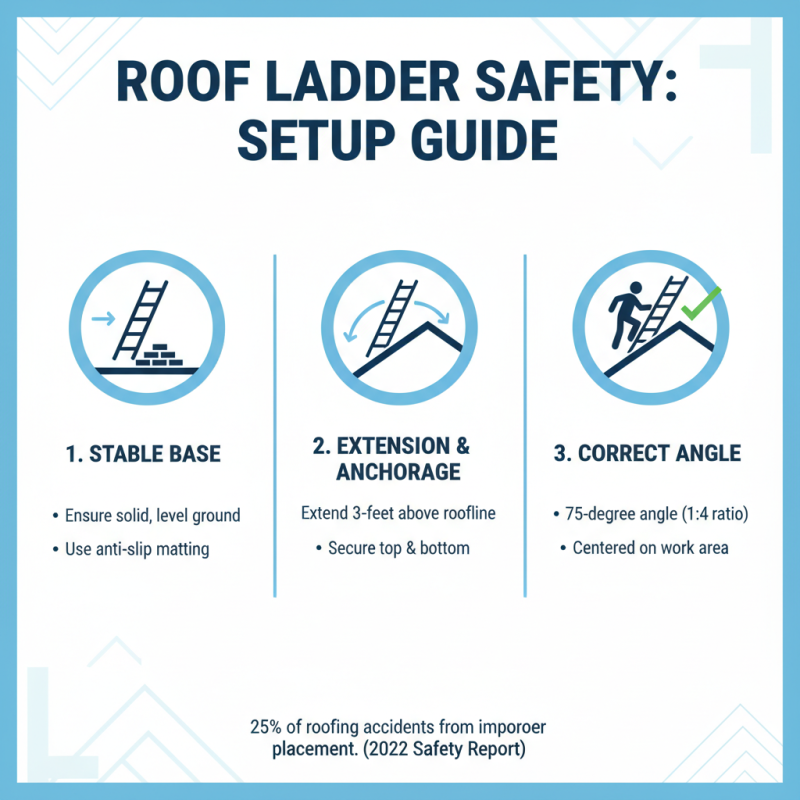
Using a roof ladder safely starts with proper setup techniques to ensure stability and balance. A 2022 safety report indicated that improper ladder placement accounts for nearly 25% of all roofing accidents. Understanding where and how to place your ladder can prevent many of these incidents.
Choose a flat, dry surface for your ladder base. Gravel or uneven ground can lead to slips. Set the ladder at a 75-degree angle for optimal stability. A simple trick is to make sure the base is one foot away from the wall for every four feet of height. This ratio is crucial.
Additionally, check the ladder's locks and rungs before climbing. An overlooked rung can be a dangerous oversight. Be wary of wind or rainy conditions; they can compromise your balance. Always have a spotter if possible. Too many accidents stem from trying to multitask while on a roof ladder. Focus solely on your climb.
Safe Climbing Practices to Minimize Risks
Using a roof ladder presents real risks. Safe climbing practices are vital to minimize accidents. Start by inspecting the ladder before use. Look for any wear and tear. A damaged ladder can lead to falls. Ensure the ladder is on stable ground. Uneven surfaces can cause it to slip.
When climbing, always face the ladder. Keep your body centered between the rails. Avoid carrying heavy tools in your hands. Use a tool belt instead. Take one step at a time. Rushing can lead to dangerous mistakes. Consider using a spotter if working at great heights. Having someone there increases safety.
Always wear appropriate shoes. Slippery soles can be hazardous. Before getting on the roof, double-check the ladder's stability. Never lean too far over the edge. If you find yourself stretching beyond your reach, that's a warning sign. Reflect on your actions. Safety should always come first, even if it feels inconvenient. Engaging in safe climbing practices keeps you secure while working aloft.
Using Safety Equipment While on the Roof

When working on a roof, safety equipment is crucial. A hard hat protects your head from falling objects. Non-slip shoes provide better grip. Harnesses can keep you secure if you lose balance. Always wear gloves to protect your hands.
Before climbing the ladder, inspect your gear. Does your harness fit well? Are there any tears in your gloves? These small checks matter. If your equipment is damaged, it could lead to serious accidents.
Communicate clearly with others on the ground. Use hand signals or radios. Don't assume they see you. When on the roof, take your time. Rushing can lead to missteps. Even experienced workers can have slips. It's essential to continually assess your surroundings. Stay aware and be ready to adapt.
Related Posts
-
10 Best Safety Rail Solutions for Home and Workplace Safety
-

10 Best Ladder Safety Training Tips for a Safer Work Environment?
-
2026 How to Use a Siding Brake for Your Home Improvement Projects?
-

Why Choosing the Right Extension Ladder is Essential for Your Safety?
-

2026 How to Install a Safety Rail for Maximum Protection?
-

What is a ladder leveler and how does it work?
What Can We Help You With?
CALL NOW TO ORDER
NH: 603-434-6911MA: 508-754-3030ME: Regular weekly deliveries from NH
CALL NOW TO ORDER
NH: 603-434-6911MA: 508-754-3030ME: Regular weekly deliveries from NH


























Featured Product

Streamlined. Safe. Flexible.
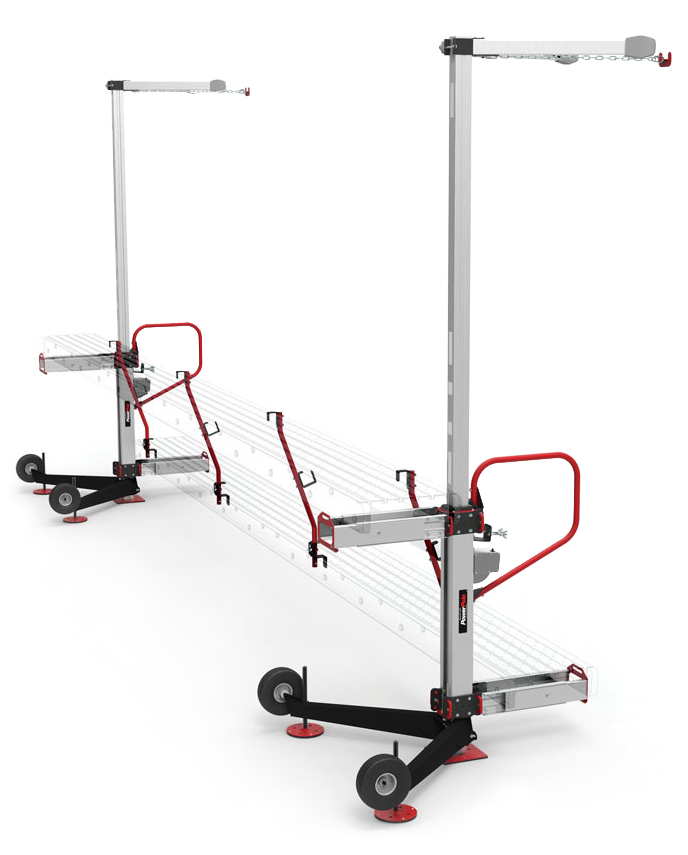
With the ReechCraft PowerPole, traditional scaffolding and pump jack systems are a thing of the past. Our streamlined design gains you access between buildings, on rooftops, around landscaping, and more. The PowerPole is perfect for contract work on residential areas.
See Products & Accessories
- ReechCraft Power Pole
- ReechCraft 4022465 – 10 in. x 10 in. Base Foot
- ReechCraft Platform Support
- ReechCraft 4022179 – Platform Support with PowerLatch Connector
- ReechCraft PowerLatch Assembly
- ReechCraft 4022084 – PowerPole 12 ft Pole Section
- ReechCraft 4022435 – PowerPole 6 ft Pole Section
- ReechCraft 4028334 – PowerPole Climbing Unit
- ReechCraft 4022096 – PowerPole Coupler
- ReechCraft 4022629 – PowerPole Extendable V-Brace
- ReechCraft 4022791 – PowerPole Outrigger
- ReechCraft 4022432 – PowerPole Standoff Tie
- ReechCraft 4022178 – PowerPole Super Standoff Tie
- ReechCraft 4022629 – PowerPole V-Brace
- ReechCraft 4022756 – Single Man Basket
- ReechCraft 4022071 – SpeedRail Endrail (Two-Pack)
- ReechCraft 4022765 – SpeedRail Midrail Post (Two-Pack)

Headache Racks That Turn Heads


See Products & Accessories

June 2022 - Month Long Promotion
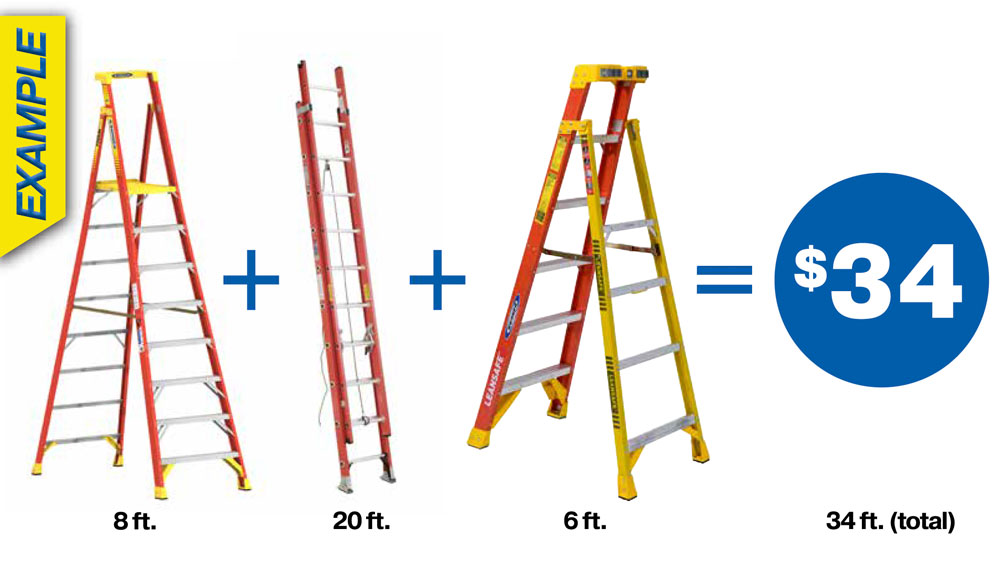
Buy any of the listed Werner ladders and get
$1 Off Per Foot
Demo and Safety Day
Don't miss our WernerCo Sfety and Demo Day BBQ
June 23rd, 2022 from 10am - 2pm
Chance to win giveaways
Cookout from 10am - 2pm
Werner fall protection and Weatherguard Specialists on site to answer any questions and perform safety and product demonstrations.

System One Modular Truck Equipment for New Hampshire, Massachusetts, Connecticut, Rhode Island, Vermont, and Maine Contractors
- Lewiston, ME
- Bar Harbor, ME
- Lexington, MA
- North Andover, MA
- East Hampton, CT
- Meredith, NH
- Concord, NH
- Bennington, VT
- Biddeford, ME
- West Fairlee, VT
- Hopkinton, RI
- Freeport, ME
- Danbury, CT
- Waterboro, ME
- Winslow, ME
- Buxton, ME
- Southington, CT
- Milford, NH
- Pownal, VT
- South Berwick, ME
- North Haven, CT
- Atkinson, NH
- Farmington, NH
- Whitingham, VT
- Pelham, NH
- Essex, VT
- Wallingford, VT
- Laconia, NH
- Narragansett, RI
- Fair Haven, VT
- Sandown, NH
- New London, NH
- Portsmouth, RI
- Haverhill, NH
- Needham, MA
- Bridgewater, MA
- Middletown, RI
- Montpelier, VT
- Barre, VT
- St. Johnsbury, VT
- Livermore Falls, ME
- Sandwich, MA
- Newport, RI
- Raymond, NH
- Tunbridge, VT
- Barnet, VT
- Brooksville, ME
- Gorham, ME
- Litchfield, ME
- Bristol, CT
- Rumford, ME
- Thompson, CT
- Dover, VT
- Westminster, VT
- Waitsfield, VT
- Torrington, CT
- Scituate, RI
- Barnstead, NH
- Lovell, ME
- Barton, VT
- Unity, ME
- Skowhegan, ME
- Groton, CT
- Northfield, VT
- Hopkinton, NH
- Limerick, ME
- Candia, NH
- Berwick, ME
- Killington, VT
- Peacham, VT
- North Hampton, NH
- Randolph, MA
- Bloomfield, CT
- Watertown, MA
- Wilmington, MA
- Methuen, MA
- Nashua, NH
- Plymouth, NH
- Newmarket, NH
- Alfred, ME
- Caribou, ME
- Weymouth, MA
- North Yarmouth, ME
- Bethel, CT
- Rocky Hill, CT
- Bristol, RI
- Sabattus, ME
- Salem, MA
- Londonderry, NH
- Chester, NH
- Westford, VT
- Stamford, CT
- Vershire, VT
- East Hartford, CT
- Norwich, CT
- Stratham, NH
- Windham, NH
- Vernon, CT
Knaack Jobsite Boxes, Chests, Cabinets, Workbenches, Field Offices, and Accessories
- Raymond, ME
- Fairfax, VT
- Presque Isle, ME
- Highgate, VT
- Norridgewock, ME
- Old Saybrook, CT
- Marblehead, MA
- Nashua, NH
- Mashpee, MA
- Auburn, NH
- Bowdoin, ME
- Milford, CT
- Bolton, CT
- Mendon, VT
- Dartmouth, MA
- Portland, CT
- North Haven, CT
- New Gloucester, ME
- Bourne, MA
- New Canaan, CT
- Belmont, NH
- Rutland, VT
- Fitchburg, MA
- Waterbury, CT
- Burlington, VT
- Fair Haven, VT
- Bethel, VT
- Greene, ME
- Chicopee, MA
- New London, CT
- Gloucester, MA
- Mechanic Falls, ME
- Wilmington, MA
- Fairfield, CT
- Methuen, MA
- Newport, ME
- Bakersfield, VT
- Monroe, CT
- Meriden, CT
- Prospect, CT
- Thomaston, ME
- Watertown, MA
- Winchester, ME
- Hampstead, NH
- Gilford, NH
- Pownal, VT
- Essex Junction, VT
- Lincoln, ME
- East Lyme, CT
- Tolland, CT
- Naugatuck, CT
- Dennis, MA
- Waldoboro, ME
- Derry, NH
- Bridgewater, MA
- Windham, NH
- Longmeadow, MA
- West Rutland, VT
- Warren, ME
- Coventry, RI
- Whitingham, VT
- Bow, NH
- Norway, ME
- Smithfield, RI
- Sharon, VT
- Amherst, MA
- Wells, ME
- Sabattus, ME
- Stoughton, MA
- Thetford, VT
- Tewksbury, MA
- Norwich, CT
- Rochester, VT
- Gray, ME
- Madison, ME
- Leominster, MA
- Newington, CT
- Sutton, VT
- Shelton, CT
- East Hampton, CT
- Darien, CT
- Haverhill, NH
- Houlton, ME
- Foster, RI
- Medford, MA
- Littleton, NH
- Seymour, CT
- Harrisville, RI
- Killingworth, CT
- Bellows Falls, VT
- Lunenburg, VT
- Saco, ME
- Peterborough, NH
- Frankfort, ME
- Albany, VT
- Plainville, CT
- North Kingstown, RI
Thule TracRac from the Thule TracRac Resellers New England Trusts
- South Windsor, CT
- Melrose, MA
- Manchester, CT
- Limerick, ME
- Glocester, RI
- South Portland, ME
- Brookline, NH
- Killingworth, CT
- Thompson, CT
- Groton, CT
- Montgomery, VT
- Mendon, VT
- Derby, VT
- Newington, CT
- Somersworth, NH
- West Haven, CT
- Merrimack, NH
- Bellows Falls, VT
- South Berwick, ME
- Gorham, ME
- Marblehead, MA
- Hudson, MA
- Alton, NH
- Jericho, VT
- Simsbury, CT
- Skowhegan, ME
- Plaistow, NH
- North Andover, MA
- Camden, ME
- Brookfield, CT
- Vergennes, VT
- Pittsfield, ME
- Hartford, VT
- Sanford, ME
- Swanzey, NH
- Kingston, NH
- Alfred, ME
- Needham, MA
- West Springfield, MA
- Underhill, VT
- Middletown, CT
- Amherst, NH
- Sidney, ME
- Natick, MA
- South Kingstown, RI
- Vershire, VT
- Richmond, ME
- Quincy, MA
- Bolton, CT
- Hallowell, ME
- West Hartford, CT
- Wardsboro, VT
- Avon, CT
- Bridgeport, CT
- Sudbury, MA
- Waltham, MA
- Marion, MA
- Waterbury, CT
- Southbury, CT
- Vernon, CT
- Warwick, RI
- Pembroke, NH
- Leominster, MA
- Torrington, CT
- Weare, NH
- Barrington, NH
- New Bedford, MA
- Charlestown, RI
- Jefferson, ME
- Pittsfield, MA
- Newport, NH
- Madison, ME
- Providence, RI
- Brookline, MA
- South Hadley, MA
- Barnstead, NH
- Peabody, MA
- Madison, CT
- Raymond, ME
- Barre, VT
- Augusta, ME
- Belmont, MA
- Ellington, CT
- Cambridge, MA
- Claremont, NH
- Falmouth, MA
- North Yarmouth, ME
- Norridgewock, ME
- Ipswich, MA
- East Providence, RI
- Johnston, RI
- Bedford, NH
- Scituate, RI
- Huntington, VT
- Seabrook, NH
- Danville, VT
- Clinton, CT
- Eliot, ME
Purchase Alum-A-Pole Products from Nation Wide Ladder – Ladder Distributors in MA, NH, CT, ME, VT, and RI
- Providence
- Cranston
- Warwick
- Pawtucket
- East Providence
- Woonsocket
- Newport
- Central Falls
- Manville
- Harrisville
- Burlington
- Barre
- South Burlington
- Rutland
- Essex Junction
- St Albans
- Montpelier
- Winooski
- Bellows Falls
- Newport
Purchase 28 Ft Extension Ladders from Nation Wide Ladder – Ladder Distributors in MA, NH, CT, ME, VT, and RI
- Providence
- Cranston
- Warwick
- Pawtucket
- East Providence
- Woonsocket
- Newport
- Central Falls
- Manville
- Harrisville
- Burlington
- Barre
- South Burlington
- Rutland
- Essex Junction
- St Albans
- Montpelier
- Winooski
- Bellows Falls
- Newport
Purchase 40 Ft Extension Ladders from Nation Wide Ladder – Ladder Distributors in MA, NH, CT, ME, VT, and RI
- Providence
- Cranston
- Warwick
- Pawtucket
- East Providence
- Woonsocket
- Newport
- Central Falls
- Manville
- Harrisville
- Burlington
- Barre
- South Burlington
- Rutland
- Essex Junction
- St Albans
- Montpelier
- Winooski
- Bellows Falls
- Newport
Purchase 28 Ft Fiberglass Extension Ladders from Nation Wide Ladder – Ladder Distributors in MA, NH, CT, ME, VT, and RI
- Providence
- Cranston
- Warwick
- Pawtucket
- East Providence
- Woonsocket
- Newport
- Central Falls
- Manville
- Harrisville
- Burlington
- Barre
- South Burlington
- Rutland
- Essex Junction
- St Albans
- Montpelier
- Winooski
- Bellows Falls
- Newport