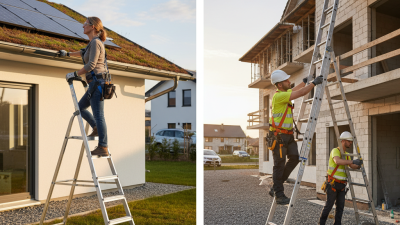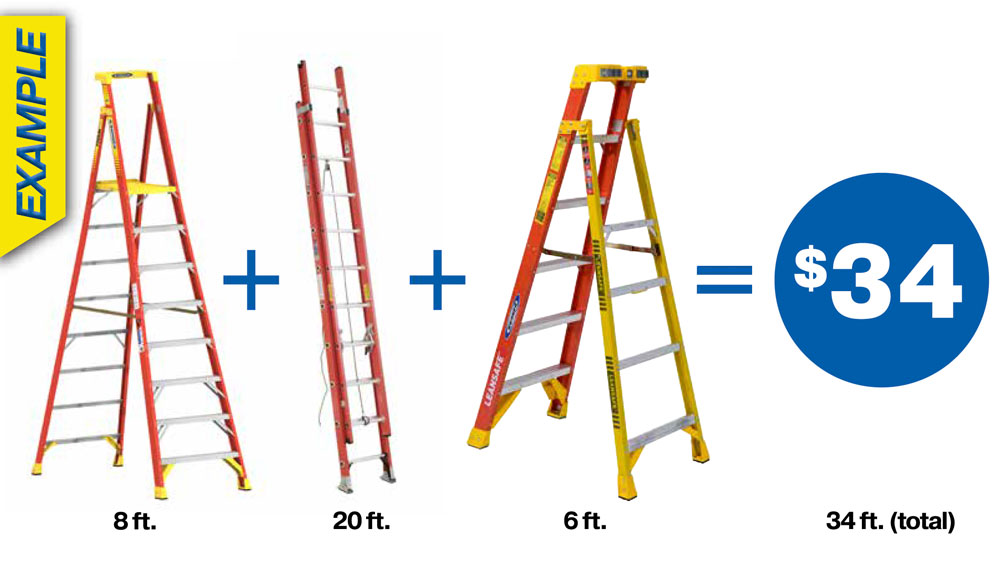
Using a step ladder safely is crucial in home projects. According to a report by the National Safety Council, falls from ladders account for over 20,000 injuries yearly in the U.S. This data emphasizes the need for proper safety measures. Experts like Tom McMillan, a ladder safety consultant, have noted, "A secure ladder can redefine how you approach DIY tasks."
Choosing the right step ladder enhances efficiency and reduces risks. There's a variety of ladders available, and understanding their specifics is essential. Some people often overlook the ladder's stability or the appropriate height for tasks. These oversights can lead to accidents, which is disheartening because safety should always come first. Awareness of your equipment is integral.
Furthermore, often it's tempting to rush through projects, compromising safety for speed. This mentality can result in unnecessary injuries or setbacks. By taking time to properly set up a step ladder, DIY enthusiasts can ensure not only their safety but also a more successful outcome in their home endeavors.
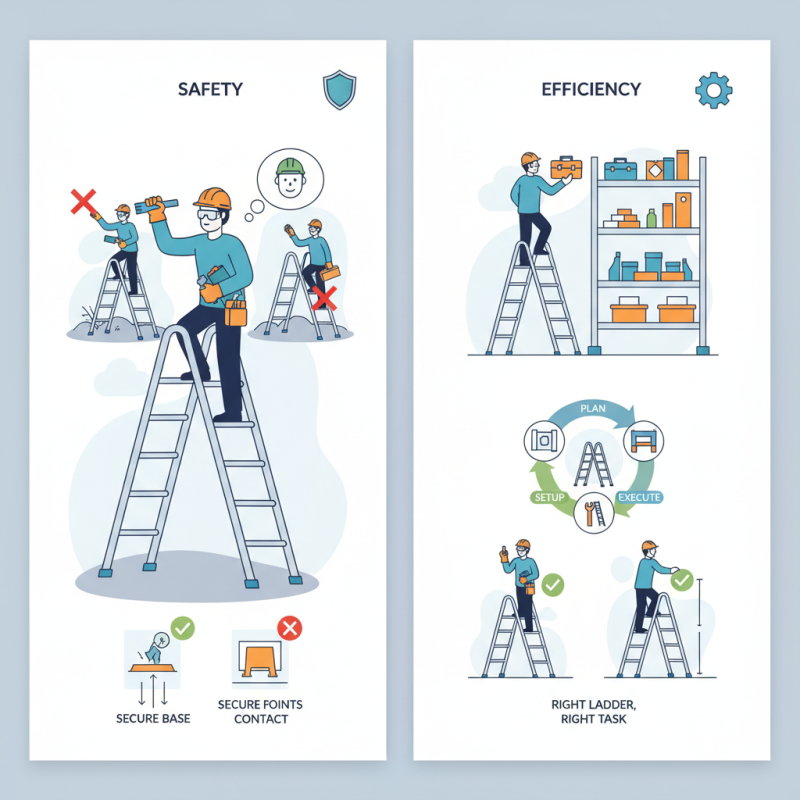
When selecting a step ladder for home projects, various factors come into play. The American National Standards Institute (ANSI) states that ladders are rated based on their load capacity. Knowing this helps ensure safety. For example, a Type I ladder can hold up to 250 pounds, while a Type II supports up to 225 pounds. Choosing the right type matters for efficiency and safety.
Consider the height you'll need to reach. Ladders come in different heights. A step ladder typically ranges from 4 to 8 feet. However, some projects might require more reach. A tall ladder might feel intimidating, especially for DIY novices. Ensure it’s stable. Statistics show that falls from ladders account for over 20% of all construction-related injuries. That’s a staggering number.
Material is another key point. Aluminum ladders are light but might bend under heavy weight. Wooden ladders, while sturdier, can be heavier and less portable. Reflect on your project's demands. Lightweight ladders are easier to maneuver but may not offer the same stability as heavier options. It’s essential to strike a balance between weight and sturdiness. Always remember: neglecting these details can lead to injuries and wasted effort.
Choosing the right ladder is crucial for safety and efficiency. Ladder ratings indicate the maximum load capacity. Understanding these ratings helps prevent accidents. A Type 1 ladder supports up to 250 pounds. Type 1A can handle 300 pounds, while Type 1AA reaches 375 pounds. These ratings include the user's weight and any tools or materials. Always check the label before using a ladder.
Using a ladder exceeding its load capacity is a common mistake. This can lead to falls or damaging the ladder itself. It’s important to consider your weight and gear combined. Moreover, if you feel unstable while on the ladder, consider stepping down and reassessing. It’s better to be safe than sorry. Even experienced DIYers can overlook these details. Regularly inspect your ladder for damage, like cracks or rust, which can compromise safety.
In home projects, think about the job's nature. Some tasks require a more robust ladder. A lightweight ladder may not fit heavy-duty tasks. Balance is key—ensure the ladder is on firm ground. Remember, no project is worth the risk of injury. Proceed with caution and respect these safety measures.
| Ladder Type | Load Capacity (lbs) | Recommended Use | Safety Tips |
|---|---|---|---|
| Type I | 250 | Residential or light commercial | Ensure proper setup, avoid overreaching |
| Type II | 225 | Household tasks | Do not exceed load limit, inspect before use |
| Type III | 200 | Light tasks | Use on stable ground, avoid heavy loads |
| Extension Ladder | 300 | High access work | Secure at the base, maintain angle |
| Platform Ladder | 300 | Professional use | Use safety harness when needed |
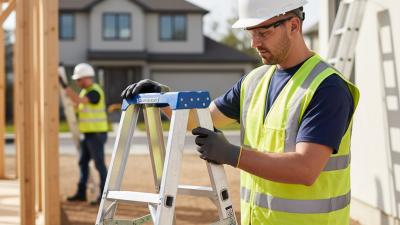
When tackling home projects, ensuring safety while using ladders is paramount. Proper safety gear can significantly reduce risks. Always wear a hard hat to protect your head. Non-slip shoes provide traction while climbing. Moreover, using safety glasses keeps debris out of your eyes. Small items matter.
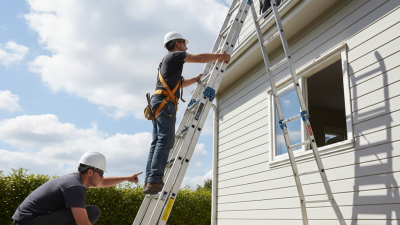
Before starting, inspect your ladder for any damage. Look for cracks or loose rungs. Set the ladder on a stable surface, ideally on flat ground. Ensure it's at the right angle—one foot away from the wall for every four feet of height. Use a spotter if needed, especially when balancing or reaching.
Remember, complacency can lead to accidents. Don’t rush your work. If something feels off, stop and reassess. Your safety is worth the pause. While on the ladder, maintain three points of contact. This ensures stability and prevents falls. Small adjustments in your technique can make a big difference.
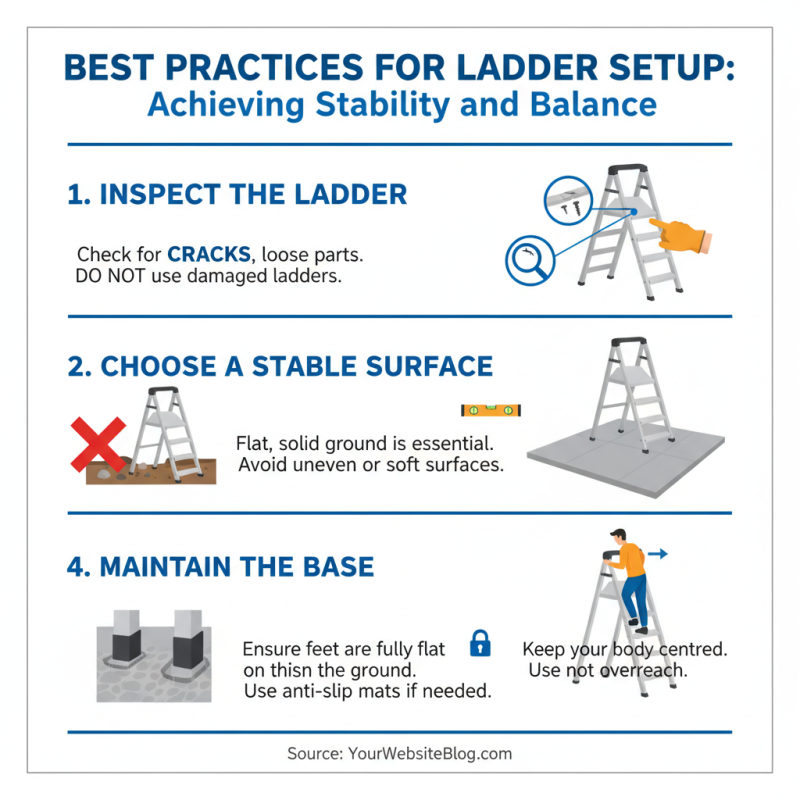
Setting up a step ladder properly is crucial for safety and efficiency. Begin by inspecting the ladder before using it. Look for any cracks or loose parts. A damaged ladder can lead to accidents. Place the ladder on a flat, stable surface. Uneven ground can shift the ladder, increasing the risk of falls.
When setting up the ladder, make sure the feet are firmly planted. The ground should be dry and free from debris. Adjust the angle for better stability. Ideally, the ladder base should be one foot away from the wall for every four feet of height. This simple rule can prevent dangerous slips.
Always maintain three points of contact when climbing. This means two hands and one foot, or two feet and one hand must touch the ladder at all times. Avoid reaching too far to one side. It’s easy to lose your balance, especially when distracted. Sometimes, it’s worth the extra time to reposition the ladder for a safer working position.
Using a ladder can be daunting. Many underestimate the risks involved. A common mistake is neglecting to check your ladder before use. Look for loose rungs or signs of wear. It can be easy to overlook these details. Safety should always come first.
Another frequent error is setting the ladder on an unstable surface. This leads to accidents. Make sure the ground is level and firm. Adjusting your ladder's angle also matters. A too steep or too shallow angle can result in falls. Sometimes, we focus on reaching the top and forget the basics.
Climbing too high on a ladder is a common misstep. It may seem harmless, but it increases the risk. Stick to the guidelines provided for safe usage. Keeping your body centered and balanced is crucial. Remember, working with a partner can enhance safety. They can help stabilize the ladder while you work.
This bar chart illustrates common mistakes made during home projects that affect ladder safety and efficiency. The data highlights the percentage of individuals who reported each mistake, emphasizing the need for awareness and proper practices.

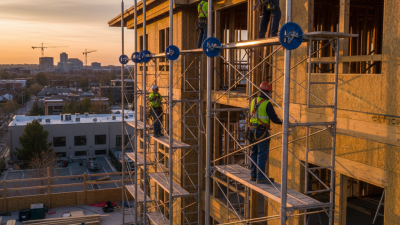
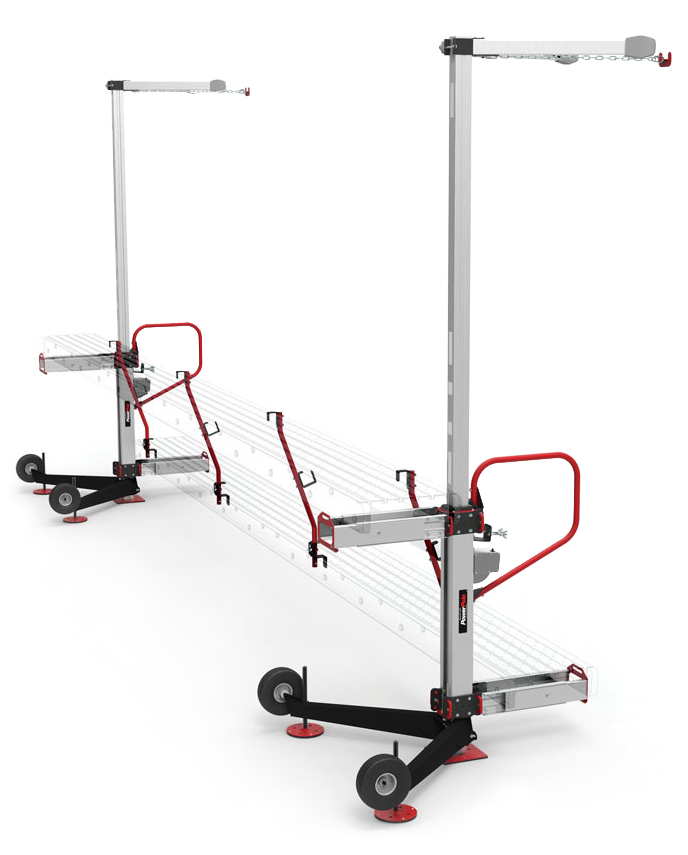
With the ReechCraft PowerPole, traditional scaffolding and pump jack systems are a thing of the past. Our streamlined design gains you access between buildings, on rooftops, around landscaping, and more. The PowerPole is perfect for contract work on residential areas.

Don't miss our WernerCo Sfety and Demo Day BBQ
June 23rd, 2022 from 10am - 2pm
Chance to win giveaways
Cookout from 10am - 2pm
Werner fall protection and Weatherguard Specialists on site to answer any questions and perform safety and product demonstrations.