Let Nationwide Ladder & Equipment Help You Find What You Need.

2026 Top Ladder Safety Tips to Prevent Accidents and Injuries

Ladders are essential tools in various workplaces and homes. However, ladder safety should never be taken for granted. Many accidents occur due to simple mistakes. It is alarming how easily injuries can happen when the proper precautions are not taken. Each year, thousands suffer from falls. These incidents often stem from carelessness.

Implementing effective ladder safety practices is crucial. Checking the ladder's condition is the first step. Make sure it is stable and free from damage. Moreover, using the right ladder for the job can make a significant difference. Choose a ladder that suits your height and weight needs. Many still ignore these basic yet vital steps.

Recognizing the importance of ladder safety should be a priority. No one wants to face the consequences of an accident. The pain and suffering that follow can be devastating. Let's reflect on our actions and ensure everyone’s well-being. By following essential safety tips, we can minimize the risks and protect ourselves.
2026 Top Ladder Safety Tips to Prevent Accidents and Injuries

Understanding Ladder Safety: Importance and Statistics Behind Falls
2026 Top Ladder Safety Tips to Prevent Accidents and Injuries

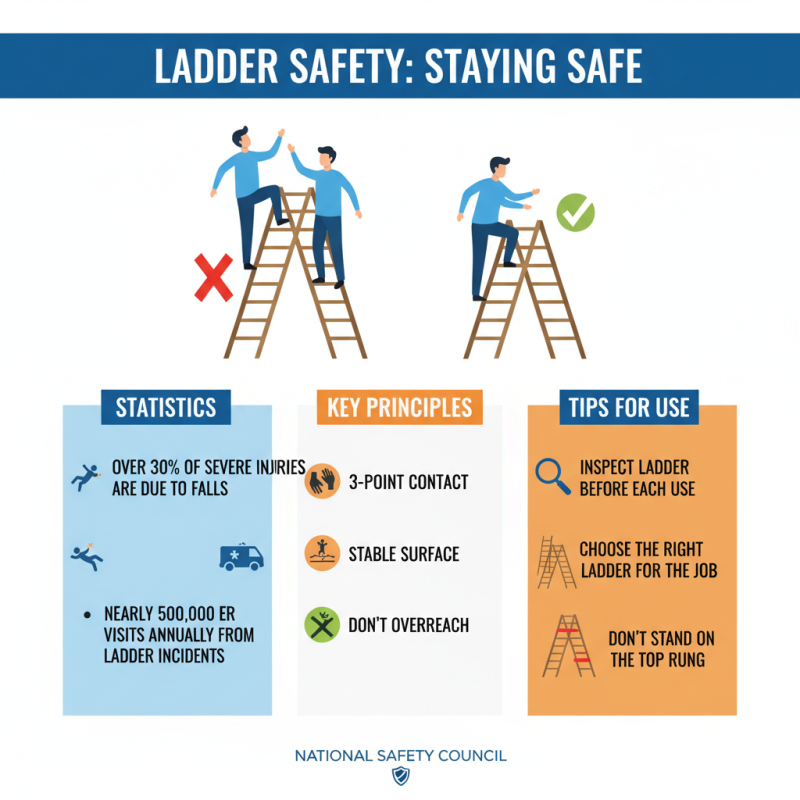
Ladder safety is a critical issue. According to the National Safety Council, falls account for over 30% of all severe injuries each year. In many cases, these falls happen while using ladders. It's concerning that nearly 500,000 emergency room visits are tied to ladder-related injuries annually in the United States. Proper understanding of ladder safety can significantly reduce these incidents.

Statistics reveal that most ladder accidents arise from incorrect usage. A lack of training often leads to poor decision-making. For instance, positioning a ladder on an uneven surface increases the risk of tipping. Moreover, many users fail to inspect their ladders before use. Research shows that broken rungs or faulty mechanisms lead to numerous injuries. It’s imperative to check the condition of your ladder regularly, yet many overlook this crucial step.

Awareness of personal limits is essential too. Many accidents occur because users overreach or take risks. A staggering 70% of ladder injuries are a result of falls when users stretch beyond their safe working zone. This highlights the need for better education. Understanding the basic principles of ladder safety is not just important; it can be life-saving. Emphasizing the importance of adhering to safety guidelines can bridge the gap in ladder-related accidents.
Identifying Common Ladder Hazards: Types and Prevention Strategies

Ladder safety is crucial for preventing accidents and injuries. According to the National Institute for Occupational Safety and Health (NIOSH), falls from ladders cause thousands of injuries each year. Understanding common ladder hazards is the first step in prevention. Many accidents stem from improper setup. A ladder placed on unstable ground can easily tip over. Always check your surroundings before you climb.

Another significant hazard is choosing the wrong ladder type. For instance, using a step ladder for tasks that require an extension ladder can lead to dangerous situations. According to the Occupational Safety and Health Administration (OSHA), nearly 20% of ladder-related injuries occur due to a fall from the top rung. It’s essential to use the correct ladder for your task, ensuring the right height and stability.

Additionally, lack of training contributes to ladder dangers. Many workers do not receive proper instruction on ladder safety. A report from the Bureau of Labor Statistics indicates that improper use is a common factor in over 50% of ladder injuries. It is vital to invest time in training and to perform regular safety audits. Small adjustments can make a significant difference. Remember, safety is not an option; it is a necessity.

Proper Ladder Selection: Choosing the Right Type for the Job

2026 Top Ladder Safety Tips to Prevent Accidents and Injuries

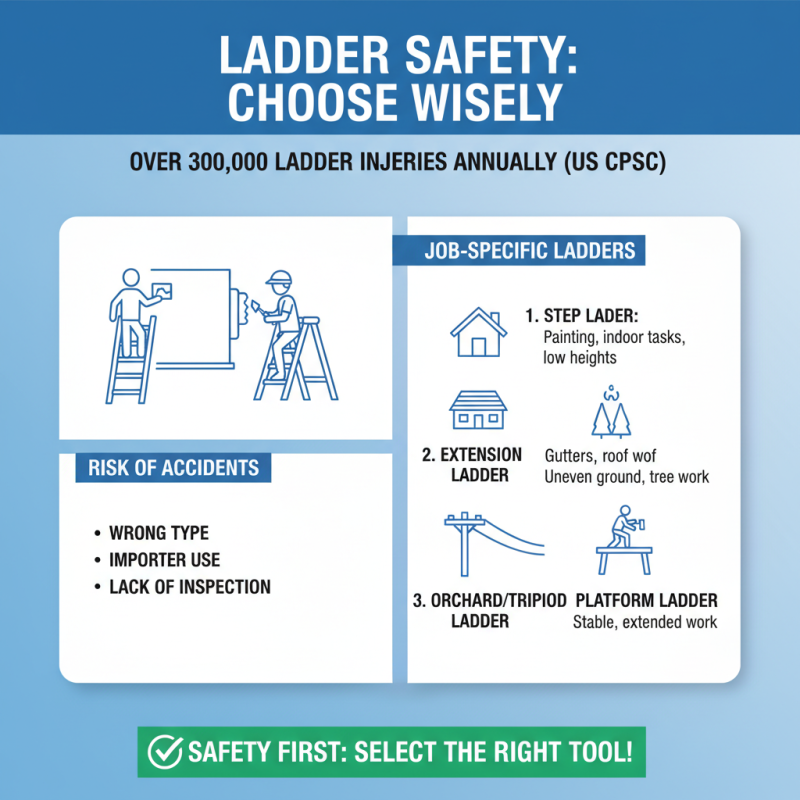
Selecting the right ladder for a specific job is essential for safety. According to the U.S. Consumer Product Safety Commission, over 300,000 ladder-related injuries occur annually. This statistic highlights the importance of proper ladder selection. Different jobs require different ladders. Using the wrong type increases the risk of accidents.

Extension ladders are great for taller tasks, but they require space. A stepladder is convenient for lower areas. However, if the ladder is too short, workers may overreach. This can lead to falls. Studies show that 70% of ladder falls happen when users are improperly positioned.

Weight capacity is another crucial factor. Know the ladder's rating. A ladder rated for 225 pounds does not mean it can hold 225 pounds with tools. Overloading is common. This oversight can lead to serious injuries. A careful choice can reduce risks significantly. Always assess the work site before selecting a ladder.

Safe Ladder Setup and Use: Best Practices for Stability and Balance

Ladder safety is critical for anyone who works at heights. Statistics show that falls from ladders cause over 20,000 injuries annually in the United States alone. Proper ladder setup and use can significantly reduce these risks. Always inspect your ladder before use. Look for cracks or damage. This step is often overlooked but essential.

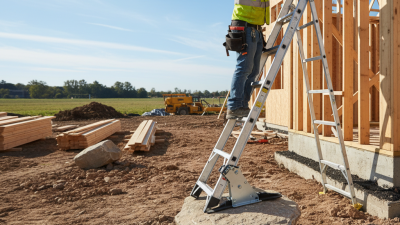
When setting up a ladder, place it on a stable surface. Uneven ground can lead to accidents. Use a 4:1 ratio for the ladder angle. For every four feet of height, the base should be one foot away from the wall. This ensures better stability. Additionally, never exceed the ladder's weight limit. Many accidents happen because users ignore this crucial guideline.

Balance is key. When climbing, maintain three points of contact. Use both hands and your feet for secure movement. Avoid reaching too far while on the ladder. This creates a risk of falling. It’s easy to feel confident, but overreaching can lead to sudden slips. Reflect on these practices; they might save a life.

Regular Ladder Maintenance: Ensuring Safety Through Inspections and Repairs

Regular ladder maintenance is crucial to ensure safety during use. Inspect your ladder before every use. Check for loose rungs, damaged hinges, or any signs of wear. Pay attention to the locks and make sure they function properly. A simple visual inspection can prevent major accidents.

Cleaning your ladder is also vital. Dirt and grime can obscure any potential issues. Keep the ladder dry and store it in a safe place. Look for rust or corrosion after use. These small details can make a big difference. If you notice any damage, consider if it's repairable or if it's time to replace it.

Don't wait until it's too late. Schedule regular maintenance checks. Involving someone else for a second opinion can be helpful. Reflect on your routine. Are you truly thorough with your inspections? Overconfidence can lead to oversights. Keep your safety and the safety of others as a priority.

2026 Top Ladder Safety Tips to Prevent Accidents and Injuries

Tip Number Safety Tip Description Maintenance Frequency Inspection Checklist
1 Check for Damage Inspect for cracks, bends, and signs of wear. Before each use Visual inspection
2 Clean Ladder Remove debris and dirt to maintain grip. Weekly Rinse and inspect for residue
3 Test Stability Ensure ladder is firmly positioned and stable before use. Before each use Check surface and level
4 Inspect Rungs Ensure all rungs are secure and not loose. Monthly Check for tightness and damage
5 Lubricate Moving Parts Ensure smooth operation of extension and folding mechanisms. Every 6 months Apply appropriate lubricant
TOP
Nation Wide Ladder

Nation Wide Ladder