
NATION WIDE LADDER & EQUIPMENT
NH: 603-434-6911MA: 508-754-3030ME: Regular weekly deliveries from NH
- Home
- Blog
Let Nationwide Ladder & Equipment Help You Find What You Need.
Top 10 Ladder Safety Tips You Need to Know?
Ladder safety is a critical concern for both workers and homeowners. According to the Occupational Safety and Health Administration (OSHA), falls from ladders account for around 20% of all workplace fatalities. This statistic highlights the importance of adhering to ladder safety protocols. Missteps can lead to severe injuries or even death, making awareness paramount.
Proper ladder usage is essential to prevent accidents. The National Institute for Occupational Safety and Health (NIOSH) states that improper positioning and overreaching are common causes of ladder-related accidents. Inadequate training contributes to these risks. Ensuring that individuals understand how to use ladders safely can significantly reduce these statistics.
Despite knowing the risks, many people still neglect ladder safety. Familiarity can breed complacency. Regular reminders and education are crucial in maintaining a culture of safety. This article presents the top ten ladder safety tips everyone should know, empowering users to create a safer environment. Do not underestimate the importance of these guidelines; even small lapses can lead to harmful consequences.

Table of Contents
[Hide]
Understand the Different Types of Ladders and Their Uses
Ladders come in various types, each catering to specific tasks. Understanding these differences is vital for safety. Extension ladders are common for higher tasks. They can reach roofs or tall trees. However, they require a sturdy base and stable footing. Be mindful of positioning. If the ground is uneven, the ladder may shift.
Step ladders are perfect for indoor use, such as changing light bulbs or painting low walls. They provide stability but should never be used on uneven surfaces. Some users ignore weight limits. This can lead to accidents. Use the ladder according to its specifications.
Multi-purpose ladders can transform and adapt. They are versatile, serving as both step and extension ladders. However, this flexibility can create confusion. Users may not understand how to use them safely. Always review the instructions before climbing. Each ladder type has strengths and weaknesses. A clear understanding will reflect your safety awareness.
Choose the Right Ladder for Your Specific Task
Choosing the right ladder is critical for safety during any task. Different types of ladders serve specific purposes. For example, extension ladders are ideal for reaching high places, while step ladders work well for indoor projects. Consider the task at hand before selecting a ladder. Evaluate the height you need, the weight it must support, and the work environment. A ladder that isn’t suited for your needs can lead to accidents.
Weight capacity is another vital aspect to consider. A ladder that cannot support the user and their tools can be hazardous. Check the manufacturer’s guidelines for maximum load. If the task requires additional gear, opt for a ladder with a higher weight capacity. Think about the ladder's material too. Aluminum ladders are lightweight but conduct electricity. Fiberglass is non-conductive and often more durable. Your choice should reflect the specific situation you are facing.
Before use, inspect your ladder for any damage. Look for cracks, missing rungs, or loose components. A small flaw can lead to significant accidents. Even with the right ladder, proper setup matters. Ensure the base is stable and the ladder is positioned at the correct angle. Reflect on your experiences with ladders. Recognizing past errors can lead to better choices in the future and enhance overall safety.
Top 10 Ladder Safety Tips You Need to Know
| Tip Number | Safety Tip | Description |
|---|---|---|
| 1 | Choose the Right Ladder | Select a ladder that fits the height and weight requirements of the task. |
| 2 | Inspect the Ladder | Check for any damages or defects before use. |
| 3 | Set Up on Stable Ground | Ensure the ladder is placed on a flat and stable surface. |
| 4 | Maintain Three Points of Contact | Always keep two hands and one foot, or two feet and one hand, on the ladder. |
| 5 | Don’t Overreach | Keep your body centered and don’t lean out too far. |
| 6 | Use the Right Ladder Angle | Set the ladder at a 75-degree angle for optimal stability. |
| 7 | Wear Proper Footwear | Use shoes with good grip and a flat sole. |
| 8 | Don’t Use a Ladder in Bad Weather | Avoid using ladders when it’s windy, rainy, or icy. |
| 9 | Secure the Ladder | Ensure the ladder is secured to prevent slipping or tipping. |
| 10 | Get Help When Needed | Don’t hesitate to ask someone for assistance if the task requires it. |
Inspect Your Ladder Before Each Use for Safety Risks
Inspecting your ladder before each use is essential for ensuring safety. According to the National Institute for Occupational Safety and Health (NIOSH), approximately 20,000 ladder-related injuries occur each year in the United States. A significant percentage of these injuries could be prevented through regular inspections. Checking for damage, such as cracks or bent rungs, is crucial. Even small issues can lead to serious accidents.
Ensure that you also examine the ladder's stability. Look for worn-out feet, which can cause sliding on smooth surfaces. It's alarming to note that nearly 50% of ladder injuries stem from improper ladder use or lack of awareness about potential risks. Many users may overlook minor signs of wear, thinking they are insignificant. This mindset can lead to regrettable outcomes.
Finally, consider the environmental factors affecting your ladder's performance. For example, using a ladder on uneven ground increases the risk of accidents. In some cases, individuals may not recognize that their surroundings contribute to their fall risk. Taking a moment to look around can prevent these problems. Each inspection matter; your safety depends on it.
Follow Proper Climbing Techniques to Prevent Accidents
Climbing a ladder safely requires attention to technique and awareness of your surroundings. Proper body positioning can prevent accidents. Keep your body centered on the ladder. This balance helps mitigate the risk of falls. Avoid leaning out too far. If you need to reach, move the ladder closer instead.
Work carefully with your hands and feet. Use one hand to maintain three-point contact. This could mean two hands and one foot or two feet and one hand. It gives you stability. Be mindful of your foot placement. Ensure the rungs are clean and dry to prevent slipping.
Pay attention to your footwear. Non-slip shoes are essential for traction. Avoid loose clothing that might catch on the ladder. If you feel tired or unsteady, it’s best to pause. Reflect on your energy level and assess whether it’s safe to continue working at height. Climbing should never feel rushed or immaterial.
Top 10 Ladder Safety Tips You Need to Know
This bar chart illustrates the importance of following proper climbing techniques to prevent accidents. Each tip reflects the significance of ladder safety practices based on a survey among safety professionals.
Secure the Ladder Properly for Stability and Support
Securing a ladder properly is vital for ensuring stability and support. When positioning the ladder, always place it on a flat, stable surface. Uneven ground can lead to accidents. It's important to inspect the area around the ladder for any obstacles. Clear away debris or tools that could cause someone to trip.
Use the three-point contact rule when climbing. This means you should always have two hands and one foot, or two feet and one hand, in contact with the ladder. When you’re on the ladder, keep your body centered. Leaning too far can compromise your balance. Choose the right ladder height for your task. A ladder that is too short can force you to overreach. This, again, increases the risk of falling.
Before you start, double-check that the ladder is fully extended and locked in position. Some might forget this step in the rush to get the job done. A ladder that isn’t fully secured can slip unexpectedly. Periodically check your grip while on the ladder. This simple action can make a significant difference in maintaining your stability. Always prioritize safety over speed.
Related Posts
-
2026 Best Ladder Safety Tips for Home and Professional Use?
-

10 Best Ladder Safety Training Tips for a Safer Work Environment?
-
2026 Top Ladder Safety Tips to Prevent Accidents and Injuries
-
The Ultimate Guide to Choosing the Best Ladder Stabilizer?
-

Best Werner Ladders for Global Buyers in 2026?
-
How to Choose the Right Werner Ladders for Your Needs?
What Can We Help You With?
CALL NOW TO ORDER
NH: 603-434-6911MA: 508-754-3030ME: Regular weekly deliveries from NH
CALL NOW TO ORDER
NH: 603-434-6911MA: 508-754-3030ME: Regular weekly deliveries from NH




















Featured Product

Streamlined. Safe. Flexible.
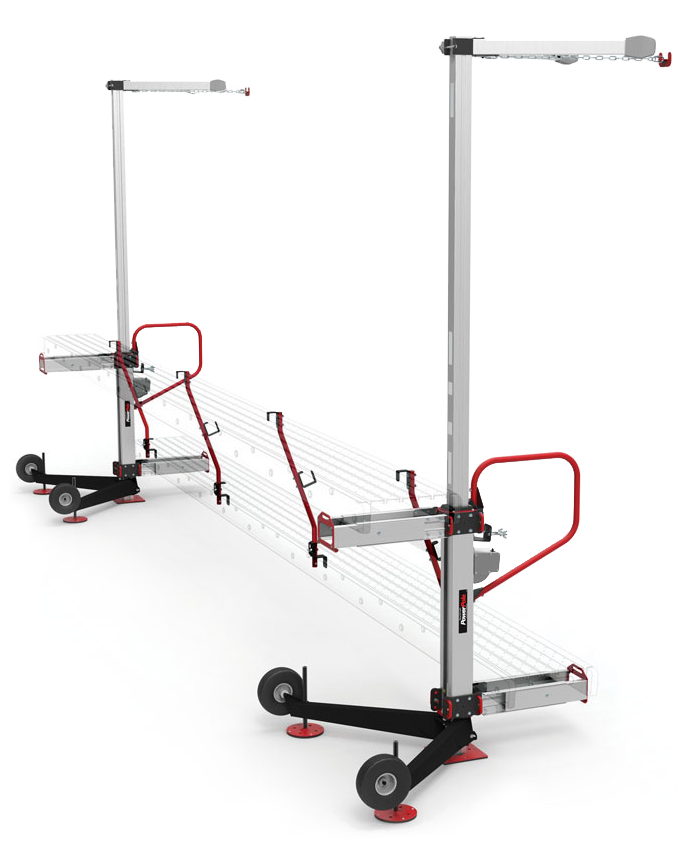
With the ReechCraft PowerPole, traditional scaffolding and pump jack systems are a thing of the past. Our streamlined design gains you access between buildings, on rooftops, around landscaping, and more. The PowerPole is perfect for contract work on residential areas.
See Products & Accessories
- ReechCraft Power Pole
- ReechCraft 4022465 – 10 in. x 10 in. Base Foot
- ReechCraft Platform Support
- ReechCraft 4022179 – Platform Support with PowerLatch Connector
- ReechCraft PowerLatch Assembly
- ReechCraft 4022084 – PowerPole 12 ft Pole Section
- ReechCraft 4022435 – PowerPole 6 ft Pole Section
- ReechCraft 4028334 – PowerPole Climbing Unit
- ReechCraft 4022096 – PowerPole Coupler
- ReechCraft 4022629 – PowerPole Extendable V-Brace
- ReechCraft 4022791 – PowerPole Outrigger
- ReechCraft 4022432 – PowerPole Standoff Tie
- ReechCraft 4022178 – PowerPole Super Standoff Tie
- ReechCraft 4022629 – PowerPole V-Brace
- ReechCraft 4022756 – Single Man Basket
- ReechCraft 4022071 – SpeedRail Endrail (Two-Pack)
- ReechCraft 4022765 – SpeedRail Midrail Post (Two-Pack)

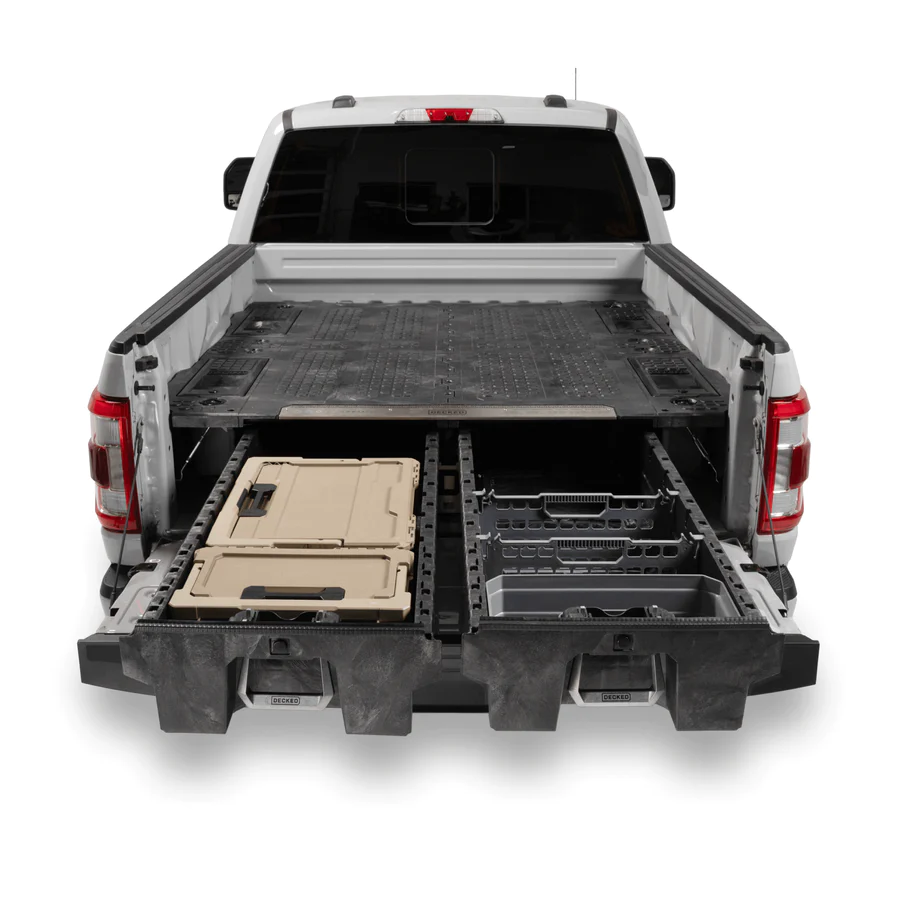
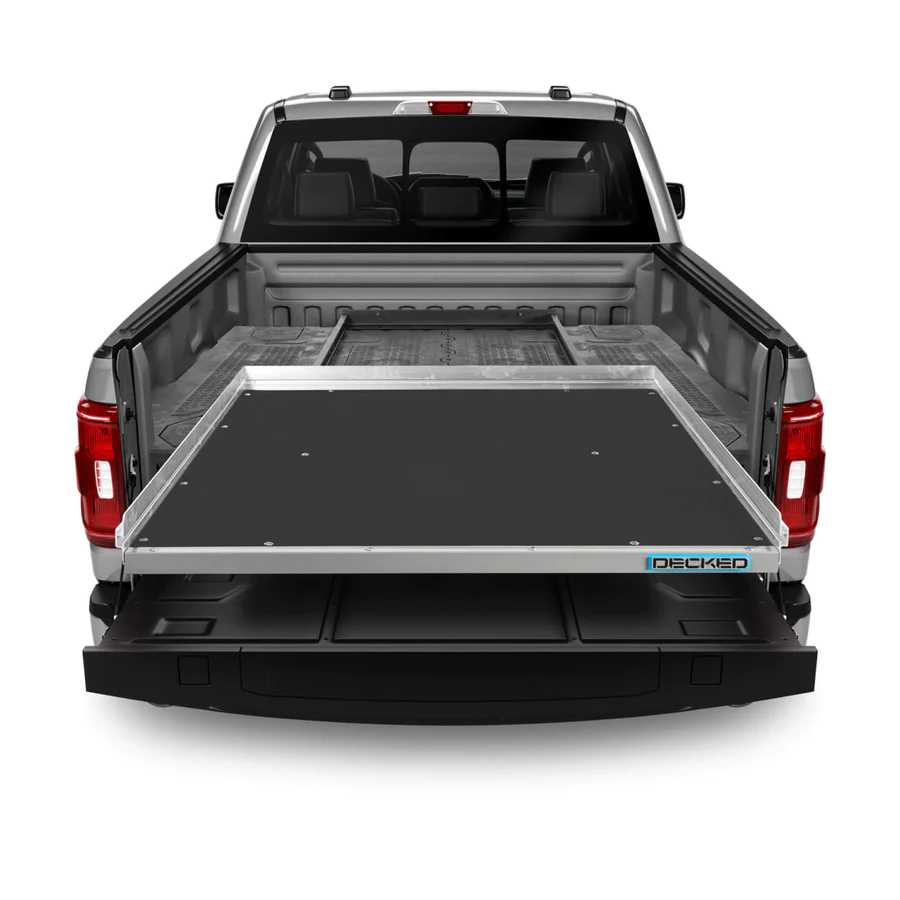
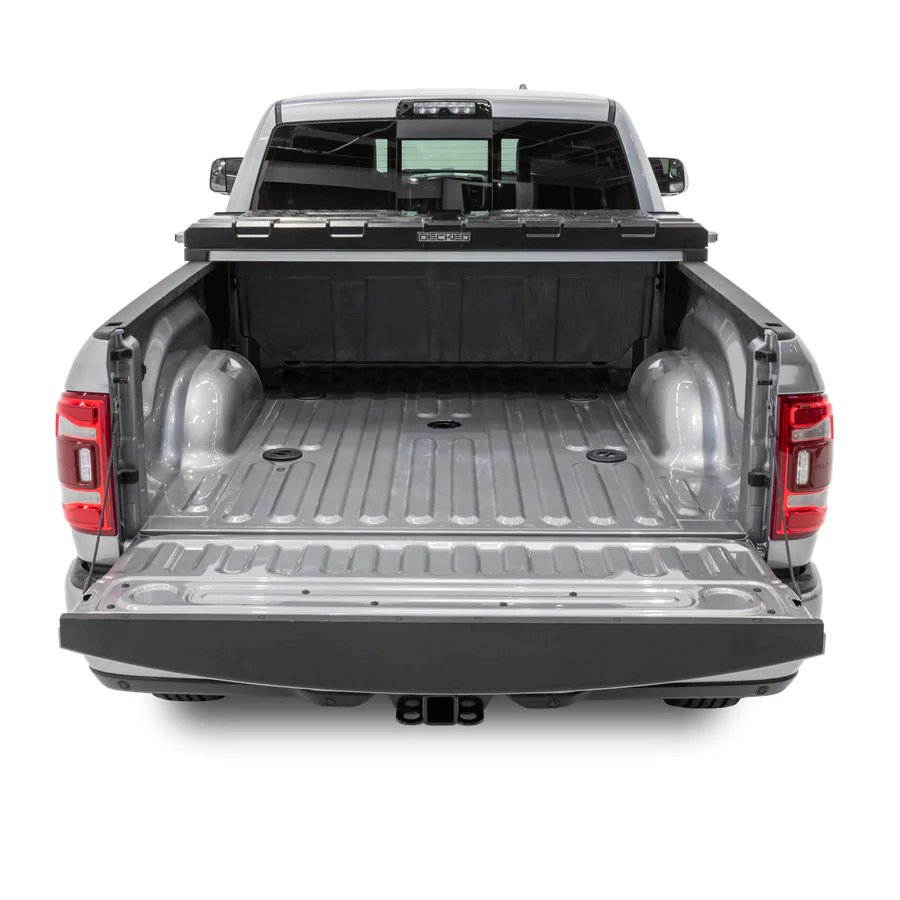
Headache Racks That Turn Heads


See Products & Accessories

June 2022 - Month Long Promotion
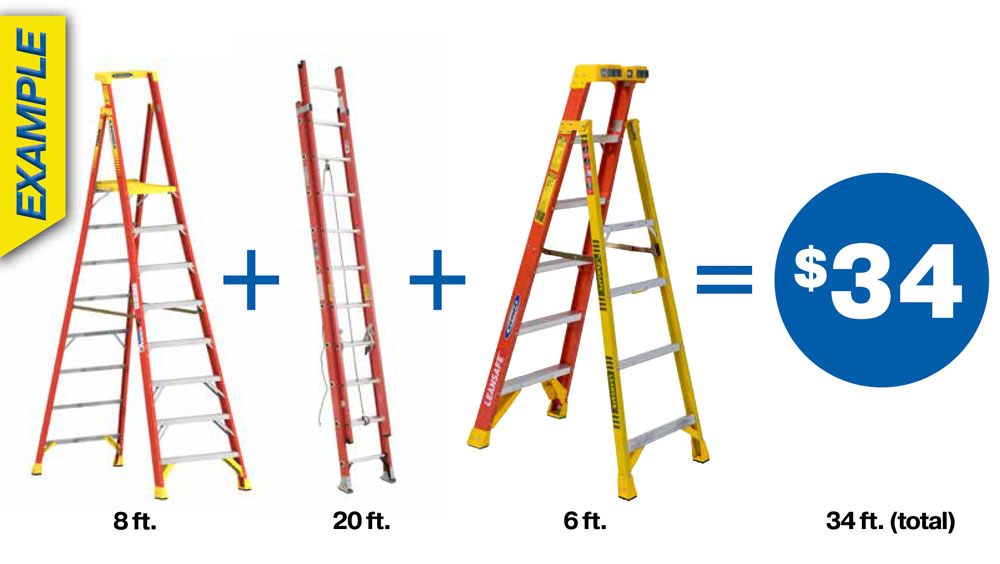
Buy any of the listed Werner ladders and get
$1 Off Per Foot
Demo and Safety Day
Don't miss our WernerCo Sfety and Demo Day BBQ
June 23rd, 2022 from 10am - 2pm
Chance to win giveaways
Cookout from 10am - 2pm
Werner fall protection and Weatherguard Specialists on site to answer any questions and perform safety and product demonstrations.

System One Modular Truck Equipment for New Hampshire, Massachusetts, Connecticut, Rhode Island, Vermont, and Maine Contractors
- Lewiston, ME
- Bar Harbor, ME
- Lexington, MA
- North Andover, MA
- East Hampton, CT
- Meredith, NH
- Concord, NH
- Bennington, VT
- Biddeford, ME
- West Fairlee, VT
- Hopkinton, RI
- Freeport, ME
- Danbury, CT
- Waterboro, ME
- Winslow, ME
- Buxton, ME
- Southington, CT
- Milford, NH
- Pownal, VT
- South Berwick, ME
- North Haven, CT
- Atkinson, NH
- Farmington, NH
- Whitingham, VT
- Pelham, NH
- Essex, VT
- Wallingford, VT
- Laconia, NH
- Narragansett, RI
- Fair Haven, VT
- Sandown, NH
- New London, NH
- Portsmouth, RI
- Haverhill, NH
- Needham, MA
- Bridgewater, MA
- Middletown, RI
- Montpelier, VT
- Barre, VT
- St. Johnsbury, VT
- Livermore Falls, ME
- Sandwich, MA
- Newport, RI
- Raymond, NH
- Tunbridge, VT
- Barnet, VT
- Brooksville, ME
- Gorham, ME
- Litchfield, ME
- Bristol, CT
- Rumford, ME
- Thompson, CT
- Dover, VT
- Westminster, VT
- Waitsfield, VT
- Torrington, CT
- Scituate, RI
- Barnstead, NH
- Lovell, ME
- Barton, VT
- Unity, ME
- Skowhegan, ME
- Groton, CT
- Northfield, VT
- Hopkinton, NH
- Limerick, ME
- Candia, NH
- Berwick, ME
- Killington, VT
- Peacham, VT
- North Hampton, NH
- Randolph, MA
- Bloomfield, CT
- Watertown, MA
- Wilmington, MA
- Methuen, MA
- Nashua, NH
- Plymouth, NH
- Newmarket, NH
- Alfred, ME
- Caribou, ME
- Weymouth, MA
- North Yarmouth, ME
- Bethel, CT
- Rocky Hill, CT
- Bristol, RI
- Sabattus, ME
- Salem, MA
- Londonderry, NH
- Chester, NH
- Westford, VT
- Stamford, CT
- Vershire, VT
- East Hartford, CT
- Norwich, CT
- Stratham, NH
- Windham, NH
- Vernon, CT
Knaack Jobsite Boxes, Chests, Cabinets, Workbenches, Field Offices, and Accessories
- Raymond, ME
- Fairfax, VT
- Presque Isle, ME
- Highgate, VT
- Norridgewock, ME
- Old Saybrook, CT
- Marblehead, MA
- Nashua, NH
- Mashpee, MA
- Auburn, NH
- Bowdoin, ME
- Milford, CT
- Bolton, CT
- Mendon, VT
- Dartmouth, MA
- Portland, CT
- North Haven, CT
- New Gloucester, ME
- Bourne, MA
- New Canaan, CT
- Belmont, NH
- Rutland, VT
- Fitchburg, MA
- Waterbury, CT
- Burlington, VT
- Fair Haven, VT
- Bethel, VT
- Greene, ME
- Chicopee, MA
- New London, CT
- Gloucester, MA
- Mechanic Falls, ME
- Wilmington, MA
- Fairfield, CT
- Methuen, MA
- Newport, ME
- Bakersfield, VT
- Monroe, CT
- Meriden, CT
- Prospect, CT
- Thomaston, ME
- Watertown, MA
- Winchester, ME
- Hampstead, NH
- Gilford, NH
- Pownal, VT
- Essex Junction, VT
- Lincoln, ME
- East Lyme, CT
- Tolland, CT
- Naugatuck, CT
- Dennis, MA
- Waldoboro, ME
- Derry, NH
- Bridgewater, MA
- Windham, NH
- Longmeadow, MA
- West Rutland, VT
- Warren, ME
- Coventry, RI
- Whitingham, VT
- Bow, NH
- Norway, ME
- Smithfield, RI
- Sharon, VT
- Amherst, MA
- Wells, ME
- Sabattus, ME
- Stoughton, MA
- Thetford, VT
- Tewksbury, MA
- Norwich, CT
- Rochester, VT
- Gray, ME
- Madison, ME
- Leominster, MA
- Newington, CT
- Sutton, VT
- Shelton, CT
- East Hampton, CT
- Darien, CT
- Haverhill, NH
- Houlton, ME
- Foster, RI
- Medford, MA
- Littleton, NH
- Seymour, CT
- Harrisville, RI
- Killingworth, CT
- Bellows Falls, VT
- Lunenburg, VT
- Saco, ME
- Peterborough, NH
- Frankfort, ME
- Albany, VT
- Plainville, CT
- North Kingstown, RI
Thule TracRac from the Thule TracRac Resellers New England Trusts
- South Windsor, CT
- Melrose, MA
- Manchester, CT
- Limerick, ME
- Glocester, RI
- South Portland, ME
- Brookline, NH
- Killingworth, CT
- Thompson, CT
- Groton, CT
- Montgomery, VT
- Mendon, VT
- Derby, VT
- Newington, CT
- Somersworth, NH
- West Haven, CT
- Merrimack, NH
- Bellows Falls, VT
- South Berwick, ME
- Gorham, ME
- Marblehead, MA
- Hudson, MA
- Alton, NH
- Jericho, VT
- Simsbury, CT
- Skowhegan, ME
- Plaistow, NH
- North Andover, MA
- Camden, ME
- Brookfield, CT
- Vergennes, VT
- Pittsfield, ME
- Hartford, VT
- Sanford, ME
- Swanzey, NH
- Kingston, NH
- Alfred, ME
- Needham, MA
- West Springfield, MA
- Underhill, VT
- Middletown, CT
- Amherst, NH
- Sidney, ME
- Natick, MA
- South Kingstown, RI
- Vershire, VT
- Richmond, ME
- Quincy, MA
- Bolton, CT
- Hallowell, ME
- West Hartford, CT
- Wardsboro, VT
- Avon, CT
- Bridgeport, CT
- Sudbury, MA
- Waltham, MA
- Marion, MA
- Waterbury, CT
- Southbury, CT
- Vernon, CT
- Warwick, RI
- Pembroke, NH
- Leominster, MA
- Torrington, CT
- Weare, NH
- Barrington, NH
- New Bedford, MA
- Charlestown, RI
- Jefferson, ME
- Pittsfield, MA
- Newport, NH
- Madison, ME
- Providence, RI
- Brookline, MA
- South Hadley, MA
- Barnstead, NH
- Peabody, MA
- Madison, CT
- Raymond, ME
- Barre, VT
- Augusta, ME
- Belmont, MA
- Ellington, CT
- Cambridge, MA
- Claremont, NH
- Falmouth, MA
- North Yarmouth, ME
- Norridgewock, ME
- Ipswich, MA
- East Providence, RI
- Johnston, RI
- Bedford, NH
- Scituate, RI
- Huntington, VT
- Seabrook, NH
- Danville, VT
- Clinton, CT
- Eliot, ME
Purchase Alum-A-Pole Products from Nation Wide Ladder – Ladder Distributors in MA, NH, CT, ME, VT, and RI
- Providence
- Cranston
- Warwick
- Pawtucket
- East Providence
- Woonsocket
- Newport
- Central Falls
- Manville
- Harrisville
- Burlington
- Barre
- South Burlington
- Rutland
- Essex Junction
- St Albans
- Montpelier
- Winooski
- Bellows Falls
- Newport
Purchase 28 Ft Extension Ladders from Nation Wide Ladder – Ladder Distributors in MA, NH, CT, ME, VT, and RI
- Providence
- Cranston
- Warwick
- Pawtucket
- East Providence
- Woonsocket
- Newport
- Central Falls
- Manville
- Harrisville
- Burlington
- Barre
- South Burlington
- Rutland
- Essex Junction
- St Albans
- Montpelier
- Winooski
- Bellows Falls
- Newport
Purchase 40 Ft Extension Ladders from Nation Wide Ladder – Ladder Distributors in MA, NH, CT, ME, VT, and RI
- Providence
- Cranston
- Warwick
- Pawtucket
- East Providence
- Woonsocket
- Newport
- Central Falls
- Manville
- Harrisville
- Burlington
- Barre
- South Burlington
- Rutland
- Essex Junction
- St Albans
- Montpelier
- Winooski
- Bellows Falls
- Newport
Purchase 28 Ft Fiberglass Extension Ladders from Nation Wide Ladder – Ladder Distributors in MA, NH, CT, ME, VT, and RI
- Providence
- Cranston
- Warwick
- Pawtucket
- East Providence
- Woonsocket
- Newport
- Central Falls
- Manville
- Harrisville
- Burlington
- Barre
- South Burlington
- Rutland
- Essex Junction
- St Albans
- Montpelier
- Winooski
- Bellows Falls
- Newport