
NATION WIDE LADDER & EQUIPMENT
NH: 603-434-6911MA: 508-754-3030ME: Regular weekly deliveries from NH
- Home
- Blog
Let Nationwide Ladder & Equipment Help You Find What You Need.
How to Use a Pivit Ladder Tool Safely and Effectively?
When it comes to using a pivit ladder tool, safety and effectiveness are essential. Renowned safety expert John Smith emphasizes, “Using a pivit ladder tool requires attention and care.” This statement highlights the importance of understanding proper techniques and precautions.
Many people underestimate the potential hazards involved in using ladders. They may not consider factors like ladder stability and load limits. A pivit ladder tool can be versatile and helpful, but it is crucial to use it correctly. Failing to do so can lead to serious accidents.
Consider the environment where you will use the ladder. Has the ground surface been checked? Is the weather conducive for climbing? These details matter. Always ensure your ladder is in good condition. Reflecting on these aspects can make a significant difference in your safety.

Table of Contents
[Hide]
Understanding the Pivit Ladder Tool: Features and Applications
The Pivit Ladder Tool is designed for versatility. Its adjustable height makes it perfect for various tasks. From reaching high shelves to painting walls, it serves different purposes. The tool often features a sturdy base for stability. This ensures safety while working in elevated positions. The ladder is lightweight, promoting easy handling.
Using the Pivit Ladder Tool does bring challenges. For instance, improper setup can lead to accidents. Gaps in understanding its features may cause mistakes. Always ensure the ladder is on a flat surface. Check for any obstructions that may interfere with its use. Remember, familiarizing yourself with the ladder’s mechanisms is important.
Balancing on the ladder can feel uneasy. Some users might underestimate the importance of grip. A firm hold prevents slips. Think twice about your position and movements. The Pivit Ladder Tool can be a great ally. Yet, being aware of its limitations and safety measures is crucial for effective use.
Assessing Safety Standards for Ladder Use in Various Working Environments
Assessing safety standards for ladder use in various working environments is crucial for preventing accidents. A report from the American National Standards Institute (ANSI) highlights that improper ladder use contributes to 50% of ladder-related injuries. The design, condition, and usage of ladders must align with the specific tasks being performed.
In workplaces such as construction sites, employees often face limited space and unstable surfaces. A survey conducted by the Occupational Safety and Health Administration (OSHA) notes that 44% of falls from heights involve ladders. The surfaces where ladders are placed should always be sturdy. Workers often overlook this simple fact. Consider using a Pivit Ladder Tool that can adjust to uneven ground. It can significantly enhance stability, yet some users still ignore the importance of setting it up correctly.
Ladder safety also involves understanding load limits. Many fall accidents occur due to exceeding these limits. A report from NIOSH reveals that ladders are rated for specific maximum weights, including tools. Workers often misjudge this weight, leading to dangerous situations. Regular training on how to assess these limits is vital. As users, we must reflect on our ladder practices. Small oversights can lead to significant risks, reminding us to prioritize safety at all times.
Best Practices for Setting Up and Maintaining the Pivit Ladder Tool
Using a Pivit Ladder Tool can greatly enhance your efficiency, but safety and maintenance are crucial. Regularly inspect the ladder for any defects. According to industry data, nearly 50% of ladder accidents occur due to equipment failure. Ensure that all moving parts function well. A worn-out ladder is an accident waiting to happen.
When setting up the Pivit Ladder Tool, it's vital to place it on a flat, stable surface. Uneven ground is a significant risk factor. Use levelers if necessary. A report by the National Safety Council indicates that proper setup can reduce accidents by up to 30%. Always maintain three points of contact while climbing. This keeps you secure and reduces the chance of falls.
Tip: Engage in regular training. Knowledge of best practices improves safety awareness. Also, clean the ladder after each use. Dirt and grime can hide cracks or weaknesses. The simple act of wiping down your equipment regularly prevents issues.
Balancing safety and usage is essential. It's natural to overlook some details. Reflect on past experiences and learn. After all, prevention is better than cure.
How to Use a Pivit Ladder Tool Safely and Effectively? - Best Practices for Setting Up and Maintaining the Pivit Ladder Tool
| Safety Tips | Setup Procedures | Maintenance Practices |
|---|---|---|
| Always inspect the ladder for damage before use. | Set the ladder on a stable, level surface to prevent slipping. | Clean the ladder regularly to remove dirt and debris. |
| Wear appropriate footwear with good grip during use. | Ensure all locks and hinges are operational before climbing. | Check for any loose screws or bolts regularly. |
| Use the ladder as intended; do not exceed the weight limit. | Position the ladder at a 75-degree angle for stability. | Store the ladder in a dry place to prevent rust and damage. |
| Never allow more than one person on the ladder at a time. | Use stable footings when setting up on uneven ground. | Inspect all components for wear and tear before use. |
Essential Safety Gear and Safety Protocols for Ladder Operations
When using a Pivit ladder tool, safety should be your top priority. Essential safety gear includes hard hats, slip-resistant footwear, and harnesses. According to the Occupational Safety and Health Administration (OSHA), improper ladder use causes over 20% of fall-related injuries. Wearing appropriate gear can significantly reduce these risks.
Before starting, ensure that your ladder is on stable ground. Inspect it thoroughly for any damages. In 2019, the National Safety Council reported that around 40% of ladder accidents occur due to equipment failure. Regular maintenance is crucial. Never overlook this step.
Also, establish a clear protocol for ladder use. Communicate effectively with your team about safe positioning and load limits. Discussions can prevent confusion. A lack of communication has led to numerous accidents. Remember, each ladder should have a designated weight limit. Ignoring these guidelines can lead to serious injuries or worse. Using a ladder safely requires diligence and constant awareness.
Safety Gear Usage for Ladder Operations
Key Statistics on Ladder Accidents and How to Prevent Them

Ladder accidents are alarmingly common. Statistics show that thousands of individuals sustain injuries each year due to falls from ladders. Many of these incidents occur because of improper use or maintenance. A staggering percentage involves individuals who fail to assess the stability of the ground beneath the ladder before climbing. Ensuring a solid surface is crucial to prevent slipping.
Education plays a vital role in ladder safety. Many people underestimate the importance of gravity. A fall from even a short height can lead to serious injuries. Proper ladder inspection is also essential. Checking for damage, like bent rungs or loose screws, can save lives. Remember, a stable ladder is your best ally.
Most accidents can be avoided with awareness and practice. Yet, some users still rush, neglecting safety protocols. This hurried approach can lead to oversights. It’s important to take your time and follow guidelines closely. Reflecting on one’s past experiences can reveal patterns of negligence. By being mindful and cautious, we can significantly reduce the risk of ladder-related accidents.
What Can We Help You With?
CALL NOW TO ORDER
NH: 603-434-6911MA: 508-754-3030ME: Regular weekly deliveries from NH
CALL NOW TO ORDER
NH: 603-434-6911MA: 508-754-3030ME: Regular weekly deliveries from NH



























Featured Product

Streamlined. Safe. Flexible.
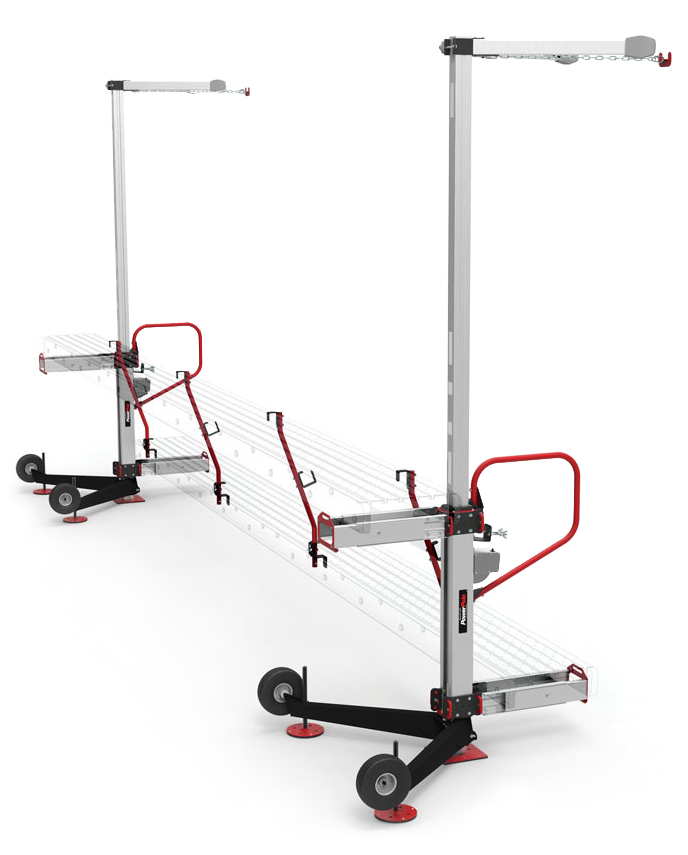
With the ReechCraft PowerPole, traditional scaffolding and pump jack systems are a thing of the past. Our streamlined design gains you access between buildings, on rooftops, around landscaping, and more. The PowerPole is perfect for contract work on residential areas.
See Products & Accessories
- ReechCraft Power Pole
- ReechCraft 4022465 – 10 in. x 10 in. Base Foot
- ReechCraft Platform Support
- ReechCraft 4022179 – Platform Support with PowerLatch Connector
- ReechCraft PowerLatch Assembly
- ReechCraft 4022084 – PowerPole 12 ft Pole Section
- ReechCraft 4022435 – PowerPole 6 ft Pole Section
- ReechCraft 4028334 – PowerPole Climbing Unit
- ReechCraft 4022096 – PowerPole Coupler
- ReechCraft 4022629 – PowerPole Extendable V-Brace
- ReechCraft 4022791 – PowerPole Outrigger
- ReechCraft 4022432 – PowerPole Standoff Tie
- ReechCraft 4022178 – PowerPole Super Standoff Tie
- ReechCraft 4022629 – PowerPole V-Brace
- ReechCraft 4022756 – Single Man Basket
- ReechCraft 4022071 – SpeedRail Endrail (Two-Pack)
- ReechCraft 4022765 – SpeedRail Midrail Post (Two-Pack)

Headache Racks That Turn Heads


See Products & Accessories

June 2022 - Month Long Promotion
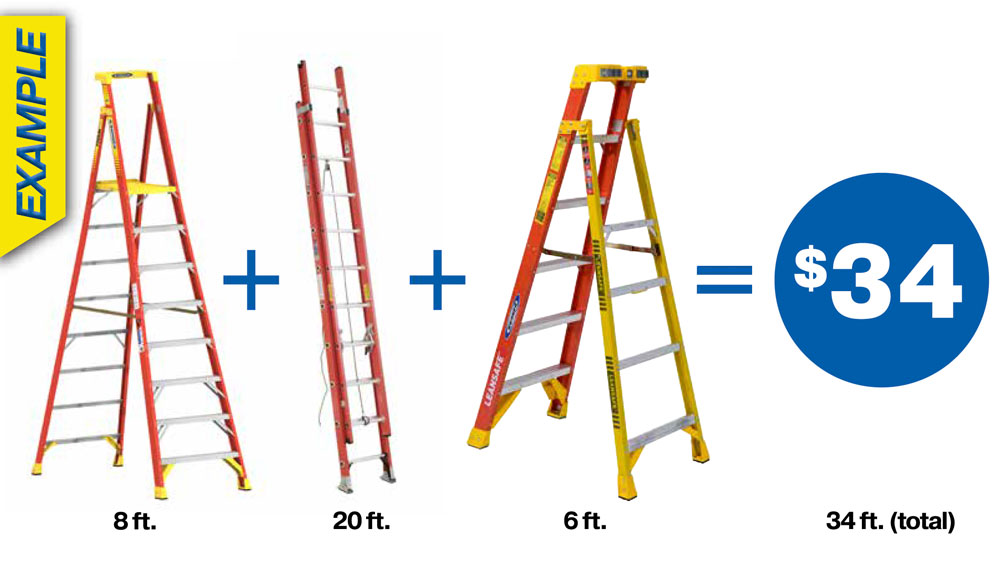
Buy any of the listed Werner ladders and get
$1 Off Per Foot
Demo and Safety Day
Don't miss our WernerCo Sfety and Demo Day BBQ
June 23rd, 2022 from 10am - 2pm
Chance to win giveaways
Cookout from 10am - 2pm
Werner fall protection and Weatherguard Specialists on site to answer any questions and perform safety and product demonstrations.

System One Modular Truck Equipment for New Hampshire, Massachusetts, Connecticut, Rhode Island, Vermont, and Maine Contractors
- Lewiston, ME
- Bar Harbor, ME
- Lexington, MA
- North Andover, MA
- East Hampton, CT
- Meredith, NH
- Concord, NH
- Bennington, VT
- Biddeford, ME
- West Fairlee, VT
- Hopkinton, RI
- Freeport, ME
- Danbury, CT
- Waterboro, ME
- Winslow, ME
- Buxton, ME
- Southington, CT
- Milford, NH
- Pownal, VT
- South Berwick, ME
- North Haven, CT
- Atkinson, NH
- Farmington, NH
- Whitingham, VT
- Pelham, NH
- Essex, VT
- Wallingford, VT
- Laconia, NH
- Narragansett, RI
- Fair Haven, VT
- Sandown, NH
- New London, NH
- Portsmouth, RI
- Haverhill, NH
- Needham, MA
- Bridgewater, MA
- Middletown, RI
- Montpelier, VT
- Barre, VT
- St. Johnsbury, VT
- Livermore Falls, ME
- Sandwich, MA
- Newport, RI
- Raymond, NH
- Tunbridge, VT
- Barnet, VT
- Brooksville, ME
- Gorham, ME
- Litchfield, ME
- Bristol, CT
- Rumford, ME
- Thompson, CT
- Dover, VT
- Westminster, VT
- Waitsfield, VT
- Torrington, CT
- Scituate, RI
- Barnstead, NH
- Lovell, ME
- Barton, VT
- Unity, ME
- Skowhegan, ME
- Groton, CT
- Northfield, VT
- Hopkinton, NH
- Limerick, ME
- Candia, NH
- Berwick, ME
- Killington, VT
- Peacham, VT
- North Hampton, NH
- Randolph, MA
- Bloomfield, CT
- Watertown, MA
- Wilmington, MA
- Methuen, MA
- Nashua, NH
- Plymouth, NH
- Newmarket, NH
- Alfred, ME
- Caribou, ME
- Weymouth, MA
- North Yarmouth, ME
- Bethel, CT
- Rocky Hill, CT
- Bristol, RI
- Sabattus, ME
- Salem, MA
- Londonderry, NH
- Chester, NH
- Westford, VT
- Stamford, CT
- Vershire, VT
- East Hartford, CT
- Norwich, CT
- Stratham, NH
- Windham, NH
- Vernon, CT
Knaack Jobsite Boxes, Chests, Cabinets, Workbenches, Field Offices, and Accessories
- Raymond, ME
- Fairfax, VT
- Presque Isle, ME
- Highgate, VT
- Norridgewock, ME
- Old Saybrook, CT
- Marblehead, MA
- Nashua, NH
- Mashpee, MA
- Auburn, NH
- Bowdoin, ME
- Milford, CT
- Bolton, CT
- Mendon, VT
- Dartmouth, MA
- Portland, CT
- North Haven, CT
- New Gloucester, ME
- Bourne, MA
- New Canaan, CT
- Belmont, NH
- Rutland, VT
- Fitchburg, MA
- Waterbury, CT
- Burlington, VT
- Fair Haven, VT
- Bethel, VT
- Greene, ME
- Chicopee, MA
- New London, CT
- Gloucester, MA
- Mechanic Falls, ME
- Wilmington, MA
- Fairfield, CT
- Methuen, MA
- Newport, ME
- Bakersfield, VT
- Monroe, CT
- Meriden, CT
- Prospect, CT
- Thomaston, ME
- Watertown, MA
- Winchester, ME
- Hampstead, NH
- Gilford, NH
- Pownal, VT
- Essex Junction, VT
- Lincoln, ME
- East Lyme, CT
- Tolland, CT
- Naugatuck, CT
- Dennis, MA
- Waldoboro, ME
- Derry, NH
- Bridgewater, MA
- Windham, NH
- Longmeadow, MA
- West Rutland, VT
- Warren, ME
- Coventry, RI
- Whitingham, VT
- Bow, NH
- Norway, ME
- Smithfield, RI
- Sharon, VT
- Amherst, MA
- Wells, ME
- Sabattus, ME
- Stoughton, MA
- Thetford, VT
- Tewksbury, MA
- Norwich, CT
- Rochester, VT
- Gray, ME
- Madison, ME
- Leominster, MA
- Newington, CT
- Sutton, VT
- Shelton, CT
- East Hampton, CT
- Darien, CT
- Haverhill, NH
- Houlton, ME
- Foster, RI
- Medford, MA
- Littleton, NH
- Seymour, CT
- Harrisville, RI
- Killingworth, CT
- Bellows Falls, VT
- Lunenburg, VT
- Saco, ME
- Peterborough, NH
- Frankfort, ME
- Albany, VT
- Plainville, CT
- North Kingstown, RI
Thule TracRac from the Thule TracRac Resellers New England Trusts
- South Windsor, CT
- Melrose, MA
- Manchester, CT
- Limerick, ME
- Glocester, RI
- South Portland, ME
- Brookline, NH
- Killingworth, CT
- Thompson, CT
- Groton, CT
- Montgomery, VT
- Mendon, VT
- Derby, VT
- Newington, CT
- Somersworth, NH
- West Haven, CT
- Merrimack, NH
- Bellows Falls, VT
- South Berwick, ME
- Gorham, ME
- Marblehead, MA
- Hudson, MA
- Alton, NH
- Jericho, VT
- Simsbury, CT
- Skowhegan, ME
- Plaistow, NH
- North Andover, MA
- Camden, ME
- Brookfield, CT
- Vergennes, VT
- Pittsfield, ME
- Hartford, VT
- Sanford, ME
- Swanzey, NH
- Kingston, NH
- Alfred, ME
- Needham, MA
- West Springfield, MA
- Underhill, VT
- Middletown, CT
- Amherst, NH
- Sidney, ME
- Natick, MA
- South Kingstown, RI
- Vershire, VT
- Richmond, ME
- Quincy, MA
- Bolton, CT
- Hallowell, ME
- West Hartford, CT
- Wardsboro, VT
- Avon, CT
- Bridgeport, CT
- Sudbury, MA
- Waltham, MA
- Marion, MA
- Waterbury, CT
- Southbury, CT
- Vernon, CT
- Warwick, RI
- Pembroke, NH
- Leominster, MA
- Torrington, CT
- Weare, NH
- Barrington, NH
- New Bedford, MA
- Charlestown, RI
- Jefferson, ME
- Pittsfield, MA
- Newport, NH
- Madison, ME
- Providence, RI
- Brookline, MA
- South Hadley, MA
- Barnstead, NH
- Peabody, MA
- Madison, CT
- Raymond, ME
- Barre, VT
- Augusta, ME
- Belmont, MA
- Ellington, CT
- Cambridge, MA
- Claremont, NH
- Falmouth, MA
- North Yarmouth, ME
- Norridgewock, ME
- Ipswich, MA
- East Providence, RI
- Johnston, RI
- Bedford, NH
- Scituate, RI
- Huntington, VT
- Seabrook, NH
- Danville, VT
- Clinton, CT
- Eliot, ME
Purchase Alum-A-Pole Products from Nation Wide Ladder – Ladder Distributors in MA, NH, CT, ME, VT, and RI
- Providence
- Cranston
- Warwick
- Pawtucket
- East Providence
- Woonsocket
- Newport
- Central Falls
- Manville
- Harrisville
- Burlington
- Barre
- South Burlington
- Rutland
- Essex Junction
- St Albans
- Montpelier
- Winooski
- Bellows Falls
- Newport
Purchase 28 Ft Extension Ladders from Nation Wide Ladder – Ladder Distributors in MA, NH, CT, ME, VT, and RI
- Providence
- Cranston
- Warwick
- Pawtucket
- East Providence
- Woonsocket
- Newport
- Central Falls
- Manville
- Harrisville
- Burlington
- Barre
- South Burlington
- Rutland
- Essex Junction
- St Albans
- Montpelier
- Winooski
- Bellows Falls
- Newport
Purchase 40 Ft Extension Ladders from Nation Wide Ladder – Ladder Distributors in MA, NH, CT, ME, VT, and RI
- Providence
- Cranston
- Warwick
- Pawtucket
- East Providence
- Woonsocket
- Newport
- Central Falls
- Manville
- Harrisville
- Burlington
- Barre
- South Burlington
- Rutland
- Essex Junction
- St Albans
- Montpelier
- Winooski
- Bellows Falls
- Newport
Purchase 28 Ft Fiberglass Extension Ladders from Nation Wide Ladder – Ladder Distributors in MA, NH, CT, ME, VT, and RI
- Providence
- Cranston
- Warwick
- Pawtucket
- East Providence
- Woonsocket
- Newport
- Central Falls
- Manville
- Harrisville
- Burlington
- Barre
- South Burlington
- Rutland
- Essex Junction
- St Albans
- Montpelier
- Winooski
- Bellows Falls
- Newport