
NATION WIDE LADDER & EQUIPMENT
NH: 603-434-6911MA: 508-754-3030ME: Regular weekly deliveries from NH
- Home
- Blog
Let Nationwide Ladder & Equipment Help You Find What You Need.
2026 How to Use a Siding Brake for Your Home Improvement Projects?
A siding brake is an essential tool for many home improvement projects. It allows for precise bending and cutting of siding materials, enhancing your home's exterior. Whether you're a DIY enthusiast or a seasoned contractor, mastering the use of a siding brake can elevate the quality of your work.
In this guide, we will explore how to effectively use a siding brake. Knowing how to set it up correctly can save you time and materials. However, many users struggle with making accurate bends. Without practice, you might end up with uneven cuts or warped edges.
Taking the time to understand the siding brake will lead to better results. You might make mistakes along the way, but those are just opportunities for improvement. Each project can teach you something new about technique and precision. Start slow, and remember that practice is key to gaining confidence.
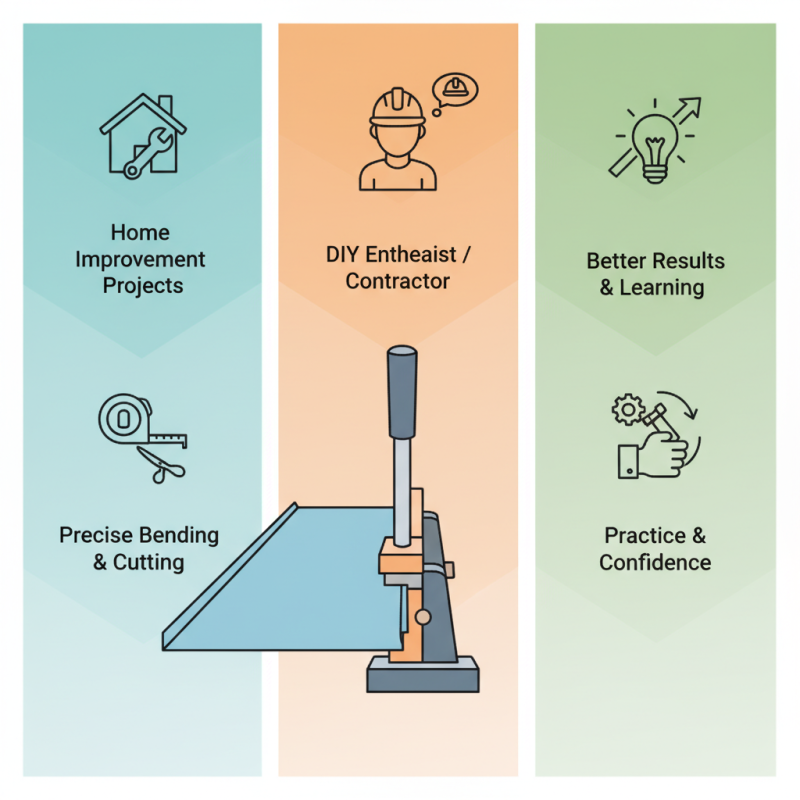
Table of Contents
[Hide]
Understanding the Basics of a Siding Brake for Home Improvement
A siding brake is an essential tool for any home improvement enthusiast. It allows for precise bending of metal materials, perfect for siding projects. Understanding its basic components is crucial. The brake consists of a bed, clamping mechanism, and bending leaf. Each part plays a vital role in achieving accurate bends.
Using a siding brake requires both skill and patience. Measure your siding accurately before cutting. It's easy to make mistakes in measurements, so double-checking is key. When handling metal, be cautious. It can be sharp and unwieldy. Practice basic bends on scrap pieces first. This can save you from wasting materials on costly errors.
Creating visually appealing siding involves more than just functionality. Think about how the colors and finishes will complement your home. Experimentation can lead to unique designs. However, not every attempt will be successful. Don’t be discouraged by mistakes; they often lead to learning opportunities. Crafting your siding is as much about the journey as the finished product.
Choosing the Right Siding Brake for Your Project Needs
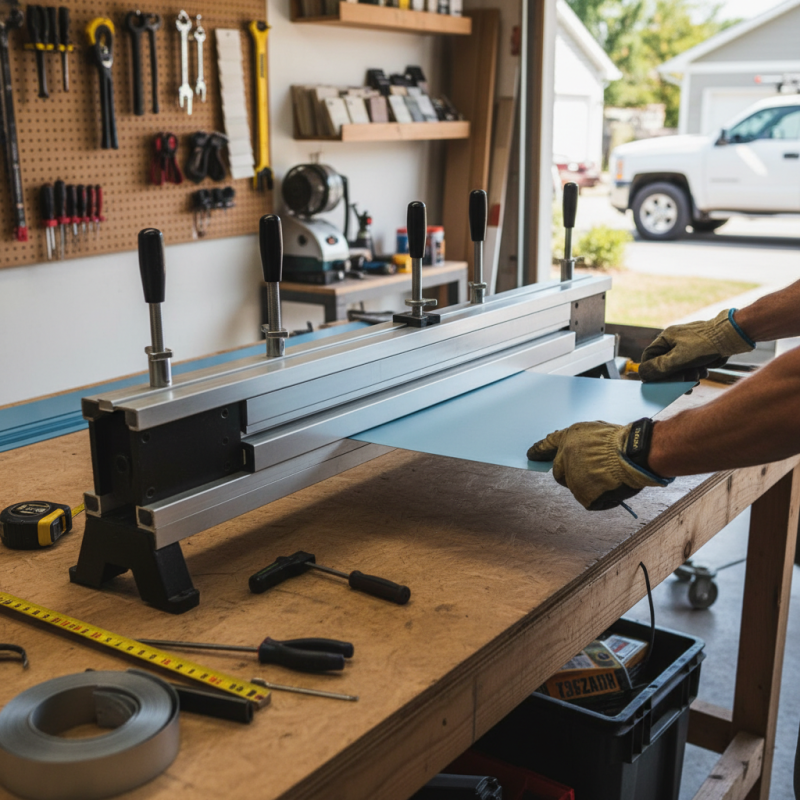
When choosing a siding brake, consider your specific project needs. A siding brake is essential for bending sheet metal, crucial in many home improvement projects. According to industry reports, homeowners who invest in the right siding brake often increase their DIY efficiency by up to 30%. This can save both time and material costs.
Material thickness is a critical factor. Many brakes can handle materials up to 0.032 inches thick. If you often work with heavier materials, a heavy-duty brake is necessary. Lightweight models may not provide the needed performance. However, they are more portable, which can be a deciding factor for some users. A mismatch between your brake and materials can lead to frustration.
It's also vital to consider the brake's size. A compact model might save space, but it may limit larger projects. Conversely, a larger brake can accommodate extensive work but may not be practical for smaller tasks. Finding that balance is essential, as every project is unique. Take time to reflect on your specific needs before making a decision. Every choice carries its own set of challenges, and learning from each project can lead to better results in the future.
Step-by-Step Guide to Operating a Siding Brake Safely
When using a siding brake, safety is paramount. A siding brake is a tool that bends metal sheets. Many home improvement projects rely on precise cuts and bends. In fact, a 2022 report by the National Association of Home Builders indicates that 70% of homeowners prioritize accurate siding installation. This requires proper equipment and technique to ensure both efficiency and safety.
Wearing protective gear is essential. Safety glasses and gloves can prevent injuries. Additionally, stabilize the siding brake on a flat surface. This reduces the risk of accidents during operation. A survey highlighted that 15% of DIY accidents happen due to improper tool handling. Take your time and ensure you understand the tool's mechanisms. Misalignment can lead to waste, and nobody wants to purchase extra materials unnecessarily.
Proper technique involves careful measurement and slow, steady movements. Avoid rushing as this can lead to errors. Review your work often; it’s okay to make adjustments. An industry study shows that nearly 30% of seasoned professionals made errors during their projects in the past year. Reflecting on mistakes helps improve future performance and hones your skills as you grow in confidence.
Techniques for Cutting and Bending Siding with a Brake
Using a siding brake can enhance your home improvement projects significantly. This tool allows for precise cutting and bending of siding materials.
When working with a brake, ensure your workspace is clean and organized. A clutter-free area boosts safety and efficiency.
For cutting siding, measure carefully. Use a straightedge before making cuts. Inaccurate measurements can lead to wasted materials.
Finding the right angle is crucial for bending siding. Place your material securely in the brake, adjusting the settings for desired bends.
Practice with scrap pieces first. It's easier to correct mistakes on these than on your final materials.
Tips: Always wear safety gear when operating tools. A simple pair of gloves can prevent minor injuries.
Check the brake's settings before starting. Incorrect adjustments can lead to disastrous results.
Remember, patience pays off with siding projects. Take your time to learn and refine your techniques.
Your hard work will show in the final outcome.
Maintaining and Troubleshooting Your Siding Brake for Longevity
Maintaining your siding brake is crucial for long-term performance. Regular cleaning can prevent dust and debris from obstructing its mechanisms. Use a soft cloth to wipe down components after each project. This step takes just a few minutes, but it can save hours of troubleshooting later.
Troubleshooting issues is part of the process. If the brake isn't bending siding correctly, check the settings. Misalignments can happen, especially after heavy use. Tighten any loose screws you find. Sometimes, a visual inspect can reveal cracks or wear that need attention. Ignoring these signs can lead to bigger problems down the line.
If rust develops on metal parts, it’s important to address it immediately. A little rust can quickly spread and damage your tool. Sanding down the affected area and applying a protective coat can halt the deterioration. Remember, your siding brake is an investment. Treat it well, and it will serve you efficiently for years to come.
2026 How to Use a Siding Brake for Your Home Improvement Projects? - Maintaining and Troubleshooting Your Siding Brake for Longevity
| Feature | Description | Maintenance Tips | Troubleshooting Common Issues |
|---|---|---|---|
| Material Compatibility | Works with aluminum, vinyl, and fiber cement siding. | Clean regularly to prevent debris buildup, which can affect performance. | If cuts are not clean, check blade sharpness and alignment. |
| Cutting Accuracy | Provides precise and straight cuts, enhancing installation quality. | Regularly calibrate the brake to maintain accuracy. | If measurements are off, recheck settings and calibrate as needed. |
| Portability | Many models are designed to be lightweight and easy to transport. | Store in a dry area to prevent rust and corrosion. | If it becomes difficult to transport, check for any loose parts or damage. |
| Safety Features | Equipped with guards and safety switches to protect users. | Inspect safety features before each use to ensure functionality. | If safety mechanisms fail, do not use the brake until repaired. |
Related Posts
-

Why Choosing the Right Extension Ladder is Essential for Your Safety?
-
How to Choose the Right Ladder Hoist for Your Needs?
-
10 Best Safety Rail Solutions for Home and Workplace Safety
-
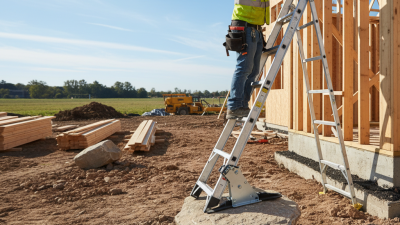
What is a ladder leveler and how does it work?
-

10 Best Ladder Safety Training Tips for a Safer Work Environment?
-

How to Use a Pivit Ladder Tool Safely and Effectively?
What Can We Help You With?
CALL NOW TO ORDER
NH: 603-434-6911MA: 508-754-3030ME: Regular weekly deliveries from NH
CALL NOW TO ORDER
NH: 603-434-6911MA: 508-754-3030ME: Regular weekly deliveries from NH


























Featured Product

Streamlined. Safe. Flexible.
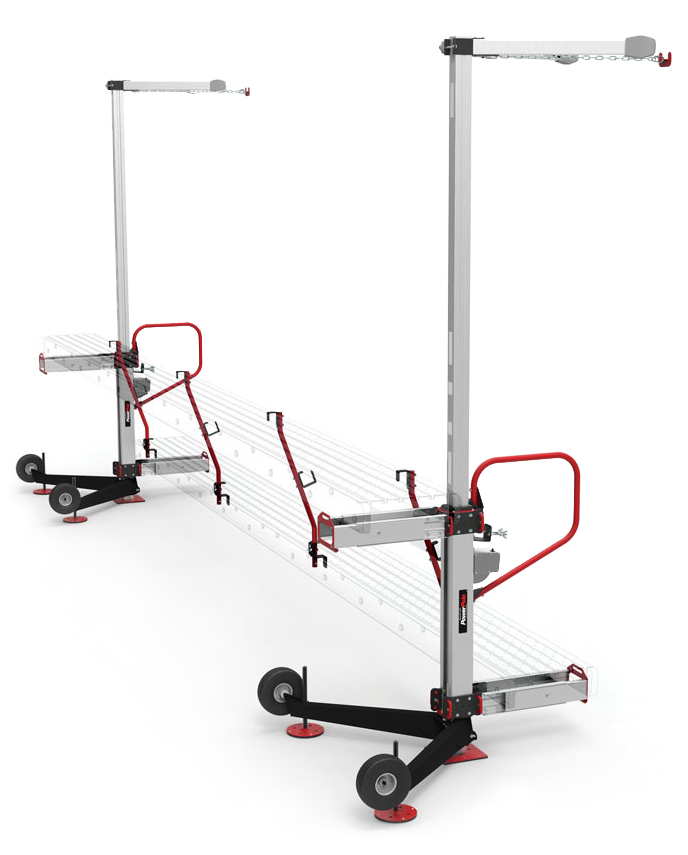
With the ReechCraft PowerPole, traditional scaffolding and pump jack systems are a thing of the past. Our streamlined design gains you access between buildings, on rooftops, around landscaping, and more. The PowerPole is perfect for contract work on residential areas.
See Products & Accessories
- ReechCraft Power Pole
- ReechCraft 4022465 – 10 in. x 10 in. Base Foot
- ReechCraft Platform Support
- ReechCraft 4022179 – Platform Support with PowerLatch Connector
- ReechCraft PowerLatch Assembly
- ReechCraft 4022084 – PowerPole 12 ft Pole Section
- ReechCraft 4022435 – PowerPole 6 ft Pole Section
- ReechCraft 4028334 – PowerPole Climbing Unit
- ReechCraft 4022096 – PowerPole Coupler
- ReechCraft 4022629 – PowerPole Extendable V-Brace
- ReechCraft 4022791 – PowerPole Outrigger
- ReechCraft 4022432 – PowerPole Standoff Tie
- ReechCraft 4022178 – PowerPole Super Standoff Tie
- ReechCraft 4022629 – PowerPole V-Brace
- ReechCraft 4022756 – Single Man Basket
- ReechCraft 4022071 – SpeedRail Endrail (Two-Pack)
- ReechCraft 4022765 – SpeedRail Midrail Post (Two-Pack)

Headache Racks That Turn Heads


See Products & Accessories

June 2022 - Month Long Promotion
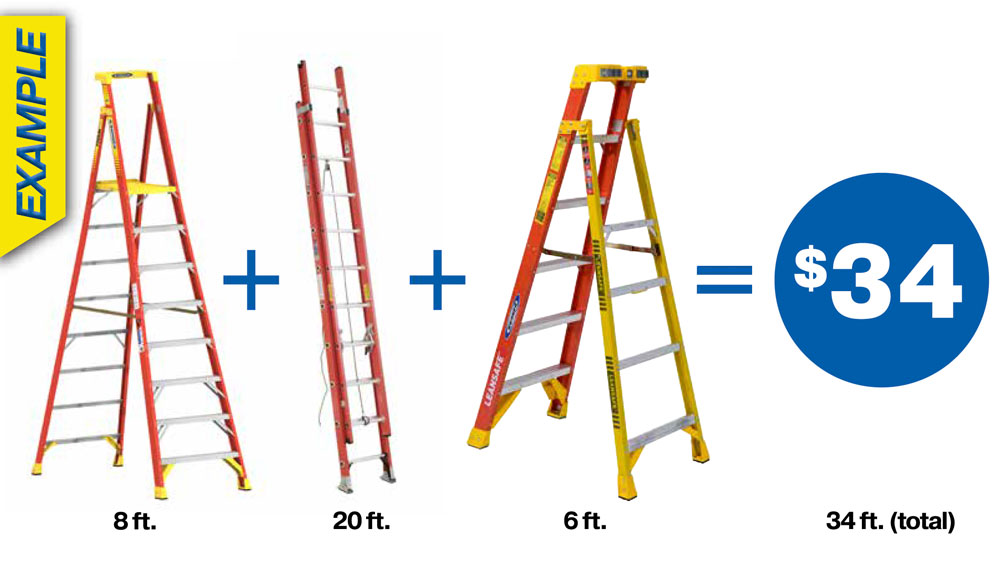
Buy any of the listed Werner ladders and get
$1 Off Per Foot
Demo and Safety Day
Don't miss our WernerCo Sfety and Demo Day BBQ
June 23rd, 2022 from 10am - 2pm
Chance to win giveaways
Cookout from 10am - 2pm
Werner fall protection and Weatherguard Specialists on site to answer any questions and perform safety and product demonstrations.

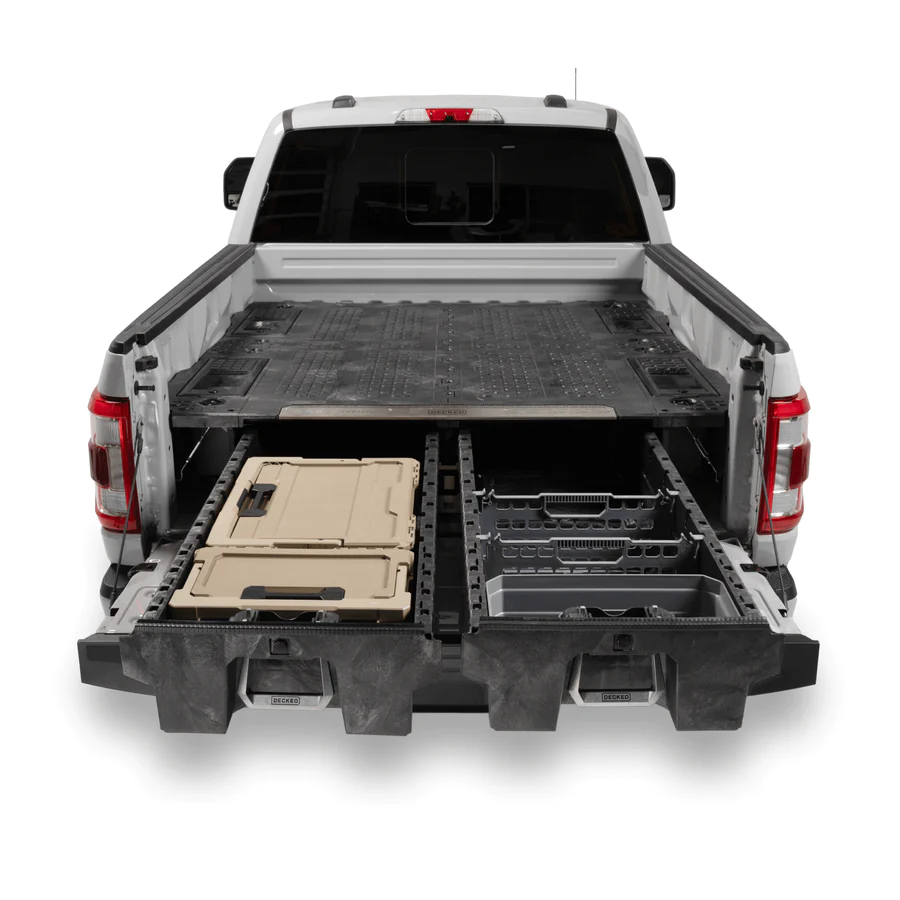
System One Modular Truck Equipment for New Hampshire, Massachusetts, Connecticut, Rhode Island, Vermont, and Maine Contractors
- Lewiston, ME
- Bar Harbor, ME
- Lexington, MA
- North Andover, MA
- East Hampton, CT
- Meredith, NH
- Concord, NH
- Bennington, VT
- Biddeford, ME
- West Fairlee, VT
- Hopkinton, RI
- Freeport, ME
- Danbury, CT
- Waterboro, ME
- Winslow, ME
- Buxton, ME
- Southington, CT
- Milford, NH
- Pownal, VT
- South Berwick, ME
- North Haven, CT
- Atkinson, NH
- Farmington, NH
- Whitingham, VT
- Pelham, NH
- Essex, VT
- Wallingford, VT
- Laconia, NH
- Narragansett, RI
- Fair Haven, VT
- Sandown, NH
- New London, NH
- Portsmouth, RI
- Haverhill, NH
- Needham, MA
- Bridgewater, MA
- Middletown, RI
- Montpelier, VT
- Barre, VT
- St. Johnsbury, VT
- Livermore Falls, ME
- Sandwich, MA
- Newport, RI
- Raymond, NH
- Tunbridge, VT
- Barnet, VT
- Brooksville, ME
- Gorham, ME
- Litchfield, ME
- Bristol, CT
- Rumford, ME
- Thompson, CT
- Dover, VT
- Westminster, VT
- Waitsfield, VT
- Torrington, CT
- Scituate, RI
- Barnstead, NH
- Lovell, ME
- Barton, VT
- Unity, ME
- Skowhegan, ME
- Groton, CT
- Northfield, VT
- Hopkinton, NH
- Limerick, ME
- Candia, NH
- Berwick, ME
- Killington, VT
- Peacham, VT
- North Hampton, NH
- Randolph, MA
- Bloomfield, CT
- Watertown, MA
- Wilmington, MA
- Methuen, MA
- Nashua, NH
- Plymouth, NH
- Newmarket, NH
- Alfred, ME
- Caribou, ME
- Weymouth, MA
- North Yarmouth, ME
- Bethel, CT
- Rocky Hill, CT
- Bristol, RI
- Sabattus, ME
- Salem, MA
- Londonderry, NH
- Chester, NH
- Westford, VT
- Stamford, CT
- Vershire, VT
- East Hartford, CT
- Norwich, CT
- Stratham, NH
- Windham, NH
- Vernon, CT
Knaack Jobsite Boxes, Chests, Cabinets, Workbenches, Field Offices, and Accessories
- Raymond, ME
- Fairfax, VT
- Presque Isle, ME
- Highgate, VT
- Norridgewock, ME
- Old Saybrook, CT
- Marblehead, MA
- Nashua, NH
- Mashpee, MA
- Auburn, NH
- Bowdoin, ME
- Milford, CT
- Bolton, CT
- Mendon, VT
- Dartmouth, MA
- Portland, CT
- North Haven, CT
- New Gloucester, ME
- Bourne, MA
- New Canaan, CT
- Belmont, NH
- Rutland, VT
- Fitchburg, MA
- Waterbury, CT
- Burlington, VT
- Fair Haven, VT
- Bethel, VT
- Greene, ME
- Chicopee, MA
- New London, CT
- Gloucester, MA
- Mechanic Falls, ME
- Wilmington, MA
- Fairfield, CT
- Methuen, MA
- Newport, ME
- Bakersfield, VT
- Monroe, CT
- Meriden, CT
- Prospect, CT
- Thomaston, ME
- Watertown, MA
- Winchester, ME
- Hampstead, NH
- Gilford, NH
- Pownal, VT
- Essex Junction, VT
- Lincoln, ME
- East Lyme, CT
- Tolland, CT
- Naugatuck, CT
- Dennis, MA
- Waldoboro, ME
- Derry, NH
- Bridgewater, MA
- Windham, NH
- Longmeadow, MA
- West Rutland, VT
- Warren, ME
- Coventry, RI
- Whitingham, VT
- Bow, NH
- Norway, ME
- Smithfield, RI
- Sharon, VT
- Amherst, MA
- Wells, ME
- Sabattus, ME
- Stoughton, MA
- Thetford, VT
- Tewksbury, MA
- Norwich, CT
- Rochester, VT
- Gray, ME
- Madison, ME
- Leominster, MA
- Newington, CT
- Sutton, VT
- Shelton, CT
- East Hampton, CT
- Darien, CT
- Haverhill, NH
- Houlton, ME
- Foster, RI
- Medford, MA
- Littleton, NH
- Seymour, CT
- Harrisville, RI
- Killingworth, CT
- Bellows Falls, VT
- Lunenburg, VT
- Saco, ME
- Peterborough, NH
- Frankfort, ME
- Albany, VT
- Plainville, CT
- North Kingstown, RI
Thule TracRac from the Thule TracRac Resellers New England Trusts
- South Windsor, CT
- Melrose, MA
- Manchester, CT
- Limerick, ME
- Glocester, RI
- South Portland, ME
- Brookline, NH
- Killingworth, CT
- Thompson, CT
- Groton, CT
- Montgomery, VT
- Mendon, VT
- Derby, VT
- Newington, CT
- Somersworth, NH
- West Haven, CT
- Merrimack, NH
- Bellows Falls, VT
- South Berwick, ME
- Gorham, ME
- Marblehead, MA
- Hudson, MA
- Alton, NH
- Jericho, VT
- Simsbury, CT
- Skowhegan, ME
- Plaistow, NH
- North Andover, MA
- Camden, ME
- Brookfield, CT
- Vergennes, VT
- Pittsfield, ME
- Hartford, VT
- Sanford, ME
- Swanzey, NH
- Kingston, NH
- Alfred, ME
- Needham, MA
- West Springfield, MA
- Underhill, VT
- Middletown, CT
- Amherst, NH
- Sidney, ME
- Natick, MA
- South Kingstown, RI
- Vershire, VT
- Richmond, ME
- Quincy, MA
- Bolton, CT
- Hallowell, ME
- West Hartford, CT
- Wardsboro, VT
- Avon, CT
- Bridgeport, CT
- Sudbury, MA
- Waltham, MA
- Marion, MA
- Waterbury, CT
- Southbury, CT
- Vernon, CT
- Warwick, RI
- Pembroke, NH
- Leominster, MA
- Torrington, CT
- Weare, NH
- Barrington, NH
- New Bedford, MA
- Charlestown, RI
- Jefferson, ME
- Pittsfield, MA
- Newport, NH
- Madison, ME
- Providence, RI
- Brookline, MA
- South Hadley, MA
- Barnstead, NH
- Peabody, MA
- Madison, CT
- Raymond, ME
- Barre, VT
- Augusta, ME
- Belmont, MA
- Ellington, CT
- Cambridge, MA
- Claremont, NH
- Falmouth, MA
- North Yarmouth, ME
- Norridgewock, ME
- Ipswich, MA
- East Providence, RI
- Johnston, RI
- Bedford, NH
- Scituate, RI
- Huntington, VT
- Seabrook, NH
- Danville, VT
- Clinton, CT
- Eliot, ME
Purchase Alum-A-Pole Products from Nation Wide Ladder – Ladder Distributors in MA, NH, CT, ME, VT, and RI
- Providence
- Cranston
- Warwick
- Pawtucket
- East Providence
- Woonsocket
- Newport
- Central Falls
- Manville
- Harrisville
- Burlington
- Barre
- South Burlington
- Rutland
- Essex Junction
- St Albans
- Montpelier
- Winooski
- Bellows Falls
- Newport
Purchase 28 Ft Extension Ladders from Nation Wide Ladder – Ladder Distributors in MA, NH, CT, ME, VT, and RI
- Providence
- Cranston
- Warwick
- Pawtucket
- East Providence
- Woonsocket
- Newport
- Central Falls
- Manville
- Harrisville
- Burlington
- Barre
- South Burlington
- Rutland
- Essex Junction
- St Albans
- Montpelier
- Winooski
- Bellows Falls
- Newport
Purchase 40 Ft Extension Ladders from Nation Wide Ladder – Ladder Distributors in MA, NH, CT, ME, VT, and RI
- Providence
- Cranston
- Warwick
- Pawtucket
- East Providence
- Woonsocket
- Newport
- Central Falls
- Manville
- Harrisville
- Burlington
- Barre
- South Burlington
- Rutland
- Essex Junction
- St Albans
- Montpelier
- Winooski
- Bellows Falls
- Newport
Purchase 28 Ft Fiberglass Extension Ladders from Nation Wide Ladder – Ladder Distributors in MA, NH, CT, ME, VT, and RI
- Providence
- Cranston
- Warwick
- Pawtucket
- East Providence
- Woonsocket
- Newport
- Central Falls
- Manville
- Harrisville
- Burlington
- Barre
- South Burlington
- Rutland
- Essex Junction
- St Albans
- Montpelier
- Winooski
- Bellows Falls
- Newport