Let Nationwide Ladder & Equipment Help You Find What You Need.

Why Choose Werner Step Ladder for Global Buyers?

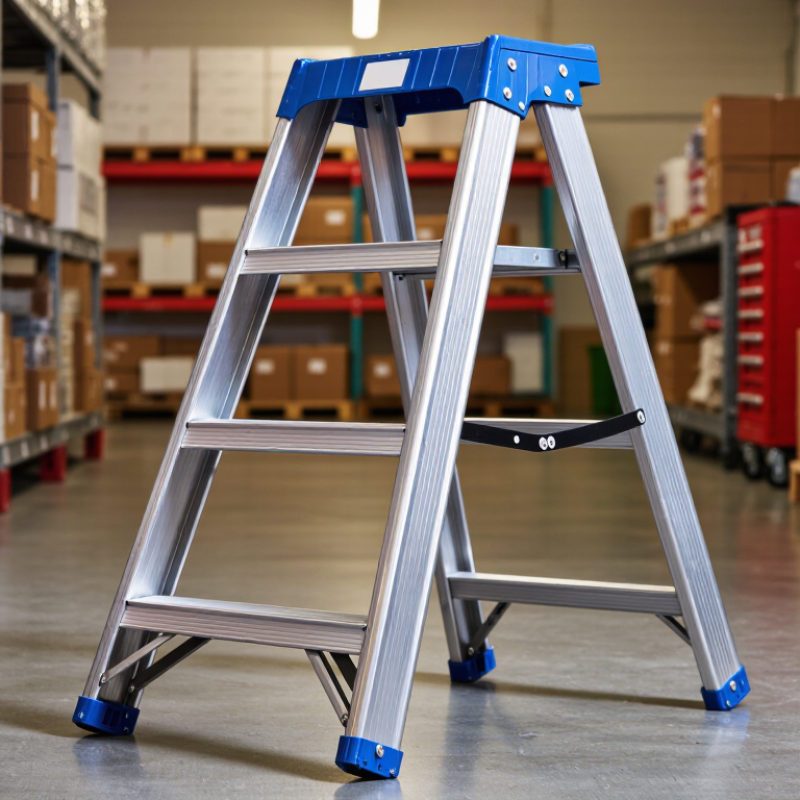
Global buyers need more than a familiar name when selecting access equipment. A werner step ladder can offer a practical balance of stability, portability, and everyday usability. Its broad steps, firm locking mechanism, and carefully positioned handrail can make routine work feel more controlled. In warehouses, maintenance rooms, and retail spaces, these details matter. A ladder should support confidence, not create extra risk.

Practical experience also reveals a less comfortable truth: no ladder suits every task. Height, user weight, storage space, and working surface must be assessed before purchase. Buyers should review product specifications, inspection guidance, and regional safety requirements. They should also confirm warranty coverage, replacement parts, packaging quality, and supplier responsiveness. These checks can prevent costly misunderstandings across borders. Small details matter.

Werner’s long-standing presence in the access-equipment market may give buyers a useful starting point, but reputation alone is not enough. Product selection should match the actual environment. A lightweight model may help mobile technicians, while a heavier design may feel more secure in a fixed facility. Users still need training and regular inspections. Even dependable equipment can be misused or poorly maintained. That deserves attention.

This introduction examines why global purchasers consider Werner step ladders for professional and household applications. It focuses on construction, handling, safety information, purchasing reliability, and long-term value. Evidence should guide the decision, not marketing language. Regional differences remain important. A careful comparison can show where the werner step ladder performs well, where limitations appear, and whether it genuinely fits the buyer’s needs.
Why Choose Werner Step Ladder for Global Buyers?

Werner Step Ladder Basics: Designs, Materials, and Intended Applications

Why Choose a Step Ladder for Global Buyers?

A step ladder should match the work, not simply the lowest price. Common designs include twin-step models, platform ladders, and compact folding versions. Twin-step ladders suit household maintenance and light commercial tasks. Platform designs offer more standing room for painting, stocking, or fixture installation. Compact models help where storage space is limited. Stability comes first.

Aluminum frames are lightweight and resist surface corrosion, making them practical for frequent transport. Fiberglass models reduce electrical conductivity concerns near properly controlled work areas, but they are usually heavier. Steel offers strength and a firm feel, although it may add weight and require better corrosion protection. Check the load rating, step depth, hinge quality, and rubber foot condition. Small details matter.

In supplier evaluations, I also inspect locking spreaders and platform movement by hand. A ladder can look strong yet feel loose after repeated folding. That warning should not be ignored. Buyers should request material information, product dimensions, inspection records, and packaging details. Local workplace requirements may differ, so compliance documents need careful review. No design fits every climate, warehouse, or jobsite. That is where many purchasing decisions become less certain.

ANSI Duty Ratings Explained: Choosing Between 250, 300, and 375 lb

For global buyers, ANSI duty ratings are a practical starting point for selecting a step ladder. A 250 lb rating suits one worker and light tools. A 300 lb rating provides more capacity for heavier clothing, equipment, or materials. The 375 lb rating offers the largest working margin. This rating includes the user, tools, and carried loads.

Read the label carefully. ANSI/ASSP A14.1 classifications commonly identify Type I at 250 lb, Type IA at 300 lb, and Type IAA at 375 lb. Higher capacity does not automatically mean greater stability. Foot placement, floor condition, spreader locks, and ladder height still matter. A 375 lb ladder on a wet warehouse floor remains unsafe.

The U.S. Consumer Product Safety Commission has reported more than 100,000 ladder-related emergency-department injuries annually in recent estimates. OSHA also emphasizes inspection, three-point contact, and proper setup. These reports support a simple purchasing lesson: choose capacity before price. In practice, buyers often calculate only body weight and forget tools. That mistake is easy to make. It is also worth reconsidering whether the highest rating is necessary, because heavier construction can increase shipping weight, handling effort, and storage demands. A clear safety margin is valuable, but it should match the work.

Platform Height and Safe Reach: Matching Ladder Size to Work Tasks

Choosing a step ladder for overseas work starts with a practical question: where will your hands operate? Platform height determines more than comfort. It sets your stable standing position, tool access, and safe reach. In field inspections, people often choose by closed length. That shortcut can mislead. A ladder that is too short encourages stretching. One that is too tall may not fit the task or storage area. Measure the working height, not just the ceiling.

For light indoor repairs, a platform around knee-to-thigh level may provide enough elevation for shelves, fixtures, and painting edges. Keep both feet on the platform, with your body centered between the rails. Safe reach should come from moving the ladder, not leaning sideways. On stairwells or uneven surfaces, ordinary step ladders may be unsuitable. Use equipment designed for that setting, and follow local safety requirements. Platform dimensions, locking spreaders, slip-resistant feet, and a visible load rating all deserve inspection.

Global buyers should compare rated capacity, product instructions, replacement parts, and inspection guidance before purchasing. Materials behave differently in humid warehouses, dusty workshops, and cold transport conditions. Check hinges and feet after delivery. Small damage matters. I once focused too much on height and overlooked the platform width; that made longer tasks tiring. The better choice is not always the tallest model. It is the size that keeps the task controlled, repeatable, and steadily secure. Recheck the setup when the work changes.

Why Choose a Step Ladder for Global Buyers?

Platform Height and Safe Reach: Matching Ladder Size to Work Tasks

The chart provides practical planning ranges for selecting a step ladder by task. Approximate safe reach is based on platform height plus the user’s standing reach; actual limits depend on user height, footwear, task conditions, and the ladder manufacturer’s instructions. Users should never stand on the top cap or exceed the highest permitted standing step.

Global Compliance Guide: Comparing ANSI A14.2 and EN 131 Standards

Why Choose a Compliant Step Ladder for Global Buyers?

Global Compliance Guide: Comparing ANSI A14.2 and EN 131 Standards

For global buyers, ladder safety begins with the correct standard, not a familiar product photograph. ANSI A14.2 applies to portable metal ladders in the United States. EN 131 covers portable ladders supplied across European markets. Both address stability, strength, dimensions, markings, and user instructions. However, their test methods and classification details are not identical. A ladder meeting one standard should not automatically be presented as compliant with the other.

During product checks, I examine the label, duty rating, rung spacing, feet, hinges, and locking parts. I also request current test reports and factory quality records. The load rating needs careful attention. A 150-kilogram rating may include the user, tools, and materials. Some buyers overlook this point. That mistake can change a safe-looking purchase into an unsuitable one.

Check the destination country before placing an order. European buyers may need EN 131 documentation and language-specific instructions. United States buyers commonly request ANSI A14.2 evidence for metal step ladders. Importers should confirm whether local authorities require additional marking, registration, or inspection. No standard makes careless setup safe. Uneven floors, damaged feet, and overreaching remain serious risks. Compliance documents matter, but practical design matters too. I would also recheck every certificate’s model number, because paperwork errors are more common than many purchasing teams expect.

Werner Buying Factors: Portability, Durability, Warranty, and Replacement Parts

Global buyers often choose a step ladder by looking beyond its price. In practical site checks, portability affects every move, from warehouse shelving to home repairs. A lightweight frame helps workers carry it through narrow doors. Wide steps and a secure locking system matter more than a polished appearance. Still, lighter is not always better. Thin materials may flex under repeated use, so buyers should compare weight with rated capacity and stability.

Tips: Test the ladder on a flat surface. Check its folded size, handle comfort, and hinge movement. Look for clear safety labels and non-slip feet. A short trial can reveal problems that product photos hide.

Durability depends on joints, feet, fasteners, and surface protection. Inspect these areas carefully, especially when shipping across humid or dusty regions. A useful warranty should explain coverage, claim steps, exclusions, and service locations. Vague wording creates delays. Replacement parts are equally important. Feet, hinges, braces, and locking pieces can wear before the main frame. Confirm part availability, prices, and delivery times before ordering. I have seen buyers focus on the initial purchase and overlook these small costs. That decision may become expensive later. Reliable suppliers provide readable manuals, responsive support, and consistent product records, although no product remains maintenance-free.

Why Choose a Step Ladder for Global Buyers? — Buying Factors: Portability, Durability, Warranty, and Replacement Parts

Buying Factor What to Evaluate Practical Benchmark Buyer Evidence to Request Global Purchasing Considerations
Portability Overall weight, folded or closed dimensions, carrying points, and ease of movement between work areas. Select the lightest model that still meets the required height, duty rating, platform size, and stability needs. Confirm packed dimensions before shipment. Product specification sheet, folded dimensions, net weight, carton dimensions, product photographs, and handling instructions. Freight cost, warehouse space, import packaging, manual-handling limits, and compatibility with local storage or delivery systems.
Durability Frame material, joint construction, step attachment, hinge quality, corrosion resistance, and performance under repeated use. Look for reinforced high-stress areas, secure step connections, non-corrosive or protected surfaces, and a clearly stated maximum load rating. Material specifications, load-rating documentation, fatigue or cycle-test information, quality-control records, and applicable safety-test reports. Humidity, salt air, temperature changes, dust, outdoor exposure, and availability of local inspection or service support.
Stability and Safety Base width, anti-slip feet, platform security, locking mechanism, handrail design, and resistance to accidental folding. The ladder should open fully on a level surface, lock securely, sit evenly on all feet, and provide slip-resistant contact points. User manual, safety labels, inspection checklist, product test documentation, and compliance information for the destination market. Verify requirements under the destination country’s applicable ladder regulations and standards, such as EN 131 or ANSI ladder standards where relevant.
Warranty Warranty length, covered components, exclusions, claim procedure, proof-of-purchase requirements, and authorized service locations. A useful warranty should clearly cover manufacturing defects and explain whether repair, replacement, labor, or shipping is included. Written warranty terms, regional contact details, claim forms, response-time targets, and examples of the after-sales process. Check whether coverage is valid in the buyer’s country and who pays international freight, customs charges, inspection fees, or return shipping.
Replacement Parts Availability of feet, hinges, locks, steps, platforms, fasteners, labels, and other wear or safety-related components. Prefer products with identifiable part numbers, clear replacement instructions, and parts that can be ordered separately rather than requiring full-unit replacement. Parts catalogue, exploded diagram, pricing list, inventory policy, lead times, installation instructions, and minimum order quantities. Confirm long-term availability, local distributors, export restrictions, spare-parts shipping cost, and compatibility across production batches.
User Capacity Maximum permitted load, including the user, clothing, tools, and materials carried during work. Choose a rating above the expected working load and follow the product label and instructions; never exceed the stated limit. Load-rating label, technical drawing, test report, and instructions defining how the rating is measured. Confirm that load units, labeling, and safety documentation are understandable and accepted in the destination market.
Height and Reach Platform height, number of steps, safe standing level, working reach, and suitability for the intended task. Select a height that allows the task to be completed without standing on prohibited steps or overreaching from the ladder. Dimensional drawing, platform height, step spacing, maximum standing level, and recommended-use guidance. Compare metric and imperial measurements, local workplace rules, ceiling heights, and transport restrictions.
Total Cost of Ownership Purchase price, freight, duties, maintenance, spare parts, inspection, downtime, and expected service life. Compare landed cost and expected maintenance needs instead of evaluating the initial purchase price alone. Commercial invoice, packaging details, maintenance schedule, spare-parts prices, warranty terms, and expected lead times. Include currency fluctuations, customs duties, taxes, delivery terms, regional service costs, and local recycling or disposal requirements.

Note: Always inspect a step ladder before use and follow the safety instructions and regulations applicable in the country of use.

TOP
Nation Wide Ladder

Nation Wide Ladder