7 Best Multi Position Ladders for Home and Work?
Choosing a ladder is rarely as simple as picking the tallest model. A multi position ladder must match the task, surface, user, and available storage space. At home, it may support painting a stairwell or reaching a high shelf. At work, it may face heavier use, uneven floors, and longer setup times.
Ladder-safety trainer Randy Warner often reminds users, “A ladder is only as safe as the person setting it up.” That practical warning shapes this guide. The seven multi position ladder options below are compared for stability, hinge quality, weight, reach, portability, and everyday comfort. Small details matter. Wide feet can reduce movement on a garage floor. Locking joints should engage clearly, without guesswork. A compact folded size helps when the ladder must fit beside a washing machine or inside a service van.
Real experience also exposes weaknesses. A ladder can feel solid in a showroom, yet become awkward on stairs. A lightweight frame may be easy to carry, but less comfortable during repeated work. No single design wins every situation. That is the part many buying guides overlook.
This review considers both convenience and caution. It also examines weight ratings, platform features, extension height, and setup requirements. Always inspect hinges, rails, feet, and labels before climbing. The best multi position ladder is not necessarily the largest or cheapest model. It is the one that fits your work, your space, and your ability to use it correctly. Safety begins before the first step.
What Makes a Multi-Position Ladder Suitable for Home and Work
A suitable multi-position ladder must handle more than height. It should support safe changes between step, extension, and two-sided modes. According to CDC/NIOSH research, ladders were involved in 43% of fatal falls studied between 2011 and 2014. That finding makes locking systems and stable footing more important than clever movement alone.
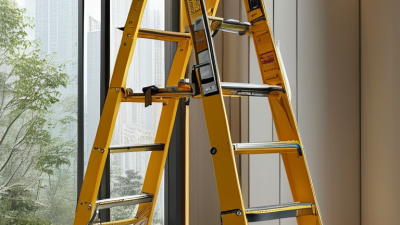
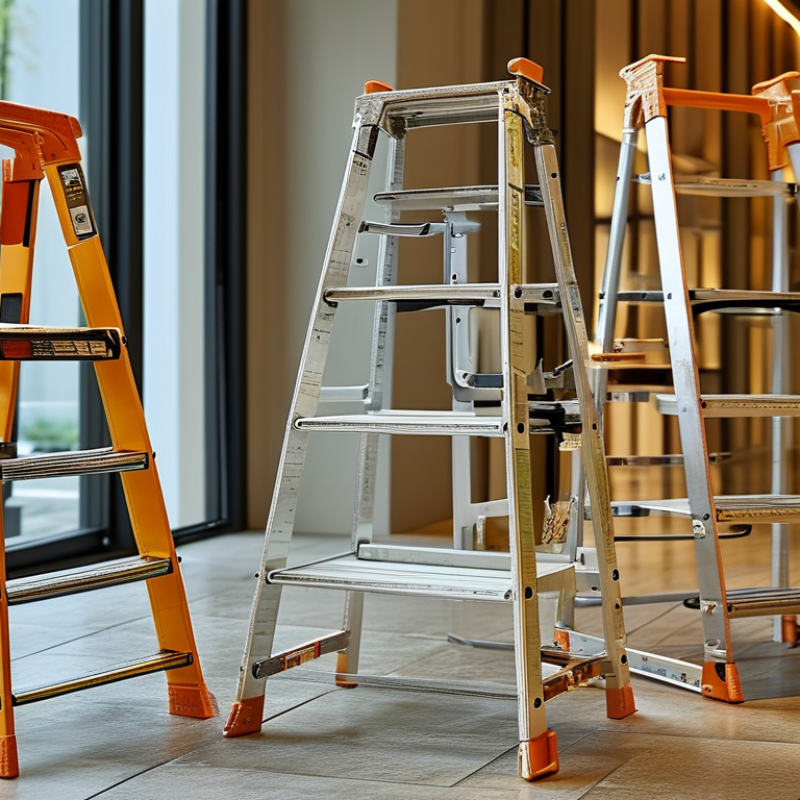
Look for clearly visible hinge locks, a tested duty rating, wide feet, and slip-resistant steps. The ladder should stay steady on a garage floor, stair landing, or uneven outdoor surface. For work, choose a model that meets recognized standards such as ANSI or EN 131 requirements. For home use, low weight and simple storage matter more than extreme height. A ladder that is difficult to open may remain unused.
Small details matter.
I prefer readable locking indicators and rails that remain comfortable with wet hands. The best design changes position without forcing awkward lifting. It should also fit through a doorway when folded. No ladder feels stable on clutter. The U.S. Bureau of Labor Statistics reported that falls, slips, and trips represented 20.7% of workplace injuries involving days away from work in 2022. That figure is broader than ladder accidents, but it highlights a practical weakness: users often rush setup. I still recheck every hinge. That extra pause feels unnecessary, until it prevents a fall.
Key Features to Compare Before Choosing a Ladder
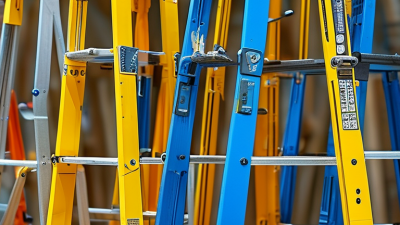
Choosing a multi-position ladder requires more than counting height settings. Stability should come first. Look for wide, non-slip feet, secure locking hinges, and visible position indicators. A ladder should feel rigid when opened, not merely look strong. OSHA guidance stresses three-point contact during climbing, so choose a design that allows both hands and one foot, or both feet and one hand, to remain supported.
Weight capacity also matters. Add your body weight, clothing, tools, and materials before comparing ratings. The U.S. Consumer Product Safety Commission reported more than
160,000 ladder-related emergency department injuries
in a recent NEISS estimate. That figure makes small design details important.
Check the platform size, top-step restrictions, rung spacing, and storage requirements. A compact ladder may fit a closet, yet become awkward on uneven flooring. Never assume a longer ladder is safer.
For home repairs, adjustable height and a stable work platform can reduce repeated repositioning. For work sites, inspect hinge locks, rails, feet, and labels before every use. The National Institute for Occupational Safety and Health recommends maintaining three-point contact and avoiding overreaching. I still find overreaching tempting during quick tasks. That is precisely the problem. A ladder with wheels, accessories, or many positions is not automatically better. Compare its tested load rating, material, joint quality, and ease of inspection against your real working conditions.
Seven Multi-Position Ladder Types for Different Tasks
7 Best Multi Position Ladders for Home and Work?
Seven Multi-Position Ladder Types for Different Tasks
Choosing the right multi-position ladder depends on height, access, and the surface beneath your feet. NIOSH estimates that ladder falls cause about 500,000 injuries and 300 deaths annually in the United States. That figure makes ladder selection a practical safety decision, not a storage preference.
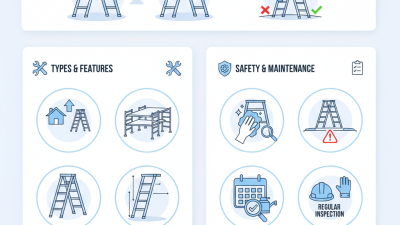
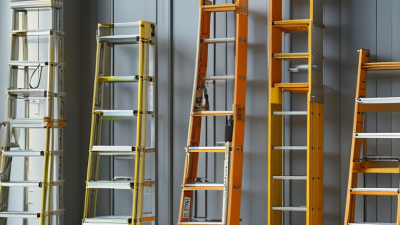
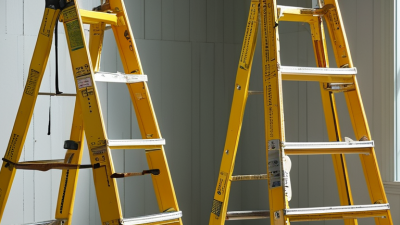
Seven useful formats cover most home and work tasks. Hinged ladders fold into stepladders, scaffolds, or short extensions. Telescoping ladders collapse neatly for car trunks and narrow closets. Extension ladders suit gutters, roof edges, and tall exterior walls. Platform ladders provide a wider standing area for painting or installing lights. Trestle ladders support longer work areas, although they need generous floor space. Combination ladders shift between step and extension modes. Articulating ladders bend around stairs, uneven landings, or awkward corners.
OSHA guidance emphasizes firm footing, correct angle, and maintaining three points of contact. A ladder should not replace a scaffold when the job requires long periods of side-reaching. I have found platform models more comfortable for ceiling work, but they can feel bulky indoors. Telescoping designs save space, yet their locking mechanisms demand careful inspection. That small step matters.
Before climbing, check each hinge, rung, and foot pad. Keep the ladder away from wet floors, doorways, and overhead electrical hazards. ANSI standards also stress load capacity, labeling, and construction quality. A multi-position ladder is versatile, but versatility can encourage overconfidence. Some tasks still require a different access system.
Safety, Stability, and Proper Setup Guidelines
7 Best Multi Position Ladders for Home and Work?
Safety, stability, and proper setup matter more than the ladder’s number of positions. Before climbing, inspect every hinge, locking pin, rail, and foot pad. Look for cracks, bent sections, loose hardware, or worn rubber. A ladder can appear solid but fail under movement. I once noticed a slightly loose hinge during a routine check. That delay prevented a risky climb.
Place the ladder on firm, level ground, never on boxes, loose soil, or a wet floor. Open each section fully, then confirm that every lock has engaged. For leaning positions, keep the rails at a safe angle and maintain three points of contact while climbing. Face the ladder, keep your belt buckle between the rails, and avoid reaching sideways. Step down and reposition instead. It feels slower, but it reduces sudden shifts.
On stairs, use only a configuration specifically designed for stair use. Do not improvise with boards or uneven supports. Check the stated load limit, including tools and materials, before climbing. Keep both hands free by using a tool belt or hoist line. At work, a second person can check the setup from ground level. At home, distractions are common, so pause children, pets, and open doors nearby. I still catch myself rushing small tasks. That habit needs correction. Stop if wind, rain, poor lighting, or fatigue affects balance. Proper setup is practical risk control, not a formality.