Let Nationwide Ladder & Equipment Help You Find What You Need.
How to Choose the Best Aluminum Ladder for Your Needs?
In a world where safety and durability matter, choosing the right aluminum ladder is critical. Industry reports highlight that aluminum ladders can support significant weight while remaining lightweight, making them a popular choice among homeowners and professionals alike. According to a 2022 survey by the American Ladder Institute, nearly 75% of users prefer aluminum for its stability and longevity.
Aluminum ladders come in various styles and sizes. Their versatility allows them to be used in different applications, from home renovations to commercial jobs. Despite their benefits, many consumers overlook certain features. For instance, some ladders lack proper locking mechanisms or slip-resistant feet, which can compromise safety. Additionally, not all aluminum ladders are created equal; the quality of materials can vary significantly among brands.
As you navigate your purchase decision, consider your specific needs. Assessing both the advantages and potential shortcomings of different models will guide you toward a suitable choice. Remember, making an informed decision will not only enhance your efficiency but also ensure your safety while working at heights.
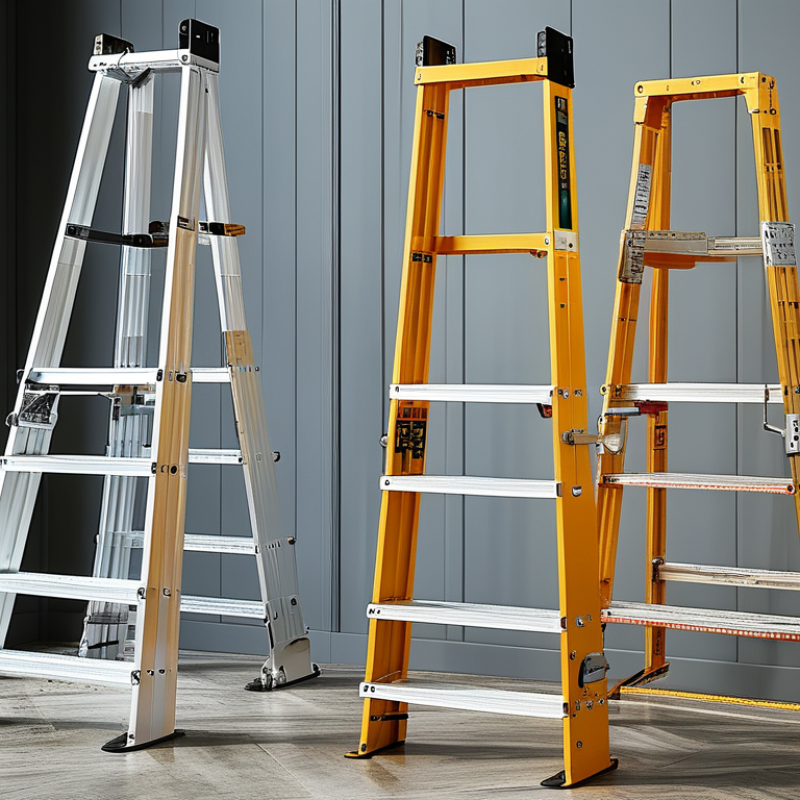
Table of Contents
[Hide]
Understanding Different Types of Aluminum Ladders Available on the Market
When selecting the best aluminum ladder, it's essential to understand the types available. There are step ladders, extension ladders, and multipurpose ladders. Step ladders are portable and perfect for indoor tasks. They provide stability for painting or changing light bulbs. Extension ladders, on the other hand, allow you to reach greater heights. They are excellent for outdoor work, such as roof repairs.
Multipurpose ladders are versatile and can serve as both a step ladder and an extension ladder. They offer flexibility, but their complexity might be intimidating. Make sure to assess your primary needs before choosing one. Many users find that while versatility is appealing, it can complicate simple tasks.
When choosing an aluminum ladder, consider weight capacity and safety. Check for features like slip-resistant feet and locking mechanisms. A ladder may look sturdy, but not all designs are reliable. Some users report frustration with stability issues during use. It's crucial to test the ladder before committing. Always prioritize safety over convenience.
How to Choose the Best Aluminum Ladder for Your Needs? - Understanding Different Types of Aluminum Ladders Available on the Market
| Type of Aluminum Ladder | Height Range | Weight Capacity | Ideal Use | Price Range |
|---|---|---|---|---|
| Extension Ladder | 16 - 40 feet | 300 lbs | Painting, Roofing | $150 - $500 |
| Step Ladder | 3 - 12 feet | 250 lbs | Indoor Tasks, Light Repairs | $50 - $200 |
| Multi-Position Ladder | 7 - 15 feet | 300 lbs | Versatile Use, Home Projects | $100 - $350 |
| Platform Ladder | 4 - 12 feet | 300 lbs | Painting, Maintenance | $75 - $225 |
| Telescoping Ladder | 8 - 12.5 feet | 300 lbs | Storage, Home Use | $80 - $250 |
Related Posts
-

Best Tips for Choosing the Right Werner Step Ladder?
-
The Ultimate Guide to Choosing the Best Ladder Stabilizer?
-

2026 How to Use the Pivit Ladder Tool Effectively for Your Projects?
-

10 Best Ladder Leveler Tools for Safe and Efficient Climbing?
-

Top 10 Ladder Safety Tips You Need to Know?
-

2026 How to Use the Pivit Ladder Tool Effectively?
What Can We Help You With?









We Put Everything Within Reach

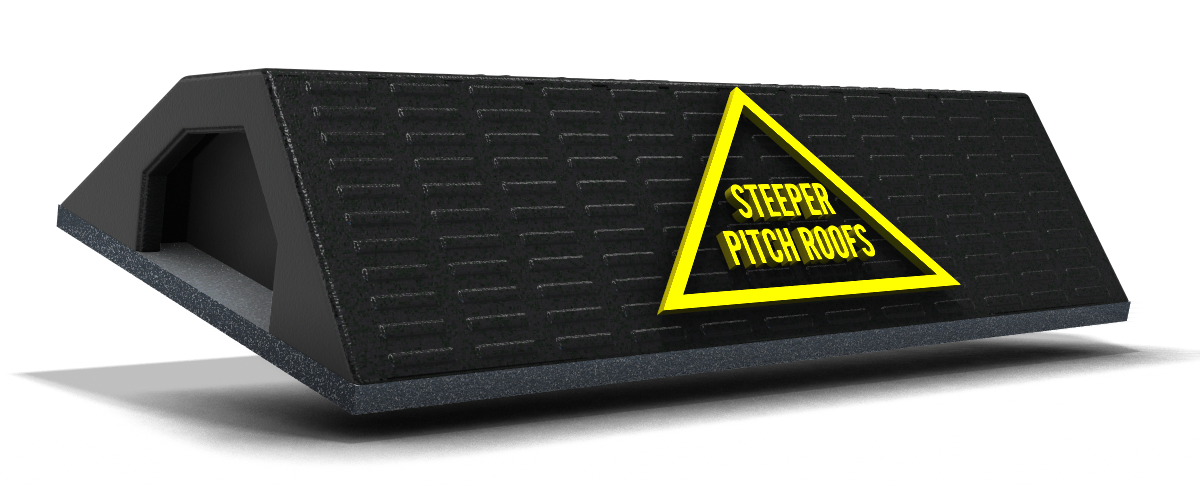
Revolutionary Roofing Wedge
Featured Product

Streamlined. Safe. Flexible.
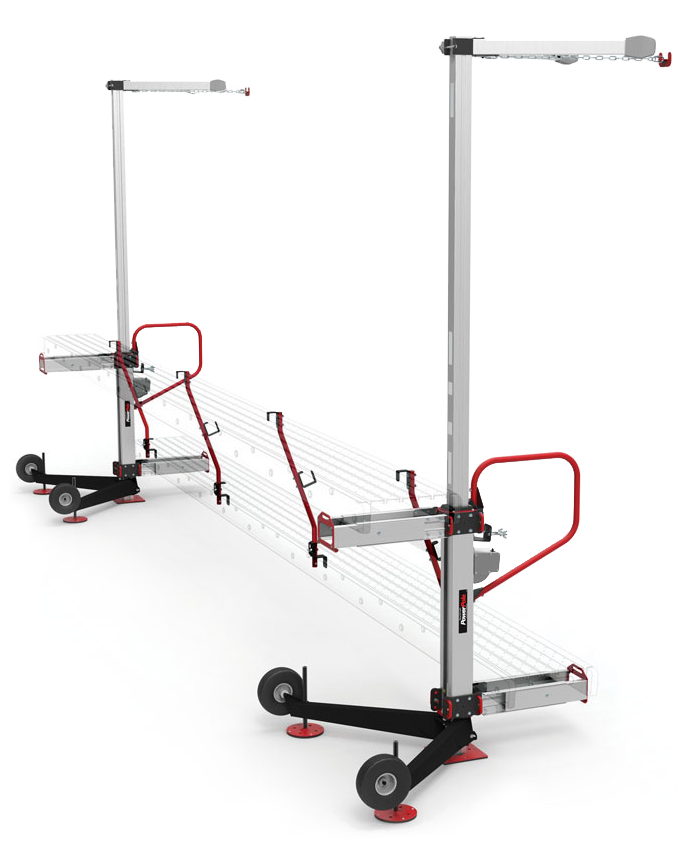
With the ReechCraft PowerPole, traditional scaffolding and pump jack systems are a thing of the past. Our streamlined design gains you access between buildings, on rooftops, around landscaping, and more. The PowerPole is perfect for contract work on residential areas.

Headache Racks That Turn Heads