NATION WIDE LADDER & EQUIPMENT
NH: 603-434-6911MA: 508-754-3030ME: Regular weekly deliveries from NH
- Home
- Blog
Let Nationwide Ladder & Equipment Help You Find What You Need.
Top Ladder Leveler Manufacturers for Global Buyers
Choosing reliable ladder leveler manufacturers requires more than comparing catalog prices. Global buyers need products that perform steadily on uneven concrete, tiled floors, gravel, and industrial platforms. A well-designed ladder leveler can improve stability, but only when its structure matches the ladder and working environment.
This guide examines manufacturers through practical and verifiable criteria. These include material quality, adjustment range, load performance, anti-slip design, installation methods, and production consistency. It also considers factory experience, quality-control procedures, testing records, and after-sales support. Clear technical drawings matter. So do responsive communication and honest product limitations. A supplier that explains compatibility risks deserves more attention than one offering impressive claims without evidence.
Real purchasing decisions often reveal details that brochures omit. Threads may wear after repeated adjustment. Rubber feet may lose grip in wet conditions. Packaging may fail during long-distance transport. These concerns deserve careful review before a large order is approved. Samples, inspection reports, and small trial shipments can reduce avoidable mistakes. No ranking is flawless, because manufacturer data changes and regional requirements differ. Some suppliers disclose more information than others, which can affect comparison accuracy. Buyers should still verify current specifications, certifications, warranty terms, and delivery capabilities directly. The manufacturers discussed here represent useful starting points, not automatic endorsements. Careful evaluation remains essential.
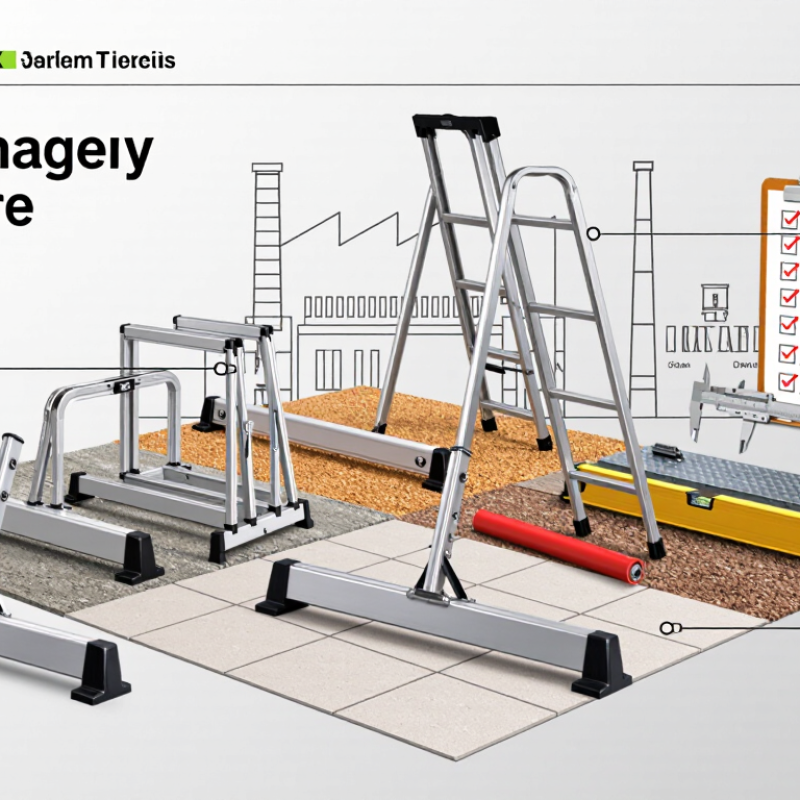
Table of Contents
[Hide]
Ladder Levelers: Purpose, Design, and Essential Functions
Ladder Levelers: Purpose, Design, and Essential Functions
Ladder levelers improve stability on uneven floors, steps, and sloped outdoor surfaces. They adjust one ladder leg while keeping the rails balanced. This simple correction can reduce rocking and awkward body movement during routine work. Most designs use telescoping legs, locking pins, and broad footpads. Steel offers strength, while reinforced aluminum can reduce carrying weight. The choice depends on ladder type, working load, and transport needs.
Reliable levelers should provide clear adjustment markings and visible locking positions. Their footpads need textured surfaces for better contact with concrete, tile, or compact soil. Drainage holes can prevent water buildup after outdoor use. Buyers should examine hinge quality, weld consistency, fastener access, and replacement-part availability. Supplier documentation should explain testing methods, compatible ladders, maintenance needs, and stated load limits. Marketing language alone is not enough.
Tips: Test the leveler on a controlled uneven surface before regular use. Confirm both locks engage fully. Check for bent rails, loose hardware, or worn feet before each job. A leveler may look secure but still shift on dust or wet flooring. That detail is easy to miss. No design suits every ladder, and product descriptions sometimes omit important compatibility limits. Ask for drawings and dimensional data before placing a large international order.
Key Criteria for Evaluating Global Ladder Leveler Manufacturers
Global buyers should evaluate ladder leveler manufacturers through measurable performance, not attractive product images. Ask for rated load data, adjustment range, locking method, and compatibility with common ladder profiles. A leveler should sit firmly on uneven concrete, without wobbling after repeated repositioning. Inspect the contact pads, hinge pins, fasteners, and corrosion-resistant finish. Small parts often reveal production discipline.
Request current test reports, inspection records, material specifications, and traceable batch information. Reliable manufacturers explain how samples are tested under load, repeated cycles, and off-center conditions. They should identify tolerances clearly. Vague claims create avoidable risk. Factory audits can verify welding quality, assembly checks, packaging, and storage practices. A clean showroom proves little. Details matter more.
Communication and supply capability also deserve close review. Confirm minimum order quantities, lead times, spare-part availability, export packaging, and response procedures for damaged units. Ask whether technical drawings remain consistent across production batches. One overlooked dimension can cause fitting problems on site. No supplier is flawless, and that is worth admitting. The stronger partner is one that documents mistakes, corrects root causes, and shares practical evidence instead of offering confident promises. Sample units should be evaluated by workers wearing normal protective equipment, on both smooth floors and uneven outdoor surfaces. Cost matters, but unstable adjustment hardware can create higher replacement and service expenses.
Leading Ladder Leveler Manufacturers and Their Product Strengths
Top Ladder Leveler Manufacturers for Global Buyers
Leading ladder leveler manufacturers focus on stability, adjustment accuracy, and long service life. Strong producers use reinforced aluminum or treated steel for the main frame. Their levelers often include independent height adjustment on each side. This helps workers position ladders on uneven floors, steps, and rough outdoor surfaces. Useful designs also include wide anti-slip feet, locking pins, and visible adjustment markings. Small details matter.
From a buyer’s perspective, reliable manufacturers provide clear load ratings and installation instructions. They explain compatibility with extension ladders, step ladders, or specific rail sizes. Better suppliers test locking mechanisms under repeated movement and changing loads. They may also offer replacement pads, pins, and hardware. These parts reduce downtime during maintenance. Certification documents and traceable quality checks strengthen purchasing confidence.
However, product catalogs can look more impressive than actual field performance. I would inspect welds, fasteners, foot grip, and adjustment play before placing a large order. Some levelers feel stable on concrete but shift on dusty tile. That difference is easy to miss. Manufacturers with responsive technical support usually handle these concerns better. Packaging quality also deserves attention, since bent brackets can arrive after long international shipping. A practical supplier admits such risks and explains how its design addresses them.
Top Ladder Leveler Manufacturers for Global Buyers - Leading Ladder Leveler Manufacturers and Their Product Strengths
| Manufacturing Region | Common Manufacturer Type | Typical Ladder Leveler Products | Key Product Strengths | Relevant Standards and Requirements | Best-Fit Buyer Needs | Due-Diligence Focus |
|---|---|---|---|---|---|---|
| East Asia | High-volume aluminum and fiberglass ladder producers with export-oriented assembly capabilities | Telescopic ladders Extension ladders Platform ladders Adjustable leg levelers | Broad model selection, competitive large-order pricing, lightweight aluminum construction, and flexible private-label customization. | ANSI-ASC A14 series, EN 131, applicable electrical-insulation requirements for fiberglass products, and destination-market labeling rules. | Importers, distributors, hardware retailers, and buyers requiring mixed containers or OEM packaging. | Load testing, locking-pin design, hinge durability, corrosion protection, packaging quality, and consistency between production batches. |
| South Asia | Metal fabrication specialists and commercial ladder manufacturers serving construction and industrial channels | Steel ladders Heavy-duty step ladders Industrial access ladders Fixed leveler systems | Robust welded frames, high load-bearing potential, repairable metal components, and suitability for demanding job-site environments. | Applicable local product standards, EN 131 or ANSI-ASC A14 where required by the buyer, plus workplace-safety requirements in the destination country. | Construction suppliers, facility-maintenance contractors, warehouses, and industrial users. | Weld quality, frame straightness, anti-slip feet, surface coating, rated load verification, and documentation of raw-material specifications. |
| Central and Eastern Europe | Safety-focused manufacturers producing professional ladders for construction, maintenance, and trade use | Professional step ladders Multi-purpose ladders Extension ladders Stabilizer bars | Strong emphasis on structural stability, anti-slip components, ergonomic access, traceability, and compliance-oriented product documentation. | EN 131 is widely relevant for portable ladders placed on the European market; additional national and occupational-safety rules may also apply. | European distributors, professional trades, rental fleets, and buyers prioritizing documented conformity. | Declaration and test documentation, EN 131 classification, dimensional accuracy, step strength, replacement-part availability, and after-sales support. |
| Western Europe | Specialized manufacturers focused on premium professional access equipment and engineered accessories | Modular levelers Work-platform ladders Industrial access systems Custom configurations | Refined ergonomics, strong safety engineering, durable components, modular adjustment systems, and detailed technical documentation. | EN 131, relevant machinery or workplace-safety provisions where applicable, chemical restrictions, and local market conformity requirements. | Professional users, rental companies, transport maintenance, utilities, and buyers seeking long service life. | Independent test reports, fatigue testing, spare-part lifecycle, adjustment range, operator instructions, and total cost of ownership. |
| North America | Commercial and industrial ladder manufacturers designing products around professional job-site requirements | Type IA and IAA ladders Fiberglass step ladders Extension ladders Leveling accessories | Clear duty-rating systems, job-site durability, fiberglass electrical-resistance options, wide accessory ecosystems, and strong distribution support. | ANSI-ASC A14 standards and OSHA 29 CFR 1910.23 requirements are important references for workplace ladder selection and use in the United States. | Contractors, industrial distributors, facility managers, utilities, and professional maintenance teams. | Duty rating, electrical-use labeling, rung and step performance, slip resistance, warning labels, warranty terms, and replacement components. |
| Oceania | Manufacturers and distributors adapting portable ladders to construction, maintenance, and residential safety conditions | Step ladders Extension ladders Platform ladders Adjustable feet | Practical stability features, weather-resistant materials, easy transport, anti-slip feet, and product configurations suited to uneven outdoor surfaces. | AS/NZS 1892 is a key reference for portable ladders in Australia and New Zealand; buyers should confirm the current applicable part and market requirements. | Building suppliers, trade users, outdoor maintenance teams, and regional distributors. | Local certification evidence, foot grip on common surfaces, UV and corrosion resistance, transport dimensions, and installation instructions. |
| Middle East and Africa | Regional distributors and metal-product manufacturers supplying construction, facilities, and infrastructure projects | Aluminum extension ladders Industrial step ladders Mobile access platforms Heavy-duty levelers | High-temperature suitability, corrosion-resistant finishes, robust frames, simple maintenance, and compatibility with demanding construction environments. | Buyer-specified EN 131, ANSI-ASC A14, or other recognized standards, together with project-specific safety and procurement requirements. | Construction projects, oil and gas support services, warehouses, infrastructure contractors, and institutional procurement. | Heat and corrosion performance, load documentation, surface finish, spare parts, local service capability, and conformity paperwork for project approval. |
| Latin America | General-purpose ladder manufacturers and regional suppliers serving retail, construction, and maintenance markets | Aluminum step ladders Fiberglass ladders Multi-position ladders Replacement leveler feet | Versatile household and trade configurations, accessible replacement parts, straightforward designs, and adaptable packaging for regional distribution. | Applicable national regulations, buyer-requested EN 131 or ANSI-ASC A14 testing, and electrical-safety requirements for fiberglass models where relevant. | Retail chains, hardware wholesalers, maintenance providers, and small-to-medium construction businesses. | Local-language instructions, load labeling, retail packaging, replacement-foot availability, hinge strength, and import documentation. |
Buyer note: Standards and certification requirements vary by destination, ladder type, workplace application, and material. Buyers should verify current test reports, product markings, rated loads, instructions, and conformity documents for each specific model before purchase.
International Standards, Certifications, and Quality Control
Top Ladder Leveler Manufacturers for Global Buyers
International buyers should treat standards as evidence, not decoration. EN 131, ANSI A14, and AS/NZS 1892 address design, stability, labeling, and load performance. Requirements differ by market. A compliant ladder in one country may need additional testing elsewhere. The ISO Survey 2023 recorded 1,265,216 ISO 9001 certificates worldwide, showing the system’s broad adoption. Yet certification alone cannot prove every ladder is safe. That assumption deserves scrutiny.
Reliable manufacturers use controlled inspections from aluminum profiles to finished levelers. Inspectors should verify locking pins, anti-slip feet, weld quality, and platform alignment. Independent laboratories accredited to ISO/IEC 17025 can validate load and durability tests. Factory records should identify the material batch, operator, test result, and shipment date. Small details matter. A loose pin can change the user’s balance on uneven concrete.
CPSC injury surveillance has repeatedly recorded hundreds of thousands of ladder-related injuries requiring medical treatment in the United States. This data supports stronger verification, especially for export products used by contractors. Buyers should request test reports, calibration records, conformity declarations, and corrective-action histories. They should also inspect sample units before large orders. I have seen paperwork look excellent while packaging hides damaged feet. That weakness is easy to miss. Supplier audits, random production sampling, and clear rejection criteria provide more dependable control than certificates alone.
This benchmark compares recognized ladder load-rating requirements that global buyers may use when evaluating ladder leveler suppliers and compatible ladder systems. ANSI Type I, IA, and IAA ratings represent 250 lb, 300 lb, and 375 lb maximum capacities, while EN 131 specifies a maximum total load of 150 kg, equivalent to approximately 331 lb.
How Global Buyers Compare Suppliers and Select the Right Partner
Global buyers compare ladder leveler suppliers by more than catalog price. In field evaluations, I start with the ladder’s working environment. Uneven concrete, warehouse floors, and outdoor moisture expose weak designs quickly. A credible supplier provides load ratings, adjustment ranges, material grades, and test methods. Ask for dated test reports. Vague assurances are not evidence. Good documentation often reveals manufacturing discipline.
Sample inspection should include threads, locking pins, welds, rubber feet, and mounting holes. Operate each adjustment repeatedly, not just once. Check whether the leveler stays stable under a realistic working load. Request samples from normal production, because specially prepared units can mislead. I once focused too heavily on polished packaging and missed inconsistent pin alignment. That mistake was expensive. Supplier audits should examine incoming material control, process checks, final inspection, and traceability. Also compare lead times against actual capacity, not optimistic promises.
The right partner communicates clearly when a drawing changes or a batch slips. They explain corrective actions with dates, owners, and verification records. Compare warranty terms, replacement procedures, packaging strength, and export documents together. A low unit price may become costly after rework, delays, or damaged cartons. Ask for a small pilot order before scaling. Review feedback from installers, not only purchasing teams. Some comparisons remain imperfect, especially when suppliers use different test conditions. Record those differences openly. Trust grows through repeatable evidence, responsive service, and the willingness to admit a limitation.
Related Posts
-
Top Ladder Leveler Types for Safe and Efficient Use?
-
What is a ladder leveler and how does it work?
-
10 Best Multi Purpose Ladder Options for Every Home Need?
-
7 Tips for Choosing the Best Ladder Hooks for Your Needs
-
What Is the Best Ladder Standoff to Buy?
-

10 Best Ladder Leveler Tools for Safe and Efficient Climbing?
What Can We Help You With?
CALL NOW TO ORDER
NH: 603-434-6911MA: 508-754-3030ME: Regular weekly deliveries from NH
CALL NOW TO ORDER
NH: 603-434-6911MA: 508-754-3030ME: Regular weekly deliveries from NH










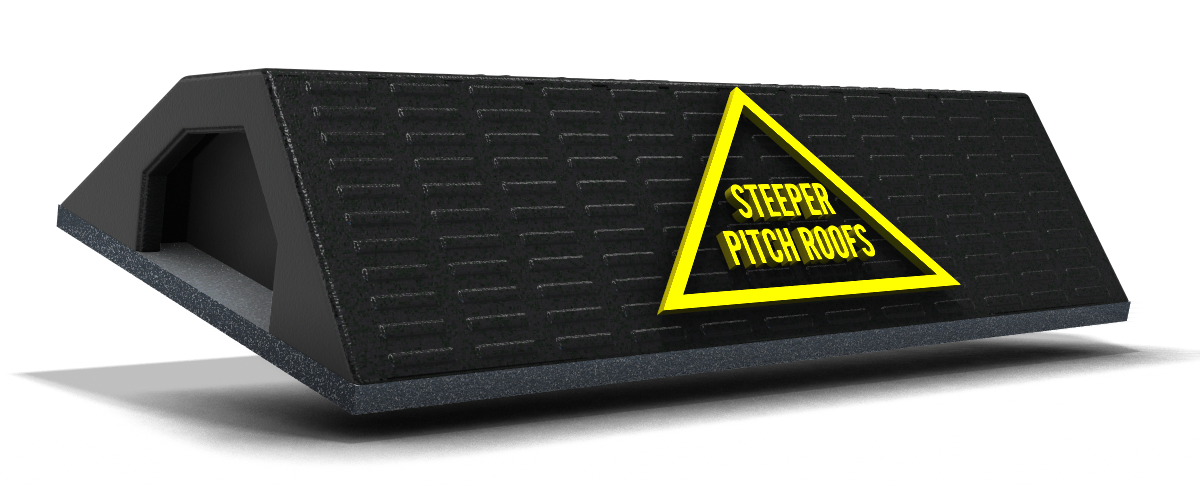
Featured Product

Streamlined. Safe. Flexible.
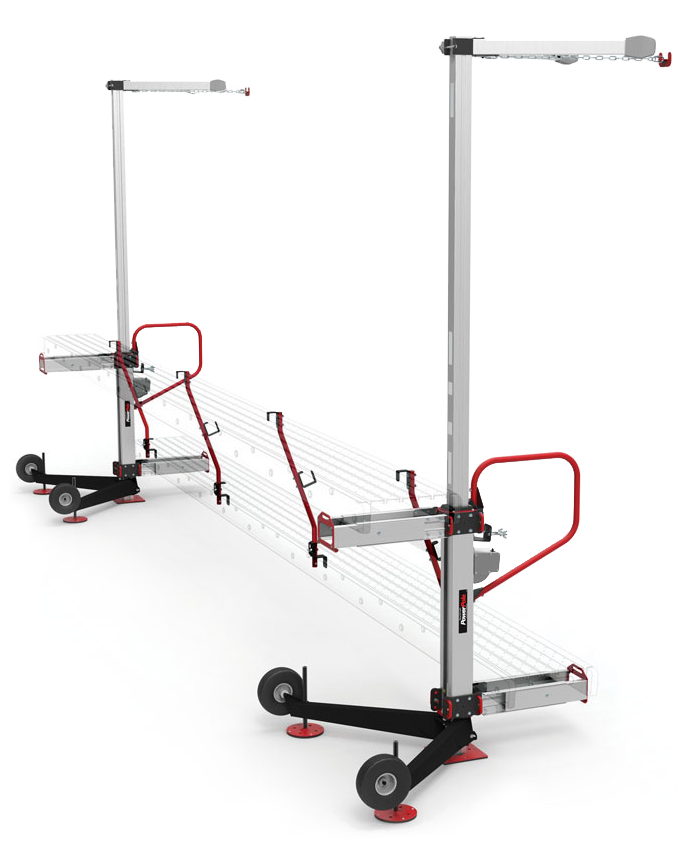
With the ReechCraft PowerPole, traditional scaffolding and pump jack systems are a thing of the past. Our streamlined design gains you access between buildings, on rooftops, around landscaping, and more. The PowerPole is perfect for contract work on residential areas.
See Products & Accessories
- ReechCraft Power Pole
- ReechCraft 4022465 – 10 in. x 10 in. Base Foot
- ReechCraft Platform Support
- ReechCraft 4022179 – Platform Support with PowerLatch Connector
- ReechCraft PowerLatch Assembly
- ReechCraft 4022084 – PowerPole 12 ft Pole Section
- ReechCraft 4022435 – PowerPole 6 ft Pole Section
- ReechCraft 4028334 – PowerPole Climbing Unit
- ReechCraft 4022096 – PowerPole Coupler
- ReechCraft 4022629 – PowerPole Extendable V-Brace
- ReechCraft 4022791 – PowerPole Outrigger
- ReechCraft 4022432 – PowerPole Standoff Tie
- ReechCraft 4022178 – PowerPole Super Standoff Tie
- ReechCraft 4022629 – PowerPole V-Brace
- ReechCraft 4022756 – Single Man Basket
- ReechCraft 4022071 – SpeedRail Endrail (Two-Pack)
- ReechCraft 4022765 – SpeedRail Midrail Post (Two-Pack)

Headache Racks That Turn Heads


See Products & Accessories

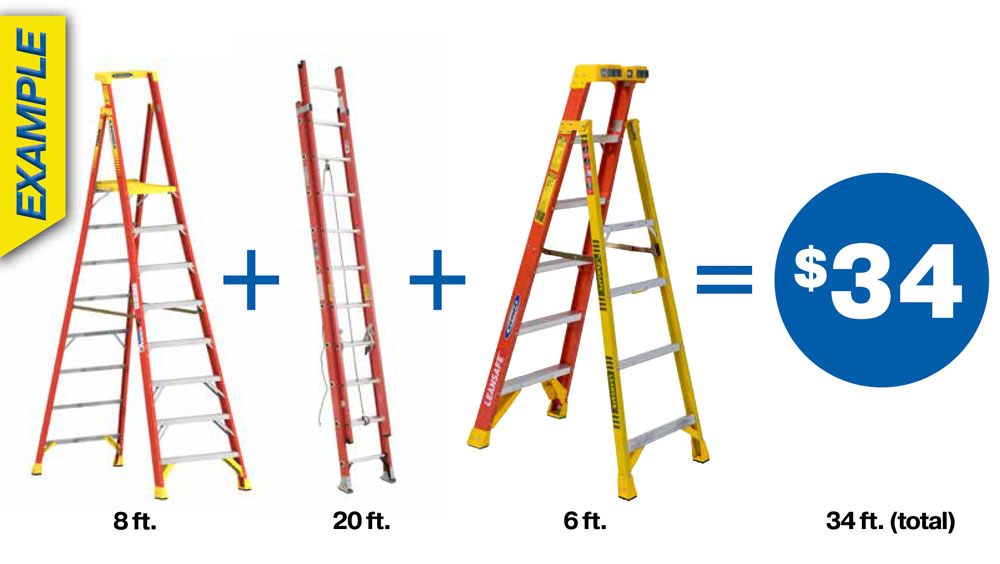
June 2022 - Month Long Promotion
Buy any of the listed Werner ladders and get
$1 Off Per Foot
Demo and Safety Day
Don't miss our WernerCo Sfety and Demo Day BBQ
June 23rd, 2022 from 10am - 2pm
Chance to win giveaways
Cookout from 10am - 2pm
Werner fall protection and Weatherguard Specialists on site to answer any questions and perform safety and product demonstrations.
System One Modular Truck Equipment for New Hampshire, Massachusetts, Connecticut, Rhode Island, Vermont, and Maine Contractors
- Lewiston, ME
- Bar Harbor, ME
- Lexington, MA
- North Andover, MA
- East Hampton, CT
- Meredith, NH
- Concord, NH
- Bennington, VT
- Biddeford, ME
- West Fairlee, VT
- Hopkinton, RI
- Freeport, ME
- Danbury, CT
- Waterboro, ME
- Winslow, ME
- Buxton, ME
- Southington, CT
- Milford, NH
- Pownal, VT
- South Berwick, ME
- North Haven, CT
- Atkinson, NH
- Farmington, NH
- Whitingham, VT
- Pelham, NH
- Essex, VT
- Wallingford, VT
- Laconia, NH
- Narragansett, RI
- Fair Haven, VT
- Sandown, NH
- New London, NH
- Portsmouth, RI
- Haverhill, NH
- Needham, MA
- Bridgewater, MA
- Middletown, RI
- Montpelier, VT
- Barre, VT
- St. Johnsbury, VT
- Livermore Falls, ME
- Sandwich, MA
- Newport, RI
- Raymond, NH
- Tunbridge, VT
- Barnet, VT
- Brooksville, ME
- Gorham, ME
- Litchfield, ME
- Bristol, CT
- Rumford, ME
- Thompson, CT
- Dover, VT
- Westminster, VT
- Waitsfield, VT
- Torrington, CT
- Scituate, RI
- Barnstead, NH
- Lovell, ME
- Barton, VT
- Unity, ME
- Skowhegan, ME
- Groton, CT
- Northfield, VT
- Hopkinton, NH
- Limerick, ME
- Candia, NH
- Berwick, ME
- Killington, VT
- Peacham, VT
- North Hampton, NH
- Randolph, MA
- Bloomfield, CT
- Watertown, MA
- Wilmington, MA
- Methuen, MA
- Nashua, NH
- Plymouth, NH
- Newmarket, NH
- Alfred, ME
- Caribou, ME
- Weymouth, MA
- North Yarmouth, ME
- Bethel, CT
- Rocky Hill, CT
- Bristol, RI
- Sabattus, ME
- Salem, MA
- Londonderry, NH
- Chester, NH
- Westford, VT
- Stamford, CT
- Vershire, VT
- East Hartford, CT
- Norwich, CT
- Stratham, NH
- Windham, NH
- Vernon, CT
Knaack Jobsite Boxes, Chests, Cabinets, Workbenches, Field Offices, and Accessories
- Raymond, ME
- Fairfax, VT
- Presque Isle, ME
- Highgate, VT
- Norridgewock, ME
- Old Saybrook, CT
- Marblehead, MA
- Nashua, NH
- Mashpee, MA
- Auburn, NH
- Bowdoin, ME
- Milford, CT
- Bolton, CT
- Mendon, VT
- Dartmouth, MA
- Portland, CT
- North Haven, CT
- New Gloucester, ME
- Bourne, MA
- New Canaan, CT
- Belmont, NH
- Rutland, VT
- Fitchburg, MA
- Waterbury, CT
- Burlington, VT
- Fair Haven, VT
- Bethel, VT
- Greene, ME
- Chicopee, MA
- New London, CT
- Gloucester, MA
- Mechanic Falls, ME
- Wilmington, MA
- Fairfield, CT
- Methuen, MA
- Newport, ME
- Bakersfield, VT
- Monroe, CT
- Meriden, CT
- Prospect, CT
- Thomaston, ME
- Watertown, MA
- Winchester, ME
- Hampstead, NH
- Gilford, NH
- Pownal, VT
- Essex Junction, VT
- Lincoln, ME
- East Lyme, CT
- Tolland, CT
- Naugatuck, CT
- Dennis, MA
- Waldoboro, ME
- Derry, NH
- Bridgewater, MA
- Windham, NH
- Longmeadow, MA
- West Rutland, VT
- Warren, ME
- Coventry, RI
- Whitingham, VT
- Bow, NH
- Norway, ME
- Smithfield, RI
- Sharon, VT
- Amherst, MA
- Wells, ME
- Sabattus, ME
- Stoughton, MA
- Thetford, VT
- Tewksbury, MA
- Norwich, CT
- Rochester, VT
- Gray, ME
- Madison, ME
- Leominster, MA
- Newington, CT
- Sutton, VT
- Shelton, CT
- East Hampton, CT
- Darien, CT
- Haverhill, NH
- Houlton, ME
- Foster, RI
- Medford, MA
- Littleton, NH
- Seymour, CT
- Harrisville, RI
- Killingworth, CT
- Bellows Falls, VT
- Lunenburg, VT
- Saco, ME
- Peterborough, NH
- Frankfort, ME
- Albany, VT
- Plainville, CT
- North Kingstown, RI
Thule TracRac from the Thule TracRac Resellers New England Trusts
- South Windsor, CT
- Melrose, MA
- Manchester, CT
- Limerick, ME
- Glocester, RI
- South Portland, ME
- Brookline, NH
- Killingworth, CT
- Thompson, CT
- Groton, CT
- Montgomery, VT
- Mendon, VT
- Derby, VT
- Newington, CT
- Somersworth, NH
- West Haven, CT
- Merrimack, NH
- Bellows Falls, VT
- South Berwick, ME
- Gorham, ME
- Marblehead, MA
- Hudson, MA
- Alton, NH
- Jericho, VT
- Simsbury, CT
- Skowhegan, ME
- Plaistow, NH
- North Andover, MA
- Camden, ME
- Brookfield, CT
- Vergennes, VT
- Pittsfield, ME
- Hartford, VT
- Sanford, ME
- Swanzey, NH
- Kingston, NH
- Alfred, ME
- Needham, MA
- West Springfield, MA
- Underhill, VT
- Middletown, CT
- Amherst, NH
- Sidney, ME
- Natick, MA
- South Kingstown, RI
- Vershire, VT
- Richmond, ME
- Quincy, MA
- Bolton, CT
- Hallowell, ME
- West Hartford, CT
- Wardsboro, VT
- Avon, CT
- Bridgeport, CT
- Sudbury, MA
- Waltham, MA
- Marion, MA
- Waterbury, CT
- Southbury, CT
- Vernon, CT
- Warwick, RI
- Pembroke, NH
- Leominster, MA
- Torrington, CT
- Weare, NH
- Barrington, NH
- New Bedford, MA
- Charlestown, RI
- Jefferson, ME
- Pittsfield, MA
- Newport, NH
- Madison, ME
- Providence, RI
- Brookline, MA
- South Hadley, MA
- Barnstead, NH
- Peabody, MA
- Madison, CT
- Raymond, ME
- Barre, VT
- Augusta, ME
- Belmont, MA
- Ellington, CT
- Cambridge, MA
- Claremont, NH
- Falmouth, MA
- North Yarmouth, ME
- Norridgewock, ME
- Ipswich, MA
- East Providence, RI
- Johnston, RI
- Bedford, NH
- Scituate, RI
- Huntington, VT
- Seabrook, NH
- Danville, VT
- Clinton, CT
- Eliot, ME
Purchase Alum-A-Pole Products from Nation Wide Ladder – Ladder Distributors in MA, NH, CT, ME, VT, and RI
- Providence
- Cranston
- Warwick
- Pawtucket
- East Providence
- Woonsocket
- Newport
- Central Falls
- Manville
- Harrisville
- Burlington
- Barre
- South Burlington
- Rutland
- Essex Junction
- St Albans
- Montpelier
- Winooski
- Bellows Falls
- Newport
Purchase 28 Ft Extension Ladders from Nation Wide Ladder – Ladder Distributors in MA, NH, CT, ME, VT, and RI
- Providence
- Cranston
- Warwick
- Pawtucket
- East Providence
- Woonsocket
- Newport
- Central Falls
- Manville
- Harrisville
- Burlington
- Barre
- South Burlington
- Rutland
- Essex Junction
- St Albans
- Montpelier
- Winooski
- Bellows Falls
- Newport
Purchase 40 Ft Extension Ladders from Nation Wide Ladder – Ladder Distributors in MA, NH, CT, ME, VT, and RI
- Providence
- Cranston
- Warwick
- Pawtucket
- East Providence
- Woonsocket
- Newport
- Central Falls
- Manville
- Harrisville
- Burlington
- Barre
- South Burlington
- Rutland
- Essex Junction
- St Albans
- Montpelier
- Winooski
- Bellows Falls
- Newport
Purchase 28 Ft Fiberglass Extension Ladders from Nation Wide Ladder – Ladder Distributors in MA, NH, CT, ME, VT, and RI
- Providence
- Cranston
- Warwick
- Pawtucket
- East Providence
- Woonsocket
- Newport
- Central Falls
- Manville
- Harrisville
- Burlington
- Barre
- South Burlington
- Rutland
- Essex Junction
- St Albans
- Montpelier
- Winooski
- Bellows Falls
- Newport