Let Nationwide Ladder & Equipment Help You Find What You Need.

2026 Best Aluminum Ladder Buying Guide?

Choosing the right aluminum ladder in 2026 requires more than comparing prices and height labels. A reliable choice begins with the work itself. Will you change a ceiling light, clean gutters, or reach warehouse shelving? Each task demands a different working height, base width, and climbing position. I have found that a ladder feeling light in the store may feel awkward outdoors. Wind, uneven paving, wet shoes, and carried tools can change the experience quickly. That detail matters. This guide examines aluminum ladder designs through practical use, construction quality, stability, and maintenance. It explains how to read duty ratings, hinge mechanisms, platform sizes, and lock indicators. It also considers storage, transport, and the daily marks that reveal poor durability. Numbers help. Hands-on judgment matters more.

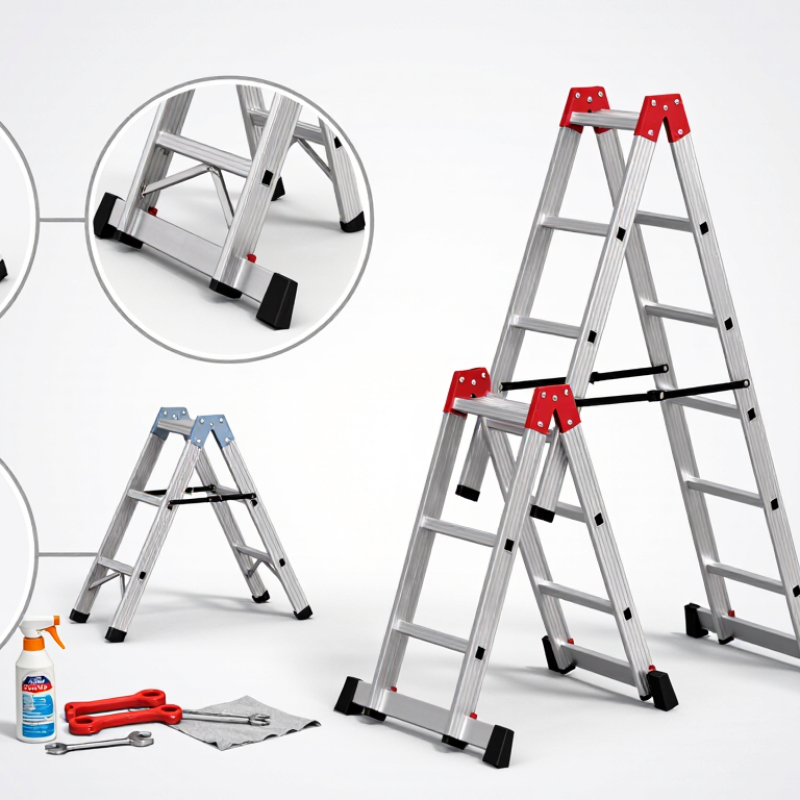
A professional buyer should inspect the feet, rung surfaces, spreaders, rivets, and labels before purchase. Rubber feet should grip firmly without cracking or sliding across a smooth floor. Rungs need a secure step pattern, especially when dust or moisture is present. The best model is not always the tallest or cheapest. An oversized ladder can be difficult to position and tempting to overreach from. That mistake is common. Use the ladder within its instructions, on firm, level ground, and with three points of contact. Check local safety requirements and the manufacturer’s current guidance before regular use. Independent testing and clear warranty terms can strengthen confidence, but marketing claims still deserve careful review. I may favor a compact model for home repairs, yet a contractor may need greater capacity and frequent setup. There is no perfect ladder. The goal is a defensible choice: stable, suitable, easy to inspect, and appropriate for the person using it.
2026 Best Aluminum Ladder Buying Guide?

What Is an Aluminum Ladder and Why Choose One in 2026?

An aluminum ladder is portable access equipment built from lightweight aluminum alloy. Its rails and steps resist rust, making it suitable for garages, warehouses, workshops, and outdoor maintenance. Aluminum also offers a practical strength-to-weight balance. One person can usually reposition it without dragging heavy steel across the floor.

The choice deserves care. The U.S. Occupational Safety and Health Administration reports that falls remain a leading cause of workplace fatalities, with 395 construction deaths from falls in 2022.

A light ladder cannot compensate for poor setup. Check its duty rating, step depth, locking spreaders, feet, and visible damage before every use.

Keep it away from electrical lines because aluminum conducts electricity. That detail is easy to overlook.

Environmental performance also matters in 2026. The International Aluminium Institute reports that almost 75% of all aluminum ever produced remains in use today, supported by recycling and long service life.

Still, recycled content differs between products. Ask for documented material information when possible. In my experience, a stable ladder with clear instructions is more valuable than an impressive weight figure.

I have also seen users choose aluminum for convenience, then ignore slippery ground. That is not a material failure. It is a buying mistake.

Which Aluminum Ladder Types Fit Different Tasks and Workspaces?

2026 Best Aluminum Ladder Buying Guide

Which Aluminum Ladder Types Fit Different Tasks and Workspaces?

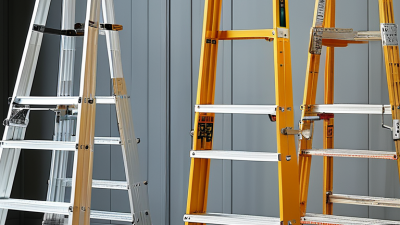
Choosing the right aluminum ladder depends on height, movement, and available floor space. A stepladder suits indoor repairs, shelving, and ceiling lights. Its wide feet feel stable on level flooring. Choose a platform model when both hands need freedom for painting or installing fixtures. The top standing area should feel roomy, not cramped.

An extension ladder works better for gutters, roof edges, and tall exterior walls. It needs clear ground and overhead space. A telescoping ladder stores easily in apartments or service vehicles. However, its joints require careful inspection before every use. I have found compact designs convenient, but they can feel less steady on uneven surfaces. Aluminum conducts electricity, so keep every aluminum ladder away from energized equipment and wiring.

Tips: Match the ladder’s rated load to your body, clothing, tools, and materials. Open stepladders fully and lock every spreader. Keep both feet on the designated steps. Clean mud from the feet before indoor use. Check rails, rivets, hinges, and locking hooks for bends or looseness. Follow the supplied instructions, even when the setup looks familiar. A taller ladder is not automatically safer. For narrow rooms, a compact platform ladder may provide better control than an oversized extension model. Test the workspace before carrying the ladder inside. Walls, doors, and ceiling fans are easy to overlook.

How to Evaluate Ladder Height, Load Capacity, and Safety Features

2026 Best Aluminum Ladder Buying Guide

Choosing ladder height requires more than measuring the wall. A ladder’s listed length is not its safe working height. Measure the work area, then allow room for stable footing and comfortable reach. Overstretching causes many avoidable falls. For extension ladders, check the overlap between sections and keep the base on firm, level ground. Never rely on a ladder’s maximum height alone.

Load capacity must include your body, clothing, tools, and carried materials. A 200-pound user with a heavy tool bag may exceed a seemingly suitable rating. Select a capacity above your calculated total. Aluminum is light and practical, but it conducts electricity. Keep it away from power lines and exposed electrical sources. Inspect the rails, steps, feet, hinges, and locking parts before every use. Small damage matters.

Tips:

Choose wide, slip-resistant feet for smooth floors. Look for clear locking indicators and strong spreader braces. Keep both hands free when climbing. Face the ladder. Avoid standing on the top platform unless the instructions specifically allow it. I still recheck the setup when the surface looks stable; appearances can be misleading. A few extra seconds may prevent a serious mistake.

Which Materials, Designs, and Certifications Indicate Better Quality?

A quality aluminum ladder starts with the alloy, but the alloy number alone proves little. Common structural alloys, such as 6061 or 6063 aluminum, can offer useful strength and corrosion resistance. Yet wall thickness, weld quality, rung attachment, and joint design often matter more. A ladder may look rigid on a showroom floor and still flex under uneven loading.

The U.S. Consumer Product Safety Commission’s National Electronic Injury Surveillance System records roughly 500,000 ladder-related emergency-department injuries annually in the United States. That estimate makes stability more than a comfort feature. Look for wide, slip-resistant feet, secure spreader locks, reinforced top caps, and evenly spaced rungs. Professional guidance from OSHA 29 CFR 1910.23 also emphasizes maintaining ladders free from structural defects and using them on stable, level surfaces. Small details matter.

Certifications should identify a recognized standard, not merely display vague words like “tested” or “heavy duty.” For portable metal ladders, ANSI ASC A14.2 specifies design, construction, performance, and testing requirements. In Europe, EN 131 covers portable ladder dimensions, strength, and safety testing. Prefer documentation showing the exact standard, ladder type, duty rating, and testing organization. Be skeptical of impressive labels without traceable records. I have seen specifications hide important limits, especially on platform height and uneven-ground use. A better buying decision still requires checking the manual, load rating, hinge movement, and feet before purchase.

How to Compare Prices, Maintain Aluminum Ladders, and Buy Wisely

2026 Best Aluminum Ladder Buying Guide?

Buying an aluminum ladder wisely means comparing more than the sticker price. Check its height, duty rating, platform size, hinge quality, and rubber feet. A cheaper ladder may have thinner rails or weaker joints. That difference matters when the ladder shakes on a tiled floor. Compare shipping, warranty coverage, replacement feet, and return policies too. Independent user reviews can reveal problems that product descriptions omit. Still, reviews are imperfect evidence.

Tips:

Measure the highest point you must reach, then choose suitable working height. Never stand on the top step unless the instructions clearly allow it. Inspect every hinge, rivet, step, and foot before use. Look for bending, sharp edges, loose hardware, or unusual movement. Stop using damaged equipment. It is not worth guessing.

Maintenance is simple but often neglected. Wipe aluminum surfaces after dusty, oily, or wet work. Dry the ladder before storage, and keep it away from corrosive chemicals. Store it horizontally or secure it vertically, preferably in a dry area. Do not drill, weld, or modify the frame. These changes can weaken its tested structure. I would also record the purchase date and inspection notes. That small habit makes replacement decisions easier. No guide predicts every job, so choosing a stable, manageable ladder is often wiser than buying the tallest one.

TOP
Nation Wide Ladder

Nation Wide Ladder