
NATION WIDE LADDER & EQUIPMENT
NH: 603-434-6911MA: 508-754-3030ME: Regular weekly deliveries from NH
- Home
- Blog
Let Nationwide Ladder & Equipment Help You Find What You Need.
10 Aluminum Ladder Buying Tips for Global Buyers?
Buying an aluminum ladder for international use involves more than comparing prices and product photos. Buyers must assess safety, durability, supplier reliability, and delivery conditions before placing an order. A ladder may look strong online, yet its joints, feet, and locking mechanisms deserve closer attention.
This guide presents ten practical buying tips for global buyers. It considers alloy quality, load capacity, ladder height, platform design, surface treatment, and packaging protection. It also highlights supplier audits, test reports, product labels, and after-sales support. Experienced purchasers often request samples and inspect welds, rivets, hinges, and non-slip feet before approving larger orders. Small details matter. A damaged corner or loose hinge can create serious problems during daily use.
International requirements may differ by market, industry, and application. Therefore, buyers should confirm applicable specifications with qualified local professionals and request clear technical documentation from suppliers. Price alone is a weak decision tool. Freight costs, replacement parts, warranty terms, and delivery consistency can change the real purchase value. A perfect checklist does not exist. Even careful buyers may overlook packaging strength or unclear instructions. That is why every aluminum ladder evaluation should include practical testing, documented communication, and a realistic review of supplier performance. These steps support safer purchasing decisions and help build dependable long-term sourcing relationships.
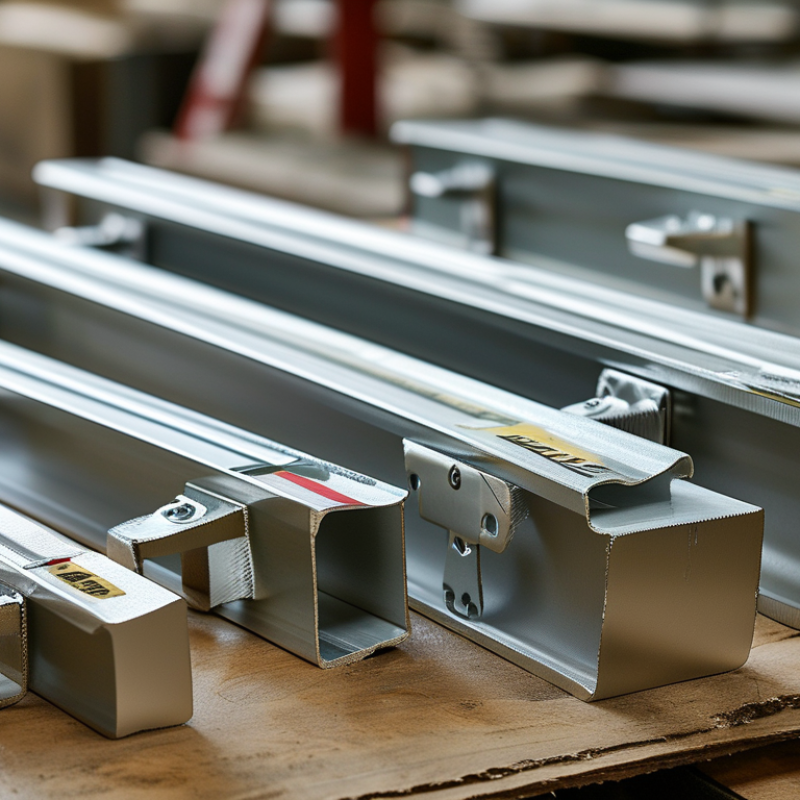
Table of Contents
[Hide]
Understanding Aluminum Ladder Types and Their International Uses
Aluminum ladders serve different international jobs, so type selection should match the working environment. Step ladders suit indoor maintenance, retail stockrooms, and short electrical tasks. Extension ladders provide greater reach for façades, warehouses, and agricultural buildings. Telescopic models save shipping space, but their locking systems need careful inspection. Platform ladders offer steadier footing during longer tasks. Multipurpose designs can support several positions, although they may feel heavier during daily transport.
Consider the alloy, duty rating, closed length, and maximum working height. These details affect shipping costs, storage, and safe operation. Check rung spacing and surface grip, especially for wet or dusty regions. Salt air can accelerate corrosion around fittings and joints. Powder coating may help, but it cannot replace proper cleaning. Ask for load documentation, inspection guidance, and replacement-part availability. Verify the product against destination-market requirements before ordering. Standards differ.
A lower price can look attractive. That choice can age badly. Buyers sometimes focus on height and overlook folded dimensions. A container may have room for length, but not for protective packaging. Inspect welds, hinges, feet, and locking indicators before regular use. For remote projects, choose a design that local workers can understand without complicated tools. A ladder that travels well but feels unstable is a poor export decision. Practical testing still matters more than a polished specification sheet.
Checking Load Ratings, Dimensions, Materials, and Safety Features
When buying an aluminum ladder internationally, verify its load rating before comparing prices. ANSI/ASC A14.2 classifies portable metal ladders by duty rating, including 250, 300, and 375 pounds. Select a rating that covers the user, tools, and materials together. Do not rely on body weight alone. OSHA’s 2022 data recorded 395 fatal falls among 1,069 construction fatalities, showing why capacity decisions deserve careful attention. Check the certification and test method, not only a printed number.
Measure the closed length, working height, base width, rung spacing, and storage footprint. A ladder that fits a warehouse may fail inside a narrow service room. For extension models, confirm maximum extension and safe overlap. Aluminum is light and corrosion-resistant, but it conducts electricity. Keep it away from energized equipment, and review local electrical-safety rules. Examine alloy thickness, rung attachment, platform strength, non-slip feet, locking hooks, spreader braces, and readable warning labels. ANSI/ASC A14.2 also addresses design and performance requirements, but local standards may differ.
Field inspections often reveal small problems: bent rails, loose rivets, worn feet, or locks that engage unevenly. Ask for inspection records and replacement-part availability. A polished finish can hide weakness. This is easy to miss. Avoid choosing solely by weight or appearance; a lighter ladder may flex more under a shifting load. Recheck dimensions against real footwear and working posture. A slightly wider base often feels safer, though it can complicate transport. Safety decisions are rarely perfect, so document the compromise.
Comparing Global Standards, Certifications, and Compliance Requirements
10 Aluminum Ladder Buying Tips for Global Buyers?
Global ladder procurement is a compliance exercise, not only a price comparison. EN 131 covers European portable ladders, including design, testing, marking, and user instructions. ANSI A14.2 applies to portable metal ladders in the United States. Australia and New Zealand commonly reference AS/NZS 1892.1. These standards are not interchangeable. Check the exact model, test method, duty rating, and certificate scope. A supplier’s general certificate may not cover your ladder.
Start with ten checks: standard edition, product category, load rating, slip resistance, rung spacing, locking systems, corrosion testing, labels, instructions, and traceability. The U.S. Consumer Product Safety Commission’s NEISS data has repeatedly indicated over 100,000 ladder-related emergency-department injuries annually. Small design details matter. A loose hinge can become a serious hazard. So can unreadable warnings.
Request laboratory reports, batch records, and photographs of permanent markings. Confirm whether testing covers aluminum alloy, joints, feet, and extended configurations. EN 131 and ANSI testing can produce different evidence, even for similar products. I have seen buyers accept a certificate without checking its revision date. That was a costly oversight. Certification helps, but it does not replace incoming inspection. Measure the closed length, inspect welds, and test every locking point before shipment. Compliance is sometimes less tidy than sales documents suggest.
10 Aluminum Ladder Buying Tips for Global Buyers — Comparing Global Standards, Certifications, and Compliance Requirements
| Buying Tip | What to Compare | Relevant Standard or Regulation | Typical Compliance Position | Documents or Evidence to Request | Important Technical Check |
|---|---|---|---|---|---|
| 1 Identify the destination market first | Confirm the country of sale, intended workplace, and whether the ladder is for domestic, commercial, industrial, or professional use. | Requirements differ by jurisdiction. Common references include EN 131, ANSI ASC A14.2, AS/NZS 1892.1, CSA Z11, and applicable workplace rules. |
Market-specific A ladder compliant in one market may not satisfy another market’s labeling, testing, or workplace requirements. |
Destination-market compliance statement, applicable test reports, product specification, and user instructions in the required language. | Verify that the exact ladder model and configuration—not only a similar product family—are covered by the evidence. |
| 2 Match the ladder type to the correct standard | Compare step ladders, leaning ladders, telescopic ladders, extension ladders, platform ladders, and fixed access ladders separately. | EN 131 generally covers portable ladders in Europe. ISO 14122-4 applies to fixed means of access to machinery and is not a substitute for a portable-ladder standard. |
Scope-dependent The correct standard depends on product design, intended use, and installation method. |
Product classification, dimensional drawings, intended-use statement, and the standard’s scope section cited in the test report. | Check rung spacing, platform dimensions, opening dimensions, locking systems, and stability features for the specific ladder type. |
| 3 Confirm the rated load and duty classification | Compare the maximum permitted user load, including tools and materials, rather than comparing only the ladder’s net weight. | North American products commonly use ANSI ASC A14.2 duty-rating categories. European products use the applicable EN 131 requirements and product marking. |
Must be marked The load rating should be clear, durable, and consistent with the instructions and test documentation. |
Load-rating declaration, structural test results, product label artwork, and instructions specifying user, tools, and material limits. | Do not add the user’s weight to the ladder rating without also accounting for footwear, tools, equipment, and carried materials. |
| 4 Check electrical-use limitations | Determine whether the ladder will be used near electrical equipment, overhead lines, or energized circuits. | Aluminum is electrically conductive. A standard aluminum ladder should not be treated as electrically non-conductive. Workplace rules such as OSHA 29 CFR 1910.23 address safe ladder use in the United States. |
Safety-critical Electrical clearance and use restrictions are generally controlled by workplace regulations and risk assessments. |
Electrical-use warning, user manual, hazard label, and any independent dielectric test report if a product is specifically marketed for electrical applications. | Do not accept a “non-conductive” claim for an aluminum ladder unless the product design and test evidence clearly support that claim. |
| 5 Verify stability and anti-slip performance | Compare base width, spreader locks, stabilizers, feet, rung profile, platform design, and resistance to sideways movement. | Stability and slip-resistance requirements are included in applicable ladder standards such as EN 131, ANSI ASC A14.2, and AS/NZS 1892.1. |
Performance-tested The configuration tested should match the configuration sold. |
Stability test report, friction or slip test data where applicable, component drawings, and replacement-foot specifications. | Confirm that replacement feet are compatible with the ladder model and that wear indicators or inspection limits are defined. |
| 6 Review material and corrosion protection | Compare aluminum alloy selection, wall thickness, weld quality, surface treatment, fasteners, hinges, and resistance to the intended environment. | The applicable product standard controls structural and safety performance; material declarations and chemical rules may also apply in the destination market. |
Application-dependent Salt spray, coastal, chemical, and outdoor use may require additional material and corrosion evaluation. |
Aluminum alloy or material declaration, coating information, corrosion test data when relevant, and quality-control records for welds and joints. | Look for galvanic corrosion risks where aluminum contacts steel, stainless steel, copper, or treated wood under wet conditions. |
| 7 Validate independent testing and laboratory competence | Compare who performed the testing, which methods were used, the report date, and whether the report identifies the exact model. | Testing laboratories may demonstrate competence through ISO/IEC 17025 accreditation. Accreditation alone does not replace compliance with the applicable ladder standard. |
Strong due diligence Third-party testing may be required by a buyer, regulator, retailer, or contract even when not universally mandated by law. |
Full test report, laboratory accreditation scope, sample identification, photographs, test method, deviations, and pass/fail results. | Check that the laboratory’s accreditation scope covers the relevant mechanical, dimensional, and ladder-testing methods. |
| 8 Do not assume that every market requires the same mark | Separate legal marks from voluntary quality marks, retailer requirements, and customer-specific certificates. | CE marking is not a universal approval mark for ordinary portable ladders. It may be relevant only when another applicable EU legislation requires it; applicable EU product-safety obligations still need to be assessed. |
Legislation-specific A certificate or logo should never be accepted without identifying the legal basis and product scope. |
Declaration of conformity where legally applicable, technical file summary, certification scope, certificate validity, and marking artwork. | Confirm the mark belongs to the exact product, model, manufacturer or importer, and applicable regulation—not merely to a factory or management system. |
| 9 Check labels, instructions, and traceability | Compare warning labels, maximum height or standing level, setup diagrams, inspection guidance, storage instructions, and language coverage. | Applicable standards such as EN 131, ANSI ASC A14.2, and CSA Z11 contain marking or instruction expectations. Workplace rules may add user-training requirements. |
Usually required Exact requirements vary by market and product type. |
Final label proof, multilingual manual, serial or batch traceability procedure, inspection checklist, and recall process. | Ensure the label remains legible after handling and cleaning, and that warnings match the actual ladder configuration. |
| 10 Audit ongoing production, not only the first sample | Compare incoming-material control, weld inspection, dimensional checks, load testing, change control, and corrective-action systems. | Product compliance is maintained through production controls and documented quality procedures. An ISO 9001 certificate may support process evaluation but does not prove ladder compliance by itself. |
Recommended control Buyer, retailer, or regulatory requirements may impose additional factory-audit or batch-testing conditions. |
Quality manual, inspection plan, batch records, calibration certificates, nonconformity records, change-notification procedure, and recent audit report. | Require re-evaluation after changes to alloy, extrusion profile, weld process, feet, hinges, locking parts, dimensions, or manufacturing location. |
Buyer note: Standards and legal requirements can change and may be interpreted differently by national authorities, employers, and retailers. Confirm the current requirements for the destination market and the exact ladder configuration before purchase.
Evaluating Suppliers, Customization Options, Pricing, and Minimum Orders
10 Aluminum Ladder Buying Tips for Global Buyers
Choosing an aluminum ladder supplier requires more than comparing catalog photos. Request factory details, material specifications, load tests, quality procedures, and export experience. A reliable supplier should explain alloy grades, weld inspection, rung spacing, surface treatment, and packaging methods clearly. Ask for recent inspection records, not only promises. Video audits can reveal storage conditions, worker practices, and production consistency.
Customization affects both performance and cost. Buyers may request special heights, platform sizes, colors, labels, anti-slip feet, or folded packaging. Confirm every detail in a signed drawing before production. A small change in rung spacing can alter tooling and testing requirements. Samples matter. Hold one in your hands, check joint movement, and place it on a slightly uneven floor. It should remain stable. My earlier mistake was trusting a polished sample without checking the production version. That deserves caution.
Pricing should include materials, tooling, inspections, packaging, freight terms, and possible replacement parts. A low unit price may hide expensive cartons or weak protective packaging. Ask for quotations at several quantities, such as 100, 500, and 1,000 units. Minimum order quantities are often negotiable when designs use standard components. For a custom ladder, however, suppliers may require a tooling deposit or higher MOQ. Discuss payment stages and lead times before approval. Leave room for defects, delays, and one awkward surprise.
Reviewing Shipping Terms, Packaging, Warranties, and After-Sales Support
When buying aluminum ladders internationally, shipping terms can change the real purchase cost. Confirm whether the quotation uses FOB, CIF, or DDP terms. Ask who handles export documents, insurance, port charges, and customs clearance. A low unit price can become expensive after arrival. It happens.
Request the packed dimensions and gross weight before placing an order. These figures affect container space and inland delivery fees. Strong packaging should include corner protection, moisture-resistant wrapping, and stable pallet loading. Long ladder sections can bend when poorly secured. Ask for photos of completed packing, carton labels, and pallet markings. I have seen attractive ladders arrive with scratched rails because thin cardboard could not resist shifting cargo. The solution is not always more packaging; excessive materials may increase freight and disposal costs. That balance deserves review.
Warranty terms should clearly state coverage, duration, inspection procedures, and exclusions. Confirm whether defects include damaged joints, loose steps, or surface corrosion. Ask how quickly the supplier responds to claims and sends replacement parts. Reliable after-sales support should provide installation guidance, inspection records, and a named contact. Keep written evidence, including photographs and batch details. A verbal promise is weak protection. Some buyers overlook this point until the first complaint. Test the support process before ordering by sending a technical question. A prompt, precise answer is useful evidence, although it cannot replace a formal agreement.
Related Posts
-

Step Ladder Tips for Safety and Efficiency in Home Projects?
-
Top Benefits of Using a Step Ladder in Your Home and Workplace?
-
How to Choose the Best Aluminum Ladder for Your Needs?
-

Explore the Top China Best Aluminum Ladder Options for Your Needs?
-

Top 10 Benefits of Using a Ladder Hoist for Construction Projects?
-
The Ultimate Guide to Choosing the Best Ladder Stabilizer?
What Can We Help You With?
CALL NOW TO ORDER
NH: 603-434-6911MA: 508-754-3030ME: Regular weekly deliveries from NH
CALL NOW TO ORDER
NH: 603-434-6911MA: 508-754-3030ME: Regular weekly deliveries from NH










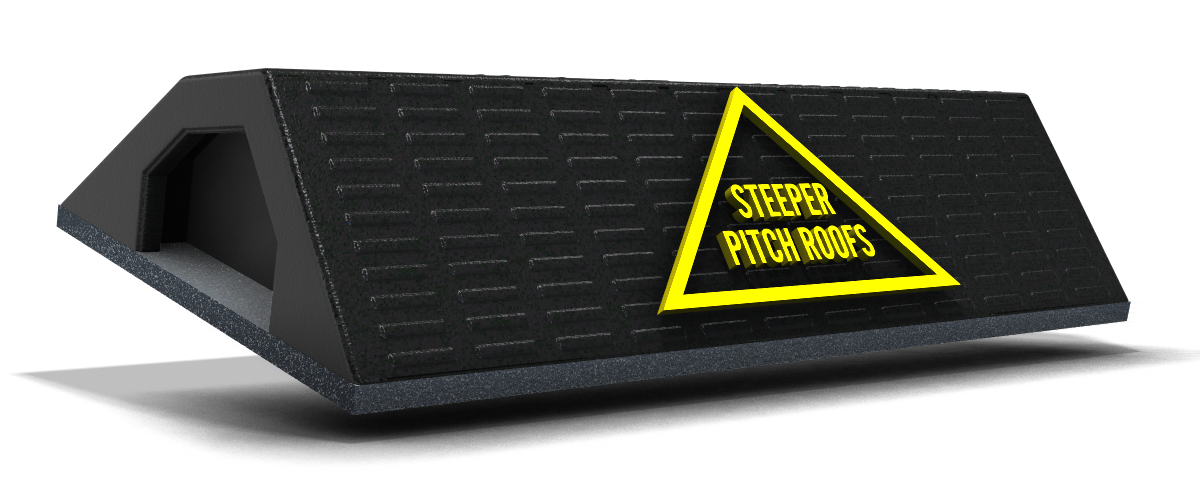
Featured Product

Streamlined. Safe. Flexible.
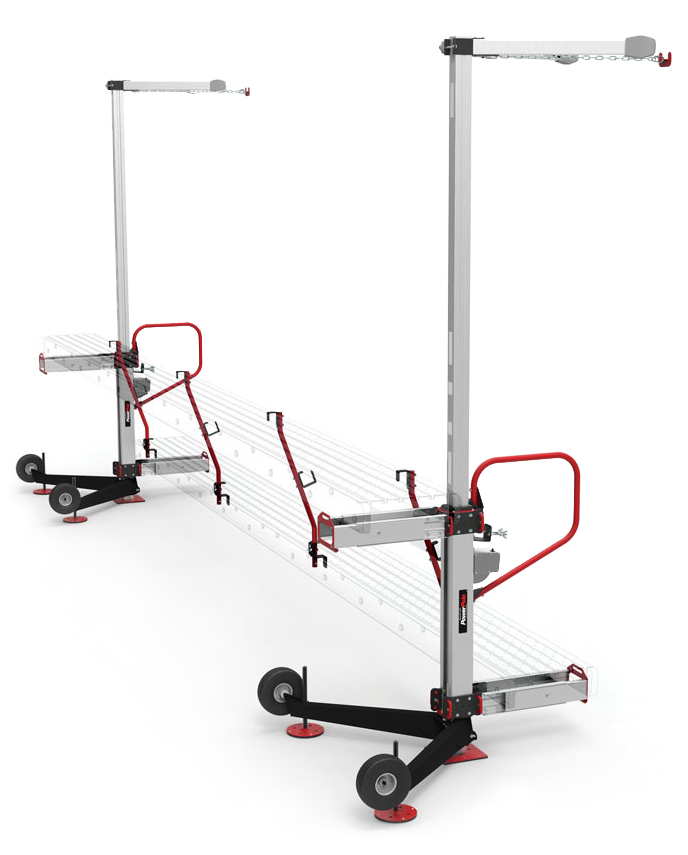
With the ReechCraft PowerPole, traditional scaffolding and pump jack systems are a thing of the past. Our streamlined design gains you access between buildings, on rooftops, around landscaping, and more. The PowerPole is perfect for contract work on residential areas.
See Products & Accessories
- ReechCraft Power Pole
- ReechCraft 4022465 – 10 in. x 10 in. Base Foot
- ReechCraft Platform Support
- ReechCraft 4022179 – Platform Support with PowerLatch Connector
- ReechCraft PowerLatch Assembly
- ReechCraft 4022084 – PowerPole 12 ft Pole Section
- ReechCraft 4022435 – PowerPole 6 ft Pole Section
- ReechCraft 4028334 – PowerPole Climbing Unit
- ReechCraft 4022096 – PowerPole Coupler
- ReechCraft 4022629 – PowerPole Extendable V-Brace
- ReechCraft 4022791 – PowerPole Outrigger
- ReechCraft 4022432 – PowerPole Standoff Tie
- ReechCraft 4022178 – PowerPole Super Standoff Tie
- ReechCraft 4022629 – PowerPole V-Brace
- ReechCraft 4022756 – Single Man Basket
- ReechCraft 4022071 – SpeedRail Endrail (Two-Pack)
- ReechCraft 4022765 – SpeedRail Midrail Post (Two-Pack)

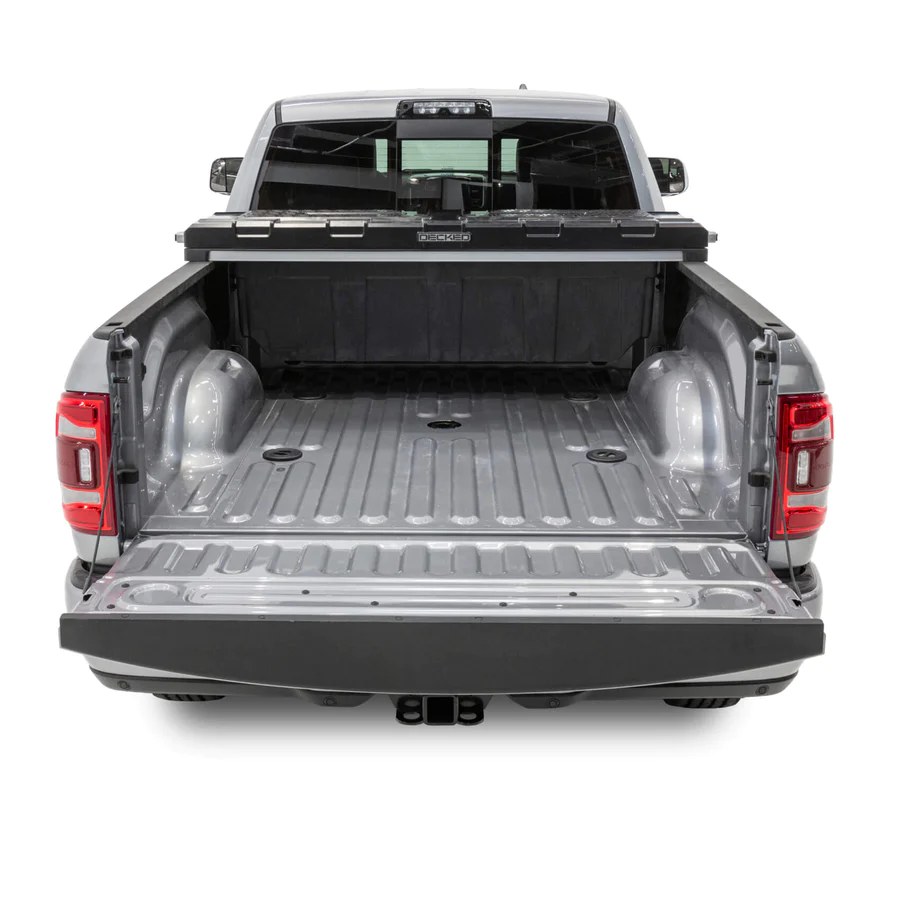
Headache Racks That Turn Heads


See Products & Accessories

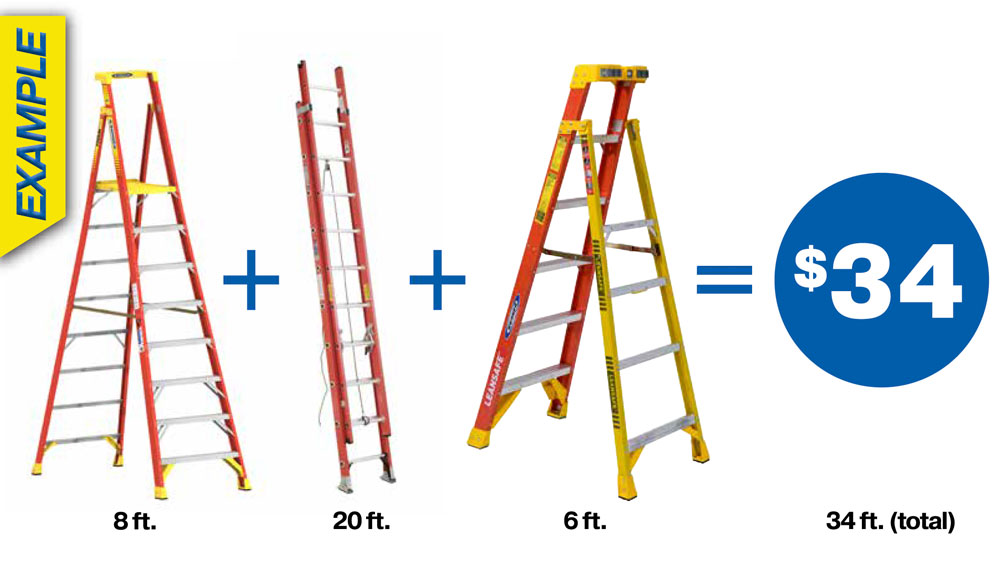
June 2022 - Month Long Promotion
Buy any of the listed Werner ladders and get
$1 Off Per Foot
Demo and Safety Day
Don't miss our WernerCo Sfety and Demo Day BBQ
June 23rd, 2022 from 10am - 2pm
Chance to win giveaways
Cookout from 10am - 2pm
Werner fall protection and Weatherguard Specialists on site to answer any questions and perform safety and product demonstrations.

System One Modular Truck Equipment for New Hampshire, Massachusetts, Connecticut, Rhode Island, Vermont, and Maine Contractors
- Lewiston, ME
- Bar Harbor, ME
- Lexington, MA
- North Andover, MA
- East Hampton, CT
- Meredith, NH
- Concord, NH
- Bennington, VT
- Biddeford, ME
- West Fairlee, VT
- Hopkinton, RI
- Freeport, ME
- Danbury, CT
- Waterboro, ME
- Winslow, ME
- Buxton, ME
- Southington, CT
- Milford, NH
- Pownal, VT
- South Berwick, ME
- North Haven, CT
- Atkinson, NH
- Farmington, NH
- Whitingham, VT
- Pelham, NH
- Essex, VT
- Wallingford, VT
- Laconia, NH
- Narragansett, RI
- Fair Haven, VT
- Sandown, NH
- New London, NH
- Portsmouth, RI
- Haverhill, NH
- Needham, MA
- Bridgewater, MA
- Middletown, RI
- Montpelier, VT
- Barre, VT
- St. Johnsbury, VT
- Livermore Falls, ME
- Sandwich, MA
- Newport, RI
- Raymond, NH
- Tunbridge, VT
- Barnet, VT
- Brooksville, ME
- Gorham, ME
- Litchfield, ME
- Bristol, CT
- Rumford, ME
- Thompson, CT
- Dover, VT
- Westminster, VT
- Waitsfield, VT
- Torrington, CT
- Scituate, RI
- Barnstead, NH
- Lovell, ME
- Barton, VT
- Unity, ME
- Skowhegan, ME
- Groton, CT
- Northfield, VT
- Hopkinton, NH
- Limerick, ME
- Candia, NH
- Berwick, ME
- Killington, VT
- Peacham, VT
- North Hampton, NH
- Randolph, MA
- Bloomfield, CT
- Watertown, MA
- Wilmington, MA
- Methuen, MA
- Nashua, NH
- Plymouth, NH
- Newmarket, NH
- Alfred, ME
- Caribou, ME
- Weymouth, MA
- North Yarmouth, ME
- Bethel, CT
- Rocky Hill, CT
- Bristol, RI
- Sabattus, ME
- Salem, MA
- Londonderry, NH
- Chester, NH
- Westford, VT
- Stamford, CT
- Vershire, VT
- East Hartford, CT
- Norwich, CT
- Stratham, NH
- Windham, NH
- Vernon, CT
Knaack Jobsite Boxes, Chests, Cabinets, Workbenches, Field Offices, and Accessories
- Raymond, ME
- Fairfax, VT
- Presque Isle, ME
- Highgate, VT
- Norridgewock, ME
- Old Saybrook, CT
- Marblehead, MA
- Nashua, NH
- Mashpee, MA
- Auburn, NH
- Bowdoin, ME
- Milford, CT
- Bolton, CT
- Mendon, VT
- Dartmouth, MA
- Portland, CT
- North Haven, CT
- New Gloucester, ME
- Bourne, MA
- New Canaan, CT
- Belmont, NH
- Rutland, VT
- Fitchburg, MA
- Waterbury, CT
- Burlington, VT
- Fair Haven, VT
- Bethel, VT
- Greene, ME
- Chicopee, MA
- New London, CT
- Gloucester, MA
- Mechanic Falls, ME
- Wilmington, MA
- Fairfield, CT
- Methuen, MA
- Newport, ME
- Bakersfield, VT
- Monroe, CT
- Meriden, CT
- Prospect, CT
- Thomaston, ME
- Watertown, MA
- Winchester, ME
- Hampstead, NH
- Gilford, NH
- Pownal, VT
- Essex Junction, VT
- Lincoln, ME
- East Lyme, CT
- Tolland, CT
- Naugatuck, CT
- Dennis, MA
- Waldoboro, ME
- Derry, NH
- Bridgewater, MA
- Windham, NH
- Longmeadow, MA
- West Rutland, VT
- Warren, ME
- Coventry, RI
- Whitingham, VT
- Bow, NH
- Norway, ME
- Smithfield, RI
- Sharon, VT
- Amherst, MA
- Wells, ME
- Sabattus, ME
- Stoughton, MA
- Thetford, VT
- Tewksbury, MA
- Norwich, CT
- Rochester, VT
- Gray, ME
- Madison, ME
- Leominster, MA
- Newington, CT
- Sutton, VT
- Shelton, CT
- East Hampton, CT
- Darien, CT
- Haverhill, NH
- Houlton, ME
- Foster, RI
- Medford, MA
- Littleton, NH
- Seymour, CT
- Harrisville, RI
- Killingworth, CT
- Bellows Falls, VT
- Lunenburg, VT
- Saco, ME
- Peterborough, NH
- Frankfort, ME
- Albany, VT
- Plainville, CT
- North Kingstown, RI
Thule TracRac from the Thule TracRac Resellers New England Trusts
- South Windsor, CT
- Melrose, MA
- Manchester, CT
- Limerick, ME
- Glocester, RI
- South Portland, ME
- Brookline, NH
- Killingworth, CT
- Thompson, CT
- Groton, CT
- Montgomery, VT
- Mendon, VT
- Derby, VT
- Newington, CT
- Somersworth, NH
- West Haven, CT
- Merrimack, NH
- Bellows Falls, VT
- South Berwick, ME
- Gorham, ME
- Marblehead, MA
- Hudson, MA
- Alton, NH
- Jericho, VT
- Simsbury, CT
- Skowhegan, ME
- Plaistow, NH
- North Andover, MA
- Camden, ME
- Brookfield, CT
- Vergennes, VT
- Pittsfield, ME
- Hartford, VT
- Sanford, ME
- Swanzey, NH
- Kingston, NH
- Alfred, ME
- Needham, MA
- West Springfield, MA
- Underhill, VT
- Middletown, CT
- Amherst, NH
- Sidney, ME
- Natick, MA
- South Kingstown, RI
- Vershire, VT
- Richmond, ME
- Quincy, MA
- Bolton, CT
- Hallowell, ME
- West Hartford, CT
- Wardsboro, VT
- Avon, CT
- Bridgeport, CT
- Sudbury, MA
- Waltham, MA
- Marion, MA
- Waterbury, CT
- Southbury, CT
- Vernon, CT
- Warwick, RI
- Pembroke, NH
- Leominster, MA
- Torrington, CT
- Weare, NH
- Barrington, NH
- New Bedford, MA
- Charlestown, RI
- Jefferson, ME
- Pittsfield, MA
- Newport, NH
- Madison, ME
- Providence, RI
- Brookline, MA
- South Hadley, MA
- Barnstead, NH
- Peabody, MA
- Madison, CT
- Raymond, ME
- Barre, VT
- Augusta, ME
- Belmont, MA
- Ellington, CT
- Cambridge, MA
- Claremont, NH
- Falmouth, MA
- North Yarmouth, ME
- Norridgewock, ME
- Ipswich, MA
- East Providence, RI
- Johnston, RI
- Bedford, NH
- Scituate, RI
- Huntington, VT
- Seabrook, NH
- Danville, VT
- Clinton, CT
- Eliot, ME
Purchase Alum-A-Pole Products from Nation Wide Ladder – Ladder Distributors in MA, NH, CT, ME, VT, and RI
- Providence
- Cranston
- Warwick
- Pawtucket
- East Providence
- Woonsocket
- Newport
- Central Falls
- Manville
- Harrisville
- Burlington
- Barre
- South Burlington
- Rutland
- Essex Junction
- St Albans
- Montpelier
- Winooski
- Bellows Falls
- Newport
Purchase 28 Ft Extension Ladders from Nation Wide Ladder – Ladder Distributors in MA, NH, CT, ME, VT, and RI
- Providence
- Cranston
- Warwick
- Pawtucket
- East Providence
- Woonsocket
- Newport
- Central Falls
- Manville
- Harrisville
- Burlington
- Barre
- South Burlington
- Rutland
- Essex Junction
- St Albans
- Montpelier
- Winooski
- Bellows Falls
- Newport
Purchase 40 Ft Extension Ladders from Nation Wide Ladder – Ladder Distributors in MA, NH, CT, ME, VT, and RI
- Providence
- Cranston
- Warwick
- Pawtucket
- East Providence
- Woonsocket
- Newport
- Central Falls
- Manville
- Harrisville
- Burlington
- Barre
- South Burlington
- Rutland
- Essex Junction
- St Albans
- Montpelier
- Winooski
- Bellows Falls
- Newport
Purchase 28 Ft Fiberglass Extension Ladders from Nation Wide Ladder – Ladder Distributors in MA, NH, CT, ME, VT, and RI
- Providence
- Cranston
- Warwick
- Pawtucket
- East Providence
- Woonsocket
- Newport
- Central Falls
- Manville
- Harrisville
- Burlington
- Barre
- South Burlington
- Rutland
- Essex Junction
- St Albans
- Montpelier
- Winooski
- Bellows Falls
- Newport