NATION WIDE LADDER & EQUIPMENT
NH: 603-434-6911MA: 508-754-3030ME: Regular weekly deliveries from NH
- Home
- Blog
Let Nationwide Ladder & Equipment Help You Find What You Need.
2026 Best Ladder Lift for Global Buyers?
Choosing the best ladder lift for 2026 is not simply a question of brand, price, or lifting height. Global buyers must examine payload, platform stability, motor protection, control systems, spare-part access, and local technical support. A reliable machine should move tiles, glass panels, insulation rolls, or tools smoothly beside a building. It should also stop predictably on uneven ground.
Markus Böcker, a senior executive associated with Böcker Maschinenwerke, describes the core principle clearly: “A ladder lift is a safety system, not merely a transport machine.” That view deserves attention. A powerful motor means little when the ladder angle, anchoring method, or operator training is inadequate. Site conditions vary sharply between a narrow European street, a humid Southeast Asian project, and a dusty construction site in Africa. One model cannot be perfect everywhere.
Real buying decisions also involve service response. Can technicians identify a brake fault quickly? Are replacement cables available near the buyer’s market? Does the manual explain inspection steps without vague language? These questions often reveal more than a polished product photo. The comparison in this guide considers performance, safety design, operating convenience, compliance expectations, and lifetime cost. It will not pretend that every ranking is universal. Some conclusions may change after field testing, which remains essential before a major purchase.
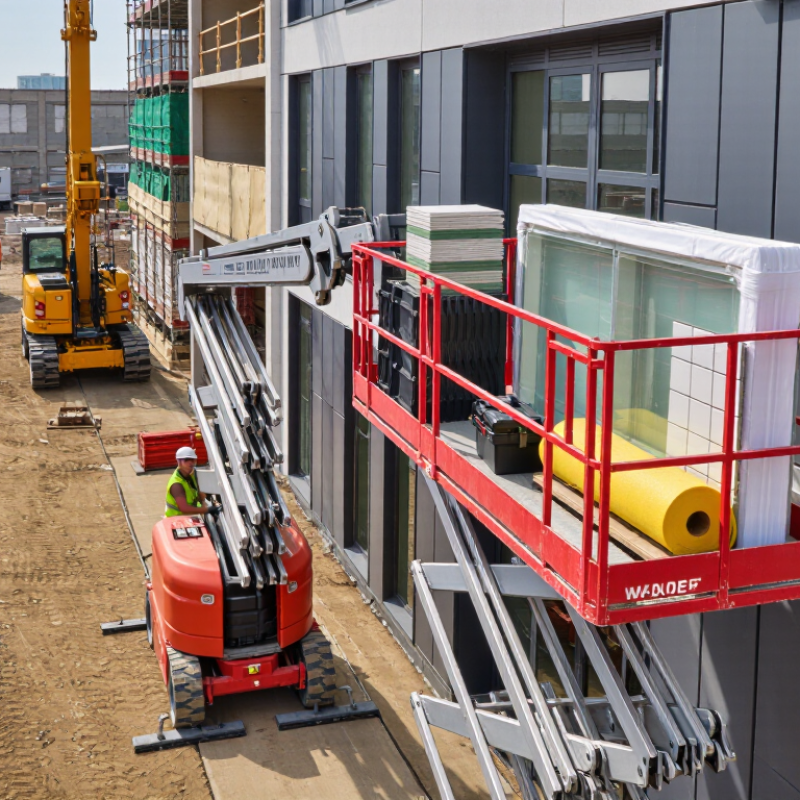
Table of Contents
[Hide]
What Is a Ladder Lift and How Does It Work?
2026 Best Ladder Lift for Global Buyers?
What Is a Ladder Lift and How Does It Work?
A ladder lift is a compact material-handling machine for moving items along an inclined rail. It commonly serves construction, renovation, roofing, and maintenance work. Unlike a passenger lift, it is designed for materials, not people. A platform or carrier travels up the ladder track using an electric motor, cable, belt, or chain drive. Operators load materials at ground level, secure them, and control the ascent from a safe position.
The system usually includes a base frame, telescopic ladder rail, drive unit, carrier, limit switches, and emergency controls. Adjustable angles help reach balconies, roofs, and upper floors. However, carrying capacity changes with rail length, slope, anchoring, and weather. A 250-kilogram rating may not apply at maximum extension. This detail is often misunderstood.
The European Standard EN 12158-1 addresses construction hoists for materials, while ISO 4309 highlights inspection principles for wire ropes and lifting equipment. The International Powered Access Federation reported 108 powered-access fatalities worldwide in 2023, showing why equipment selection and operator training matter. A ladder lift is not automatically safe because it is small. Wind loading, loose bricks, poor anchoring, and rushed loading can create serious instability. Buyers should verify rated capacity, travel speed, emergency stopping, electrical protection, and available technical documentation. Local standards still require checking. Global purchasing can make that step easy to overlook.
Which Ladder Lift Types Will Suit Different Global Applications in 2026?
In 2026, global buyers will need to match ladder lift types with actual site conditions. The cheapest model may create higher costs later. Application, load, travel height, and local safety requirements should guide the decision.
Compact electric ladder lifts suit warehouses, shops, and indoor renovation projects. They usually offer low noise, simple controls, and easy movement through narrow spaces.
For roof tiles, solar panels, and air-conditioning units, a powered material ladder hoist can provide steady vertical delivery. Operators should confirm the rated load, platform size, brake system, and emergency stop before purchase.
Space matters.
Weather changes everything.
Tracked stair-climbing lifts work better on uneven construction sites or long staircases. Wheeled models may be more practical for hotels, hospitals, and maintenance teams with smooth floors.
For frequent outdoor use, buyers should examine weather resistance, battery performance, wheel grip, and transport weight. A lift designed for indoor work may perform poorly on wet ground.
Experienced installers also check spare parts, training access, inspection records, and service support in the destination country. Material lifts must not carry people unless specifically certified for that purpose. Local regulations can differ, even between neighboring markets.
I have seen buyers focus on lifting height while overlooking doorway width and storage space. That mistake is easy to repeat. A careful site survey, verified load chart, and practical operator trial usually reveal whether the selected ladder lift truly fits the application.
How Should Buyers Compare Ladder Lift Safety, Capacity, and Reach?
2026 Best Ladder Lift for Global Buyers?
Choosing a ladder lift should begin with safety, not maximum height. Check guardrails, emergency stops, braking performance, and platform stability. A reliable lift should remain steady on uneven paving, not only on a smooth warehouse floor. Wet gloves, poor lighting, and narrow access routes can change operator control. These details often matter more than a polished product photograph.
Capacity requires careful calculation. Add the worker, ladder, tools, and materials before comparing rated loads. Never treat the published limit as a comfortable working target. A small buffer is wiser. Consider how weight shifts when a ladder is extended or moved near an edge. Ask for test records, inspection guidance, and maintenance intervals. Clear documentation shows professional engineering and supports safer purchasing decisions.
Reach should match the real worksite, including overhead clearance and side access. Excessive reach may increase sway, setup time, and transport difficulty. Limited reach can encourage unsafe leaning or makeshift extensions. Measure the highest working point, doorway width, floor slope, and storage space. Local electrical conditions and safety requirements also deserve verification before shipment. I would compare independent test evidence, operator training, spare-part access, and service support. No comparison is perfect. Actual site trials may reveal problems that specifications hide.
2026 Best Ladder Lift for Global Buyers?
How should buyers compare ladder lift safety, capacity, and reach?
How to use this framework: Safety receives the highest weighting because buyers should first verify guarding, emergency stopping, overload protection, braking, operator access, and compliance documentation. Capacity and vertical reach should then be matched to the intended load and building height. Installation and after-sales support complete the comparison because reliable commissioning and maintenance directly affect long-term operating safety. These percentages are a product-neutral purchasing framework, not manufacturer performance claims.
What Standards and Features Matter When Buying Across Countries?
For global buyers, a ladder lift is not simply a faster way to move materials. Country-specific standards, electrical systems, and worksite conditions can change the buying decision. EN 131 covers portable ladders in Europe, while ANSI A14 addresses ladder safety in the United States. Australia and New Zealand commonly reference AS/NZS 1892. These standards may not fully cover powered ladder lifts, so buyers should request risk assessments, load testing, guarding details, and technical files. A certificate alone is not enough.
Safety data shows why this matters. The U.S. CDC and NIOSH have reported more than 100 workplace ladder-fall fatalities and thousands of serious injuries annually. The Liberty Mutual Workplace Safety Index also identified falls to lower levels as a major source of costly workplace injuries. Look for overload protection, controlled descent, emergency stops, mechanical brakes, and clear rated-load labels. Check whether the lift works with local voltage and whether its enclosure suits dust or moisture. Replacement parts and service response matter more than a polished brochure.
Tips: Ask for independent test reports, not only supplier declarations. Confirm the working load with real items, including packaging. Measure ladder angle, platform clearance, and landing space before ordering. Request manuals in the operator’s language. I would not pretend one standard fits every site. Local inspection rules can still differ, and that detail is easy to miss. A small mismatch, such as a plug, guard, or anchor point, may delay installation and create avoidable risk.
2026 Best Ladder Lift for Global Buyers? - What Standards and Features Matter When Buying Across Countries?
Use this comparison as a purchasing checklist for inclined ladder lifts and material hoists. The applicable rules depend on the lift’s design, intended use, installation, and destination country; confirm requirements with the local regulator or a qualified conformity-assessment professional.
| Buying dimension | What to check | Why it matters across countries | Buyer action |
|---|---|---|---|
| Product classification and standards | Identify whether the equipment is an inclined goods hoist, a vertically guided builders’ hoist, or a personnel-carrying hoist. Relevant European standards may include EN 12158-2 for certain inclined goods hoists, EN 12158-1 for certain vertically guided goods hoists, and EN 12159 for certain personnel and materials hoists. In the United States, OSHA construction-hoist rules include 29 CFR 1926.552; ASME A10.5 addresses material-hoist safety. | A standard’s scope depends on the lift’s configuration and use. A goods-only ladder lift should not be assumed suitable for carrying people. Standards and legal obligations differ by jurisdiction. | Request the model-specific risk assessment, applicable standards list, and written explanation of the product classification. Verify local adoption and current legal requirements. |
| Conformity and market access | For the EU, check applicable machinery legislation and conformity documentation. Regulation (EU) 2023/1230 generally applies from 20 January 2027; the Machinery Directive 2006/42/EC applies until then. For Great Britain and other markets, confirm the current local product-safety and marking rules rather than assuming one certificate is accepted everywhere. | A conformity mark or certificate for one market does not automatically establish compliance in every destination country. | Specify destination countries before ordering. Obtain the declaration of conformity, instructions in the required language, and any locally required approvals or registrations. |
| Rated load and load carrier | Check the rated working load, platform or carriage dimensions, permitted load distribution, and whether the rating changes with the installed track length, angle, or configuration. Confirm that the rating is for goods only unless personnel use is explicitly approved. | A single headline capacity may not describe every configuration. Overloading or an incorrectly distributed load can create serious hazards. | Ask for the rated-load plate and the manufacturer’s configuration-specific capacity limits. Include the heaviest item, packaging, and accessories in the load calculation. |
| Lift height, track length, and inclination | Confirm maximum travel, permitted track sections and extensions, approved operating angles, support spacing, anchoring method, and the required clearances at loading and unloading points. | The site geometry and installation method affect stability, capacity, and safe operation. A configuration suitable for one roof or façade may not suit another. | Provide site drawings and measurements before purchase. Have the proposed installation checked against the lift instructions and local building and workplace rules. |
| Electrical supply and controls | Match the nameplate voltage, frequency, phase, protective devices, plug or connection type, and control voltage to the installation. Supply systems differ: for example, many European supplies are 230 V at 50 Hz, while North American supplies commonly use 60 Hz and several voltage configurations. | A motor or control panel designed for a different supply may not operate correctly or safely. Voltage and frequency should never be inferred from the destination alone. | Confirm the exact electrical specification before shipment. Ask whether an approved local electrical connection, protective device, or qualified installation is required. |
| Safety devices | Check the specified emergency stop, limit switches, overload protection where fitted, braking or anti-fall provisions, guarded moving parts, secure load-retention features, and controls that prevent unintended operation. | The exact required safeguards depend on the lift design and applicable rules. Safety features must be compatible with the intended installation and use. | Request a safety-device list and functional test procedure. Confirm which checks are required before each use, after installation, and during periodic inspection. |
| Outdoor use and environmental protection | Verify the manufacturer’s stated weather limits, corrosion protection, electrical enclosure protection rating, operating temperature range, and restrictions for wind, rain, ice, or dusty environments. | An outdoor installation can expose equipment to conditions that affect electrical safety, grip, stability, and component life. An ingress-protection rating alone does not define safe operation in all weather. | Get the operating limits in writing and plan for inspection, cleaning, storage, and corrosion control appropriate to the site. |
| Installation, inspection, and maintenance | Review requirements for trained installation, anchoring, commissioning tests, routine inspection, maintenance intervals, and removal from service after damage or a safety-device fault. | Local laws may specify who can install, inspect, or operate lifting equipment and how records must be kept. | Confirm local service capability, spare-parts availability, inspection responsibilities, and the records needed for the worksite. |
| Documentation and language | Request operating and maintenance instructions, rated-load information, electrical drawings, parts lists, risk information, inspection guidance, and conformity documents in the languages required for the destination market. | Clear, locally usable instructions support correct operation and may be part of market-access or workplace requirements. | Make document delivery a contract requirement and check that manuals match the supplied model and configuration. |
| Shipping and lifecycle cost | Compare packing dimensions and weight, transport and import costs, installation needs, consumables, service intervals, replacement parts, and warranty terms for the destination country. | Purchase price alone does not show whether the lift can be installed, maintained, or repaired economically at the worksite. | Evaluate total cost of ownership and confirm delivery of critical spare parts and technical support where the lift will be used. |
Important: This table is general buying guidance, not a certification or legal determination. Confirm the current requirements for the exact product type, destination, and installation before purchase or use.
How Can Global Buyers Evaluate Costs, Suppliers, Installation, and Support?
For global buyers, the purchase price is only one part of a ladder lift’s cost. Compare the rated load, lifting height, duty cycle, power supply, and required safety features against the actual job. Ask suppliers for a written quotation covering freight, customs charges, commissioning, spare parts, and maintenance. A low quote can become expensive when a component is unavailable locally. Check the supplier’s technical documentation, warranty terms, service response times, and references for installations in similar climates and working conditions. Small details matter: measure the landing space, note the floor surface, and confirm where the operator will stand.
Installation deserves the same scrutiny as the equipment. Request drawings, site requirements, and a clear division of responsibility for anchoring, electrical work, testing, and operator training. CDC’s 2011 report on construction falls found ladders involved in 43% of fatal falls in the sector from 2003 to 2010; this is not lift-specific data, but it underlines why safe access and training cannot be afterthoughts. Ask for documented inspection procedures and practical training, not just a manual. Then price scheduled inspections and likely wear parts over the expected service life. It is easy to underestimate downtime. Supplier promises should be checked against named service contacts and realistic delivery times. A neat spreadsheet helps, but it cannot replace a site visit.
Related Posts
-
Top 10 Ladder Safety Tips You Need to Know?
-

Best Tips for Choosing the Right Werner Step Ladder?
-
Why Choose Pump Jacks for Global Construction Projects?
-

Best Werner Ladders for Global Buyers in 2026?
-
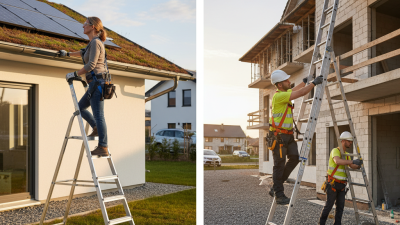
2026 Best Ladder Safety Tips for Home and Professional Use?
-

10 Best Ladder Safety Training Tips for a Safer Work Environment?
What Can We Help You With?
CALL NOW TO ORDER
NH: 603-434-6911MA: 508-754-3030ME: Regular weekly deliveries from NH
CALL NOW TO ORDER
NH: 603-434-6911MA: 508-754-3030ME: Regular weekly deliveries from NH








Featured Product

Streamlined. Safe. Flexible.
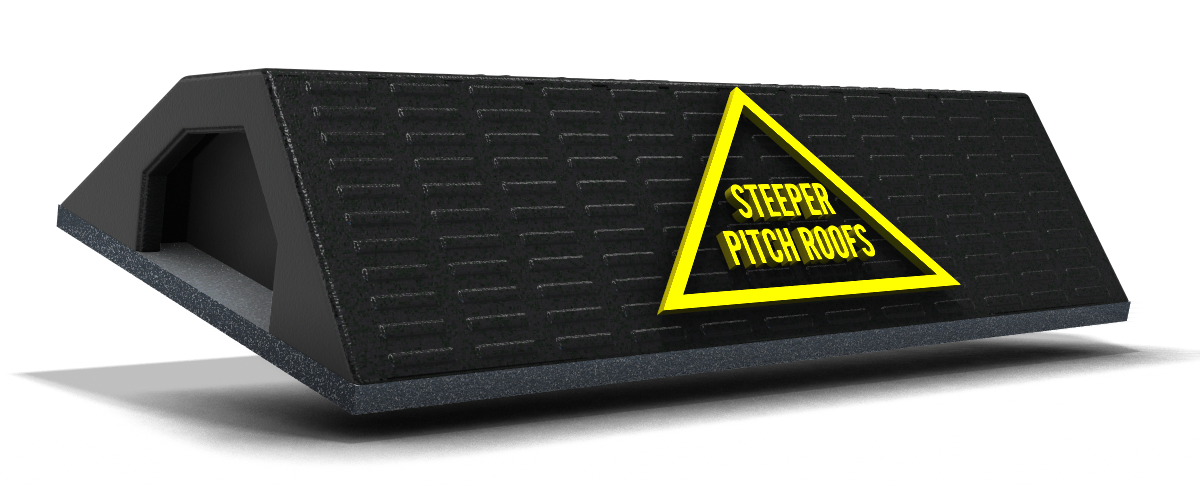
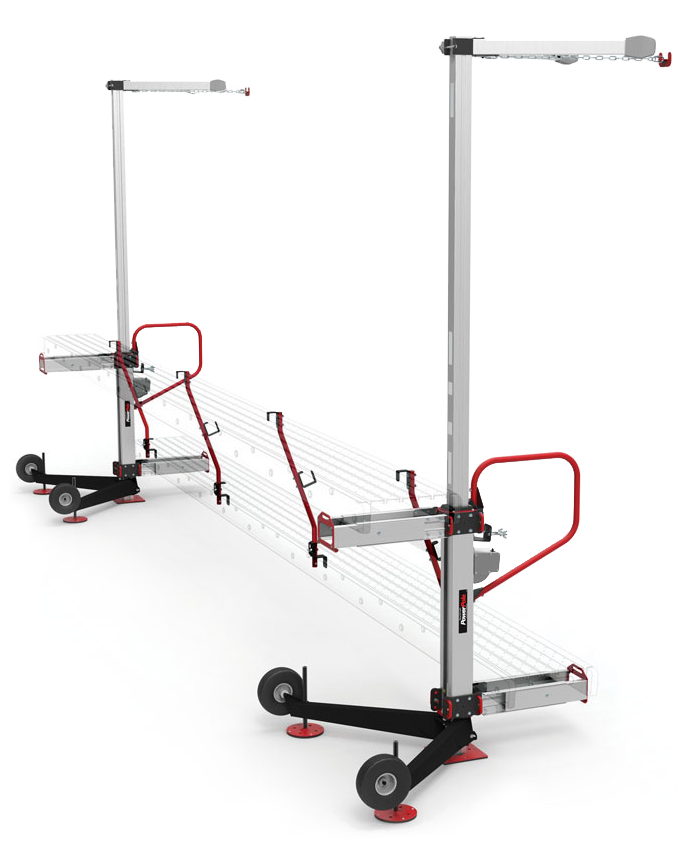
With the ReechCraft PowerPole, traditional scaffolding and pump jack systems are a thing of the past. Our streamlined design gains you access between buildings, on rooftops, around landscaping, and more. The PowerPole is perfect for contract work on residential areas.
See Products & Accessories
- ReechCraft Power Pole
- ReechCraft 4022465 – 10 in. x 10 in. Base Foot
- ReechCraft Platform Support
- ReechCraft 4022179 – Platform Support with PowerLatch Connector
- ReechCraft PowerLatch Assembly
- ReechCraft 4022084 – PowerPole 12 ft Pole Section
- ReechCraft 4022435 – PowerPole 6 ft Pole Section
- ReechCraft 4028334 – PowerPole Climbing Unit
- ReechCraft 4022096 – PowerPole Coupler
- ReechCraft 4022629 – PowerPole Extendable V-Brace
- ReechCraft 4022791 – PowerPole Outrigger
- ReechCraft 4022432 – PowerPole Standoff Tie
- ReechCraft 4022178 – PowerPole Super Standoff Tie
- ReechCraft 4022629 – PowerPole V-Brace
- ReechCraft 4022756 – Single Man Basket
- ReechCraft 4022071 – SpeedRail Endrail (Two-Pack)
- ReechCraft 4022765 – SpeedRail Midrail Post (Two-Pack)

Headache Racks That Turn Heads


See Products & Accessories

June 2022 - Month Long Promotion
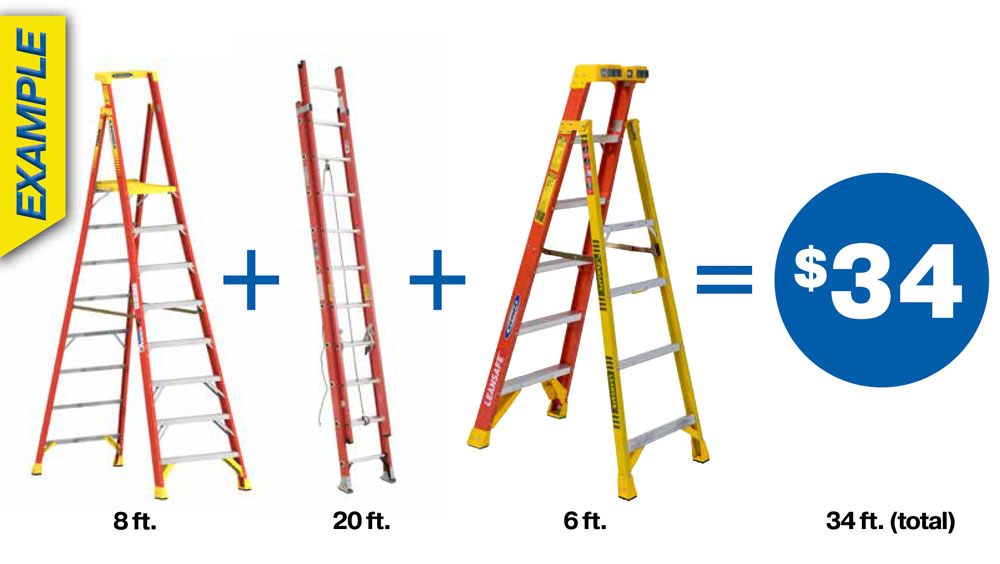
Buy any of the listed Werner ladders and get
$1 Off Per Foot
Demo and Safety Day
Don't miss our WernerCo Sfety and Demo Day BBQ
June 23rd, 2022 from 10am - 2pm
Chance to win giveaways
Cookout from 10am - 2pm
Werner fall protection and Weatherguard Specialists on site to answer any questions and perform safety and product demonstrations.
System One Modular Truck Equipment for New Hampshire, Massachusetts, Connecticut, Rhode Island, Vermont, and Maine Contractors
- Lewiston, ME
- Bar Harbor, ME
- Lexington, MA
- North Andover, MA
- East Hampton, CT
- Meredith, NH
- Concord, NH
- Bennington, VT
- Biddeford, ME
- West Fairlee, VT
- Hopkinton, RI
- Freeport, ME
- Danbury, CT
- Waterboro, ME
- Winslow, ME
- Buxton, ME
- Southington, CT
- Milford, NH
- Pownal, VT
- South Berwick, ME
- North Haven, CT
- Atkinson, NH
- Farmington, NH
- Whitingham, VT
- Pelham, NH
- Essex, VT
- Wallingford, VT
- Laconia, NH
- Narragansett, RI
- Fair Haven, VT
- Sandown, NH
- New London, NH
- Portsmouth, RI
- Haverhill, NH
- Needham, MA
- Bridgewater, MA
- Middletown, RI
- Montpelier, VT
- Barre, VT
- St. Johnsbury, VT
- Livermore Falls, ME
- Sandwich, MA
- Newport, RI
- Raymond, NH
- Tunbridge, VT
- Barnet, VT
- Brooksville, ME
- Gorham, ME
- Litchfield, ME
- Bristol, CT
- Rumford, ME
- Thompson, CT
- Dover, VT
- Westminster, VT
- Waitsfield, VT
- Torrington, CT
- Scituate, RI
- Barnstead, NH
- Lovell, ME
- Barton, VT
- Unity, ME
- Skowhegan, ME
- Groton, CT
- Northfield, VT
- Hopkinton, NH
- Limerick, ME
- Candia, NH
- Berwick, ME
- Killington, VT
- Peacham, VT
- North Hampton, NH
- Randolph, MA
- Bloomfield, CT
- Watertown, MA
- Wilmington, MA
- Methuen, MA
- Nashua, NH
- Plymouth, NH
- Newmarket, NH
- Alfred, ME
- Caribou, ME
- Weymouth, MA
- North Yarmouth, ME
- Bethel, CT
- Rocky Hill, CT
- Bristol, RI
- Sabattus, ME
- Salem, MA
- Londonderry, NH
- Chester, NH
- Westford, VT
- Stamford, CT
- Vershire, VT
- East Hartford, CT
- Norwich, CT
- Stratham, NH
- Windham, NH
- Vernon, CT
Knaack Jobsite Boxes, Chests, Cabinets, Workbenches, Field Offices, and Accessories
- Raymond, ME
- Fairfax, VT
- Presque Isle, ME
- Highgate, VT
- Norridgewock, ME
- Old Saybrook, CT
- Marblehead, MA
- Nashua, NH
- Mashpee, MA
- Auburn, NH
- Bowdoin, ME
- Milford, CT
- Bolton, CT
- Mendon, VT
- Dartmouth, MA
- Portland, CT
- North Haven, CT
- New Gloucester, ME
- Bourne, MA
- New Canaan, CT
- Belmont, NH
- Rutland, VT
- Fitchburg, MA
- Waterbury, CT
- Burlington, VT
- Fair Haven, VT
- Bethel, VT
- Greene, ME
- Chicopee, MA
- New London, CT
- Gloucester, MA
- Mechanic Falls, ME
- Wilmington, MA
- Fairfield, CT
- Methuen, MA
- Newport, ME
- Bakersfield, VT
- Monroe, CT
- Meriden, CT
- Prospect, CT
- Thomaston, ME
- Watertown, MA
- Winchester, ME
- Hampstead, NH
- Gilford, NH
- Pownal, VT
- Essex Junction, VT
- Lincoln, ME
- East Lyme, CT
- Tolland, CT
- Naugatuck, CT
- Dennis, MA
- Waldoboro, ME
- Derry, NH
- Bridgewater, MA
- Windham, NH
- Longmeadow, MA
- West Rutland, VT
- Warren, ME
- Coventry, RI
- Whitingham, VT
- Bow, NH
- Norway, ME
- Smithfield, RI
- Sharon, VT
- Amherst, MA
- Wells, ME
- Sabattus, ME
- Stoughton, MA
- Thetford, VT
- Tewksbury, MA
- Norwich, CT
- Rochester, VT
- Gray, ME
- Madison, ME
- Leominster, MA
- Newington, CT
- Sutton, VT
- Shelton, CT
- East Hampton, CT
- Darien, CT
- Haverhill, NH
- Houlton, ME
- Foster, RI
- Medford, MA
- Littleton, NH
- Seymour, CT
- Harrisville, RI
- Killingworth, CT
- Bellows Falls, VT
- Lunenburg, VT
- Saco, ME
- Peterborough, NH
- Frankfort, ME
- Albany, VT
- Plainville, CT
- North Kingstown, RI
Thule TracRac from the Thule TracRac Resellers New England Trusts
- South Windsor, CT
- Melrose, MA
- Manchester, CT
- Limerick, ME
- Glocester, RI
- South Portland, ME
- Brookline, NH
- Killingworth, CT
- Thompson, CT
- Groton, CT
- Montgomery, VT
- Mendon, VT
- Derby, VT
- Newington, CT
- Somersworth, NH
- West Haven, CT
- Merrimack, NH
- Bellows Falls, VT
- South Berwick, ME
- Gorham, ME
- Marblehead, MA
- Hudson, MA
- Alton, NH
- Jericho, VT
- Simsbury, CT
- Skowhegan, ME
- Plaistow, NH
- North Andover, MA
- Camden, ME
- Brookfield, CT
- Vergennes, VT
- Pittsfield, ME
- Hartford, VT
- Sanford, ME
- Swanzey, NH
- Kingston, NH
- Alfred, ME
- Needham, MA
- West Springfield, MA
- Underhill, VT
- Middletown, CT
- Amherst, NH
- Sidney, ME
- Natick, MA
- South Kingstown, RI
- Vershire, VT
- Richmond, ME
- Quincy, MA
- Bolton, CT
- Hallowell, ME
- West Hartford, CT
- Wardsboro, VT
- Avon, CT
- Bridgeport, CT
- Sudbury, MA
- Waltham, MA
- Marion, MA
- Waterbury, CT
- Southbury, CT
- Vernon, CT
- Warwick, RI
- Pembroke, NH
- Leominster, MA
- Torrington, CT
- Weare, NH
- Barrington, NH
- New Bedford, MA
- Charlestown, RI
- Jefferson, ME
- Pittsfield, MA
- Newport, NH
- Madison, ME
- Providence, RI
- Brookline, MA
- South Hadley, MA
- Barnstead, NH
- Peabody, MA
- Madison, CT
- Raymond, ME
- Barre, VT
- Augusta, ME
- Belmont, MA
- Ellington, CT
- Cambridge, MA
- Claremont, NH
- Falmouth, MA
- North Yarmouth, ME
- Norridgewock, ME
- Ipswich, MA
- East Providence, RI
- Johnston, RI
- Bedford, NH
- Scituate, RI
- Huntington, VT
- Seabrook, NH
- Danville, VT
- Clinton, CT
- Eliot, ME
Purchase Alum-A-Pole Products from Nation Wide Ladder – Ladder Distributors in MA, NH, CT, ME, VT, and RI
- Providence
- Cranston
- Warwick
- Pawtucket
- East Providence
- Woonsocket
- Newport
- Central Falls
- Manville
- Harrisville
- Burlington
- Barre
- South Burlington
- Rutland
- Essex Junction
- St Albans
- Montpelier
- Winooski
- Bellows Falls
- Newport
Purchase 28 Ft Extension Ladders from Nation Wide Ladder – Ladder Distributors in MA, NH, CT, ME, VT, and RI
- Providence
- Cranston
- Warwick
- Pawtucket
- East Providence
- Woonsocket
- Newport
- Central Falls
- Manville
- Harrisville
- Burlington
- Barre
- South Burlington
- Rutland
- Essex Junction
- St Albans
- Montpelier
- Winooski
- Bellows Falls
- Newport
Purchase 40 Ft Extension Ladders from Nation Wide Ladder – Ladder Distributors in MA, NH, CT, ME, VT, and RI
- Providence
- Cranston
- Warwick
- Pawtucket
- East Providence
- Woonsocket
- Newport
- Central Falls
- Manville
- Harrisville
- Burlington
- Barre
- South Burlington
- Rutland
- Essex Junction
- St Albans
- Montpelier
- Winooski
- Bellows Falls
- Newport
Purchase 28 Ft Fiberglass Extension Ladders from Nation Wide Ladder – Ladder Distributors in MA, NH, CT, ME, VT, and RI
- Providence
- Cranston
- Warwick
- Pawtucket
- East Providence
- Woonsocket
- Newport
- Central Falls
- Manville
- Harrisville
- Burlington
- Barre
- South Burlington
- Rutland
- Essex Junction
- St Albans
- Montpelier
- Winooski
- Bellows Falls
- Newport