NATION WIDE LADDER & EQUIPMENT
NH: 603-434-6911MA: 508-754-3030ME: Regular weekly deliveries from NH
- Home
- Blog
Let Nationwide Ladder & Equipment Help You Find What You Need.
Why Choose Pump Jacks for Global Construction Projects?
Why Choose Pump Jacks for Global Construction Projects?
Pump jacks offer a practical way to create elevated work platforms on construction sites. They support tasks such as siding, painting, insulation, and exterior repairs. Unlike bulky scaffolding, pump jacks can be adjusted as crews move upward. That flexibility can reduce repeated setup work and improve daily productivity.
John H. Hinze, a respected construction safety researcher, stated, “Safety performance is managed, not assumed.” This principle matters when selecting pump jacks for international projects. A reliable system needs stable poles, secure platforms, guardrails, and clear operating procedures. Workers may face uneven ground, changing weather, tight access areas, and different training conditions. Small oversights can become serious problems.
Pump jacks also help contractors manage transportation and storage. Their components can fit into confined delivery spaces, which is useful on dense urban projects. Experienced crews often value the simple movement of a platform. Less lifting can mean less physical strain, although this benefit should never replace proper training.
The choice is not automatically perfect. Pump jacks require inspection, correct installation, and disciplined daily use. Local standards may also differ between countries. That detail deserves careful review.
This article examines why pump jacks remain valuable for global construction projects. It considers safety, mobility, labor efficiency, site access, and long-term project control. Practical performance matters. So does honest reflection. A system that saves time but receives poor supervision is not truly efficient.
Table of Contents
[Hide]
Pump Jacks: Definition and Basic Operating Principles
Why Choose Pump Jacks for Global Construction Projects?
Pump jacks are adjustable platforms used to lift workers and materials along vertical poles. They support exterior finishing, siding, painting, and maintenance work. A motorized or manually operated mechanism moves the platform upward or downward. As the operator activates the system, climbing units grip the poles and advance in controlled steps. Releasing the control should stop movement quickly.
The system relies on stable poles, properly positioned brackets, and secure platform connections. Workers can adjust the platform height as the project changes. This reduces repeated ladder movement and may improve workflow on long walls. In practice, I have found that small alignment errors create noticeable movement. That detail is easy to underestimate. Ground conditions, wind exposure, and building geometry also affect safe operation. Every setup needs a site-specific assessment and inspection by competent personnel.
Tips: Check poles, brackets, cables, controls, and guardrails before each shift. Keep the platform clear of loose tools. Use required fall protection and follow local safety rules. Do not exceed the stated capacity. Train operators with the actual equipment, not only a classroom diagram. Weather changes quickly, especially on open façades. Stop work when conditions become unsafe. Records of inspections can reveal repeated issues, although teams sometimes document them too late.
Key Advantages for Construction Work at Different Scales
Why Choose Pump Jacks for Global Construction Projects?
Construction work changes sharply between a small renovation and a multi-level commercial project. Pump jacks offer adjustable working heights without installing full-width scaffolding. Crews can raise platforms as walls grow, reducing repeated dismantling and transport. That flexibility matters when access, labor, and storage vary across regions.
The safety case deserves careful attention. The U.S. Occupational Safety and Health Administration reported 395 fatal construction falls among 1,069 construction deaths in 2022. Pump jacks cannot prevent every fall, but properly installed platforms can provide stable access near exterior walls. Guardrails, personal fall protection, inspections, and trained users remain essential. Small details matter.
At residential scale, a compact setup can support siding, painting, or window work around narrow elevations. Larger crews may use longer platforms and multiple support points for continuous wall access. Field experience shows a practical benefit: workers spend less time climbing and repositioning equipment. That can improve productivity, although the result depends on layout and supervision.
Real sites are messier.
Uneven ground, wind, damaged components, and rushed adjustments can undermine the system. The International Labour Organization estimates nearly three million workers die annually from work-related causes, emphasizing the need for stronger site controls. These figures do not prove that pump jacks are always safer. They reinforce a harder lesson: equipment choice must follow a documented risk assessment, local regulations, load calculations, and daily inspection.
Safety, Access, and Productivity Considerations
On global construction projects, pump jacks offer a practical route to elevated work areas. Their main value is controlled access, not simply height. Workers can move along the platform while keeping tools near the work face. That matters when crews install siding, trim, insulation, or exterior fixtures. A stable working position reduces repeated ladder movement.
Safety depends on the complete system. Qualified personnel should inspect poles, brackets, platforms, guardrails, and footing conditions before use. Load limits must match workers, materials, and tools. Weather deserves equal attention. Wind, ice, and wet surfaces can change the risk within minutes. On a real site, a small uneven base may create platform movement after loading. Local regulations and site procedures still control selection, assembly, and inspection.
Access planning also affects productivity. A properly positioned platform can reduce pauses between installation steps and limit carrying materials up and down. Material staging should remain light, balanced, and within the approved working area. Overloading defeats the access advantage. Pump jacks are not flawless. They require training, disciplined setup, and frequent checks as the building changes. I have seen productivity targets encourage rushed adjustments; that choice usually creates more delay later. The work sequence, wall height, ground conditions, and crew skill should guide every setup decision.
Adapting Pump Jacks to Global Building Conditions
Why Choose Pump Jacks for Global Construction Projects?
Adapting pump jacks to global building conditions requires more than checking platform height. A coastal project may face salt air, strong winds, and sudden rain. A dry inland site creates dust around braces, cables, and locking mechanisms. On timber framing, installers need stable attachment points. On masonry, wall strength and anchor selection become critical. Field teams should inspect the substrate before installation, not after movement appears.
The International Labour Organization estimated 2.93 million work-related deaths worldwide in 2019. Its 2023 report also recorded about 395 million non-fatal occupational injuries. These figures make access equipment selection a practical safety decision, not merely a productivity choice. Pump jacks can provide adjustable working levels on narrow façades, but only when platforms, braces, and fall protection match local conditions. Wind limits must be checked against the equipment design and the building’s exposure.
Climate decisions also affect construction efficiency. The United Nations Environment Programme reported that buildings and construction consumed 34% of global energy and produced 37% of energy and process-related emissions in 2022. Lightweight, reusable access systems may reduce repeated material handling and transport. Still, this benefit is not automatic. Poor storage, damaged components, or rushed relocation can erase it. I have seen plans that looked sound on paper fail beside uneven ground. A slower pre-use inspection would have prevented that. Local training, weather records, and competent supervision should shape every installation.
Why Choose Pump Jacks for Global Construction Projects? - Adapting Pump Jacks to Global Building Conditions
| Global Building Condition | Typical Project Challenge | How Pump Jacks Can Be Adapted | Relevant Performance Consideration | Practical Benefit |
|---|---|---|---|---|
| Low-rise wood-frame construction | Workers need continuous access along exterior walls while sheathing, siding, insulation, and finishing work are completed. | Use adjustable poles, brackets, guardrails, and work platforms configured to the wall layout. Confirm that the building structure can safely support the system. | Platform width, pole spacing, rated working load, guardrail arrangement, and manufacturer instructions must match the selected system. | Provides a movable work platform that can be raised as the wall progresses, reducing repeated ladder repositioning. |
| Uneven or sloped terrain | Ground levels may vary around the building, making fixed-height access equipment difficult to position safely. | Use independently adjustable pole supports, base plates, leveling components, and properly secured foundations. Do not compensate for unstable ground with improvised packing. | Each support point should be level, stable, and capable of transferring the imposed load to the ground without excessive settlement. | Enables more consistent platform alignment around buildings where ground conditions are not uniform. |
| High-wind coastal or exposed sites | Wind can create lateral movement, uplift, and additional loads on platforms, poles, guardrails, and wall attachments. | Follow the system’s wind limits, install all required braces and ties, secure materials, and suspend use when site conditions exceed the approved limits. | Wind limits are system-specific and must be checked against local weather data, building exposure, platform configuration, and applicable regulations. | Supports safer planning for exposed locations when the equipment is configured and operated within its approved limits. |
| Cold, snow, and freeze-thaw climates | Ice can reduce traction, snow can add weight, and freeze-thaw cycles can affect ground stability and components. | Remove snow and ice before use, inspect walking surfaces and locking mechanisms, protect stored components from moisture, and verify ground bearing conditions after thawing. | Snow and ice loads must be evaluated in accordance with local building and workplace requirements; the platform must not be overloaded. | Maintains reliable access during seasonal work when inspections and weather-related load controls are applied. |
| Hot and arid regions | High temperatures, intense solar exposure, dust, and dehydration can affect workers and equipment maintenance. | Schedule work during cooler periods, provide shade and hydration, clean dust from moving parts, and inspect coatings, ropes, cables, and mechanical components more frequently. | Equipment should be used within the temperature and maintenance limits specified by the system documentation. | Allows the same access concept to be used in dry climates while addressing heat stress and abrasive dust. |
| Humid and tropical climates | Persistent moisture can increase corrosion risk and make platforms slippery. | Use corrosion-resistant components where appropriate, maintain drainage, keep platforms clean and dry, and inspect fasteners, welds, cables, and locking devices regularly. | Material selection and inspection frequency should reflect humidity, rainfall, salt exposure, and the project’s maintenance plan. | Improves service life and reduces the risk of deterioration in wet operating environments. |
| Dense urban construction sites | Limited ground space, nearby traffic, pedestrians, and adjacent buildings restrict equipment placement. | Use compact base arrangements where approved, install exclusion zones and toe boards, coordinate with site logistics, and secure tools and materials against falling-object risks. | Clearances, protection measures, access routes, and local public-safety requirements must be confirmed before installation. | Offers a relatively narrow exterior access solution when the site layout makes larger ground-based equipment impractical. |
| Buildings with changing wall geometry | Setbacks, corners, openings, and changes in wall height can make a single fixed access arrangement inefficient. | Configure separate platform sections, use approved corner transitions, and reposition or extend components only according to the system design. | Every configuration must preserve platform continuity, guardrail protection, structural support, and required clearances. | Adapts the work platform to common architectural variations without requiring a completely different access method. |
| Seismic regions | Earthquake-related movement can affect temporary supports, wall connections, stored materials, and platform stability. | Use an installation designed for the local seismic environment, secure all components, prevent unauthorized alterations, and inspect after seismic events. | Seismic requirements are jurisdiction-specific; the design must be reviewed against local codes and the equipment manufacturer’s instructions. | Provides a framework for controlled adaptation when temporary access equipment is used in earthquake-prone areas. |
| Projects using different national regulations | Requirements for scaffolding, fall protection, electrical equipment, inspections, and worker training vary by country. | Prepare a location-specific method statement, identify the governing authority, use trained operators, and complete documented pre-use and periodic inspections. | Applicable standards may include local occupational-safety rules and recognized scaffold or fall-protection standards; the stricter requirement should be followed where legally applicable. | Creates a consistent safety-management process while allowing the installation to comply with local rules. |
| Projects requiring frequent vertical repositioning | Exterior work progresses through multiple elevations, and repeated manual relocation can reduce productivity. | Use a compatible manual or powered climbing mechanism, maintain balanced loading, and operate the system only with trained personnel. | Rated capacity, lifting speed, power supply, emergency controls, and inspection requirements depend on the selected equipment configuration. | Reduces the time spent dismantling and rebuilding access at each elevation while maintaining a continuous work platform. |
Safety note: Actual pump-jack selection, loading, anchorage, wind limits, installation, inspection, and operation must be verified against the specific system documentation and the construction, occupational-safety, and building regulations applicable at the project location.
Selection, Setup, and Maintenance Requirements
Pump jacks suit global construction projects when crews need adjustable height and compact access. Selection must begin with the work, not the equipment catalogue. Check platform length, rated load, pole height, footing conditions, and local weather exposure. The U.S. Bureau of Labor Statistics recorded 395 fatal falls, slips, and trips in construction during 2022. That figure makes capacity calculations and fall protection practical priorities, not paperwork. Choose components that match one system. Improvised mixing creates avoidable risk.
Setup requires a firm, level base and properly secured poles. Workers should inspect brackets, rollers, braces, guardrails, and locking devices before climbing. OSHA 29 CFR 1926.451 requires scaffold platforms to support their intended loads and provides specific protection requirements. Keep tools inside the platform, control material stacking, and maintain safe electrical clearances. Brief training helps, but rushed setup still happens. That weakness deserves honest review.
Maintenance should follow a written schedule and actual site conditions. A competent person can perform pre-shift checks for bent parts, cracked welds, worn ropes, loose fasteners, and corrosion. Record defects immediately and remove damaged equipment from service. After rain, freezing temperatures, or relocation, repeat the inspection. The CPWR Data Center identifies falls as a continuing major construction hazard, reinforcing the value of documented controls. In practice, the smallest overlooked pin can matter. Examine it again.
Related Posts
-
How to Choose the Best Multi Position Ladder for Your Needs?
-
Top 10 Combination Ladders You Need for Your Global Sourcing?
-
Best Ladder Standoff Solutions for Your Safety Needs?
-
Top 10 Benefits of Using a Ladder Hoist for Construction Projects?
-
Best Tips for Choosing the Right Werner Step Ladder?
-
2026 How to Use a Siding Brake for Your Home Improvement Projects?
What Can We Help You With?
CALL NOW TO ORDER
NH: 603-434-6911MA: 508-754-3030ME: Regular weekly deliveries from NH
CALL NOW TO ORDER
NH: 603-434-6911MA: 508-754-3030ME: Regular weekly deliveries from NH





Featured Product

Streamlined. Safe. Flexible.
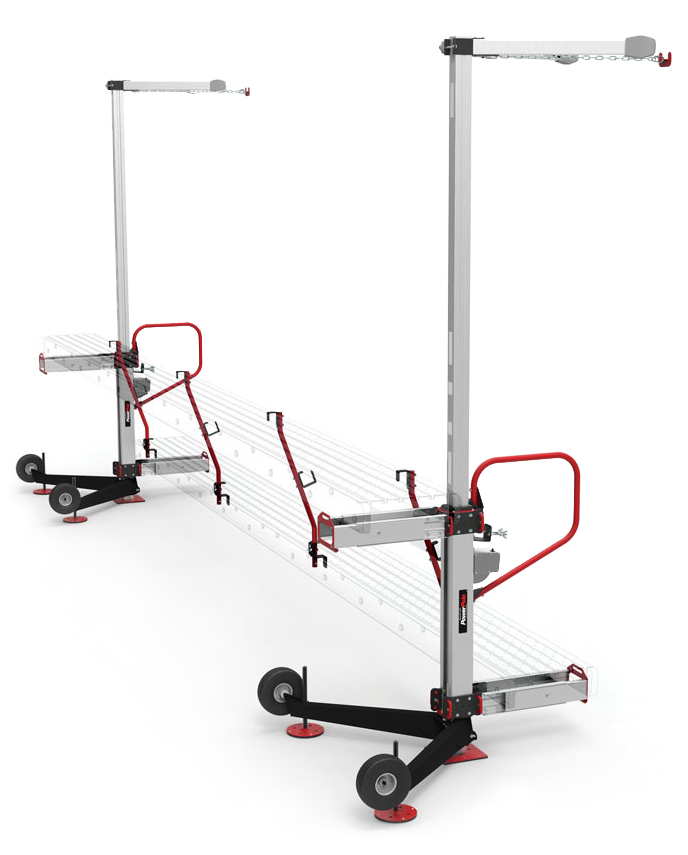
With the ReechCraft PowerPole, traditional scaffolding and pump jack systems are a thing of the past. Our streamlined design gains you access between buildings, on rooftops, around landscaping, and more. The PowerPole is perfect for contract work on residential areas.
See Products & Accessories
- ReechCraft Power Pole
- ReechCraft 4022465 – 10 in. x 10 in. Base Foot
- ReechCraft Platform Support
- ReechCraft 4022179 – Platform Support with PowerLatch Connector
- ReechCraft PowerLatch Assembly
- ReechCraft 4022084 – PowerPole 12 ft Pole Section
- ReechCraft 4022435 – PowerPole 6 ft Pole Section
- ReechCraft 4028334 – PowerPole Climbing Unit
- ReechCraft 4022096 – PowerPole Coupler
- ReechCraft 4022629 – PowerPole Extendable V-Brace
- ReechCraft 4022791 – PowerPole Outrigger
- ReechCraft 4022432 – PowerPole Standoff Tie
- ReechCraft 4022178 – PowerPole Super Standoff Tie
- ReechCraft 4022629 – PowerPole V-Brace
- ReechCraft 4022756 – Single Man Basket
- ReechCraft 4022071 – SpeedRail Endrail (Two-Pack)
- ReechCraft 4022765 – SpeedRail Midrail Post (Two-Pack)

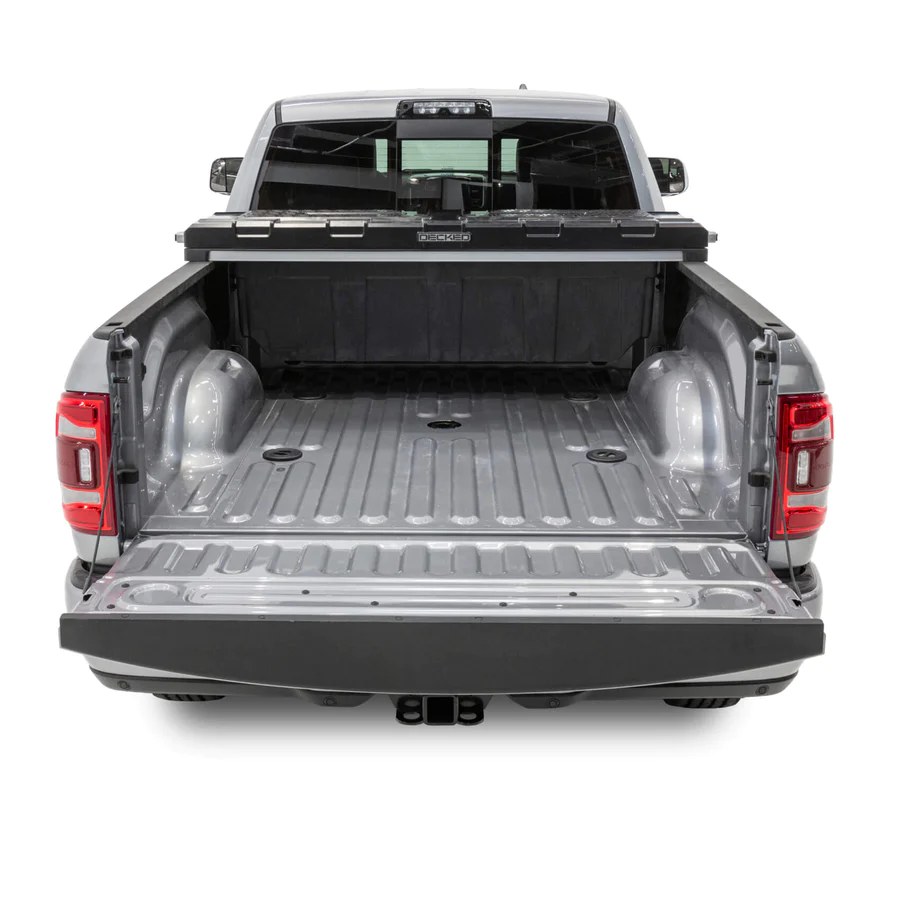
Headache Racks That Turn Heads


See Products & Accessories

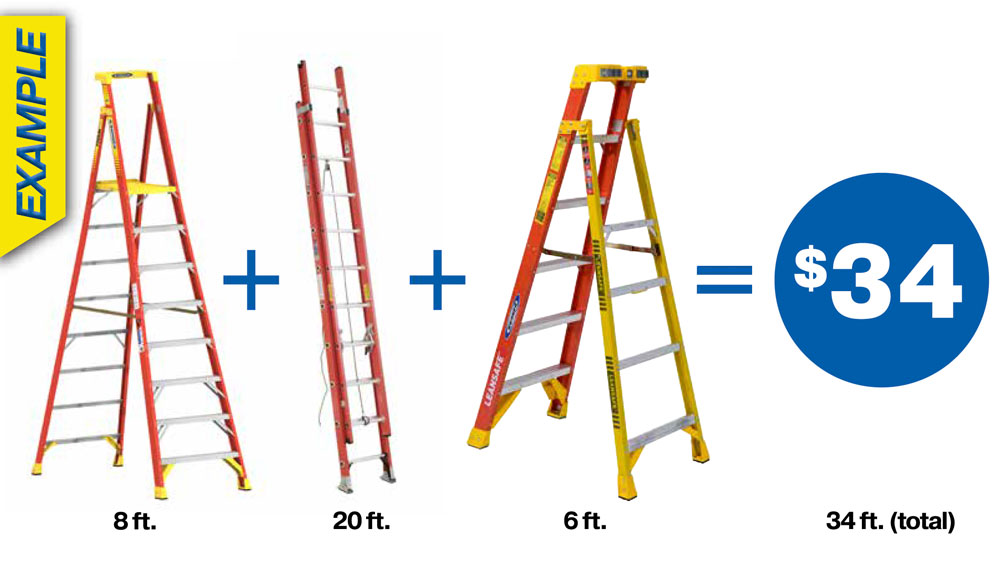
June 2022 - Month Long Promotion
Buy any of the listed Werner ladders and get
$1 Off Per Foot
Demo and Safety Day
Don't miss our WernerCo Sfety and Demo Day BBQ
June 23rd, 2022 from 10am - 2pm
Chance to win giveaways
Cookout from 10am - 2pm
Werner fall protection and Weatherguard Specialists on site to answer any questions and perform safety and product demonstrations.
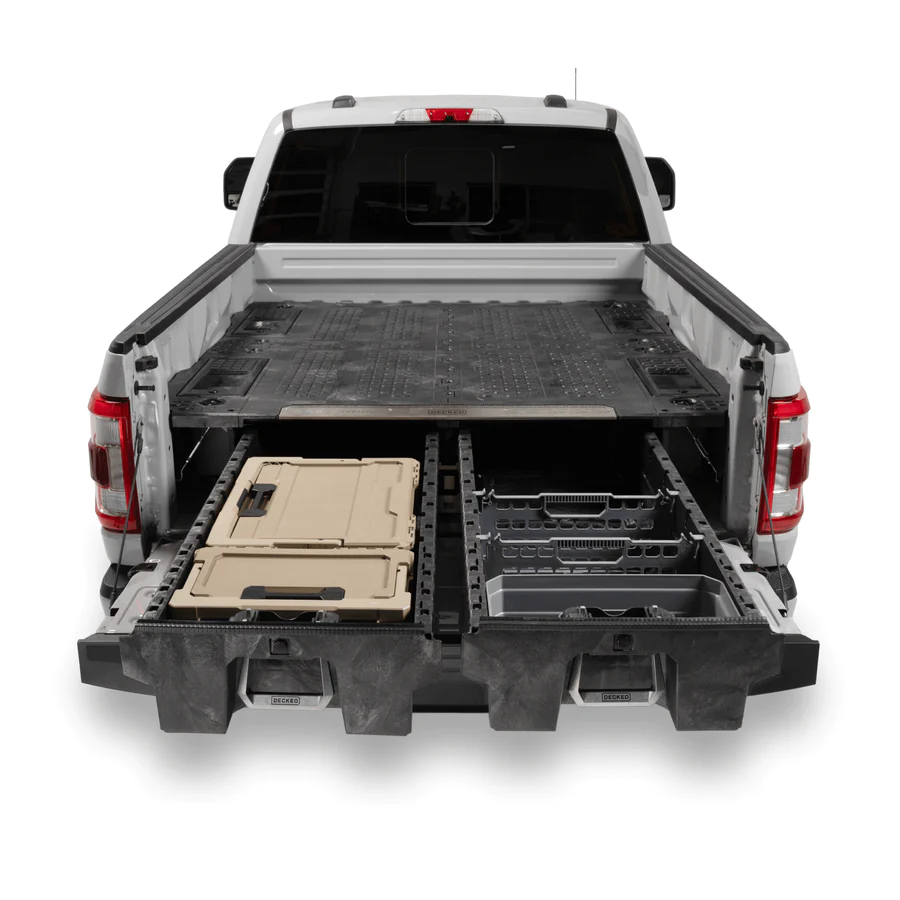
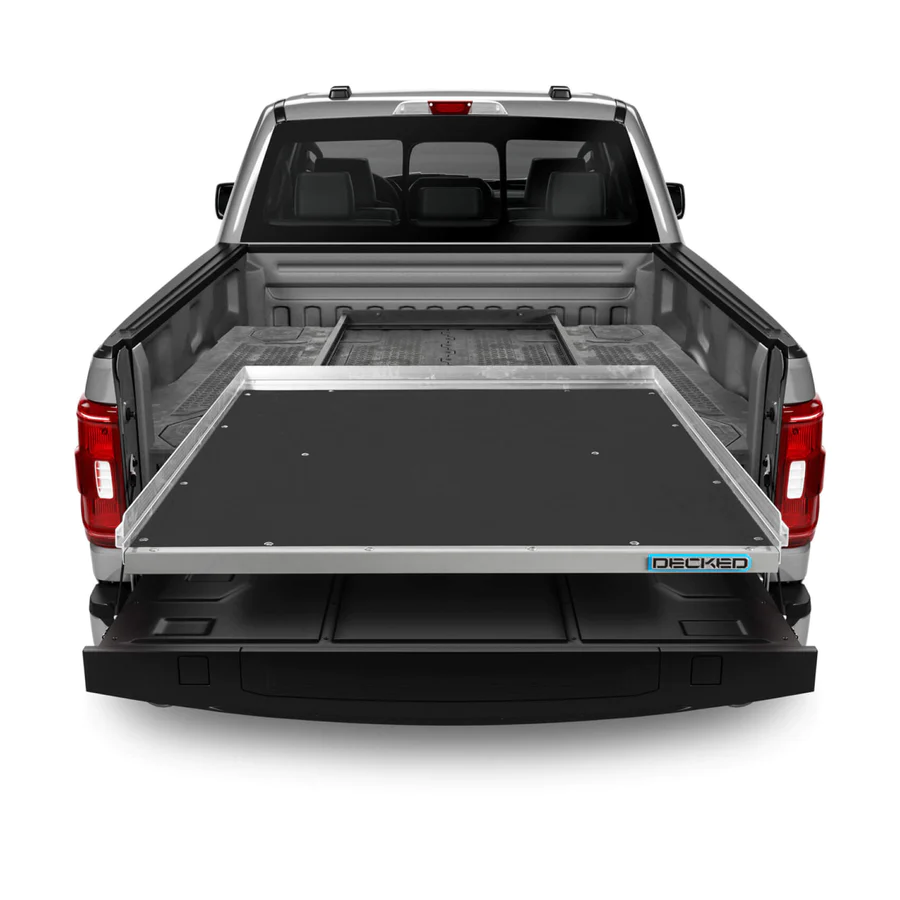
System One Modular Truck Equipment for New Hampshire, Massachusetts, Connecticut, Rhode Island, Vermont, and Maine Contractors
- Lewiston, ME
- Bar Harbor, ME
- Lexington, MA
- North Andover, MA
- East Hampton, CT
- Meredith, NH
- Concord, NH
- Bennington, VT
- Biddeford, ME
- West Fairlee, VT
- Hopkinton, RI
- Freeport, ME
- Danbury, CT
- Waterboro, ME
- Winslow, ME
- Buxton, ME
- Southington, CT
- Milford, NH
- Pownal, VT
- South Berwick, ME
- North Haven, CT
- Atkinson, NH
- Farmington, NH
- Whitingham, VT
- Pelham, NH
- Essex, VT
- Wallingford, VT
- Laconia, NH
- Narragansett, RI
- Fair Haven, VT
- Sandown, NH
- New London, NH
- Portsmouth, RI
- Haverhill, NH
- Needham, MA
- Bridgewater, MA
- Middletown, RI
- Montpelier, VT
- Barre, VT
- St. Johnsbury, VT
- Livermore Falls, ME
- Sandwich, MA
- Newport, RI
- Raymond, NH
- Tunbridge, VT
- Barnet, VT
- Brooksville, ME
- Gorham, ME
- Litchfield, ME
- Bristol, CT
- Rumford, ME
- Thompson, CT
- Dover, VT
- Westminster, VT
- Waitsfield, VT
- Torrington, CT
- Scituate, RI
- Barnstead, NH
- Lovell, ME
- Barton, VT
- Unity, ME
- Skowhegan, ME
- Groton, CT
- Northfield, VT
- Hopkinton, NH
- Limerick, ME
- Candia, NH
- Berwick, ME
- Killington, VT
- Peacham, VT
- North Hampton, NH
- Randolph, MA
- Bloomfield, CT
- Watertown, MA
- Wilmington, MA
- Methuen, MA
- Nashua, NH
- Plymouth, NH
- Newmarket, NH
- Alfred, ME
- Caribou, ME
- Weymouth, MA
- North Yarmouth, ME
- Bethel, CT
- Rocky Hill, CT
- Bristol, RI
- Sabattus, ME
- Salem, MA
- Londonderry, NH
- Chester, NH
- Westford, VT
- Stamford, CT
- Vershire, VT
- East Hartford, CT
- Norwich, CT
- Stratham, NH
- Windham, NH
- Vernon, CT
Knaack Jobsite Boxes, Chests, Cabinets, Workbenches, Field Offices, and Accessories
- Raymond, ME
- Fairfax, VT
- Presque Isle, ME
- Highgate, VT
- Norridgewock, ME
- Old Saybrook, CT
- Marblehead, MA
- Nashua, NH
- Mashpee, MA
- Auburn, NH
- Bowdoin, ME
- Milford, CT
- Bolton, CT
- Mendon, VT
- Dartmouth, MA
- Portland, CT
- North Haven, CT
- New Gloucester, ME
- Bourne, MA
- New Canaan, CT
- Belmont, NH
- Rutland, VT
- Fitchburg, MA
- Waterbury, CT
- Burlington, VT
- Fair Haven, VT
- Bethel, VT
- Greene, ME
- Chicopee, MA
- New London, CT
- Gloucester, MA
- Mechanic Falls, ME
- Wilmington, MA
- Fairfield, CT
- Methuen, MA
- Newport, ME
- Bakersfield, VT
- Monroe, CT
- Meriden, CT
- Prospect, CT
- Thomaston, ME
- Watertown, MA
- Winchester, ME
- Hampstead, NH
- Gilford, NH
- Pownal, VT
- Essex Junction, VT
- Lincoln, ME
- East Lyme, CT
- Tolland, CT
- Naugatuck, CT
- Dennis, MA
- Waldoboro, ME
- Derry, NH
- Bridgewater, MA
- Windham, NH
- Longmeadow, MA
- West Rutland, VT
- Warren, ME
- Coventry, RI
- Whitingham, VT
- Bow, NH
- Norway, ME
- Smithfield, RI
- Sharon, VT
- Amherst, MA
- Wells, ME
- Sabattus, ME
- Stoughton, MA
- Thetford, VT
- Tewksbury, MA
- Norwich, CT
- Rochester, VT
- Gray, ME
- Madison, ME
- Leominster, MA
- Newington, CT
- Sutton, VT
- Shelton, CT
- East Hampton, CT
- Darien, CT
- Haverhill, NH
- Houlton, ME
- Foster, RI
- Medford, MA
- Littleton, NH
- Seymour, CT
- Harrisville, RI
- Killingworth, CT
- Bellows Falls, VT
- Lunenburg, VT
- Saco, ME
- Peterborough, NH
- Frankfort, ME
- Albany, VT
- Plainville, CT
- North Kingstown, RI
Thule TracRac from the Thule TracRac Resellers New England Trusts
- South Windsor, CT
- Melrose, MA
- Manchester, CT
- Limerick, ME
- Glocester, RI
- South Portland, ME
- Brookline, NH
- Killingworth, CT
- Thompson, CT
- Groton, CT
- Montgomery, VT
- Mendon, VT
- Derby, VT
- Newington, CT
- Somersworth, NH
- West Haven, CT
- Merrimack, NH
- Bellows Falls, VT
- South Berwick, ME
- Gorham, ME
- Marblehead, MA
- Hudson, MA
- Alton, NH
- Jericho, VT
- Simsbury, CT
- Skowhegan, ME
- Plaistow, NH
- North Andover, MA
- Camden, ME
- Brookfield, CT
- Vergennes, VT
- Pittsfield, ME
- Hartford, VT
- Sanford, ME
- Swanzey, NH
- Kingston, NH
- Alfred, ME
- Needham, MA
- West Springfield, MA
- Underhill, VT
- Middletown, CT
- Amherst, NH
- Sidney, ME
- Natick, MA
- South Kingstown, RI
- Vershire, VT
- Richmond, ME
- Quincy, MA
- Bolton, CT
- Hallowell, ME
- West Hartford, CT
- Wardsboro, VT
- Avon, CT
- Bridgeport, CT
- Sudbury, MA
- Waltham, MA
- Marion, MA
- Waterbury, CT
- Southbury, CT
- Vernon, CT
- Warwick, RI
- Pembroke, NH
- Leominster, MA
- Torrington, CT
- Weare, NH
- Barrington, NH
- New Bedford, MA
- Charlestown, RI
- Jefferson, ME
- Pittsfield, MA
- Newport, NH
- Madison, ME
- Providence, RI
- Brookline, MA
- South Hadley, MA
- Barnstead, NH
- Peabody, MA
- Madison, CT
- Raymond, ME
- Barre, VT
- Augusta, ME
- Belmont, MA
- Ellington, CT
- Cambridge, MA
- Claremont, NH
- Falmouth, MA
- North Yarmouth, ME
- Norridgewock, ME
- Ipswich, MA
- East Providence, RI
- Johnston, RI
- Bedford, NH
- Scituate, RI
- Huntington, VT
- Seabrook, NH
- Danville, VT
- Clinton, CT
- Eliot, ME
Purchase Alum-A-Pole Products from Nation Wide Ladder – Ladder Distributors in MA, NH, CT, ME, VT, and RI
- Providence
- Cranston
- Warwick
- Pawtucket
- East Providence
- Woonsocket
- Newport
- Central Falls
- Manville
- Harrisville
- Burlington
- Barre
- South Burlington
- Rutland
- Essex Junction
- St Albans
- Montpelier
- Winooski
- Bellows Falls
- Newport
Purchase 28 Ft Extension Ladders from Nation Wide Ladder – Ladder Distributors in MA, NH, CT, ME, VT, and RI
- Providence
- Cranston
- Warwick
- Pawtucket
- East Providence
- Woonsocket
- Newport
- Central Falls
- Manville
- Harrisville
- Burlington
- Barre
- South Burlington
- Rutland
- Essex Junction
- St Albans
- Montpelier
- Winooski
- Bellows Falls
- Newport
Purchase 40 Ft Extension Ladders from Nation Wide Ladder – Ladder Distributors in MA, NH, CT, ME, VT, and RI
- Providence
- Cranston
- Warwick
- Pawtucket
- East Providence
- Woonsocket
- Newport
- Central Falls
- Manville
- Harrisville
- Burlington
- Barre
- South Burlington
- Rutland
- Essex Junction
- St Albans
- Montpelier
- Winooski
- Bellows Falls
- Newport
Purchase 28 Ft Fiberglass Extension Ladders from Nation Wide Ladder – Ladder Distributors in MA, NH, CT, ME, VT, and RI
- Providence
- Cranston
- Warwick
- Pawtucket
- East Providence
- Woonsocket
- Newport
- Central Falls
- Manville
- Harrisville
- Burlington
- Barre
- South Burlington
- Rutland
- Essex Junction
- St Albans
- Montpelier
- Winooski
- Bellows Falls
- Newport