Choosing the right combination ladder is more complex than comparing height, price, and promotional claims. Global buyers must consider working position, storage space, transport conditions, user weight, and local safety expectations. A ladder that feels stable on a warehouse floor may behave differently on uneven paving or inside a narrow stairwell. The choice is rarely obvious.
Safety data explains why careful selection matters. The U.S. Centers for Disease Control and Prevention and NIOSH identify ladder-related falls as a major source of occupational and household injuries. NIOSH has reported that ladders are involved in a substantial share of fatal falls, while OSHA continues to emphasize inspection, secure footing, correct setup, and three-point contact. These findings support a practical buying approach, not a purely cosmetic ranking. Standards also matter. Buyers should review EN 131 requirements for portable ladders and relevant ANSI standards, while checking whether certificates match the exact model.
This guide evaluates 10 Best Combination Ladders for Global Buyers through usable, measurable details. We examine platform height, folded dimensions, material, hinge design, load capacity, locking indicators, and surface grip. Manufacturer documentation and independent test evidence deserve more trust than vague phrases such as “professional grade.” Market research reports from Grand View Research and Fortune Business Insights indicate continuing demand for ladders across construction, maintenance, logistics, and household applications. However, market growth does not prove product quality. A neat ranking can still mislead. Some specifications remain difficult to compare across regions, especially when testing methods differ. That limitation should stay visible. The best combination ladder is not always the tallest or cheapest; it is the model that fits the task, user, environment, and verified safety requirements.
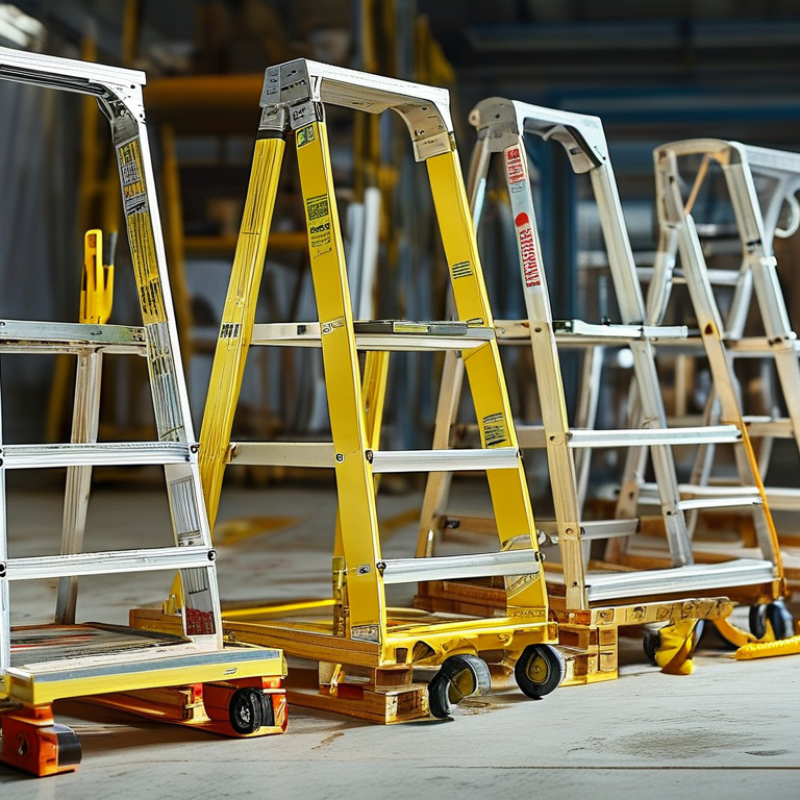
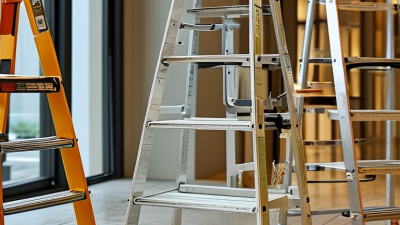
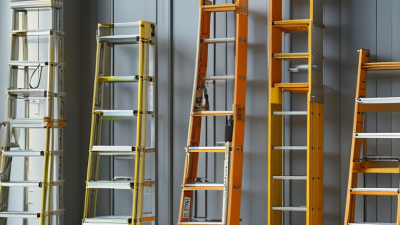
Combination ladders are designed to work in several positions. They may function as step ladders, straight ladders, extension ladders, or compact working platforms. This flexibility helps buyers reduce storage space and transport costs. A single unit can serve warehouses, maintenance teams, construction sites, and home workshops. However, the term can sound simpler than reality. Different models vary in hinge design, locking systems, height, weight, and platform stability. Global buyers should compare these details carefully, not rely only on product photos.
Experienced purchasers check the ladder’s rated load, folded size, working height, and material quality. Aluminum is light and practical for transport. Reinforced fiberglass may suit environments where electrical awareness is important. Always review the manufacturer’s instructions and the safety requirements used in the destination market. Requirements can differ between regions. A ladder may look strong, yet poor ground contact can create serious instability. That small detail is easy to overlook.
Tips: Measure doorways, vehicles, and storage areas before ordering. Confirm the maximum user weight, including tools. Inspect hinges, feet, and locking points after delivery. Ask for test records or technical documents when available. Do not assume a taller ladder is better. In some workplaces, a shorter and wider model is safer. My own preference would be cautious selection, even when it slows purchasing. Convenience sometimes hides compromises.
10 Best Combination Ladders for Global Buyers
Key Features to Compare in Combination Ladder Designs
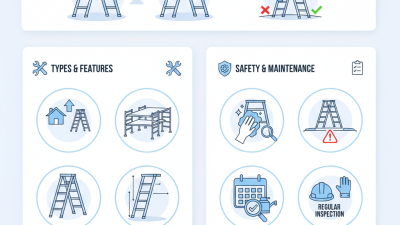
Choosing among the 10 best combination ladders requires more than checking the maximum height. Compare how each ladder changes between step, extension, and leaning configurations. A stable hinge should move smoothly, lock clearly, and resist accidental release. Wide feet with non-slip pads improve grip on tile, concrete, and painted floors. Check the load rating, including the user, tools, and materials carried during work. Lightweight aluminum is easy to transport, while reinforced designs may offer better stability but feel tiring on long jobs. That trade-off is easy to underestimate.
Inspect the platform size and standing comfort. A narrow top step may be acceptable for brief tasks, but uncomfortable for repeated work. Look for visible locking indicators, strong spreader bars, and simple adjustment points. For global buyers, confirm the ladder’s measurement system, user instructions, replacement-part access, and compliance markings for the destination market. Product photos can hide weak hinges. Ask for test records and detailed configuration diagrams before purchasing.
Tips: Open every locking mechanism before climbing. Place the ladder on a clean, level surface. Keep both hands free when possible. A taller ladder is not always better. I would also compare folded dimensions carefully; a model that fits the specification may still be awkward in a small vehicle or storage room. Recheck the feet after several uses, because wear can appear before the frame looks damaged.
Key Features to Compare in Combination Ladder Designs
The comparison uses a five-point buyer evaluation scale based on practical design criteria: configuration versatility, stability, portability, adjustment convenience, and suitability for frequent commercial use. Higher scores indicate stronger overall design performance for global purchasing requirements.
A combination ladder should feel stable before it feels versatile. Test every hinge, locking pin, and spreader bar before climbing. Each mechanism should engage fully, without grinding, looseness, or uncertain clicks. On uneven floors, use a level surface or approved stabilizer. Never treat a folded ladder as automatically safe.
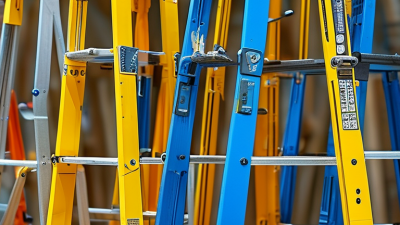
Material affects handling and service life. Aluminum is light and resists corrosion, but it can conduct electricity. Fiberglass offers electrical insulation, although it is heavier and may crack after severe impact. Steel can provide strong support, yet its weight and corrosion risk deserve attention. Examine welds, rivets, feet, and platform edges. Small defects often become serious during repeated use.
Weight capacity must include the user, clothing, tools, and materials. A 150-kilogram rating does not leave 50 kilograms for equipment. Check whether the capacity applies to every configuration, not only the straight position. I once focused on maximum height and overlooked transport weight. That was a poor buying decision. A ladder that is difficult to carry may be used carelessly. Ask for test reports, instruction labels, replacement-part availability, and local compliance information. Requirements differ across markets, so confirm them before importing. Also review packaging quality; bent rails can arrive before the first job. Safety depends on details, and some details are easy to miss.
Combination ladders serve different work environments because they can shift between several stable configurations. An A-frame setup suits warehouses, retail storage areas, and indoor maintenance. It stands independently, so workers do not need a wall behind them. Wide steps and a practical top platform help when carrying light tools, although overreaching can still make the ladder unstable.
For stairwells and split-level homes, a combination ladder with adjustable legs is more useful. Each side can match different floor heights, but both legs must sit firmly before climbing. On construction sites, an extension configuration provides extra reach along walls and roof edges. A locking system should engage visibly and audibly. Never rely on friction alone.
Platform-style combination ladders work well in workshops, factories, and long-duration tasks. They reduce foot movement and offer a more comfortable standing position. Fiberglass models may be selected near electrical equipment, but they do not remove electrical risks. Dry conditions, isolation, and qualified supervision remain essential. I have seen workers choose height first and stability second. That decision often creates unnecessary danger.
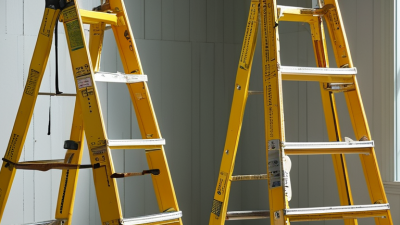
Before use, inspect hinges, feet, rails, spreaders, and locking pins. Look for cracks, bent sections, missing labels, or oily surfaces. Uneven ground remains a difficult problem. A ladder rated for professional work can still fail when positioned carelessly. Weight capacity must include the worker, tools, and materials. Some manufacturers provide clearer instructions than others, so buyers should compare test documentation, replacement parts, and local workplace requirements rather than judging by appearance alone.
10 Best Combination Ladders for Global Buyers
Buying Considerations for International Customers and Suppliers
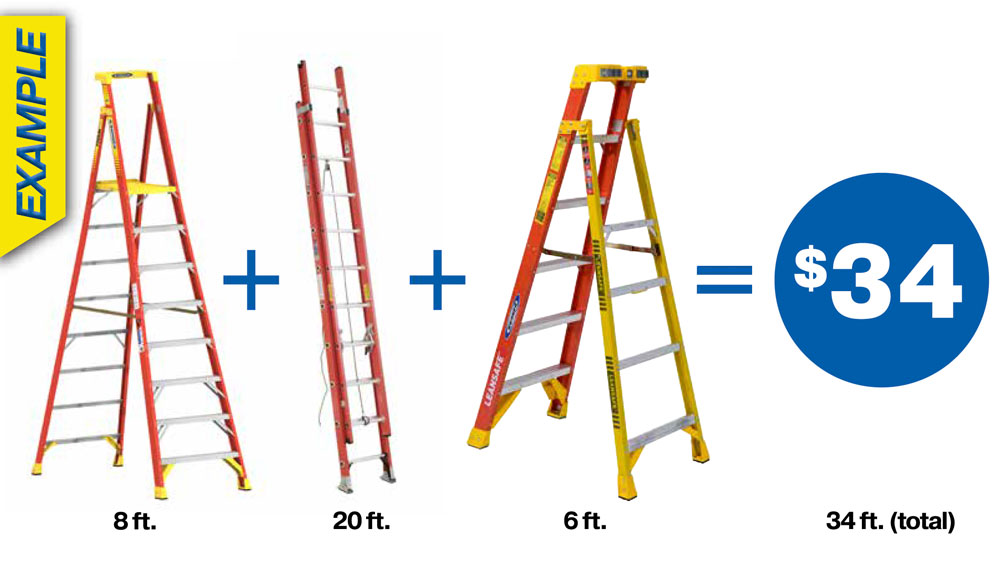
A combination ladder can serve as a step ladder, extension ladder, or leaning ladder. Global buyers should examine each configuration, not only the product photograph. Confirm the maximum working height, platform height, duty rating, and locking mechanism. These details affect warehouse use, household maintenance, and contractor safety. Ask suppliers for test reports, user instructions, material specifications, and current conformity documents. Standards differ between markets, so one certificate may not satisfy every destination. A reliable supplier should explain these limits clearly.
Tips: Request a production sample before placing a large order. Check hinge movement, rung spacing, rubber feet, weld quality, and label durability. Test the folded ladder inside its proposed carton. It should not shift during handling. Also compare carton size with container planning, because unused space can increase freight costs. Discuss replacement parts, inspection records, warranty terms, and delivery responsibilities in writing. Use precise trade terms and confirm who manages export and import documentation.
Suppliers should provide consistent batch quality, not just an attractive sample. Buyers can request a factory video, but an independent inspection gives stronger evidence. I have found that small details, such as unclear warning labels, create avoidable delays. Some specifications may also change during production, even when the quotation looks complete. Recheck the final drawing and approved sample before shipment. A lower price can become expensive when packaging fails or local compliance checks require rework. Safety claims deserve evidence, not confident wording.

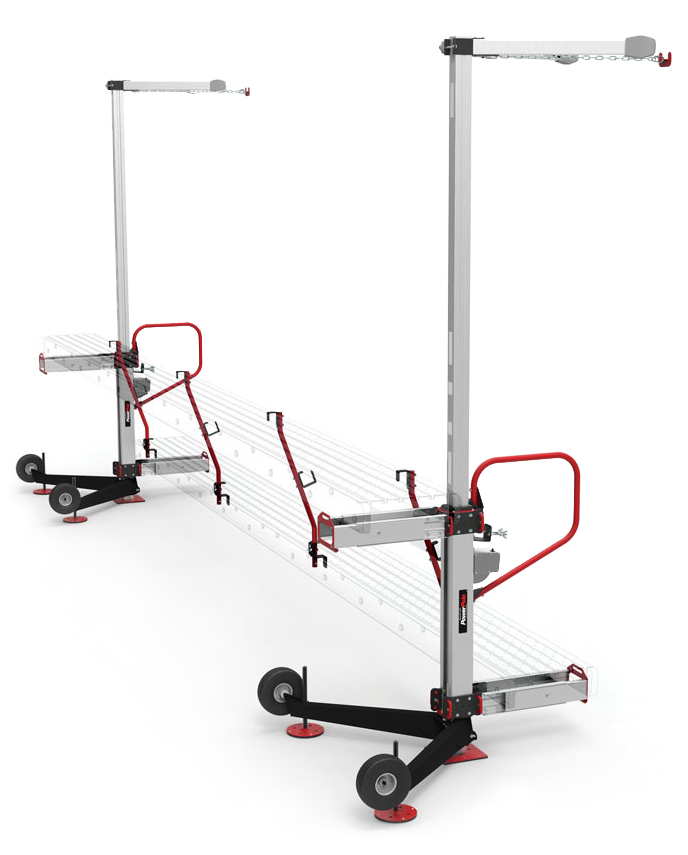
With the ReechCraft PowerPole, traditional scaffolding and pump jack systems are a thing of the past. Our streamlined design gains you access between buildings, on rooftops, around landscaping, and more. The PowerPole is perfect for contract work on residential areas.

Don't miss our WernerCo Sfety and Demo Day BBQ
June 23rd, 2022 from 10am - 2pm
Chance to win giveaways
Cookout from 10am - 2pm
Werner fall protection and Weatherguard Specialists on site to answer any questions and perform safety and product demonstrations.