NATION WIDE LADDER & EQUIPMENT
NH: 603-434-6911MA: 508-754-3030ME: Regular weekly deliveries from NH
- Home
- Blog
Let Nationwide Ladder & Equipment Help You Find What You Need.
Top 10 Ladder Lift Types for Global Buyers
Choosing the right ladder lift can shape safety, productivity, and long-term operating costs in warehouses, factories, and commercial facilities. Global buyers face many options, including portable ladder lifts, electric platform models, material lifts, and specialized systems for narrow aisles. Each type serves a different working environment. Some move equipment between floors, while others support safer access during installation, maintenance, or stock handling.
This guide reviews ten ladder lift types from a buyer’s practical perspective. It considers lifting capacity, platform size, travel height, power source, controls, mobility, and maintenance access. Real purchasing decisions also depend on floor conditions, doorway dimensions, ventilation, operator training, and local installation requirements. A compact electric lift may work well in a retail back room, but it could struggle on uneven outdoor surfaces. Check the details.
Reliable suppliers should provide clear technical drawings, test records, user instructions, warranty terms, and responsive after-sales support. Buyers should compare more than catalog prices. Spare-part availability and service experience can influence the total cost over several years. Even careful evaluations have limits. Product data may not reflect every site condition, and supplier claims require verification. This is where professional inspection and direct application testing become valuable. The best ladder lift is not always the strongest or most advanced model. It is the one that matches the task, environment, workforce, and maintenance capability with fewer compromises.
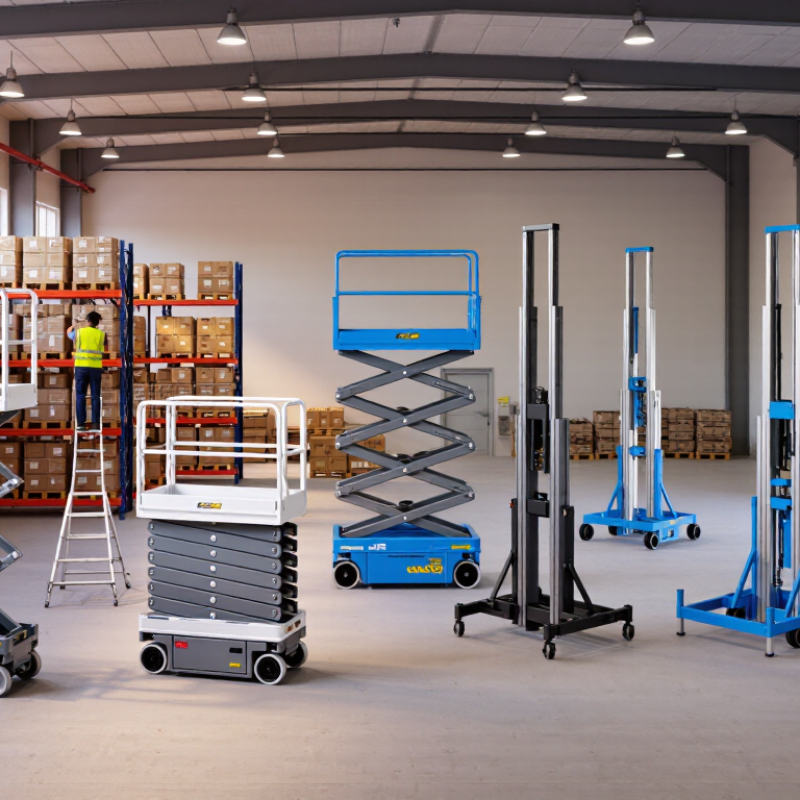
Table of Contents
[Hide]
Ladder Lifts: Definition, Purpose, and Main Operating Principles
A ladder lift is a powered device that moves people, tools, or goods along a guided ladder or inclined access route. Unlike a fixed ladder, it uses a motor, drive system, carriage, guide rail, brake, and control panel. Some models carry a seated user, while others raise materials on a small platform. The main purpose is simple: reduce climbing effort and improve controlled access where repeated ladder use is risky.
Its operating principle follows a clear sequence. The motor turns a geared drive, the carriage follows the rail, and limit switches control travel. A mechanical brake should hold the load during power loss. Emergency stops, guards, overload protection, and landing interlocks add important safeguards. According to CDC/NIOSH research, ladders were involved in about 43% of fatal falls in the United States during 2011–2014. OSHA also reported 395 fatal construction falls in 2022. These figures do not prove every ladder lift is safer. They show why risk assessment matters.
Global buyers commonly compare portable ladder hoists, inclined platform lifts, seated access lifts, vertical material lifts, and track-mounted systems. Selection depends on load, incline, travel height, duty cycle, weather exposure, and maintenance access. EN 81-40 and ISO 12100 offer useful safety references, but local requirements still differ. A higher rated load is not always better. It may increase installation stress, energy use, and stopping distance. That detail is easy to miss. A practical site trial, verified load calculation, and documented operator training remain essential.
Top 10 Ladder Lift Types for Global Buyers
Typical rated load capacities by ladder lift type. Actual specifications vary by design, working height, installation method, and local safety standards.
Material and personnel lifting systems are selected according to payload, travel direction, working height, and operating environment. The values shown are representative capacity ranges commonly used for equipment comparison and are not brand-specific ratings.
Key Ladder Lift Types and Their Distinctive Features
Ladder lifts differ by reach, movement, installation method, and load control. Telescopic ladder lifts extend vertically for narrow work areas and compact storage. Articulated models bend around balconies, roof edges, or machinery. Scissor ladder lifts rise straight upward with a wide working platform. Straight mast lifts provide stable vertical access in warehouses and indoor maintenance zones. Extension ladder hoists assist workers when long ladders must reach upper façades.
Stair-climbing ladder lifts use tracked wheels or powered belts to move equipment across steps. Portable electric lifts suit short-term projects and can pass through standard doorways. Hydraulic ladder lifts deliver smooth lifting under heavier working loads, although they need careful fluid inspection. Wall-mounted systems save floor space and fit fixed service points. Roof ladder lifts include stabilizing supports for sloped surfaces, where balance becomes a serious concern. Features matter more than appearance. Check rated capacity, platform width, emergency lowering, braking, and power requirements before purchase.
In my experience, buyers often focus on maximum height first. That can be a costly mistake. A lift with impressive reach may be awkward on uneven ground or difficult to transport. I would not call any type universally best. Local electrical rules, operator training, climate, and spare-part access can change the practical choice. Some specifications also look clear until site measurements expose gaps. Measure doorways, stair angles, ceiling clearance, and loading zones carefully. Reliable suppliers should provide test records, maintenance guidance, and transparent working-load limits. Safety depends on the full system, not the lift alone.
How to Compare Capacity, Reach, Power, and Installation Requirements
Top 10 Ladder Lift Types for Global Buyers
Choosing among ladder lift types requires more than checking the advertised height. Compare rated capacity, working reach, power supply, and installation conditions together. A lift rated for 150 kilograms may carry less at full extension. Include the operator, tools, materials, and movement forces in your calculation. Measure twice.
Reach depends on platform height, horizontal offset, ladder angle, and site obstacles. Telescopic lifts suit narrow access, while articulated models can clear balconies or roof edges. Stair-climbing units need careful checks around landings and uneven steps. I have seen buyers focus on maximum height and overlook turning space. That mistake can stop delivery work completely.
Power choice affects daily reliability. Battery systems reduce cables and may suit indoor projects, but charging time matters. Electric units need compatible voltage, grounding, and weather protection. Manual or assisted systems can work where power is unavailable, though lifting speed may be slower.
Installation also varies widely. Portable units may need only a level surface and secure anchoring. Fixed systems require structural checks, access planning, and qualified installation. Confirm floor strength, doorway width, storage space, and emergency lowering procedures before ordering. Local electrical and building requirements still apply. Specifications can look clear, yet unclear test conditions sometimes hide practical limits. Ask for load charts, reach diagrams, maintenance intervals, and documented safety testing.
Safety Standards, Accessibility Needs, and Regional Compliance Factors
Top 10 Ladder Lift Types for Global Buyers
Safety Standards, Accessibility Needs, and Regional Compliance Factors
Global buyers may compare straight-rail, curved-rail, seated, standing, platform, vertical platform, inclined, portable track, folding-seat, and heavy-duty ladder lifts. Each type serves a different access problem. A narrow stairway may suit a folding-seat model, while wheelchair users often need a platform design with clear entry space.
Safety should guide the purchase. Look for obstruction sensors, emergency stops, reliable brakes, battery backup, secure restraints, and visible load ratings. Installation must match the building structure, stair angle, landing size, and evacuation plan. Small details matter. A poorly positioned control can make independent use difficult for someone with limited hand movement.
Regional compliance is less predictable than product brochures suggest. Requirements may differ across the European Union, the United Kingdom, North America, Australia, and emerging markets. Buyers should verify electrical rules, machinery safety requirements, accessibility provisions, fire policies, and inspection procedures with local authorities or qualified installers. Imported equipment may need local certification, language-specific manuals, or approved commissioning. Do not assume one certificate covers every destination. That assumption can be costly. The category labels are not always tidy, either; a “portable” lift may still require structural checks, operator training, and scheduled maintenance. Experienced procurement teams should request test records, installation drawings, warranty terms, and service response details before approval.
| Rank | Lift Type | Typical Application | Typical Rated Load | Accessibility Fit | Core Safety Features | Common International Standards or Frameworks | Key Regional Compliance Factors | Buyer Suitability |
|---|---|---|---|---|---|---|---|---|
| 1 | Straight Stairlift | Residential or small commercial buildings with a single straight staircase. | Approximately 115–160 kg, depending on configuration. | Seated users Suitable for users who can transfer to a seat. |
Obstruction sensors, swivel seat, seat belt, overspeed governor, battery backup, emergency stop and folding safety arms. | EN 81-40; ASME A18.1; applicable electrical, electromagnetic compatibility and machinery safety requirements. | European installations commonly require CE conformity and national electrical compliance. United States and Canada typically require local authority approval and applicable accessibility provisions. | Cost-effective option for private homes and low-rise facilities with limited structural work. |
| 2 | Curved Stairlift | Staircases with curves, landings, multiple flights or changes in direction. | Approximately 115–160 kg; higher-capacity models may be available. | Seated users Useful where a straight rail cannot follow the staircase. |
Rail end sensors, obstruction detection, locking swivel seat, seat belt, controlled braking and battery-powered lowering. | EN 81-40; ASME A18.1; local building, electrical and machinery safety rules. | Local measurement, fire-egress clearance and landing-space requirements can affect feasibility. Imported systems may need local electrical adaptation and inspection. | Suitable for complex residential staircases where a conventional passenger lift is impractical. |
| 3 | Inclined Platform Lift | Wheelchair and passenger transport along a staircase in public buildings, schools and residential properties. | Approximately 225–300 kg, subject to platform size and incline. | Wheelchair access Can support occupied wheelchairs without transfer. |
Folding platform, barrier arms, non-slip surface, overspeed protection, obstruction sensors, emergency lowering and manual backup operation. | EN 81-40; ASME A18.1; ISO 9386-2 may be relevant for powered lifting platforms; local accessibility codes. | Required clear stair width, fire escape routes, guarding and platform parking positions vary by jurisdiction. Public installations often require formal inspection. | Strong choice for existing buildings where a vertical shaft or ramp cannot be provided. |
| 4 | Vertical Platform Lift | Short-rise movement between floors, split levels, entrances, terraces and raised platforms. | Approximately 250–450 kg. | Wheelchair access Designed for independent or assisted platform travel. |
Guarded platform, interlocked gates, anti-crush protection, emergency lowering, limit switches, handrails and platform non-slip flooring. | EN 81-41; ASME A18.1; ISO 9386-1 may be referenced; local building and accessibility regulations. | Pit depth, overhead clearance, landing gates, weather protection and planning permission may be controlled by local rules. Outdoor units need suitable ingress protection. | Appropriate for public access routes, homes and low-rise commercial premises with modest travel height. |
| 5 | Through-Floor Home Lift | Direct vertical travel between two or more levels in private residences and small buildings. | Approximately 250–400 kg. | Wheelchair compatible Capacity and cabin dimensions must be checked for the intended wheelchair. |
Enclosed cabin or platform, door interlocks, emergency lighting, battery lowering, overspeed protection and obstruction detection. | EN 81-41 or other applicable lift standards; ASME A18.1 or ASME A17.1/CSA B44 depending on design and jurisdiction. | Classification differs by country between platform lift, home lift and passenger lift. Planning, fire separation, electrical approval and periodic inspection may apply. | Useful where a full-size commercial elevator is not technically or financially practical. |
| 6 | Enclosed Low-Rise Passenger Lift | Passenger movement in homes, small offices, clinics and low-rise public buildings. | Approximately 320–630 kg, depending on cabin size and configuration. | High accessibility potential Can accommodate wheelchair users when cabin, door and landing dimensions comply. |
Full landing doors, door locking devices, emergency communication, overspeed governor, buffers, automatic rescue and fire-response interfaces. | EN 81-20 and EN 81-50; ASME A17.1/CSA B44; local accessibility and fire codes. | Passenger lifts usually face stricter design review, installation certification and periodic inspection than platform lifts. Regional requirements cover fire rating, emergency communications and accessibility dimensions. | Best for frequent passenger traffic and projects requiring a conventional elevator solution. |
| 7 | Portable Wheelchair Stair Climber | Temporary or occasional movement of a wheelchair over stairs where permanent equipment is unavailable. | Often approximately 100–180 kg, including the wheelchair and occupant. | Wheelchair support Usually requires trained assistance and may not provide independent use. |
Wheel locks, occupant restraint, anti-rollback system, controlled descent, battery monitoring and emergency stop. | ISO 7176-28 may apply to stair-climbing devices; applicable machinery, electrical and medical-device rules depend on product classification. | Training, risk assessment, operator supervision and transportation regulations may be required. It should not be treated as a substitute for a permanent accessible route. | Suitable for heritage buildings, temporary events and sites where structural installation is not permitted. |
| 8 | Service Lift or Dumbwaiter | Transport of food, documents, laundry and light goods between floors; not intended for passengers. | Approximately 50–300 kg, depending on car size and intended goods. | Not for passengers Does not provide wheelchair or passenger accessibility. |
Interlocked doors, car containment, overload protection, restricted controls, landing indicators and emergency stop functions. | EN 81-3 where applicable; ASME A17.1/CSA B44 provisions may apply; national machinery and electrical requirements. | Goods-only status must be clearly marked. Food-service, hygiene, fire separation, guarding and workplace safety rules may apply by sector. | Efficient for vertical logistics, but unsuitable for passenger or evacuation use. |
| 9 | Construction Material Hoist | Vertical transport of construction materials, tools and equipment on building sites. | Common configurations range from approximately 300 kg to more than 2,000 kg. | Industrial use Not normally intended for passenger accessibility. |
Enclosed or guarded mast, landing gates, limit switches, overload monitoring, emergency stop, anti-fall protection and wind-related operating limits. | EN 12159 for construction hoists for persons and materials where applicable; ANSI/ASSP A10.5 and local occupational safety requirements. | Site permits, operator licensing, inspection intervals, anchoring, wind limits and electrical protection vary significantly by country and project type. | Suitable for temporary construction logistics, not for permanent public access or passenger transport unless specifically certified. |
| 10 | Vertical Mast or Rack-and-Pinion Work Platform | Maintenance, façade work, warehouse access and controlled work-at-height operations. | Approximately 100–500 kg, depending on platform length and number of occupants. | Assisted access Accessibility depends on platform entry, guarding and intended work task. |
Guardrails, toe boards, emergency descent, platform leveling, overload protection, limit switches, anti-fall devices and wind-speed monitoring. | Applicable EN or ISO machinery and work-at-height standards; ANSI/ASSP A92 series or other national powered-access requirements may apply. | Operator training, site risk assessment, fall protection, inspection records, anchorage and weather restrictions are usually mandatory. | Best for controlled industrial access and maintenance rather than general passenger transportation. |
Rated loads and standards are typical reference ranges rather than universal limits. Final selection should be based on the specific design, travel height, duty cycle, site conditions, installation country, local authority requirements and the latest edition of the applicable standard.
Global Buyer Guide: Selecting the Right Ladder Lift for Each Application
Choosing among the top 10 ladder lift types starts with the application, not the catalog photograph. Manual ladder hoists suit occasional light loads and limited budgets. Electric ladder hoists reduce physical effort on busy sites. Telescopic models reach changing heights, while folding units store easily in narrow vehicles. Rolling ladder lifts work well in warehouses with smooth floors. Wall-mounted systems support repeated movement at fixed points. Roof ladder lifts help with controlled access near rooftop equipment. Platform lifts offer steadier footing for tools and materials. Truck-mounted units serve mobile crews. Compact portable lifts fit smaller service projects.
Check the working height, rated load, platform size, folded dimensions, and power supply together. A lift for roof tiles may need different protection than one used indoors for cartons. Wet surfaces, wind, dust, and uneven ground can change the choice quickly. Confirm emergency lowering, guardrails, locking points, and compatible anchoring methods. Product documentation should identify testing procedures, maintenance intervals, and operator training requirements. Local workplace rules also matter, even when the equipment seems simple.
In field purchasing, I have seen buyers focus too heavily on maximum height. That can hide stability limits. A lighter model may be easier to transport, but it may sacrifice useful capacity. Sometimes the safest choice is not the fastest one. Ask for a site assessment and a realistic load trial before ordering. Service access, spare parts, and clear manuals deserve equal attention. No comparison table replaces careful verification.
Related Posts
-
2026 Best Ladder Lift for Global Buyers?
-
10 Best Combination Ladders for Global Buyers
-
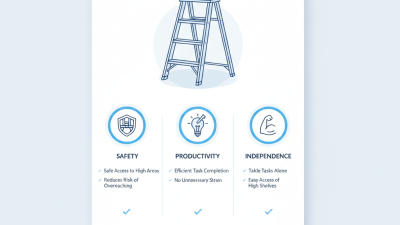
Top Benefits of Using a Step Ladder in Your Home and Workplace?
-
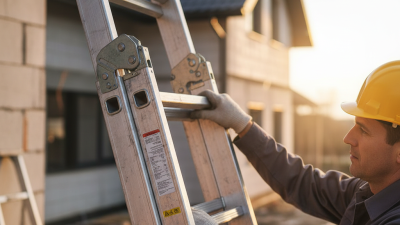
Why Choosing the Right Extension Ladder is Essential for Your Safety?
-

China Top Roof Ladder Models for Home Improvement and Construction Needs?
-
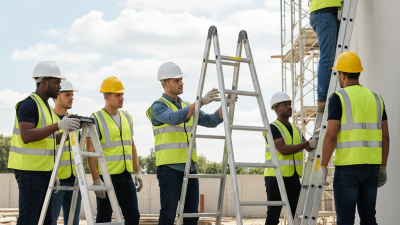
10 Best Ladder Safety Training Tips for a Safer Work Environment?
What Can We Help You With?
CALL NOW TO ORDER
NH: 603-434-6911MA: 508-754-3030ME: Regular weekly deliveries from NH
CALL NOW TO ORDER
NH: 603-434-6911MA: 508-754-3030ME: Regular weekly deliveries from NH









Featured Product

Streamlined. Safe. Flexible.
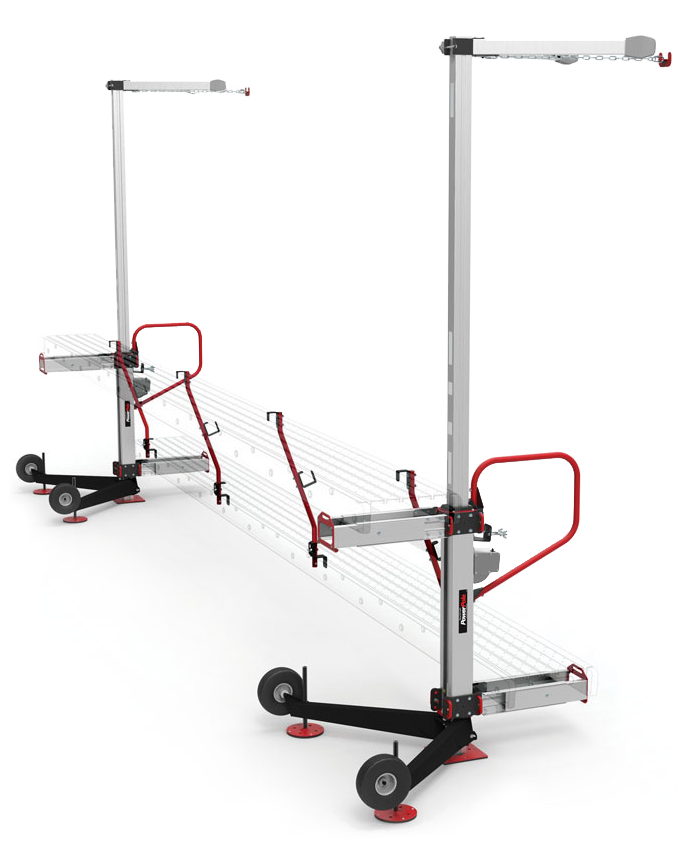
With the ReechCraft PowerPole, traditional scaffolding and pump jack systems are a thing of the past. Our streamlined design gains you access between buildings, on rooftops, around landscaping, and more. The PowerPole is perfect for contract work on residential areas.
See Products & Accessories
- ReechCraft Power Pole
- ReechCraft 4022465 – 10 in. x 10 in. Base Foot
- ReechCraft Platform Support
- ReechCraft 4022179 – Platform Support with PowerLatch Connector
- ReechCraft PowerLatch Assembly
- ReechCraft 4022084 – PowerPole 12 ft Pole Section
- ReechCraft 4022435 – PowerPole 6 ft Pole Section
- ReechCraft 4028334 – PowerPole Climbing Unit
- ReechCraft 4022096 – PowerPole Coupler
- ReechCraft 4022629 – PowerPole Extendable V-Brace
- ReechCraft 4022791 – PowerPole Outrigger
- ReechCraft 4022432 – PowerPole Standoff Tie
- ReechCraft 4022178 – PowerPole Super Standoff Tie
- ReechCraft 4022629 – PowerPole V-Brace
- ReechCraft 4022756 – Single Man Basket
- ReechCraft 4022071 – SpeedRail Endrail (Two-Pack)
- ReechCraft 4022765 – SpeedRail Midrail Post (Two-Pack)

Headache Racks That Turn Heads


See Products & Accessories

June 2022 - Month Long Promotion
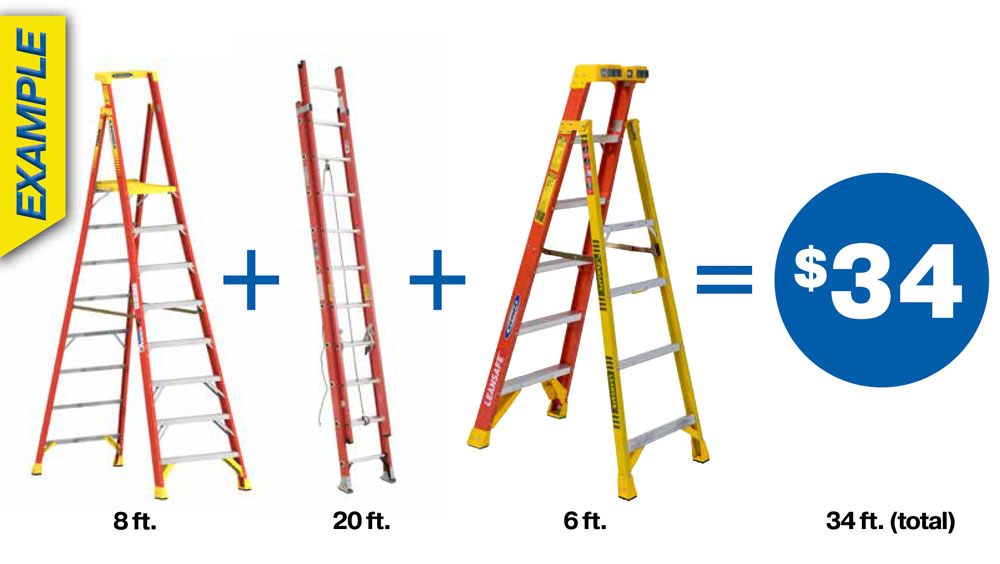
Buy any of the listed Werner ladders and get
$1 Off Per Foot
Demo and Safety Day
Don't miss our WernerCo Sfety and Demo Day BBQ
June 23rd, 2022 from 10am - 2pm
Chance to win giveaways
Cookout from 10am - 2pm
Werner fall protection and Weatherguard Specialists on site to answer any questions and perform safety and product demonstrations.
System One Modular Truck Equipment for New Hampshire, Massachusetts, Connecticut, Rhode Island, Vermont, and Maine Contractors
- Lewiston, ME
- Bar Harbor, ME
- Lexington, MA
- North Andover, MA
- East Hampton, CT
- Meredith, NH
- Concord, NH
- Bennington, VT
- Biddeford, ME
- West Fairlee, VT
- Hopkinton, RI
- Freeport, ME
- Danbury, CT
- Waterboro, ME
- Winslow, ME
- Buxton, ME
- Southington, CT
- Milford, NH
- Pownal, VT
- South Berwick, ME
- North Haven, CT
- Atkinson, NH
- Farmington, NH
- Whitingham, VT
- Pelham, NH
- Essex, VT
- Wallingford, VT
- Laconia, NH
- Narragansett, RI
- Fair Haven, VT
- Sandown, NH
- New London, NH
- Portsmouth, RI
- Haverhill, NH
- Needham, MA
- Bridgewater, MA
- Middletown, RI
- Montpelier, VT
- Barre, VT
- St. Johnsbury, VT
- Livermore Falls, ME
- Sandwich, MA
- Newport, RI
- Raymond, NH
- Tunbridge, VT
- Barnet, VT
- Brooksville, ME
- Gorham, ME
- Litchfield, ME
- Bristol, CT
- Rumford, ME
- Thompson, CT
- Dover, VT
- Westminster, VT
- Waitsfield, VT
- Torrington, CT
- Scituate, RI
- Barnstead, NH
- Lovell, ME
- Barton, VT
- Unity, ME
- Skowhegan, ME
- Groton, CT
- Northfield, VT
- Hopkinton, NH
- Limerick, ME
- Candia, NH
- Berwick, ME
- Killington, VT
- Peacham, VT
- North Hampton, NH
- Randolph, MA
- Bloomfield, CT
- Watertown, MA
- Wilmington, MA
- Methuen, MA
- Nashua, NH
- Plymouth, NH
- Newmarket, NH
- Alfred, ME
- Caribou, ME
- Weymouth, MA
- North Yarmouth, ME
- Bethel, CT
- Rocky Hill, CT
- Bristol, RI
- Sabattus, ME
- Salem, MA
- Londonderry, NH
- Chester, NH
- Westford, VT
- Stamford, CT
- Vershire, VT
- East Hartford, CT
- Norwich, CT
- Stratham, NH
- Windham, NH
- Vernon, CT
Knaack Jobsite Boxes, Chests, Cabinets, Workbenches, Field Offices, and Accessories
- Raymond, ME
- Fairfax, VT
- Presque Isle, ME
- Highgate, VT
- Norridgewock, ME
- Old Saybrook, CT
- Marblehead, MA
- Nashua, NH
- Mashpee, MA
- Auburn, NH
- Bowdoin, ME
- Milford, CT
- Bolton, CT
- Mendon, VT
- Dartmouth, MA
- Portland, CT
- North Haven, CT
- New Gloucester, ME
- Bourne, MA
- New Canaan, CT
- Belmont, NH
- Rutland, VT
- Fitchburg, MA
- Waterbury, CT
- Burlington, VT
- Fair Haven, VT
- Bethel, VT
- Greene, ME
- Chicopee, MA
- New London, CT
- Gloucester, MA
- Mechanic Falls, ME
- Wilmington, MA
- Fairfield, CT
- Methuen, MA
- Newport, ME
- Bakersfield, VT
- Monroe, CT
- Meriden, CT
- Prospect, CT
- Thomaston, ME
- Watertown, MA
- Winchester, ME
- Hampstead, NH
- Gilford, NH
- Pownal, VT
- Essex Junction, VT
- Lincoln, ME
- East Lyme, CT
- Tolland, CT
- Naugatuck, CT
- Dennis, MA
- Waldoboro, ME
- Derry, NH
- Bridgewater, MA
- Windham, NH
- Longmeadow, MA
- West Rutland, VT
- Warren, ME
- Coventry, RI
- Whitingham, VT
- Bow, NH
- Norway, ME
- Smithfield, RI
- Sharon, VT
- Amherst, MA
- Wells, ME
- Sabattus, ME
- Stoughton, MA
- Thetford, VT
- Tewksbury, MA
- Norwich, CT
- Rochester, VT
- Gray, ME
- Madison, ME
- Leominster, MA
- Newington, CT
- Sutton, VT
- Shelton, CT
- East Hampton, CT
- Darien, CT
- Haverhill, NH
- Houlton, ME
- Foster, RI
- Medford, MA
- Littleton, NH
- Seymour, CT
- Harrisville, RI
- Killingworth, CT
- Bellows Falls, VT
- Lunenburg, VT
- Saco, ME
- Peterborough, NH
- Frankfort, ME
- Albany, VT
- Plainville, CT
- North Kingstown, RI
Thule TracRac from the Thule TracRac Resellers New England Trusts
- South Windsor, CT
- Melrose, MA
- Manchester, CT
- Limerick, ME
- Glocester, RI
- South Portland, ME
- Brookline, NH
- Killingworth, CT
- Thompson, CT
- Groton, CT
- Montgomery, VT
- Mendon, VT
- Derby, VT
- Newington, CT
- Somersworth, NH
- West Haven, CT
- Merrimack, NH
- Bellows Falls, VT
- South Berwick, ME
- Gorham, ME
- Marblehead, MA
- Hudson, MA
- Alton, NH
- Jericho, VT
- Simsbury, CT
- Skowhegan, ME
- Plaistow, NH
- North Andover, MA
- Camden, ME
- Brookfield, CT
- Vergennes, VT
- Pittsfield, ME
- Hartford, VT
- Sanford, ME
- Swanzey, NH
- Kingston, NH
- Alfred, ME
- Needham, MA
- West Springfield, MA
- Underhill, VT
- Middletown, CT
- Amherst, NH
- Sidney, ME
- Natick, MA
- South Kingstown, RI
- Vershire, VT
- Richmond, ME
- Quincy, MA
- Bolton, CT
- Hallowell, ME
- West Hartford, CT
- Wardsboro, VT
- Avon, CT
- Bridgeport, CT
- Sudbury, MA
- Waltham, MA
- Marion, MA
- Waterbury, CT
- Southbury, CT
- Vernon, CT
- Warwick, RI
- Pembroke, NH
- Leominster, MA
- Torrington, CT
- Weare, NH
- Barrington, NH
- New Bedford, MA
- Charlestown, RI
- Jefferson, ME
- Pittsfield, MA
- Newport, NH
- Madison, ME
- Providence, RI
- Brookline, MA
- South Hadley, MA
- Barnstead, NH
- Peabody, MA
- Madison, CT
- Raymond, ME
- Barre, VT
- Augusta, ME
- Belmont, MA
- Ellington, CT
- Cambridge, MA
- Claremont, NH
- Falmouth, MA
- North Yarmouth, ME
- Norridgewock, ME
- Ipswich, MA
- East Providence, RI
- Johnston, RI
- Bedford, NH
- Scituate, RI
- Huntington, VT
- Seabrook, NH
- Danville, VT
- Clinton, CT
- Eliot, ME
Purchase Alum-A-Pole Products from Nation Wide Ladder – Ladder Distributors in MA, NH, CT, ME, VT, and RI
- Providence
- Cranston
- Warwick
- Pawtucket
- East Providence
- Woonsocket
- Newport
- Central Falls
- Manville
- Harrisville
- Burlington
- Barre
- South Burlington
- Rutland
- Essex Junction
- St Albans
- Montpelier
- Winooski
- Bellows Falls
- Newport
Purchase 28 Ft Extension Ladders from Nation Wide Ladder – Ladder Distributors in MA, NH, CT, ME, VT, and RI
- Providence
- Cranston
- Warwick
- Pawtucket
- East Providence
- Woonsocket
- Newport
- Central Falls
- Manville
- Harrisville
- Burlington
- Barre
- South Burlington
- Rutland
- Essex Junction
- St Albans
- Montpelier
- Winooski
- Bellows Falls
- Newport
Purchase 40 Ft Extension Ladders from Nation Wide Ladder – Ladder Distributors in MA, NH, CT, ME, VT, and RI
- Providence
- Cranston
- Warwick
- Pawtucket
- East Providence
- Woonsocket
- Newport
- Central Falls
- Manville
- Harrisville
- Burlington
- Barre
- South Burlington
- Rutland
- Essex Junction
- St Albans
- Montpelier
- Winooski
- Bellows Falls
- Newport
Purchase 28 Ft Fiberglass Extension Ladders from Nation Wide Ladder – Ladder Distributors in MA, NH, CT, ME, VT, and RI
- Providence
- Cranston
- Warwick
- Pawtucket
- East Providence
- Woonsocket
- Newport
- Central Falls
- Manville
- Harrisville
- Burlington
- Barre
- South Burlington
- Rutland
- Essex Junction
- St Albans
- Montpelier
- Winooski
- Bellows Falls
- Newport