
NATION WIDE LADDER & EQUIPMENT
NH: 603-434-6911MA: 508-754-3030ME: Regular weekly deliveries from NH
- Home
- Blog
Let Nationwide Ladder & Equipment Help You Find What You Need.
7 Tips for Buying Werner Ladders Globally?
Buying Werner ladders internationally requires more than comparing prices online. A ladder that looks suitable in a product photo may feel unstable on uneven stone, fit poorly inside a narrow hallway, or arrive without the correct regional instructions. Buyers should examine the model’s duty rating, height, material, platform design, hinge system, and certification details. Shipping weight also matters. A low-cost deal can become expensive after freight, taxes, replacement parts, or returns.
WernerCo safety specialist John Mehan offers a useful principle: “Choose the ladder for the task, not simply for the price.” This advice captures the central risk. A compact aluminum step ladder may suit indoor maintenance, while a fiberglass extension ladder may better serve electrical work near potential conductors. However, product names and specifications can differ between markets. Check the official Werner website, authorized distributors, and local compliance requirements before ordering. Confirm that replacement feet, locks, labels, and manuals are available where you live. That small detail is easy to overlook.
This guide presents seven practical tips for buying Werner ladders globally. It considers seller credibility, regional standards, transport conditions, after-sales support, and safe application. Perfect decisions are not guaranteed. Even experienced buyers can miss a specification hidden in fine print. Measure the storage space. Read the manual. Inspect every locking point after delivery. A ladder should feel predictable before it carries your weight.
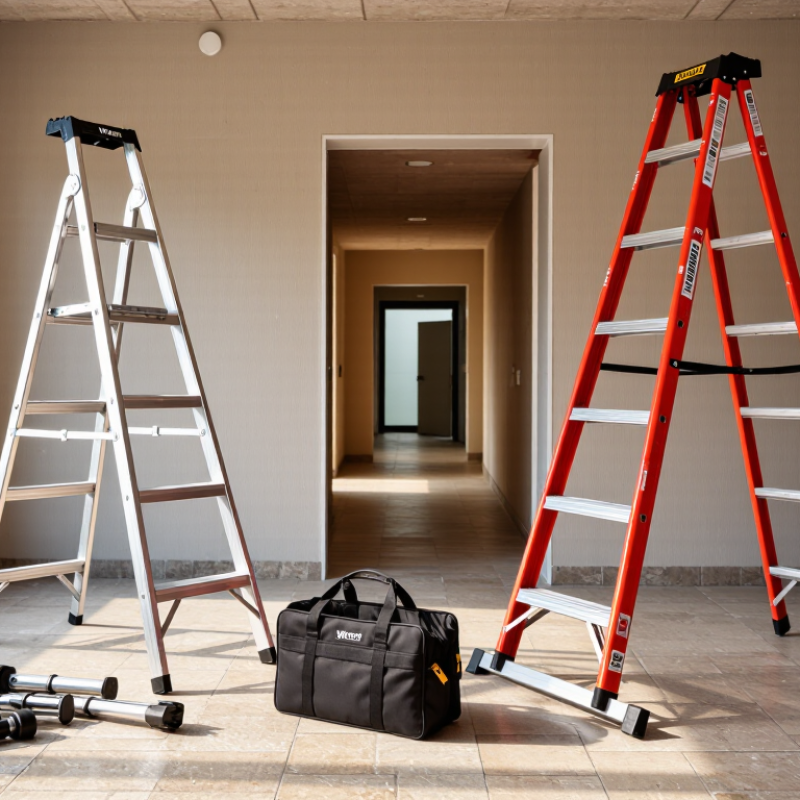
Table of Contents
[Hide]
Understanding Werner Ladder Types and Global Product Variations
Buying a ladder across borders requires more than comparing prices. Product types can change by market, even when their appearance looks familiar. A step ladder suits indoor tasks and stable flooring. An extension ladder reaches higher areas but needs clear setup space. A platform ladder offers better standing comfort. Telescoping models pack easily, yet their locking sections need careful inspection.
Check the duty rating, step spacing, base width, and closed length before ordering. Ratings may use different measurement systems or testing categories. Convert kilograms and feet carefully. A small calculation error matters. Read the local conformity label and user instructions. Safety requirements vary between regions, so approval in one country may not cover another. Do not rely on product photos alone.
Weather also affects selection. Aluminum is light, while fiberglass helps reduce electrical-conductivity risks near power sources. Neither material removes the need for safe distance. Rubber feet may differ in hardness for tile, concrete, or wet ground. Replacement parts can be difficult to source internationally. Ask about hinges, locks, feet, warranty support, and packaging damage before purchase. I would also confirm the ladder’s actual working height, not just its advertised reach. That detail is easy to overlook. A careful buyer compares the complete specification sheet, then checks whether local users can operate the ladder safely and confidently.
Checking Safety Standards, Certifications, and Intended Use
Buying a ladder across borders requires more than comparing height and price. In field inspections, I check the standard before the finish. The CDC reports that more than 500,000 people receive treatment for ladder-related injuries each year in the United States. That figure makes certification a practical filter, not paperwork. Look for the standard named on the label, such as ANSI A14, EN 131, or AS/NZS 1892.1. Verify the certificate with an accredited testing or certification body. A printed badge alone proves little. Standards differ by market.
For workplace use, compare the ladder with local occupational rules, including OSHA requirements where applicable. Check the duty rating carefully. It must cover the user, clothing, tools, and materials together. Inspect rails, steps, feet, hinges, locks, and warning labels. Missing labels matter. For electrical work, choose a model tested for suitable nonconductive performance, but never treat it as insulation against live systems. Wet floors, uneven soil, and wind can defeat a sound design. The intended use controls the decision: a step ladder suits short indoor tasks, while an extension ladder needs stable support and safe landing access.
Before purchase, request test dates, conformity documents, instructions, replacement-part support, and regional warranty terms. I also check whether the rating applies to the exact configuration, not merely the product family. That detail is easy to miss. Online listings often compress safety information. I have trusted a familiar-looking label too quickly before. That was a useful warning. A certificate reduces uncertainty, but it cannot correct poor setup or careless use.
7 Tips for Buying Werner Ladders Globally? - Checking Safety Standards, Certifications, and Intended Use
| Tip | Buying Focus | Relevant Safety Frameworks | What to Verify Before Purchase | Suitable Intended Use | Documents or Evidence to Request |
|---|---|---|---|---|---|
| 1 | Identify the destination-market requirements |
Requirements may vary by country or region, including:
• EN 131 in many European markets • ANSI A14 series in the United States • CSA Z11 in Canada • AS/NZS 1892.1 in Australia and New Zealand |
Confirm which regulations, national standards, workplace rules, and import requirements apply where the ladder will be used. A standard accepted in one market may not satisfy another market’s legal or workplace requirements. | Commercial, industrial, domestic, or public-sector use within the destination jurisdiction. | Applicable-standard statement, conformity documentation, local compliance guidance, and product identification details. |
| 2 | Match the ladder to the task and configuration | Safety requirements depend on whether the product is a stepladder, leaning ladder, extension ladder, platform ladder, or another configuration. | Check the permitted configuration, maximum standing level, maximum extension length, locking mechanism, hinge positions, and whether the ladder is designed for one or more users. | Short-duration access, painting, maintenance, warehouse work, or elevated work areas. Use only in the configuration stated by the instructions. | Instruction manual, configuration diagram, product specification sheet, and warnings printed on the ladder. |
| 3 | Check the duty rating and total load | Duty ratings are determined under the applicable product standard and may be expressed differently between markets. | Ensure the rating covers the user, clothing, tools, materials, and any accessories carried on the ladder. Do not compare rating labels from different standards without checking how each rating is defined. | Light household tasks, general trade work, or heavy-duty professional work, depending on the stated rating. | Rated load, test classification, maximum user weight, and any restrictions on tools or materials. |
| 4 | Verify certification and traceability | Some markets require conformity assessment, while others rely on recognized voluntary or workplace standards. Certification scope must match the exact product. | Check the certification body, certificate number, covered model or product family, approval date, and whether the certificate applies to the manufacturing site and current design. | Especially important for workplace procurement, public projects, rental fleets, and regulated environments. | Valid certificate or declaration of conformity, test report, serial or batch number, manufacturing date, and authorized conformity marks where applicable. |
| 5 | Select the correct material and electrical protection | Aluminum and other conductive materials can create electrical hazards. Non-conductive ladder requirements vary by use and jurisdiction. | Determine whether work will occur near energized electrical equipment. Confirm the ladder material, electrical-use labeling, insulation-related claims, and required clearance procedures. A non-conductive ladder does not eliminate electrical risk. | General construction, facilities maintenance, electrical work, outdoor work, or areas exposed to moisture and contamination. | Material specification, electrical-use warning, test information where applicable, and workplace electrical-safety instructions. |
| 6 | Assess condition, stability, and accessory compatibility | Common safety principles include secure footing, sound steps and rungs, functional spreaders or locks, and protection against unintended movement. | Inspect feet, rails, rungs, platform surfaces, hinges, spreaders, locks, labels, and rivets or fasteners. Confirm that replacement parts and accessories are approved for the exact ladder model. | Indoor or outdoor use on suitable, level, stable, and clean surfaces. Do not use on unstable supports or improvised platforms. | Inspection checklist, maintenance instructions, replacement-part information, warranty terms, and compatibility list. |
| 7 | Plan delivery, training, and ongoing inspection | Workplace rules commonly require user training, pre-use inspection, proper setup, and removal from service when defects are found. | Confirm packaging protection, delivery dimensions, storage requirements, language of instructions, local service support, inspection frequency, and the process for reporting or replacing damaged products. | Repeated professional use, fleet or rental operations, multi-site work, and environments where several users share equipment. | User training materials, inspection procedure, maintenance schedule, service contact, return policy, and disposal or quarantine guidance. |
Important: Always follow the current instructions supplied with the specific ladder and the occupational-safety rules applicable at the place of use. Standards, certification schemes, and legal requirements can change; verify the current local requirements before importing or deploying the product.
Comparing Materials, Sizes, Weight Limits, and Key Features
Tip 1:
Compare materials before comparing prices. Fiberglass resists electrical conductivity, while aluminum is lighter and easier to carry. The trade-off matters on every job.
Tip 2:
Check the size against your actual working height. A ladder should never be used as a makeshift platform. OSHA guidance recommends maintaining three points of contact and avoiding the top step.
Tip 3:
Read the duty rating carefully. Add your body weight, clothing, tools, and materials. A 250-pound rating can disappear quickly with a loaded tool belt. OSHA reports that ladder falls cause thousands of workplace injuries annually, with poor selection often contributing to risk.
Tip 4:
Verify the ladder’s standard markings. Look for compliance information linked to recognized standards, such as ANSI A14 series requirements.
Tip 5:
Examine the footprint, feet, hinges, and locking mechanisms. Rubber feet should grip a clean floor, not slide across dusty concrete.
Tip 6:
Consider transport weight. A ladder that feels manageable in a showroom may become awkward after a long walk or repeated repositioning. The U.S. Bureau of Labor Statistics continues to identify falls as a major source of serious workplace injuries, so convenience should not override stability.
Tip 7:
Confirm regional labeling, instructions, and replacement-part availability. Global purchases can involve different measurement systems and service expectations. This detail is easy to overlook.
I have found that real-world handling reveals weaknesses quickly. A lightweight ladder may save effort, yet fiberglass can feel bulky in narrow rooms. My own judgment is not perfect, especially when space, weather, and user strength change. Recheck the rating before every demanding task.
Evaluating Sellers, Prices, Shipping, Warranties, and Import Costs
When buying ladders internationally, check the seller before comparing prices. Confirm the company’s address, business history, product photos, and customer service response. Ask for current stock, not a copied listing. Request load ratings, dimensions, materials, and safety certifications relevant to your country. Keep records. A clear answer often reveals a reliable seller.
Compare the complete cost, not only the advertised price. Add shipping, insurance, payment fees, customs duties, taxes, and possible handling charges. A low-priced ladder may become expensive after delivery. Ask whether shipping is door-to-door or stops at a port. Confirm packaging details, because long metal parts can arrive scratched or bent. Measure your doorway and storage space before ordering.
Read the warranty carefully. Check its length, covered defects, exclusions, repair process, and return shipping responsibility. Ask who pays when a damaged item arrives. Get every promise in writing. I once trusted a seller’s friendly message and missed a short claim period. That mistake still influences my buying decisions. Also compare delivery estimates with your project schedule, since delays can affect labor costs. Use a payment method with documented purchase protection where available, and inspect the ladder before use. Take photos immediately. Then review the instructions, labels, and locking parts with a qualified user, especially if the model differs from local designs.
Inspecting Authenticity, Condition, Delivery, and After-Sales Support
Buying a ladder across borders requires more than comparing prices.
Start by checking the seller’s identity, product photos, model markings, and purchase documents. Authentic units usually have clear labels, consistent manufacturing details, and traceable serial information. Ask for close-up images before payment. A rushed seller is a warning sign.
Condition matters even when the ladder looks clean.
Inspect hinges, locking parts, rails, feet, joints, and load labels. Request a short operating video, especially for used or refurbished equipment. Look for bent sections, deep scratches, corrosion, loose rivets, and uneven rubber feet.
I once trusted polished photos and missed worn locking pins. That mistake changed my inspection routine.
Delivery can create unexpected problems.
Confirm the folded dimensions, packed weight, shipping method, insurance, and estimated arrival date. Use protective packaging, because metal edges can damage cartons during long transport. Check local safety requirements before ordering. On arrival, photograph the unopened package and inspect it before signing acceptance.
After-sales support should include clear warranty terms, replacement parts, return conditions, and a realistic response time. Ask whether support is available in your language and time zone. Keep every message and invoice.
Small details matter. My process is not perfect, and delivery estimates can still change, but written evidence makes disputes easier to handle.
Related Posts
-

How to Choose the Best Multi Position Ladder for Your Needs?
-
Top Ladder Leveler Manufacturers for Global Buyers
-

Top 10 Benefits of Using a Ladder Hoist for Construction Projects?
-

2026 How to Use the Pivit Ladder Tool Effectively?
-
10 Best Safety Rail Solutions for Home and Workplace Safety
-
Top Multi Position Ladder Tips for Safe Usage and Buying Guide?
What Can We Help You With?
CALL NOW TO ORDER
NH: 603-434-6911MA: 508-754-3030ME: Regular weekly deliveries from NH
CALL NOW TO ORDER
NH: 603-434-6911MA: 508-754-3030ME: Regular weekly deliveries from NH
















Featured Product

Streamlined. Safe. Flexible.
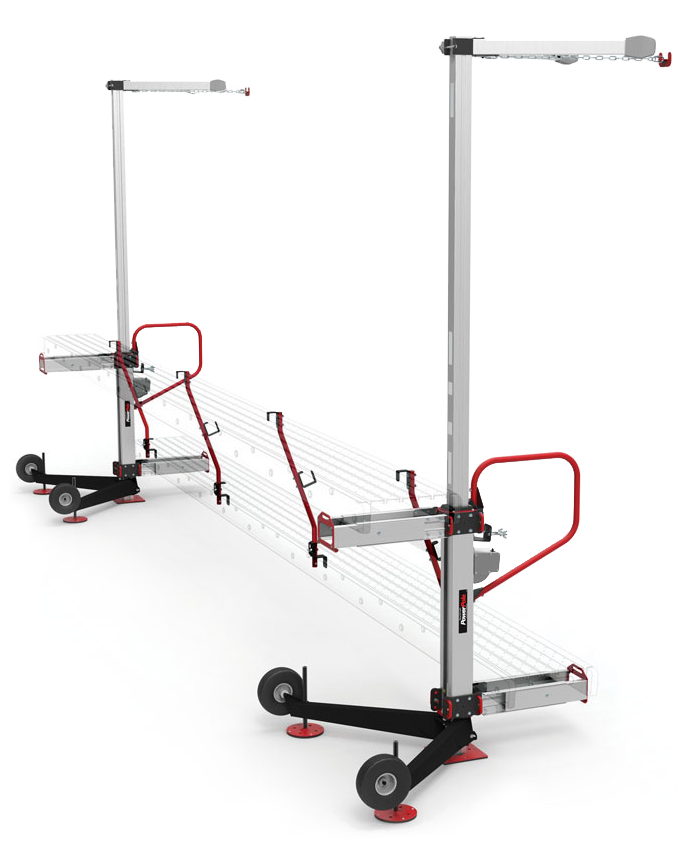
With the ReechCraft PowerPole, traditional scaffolding and pump jack systems are a thing of the past. Our streamlined design gains you access between buildings, on rooftops, around landscaping, and more. The PowerPole is perfect for contract work on residential areas.
See Products & Accessories
- ReechCraft Power Pole
- ReechCraft 4022465 – 10 in. x 10 in. Base Foot
- ReechCraft Platform Support
- ReechCraft 4022179 – Platform Support with PowerLatch Connector
- ReechCraft PowerLatch Assembly
- ReechCraft 4022084 – PowerPole 12 ft Pole Section
- ReechCraft 4022435 – PowerPole 6 ft Pole Section
- ReechCraft 4028334 – PowerPole Climbing Unit
- ReechCraft 4022096 – PowerPole Coupler
- ReechCraft 4022629 – PowerPole Extendable V-Brace
- ReechCraft 4022791 – PowerPole Outrigger
- ReechCraft 4022432 – PowerPole Standoff Tie
- ReechCraft 4022178 – PowerPole Super Standoff Tie
- ReechCraft 4022629 – PowerPole V-Brace
- ReechCraft 4022756 – Single Man Basket
- ReechCraft 4022071 – SpeedRail Endrail (Two-Pack)
- ReechCraft 4022765 – SpeedRail Midrail Post (Two-Pack)

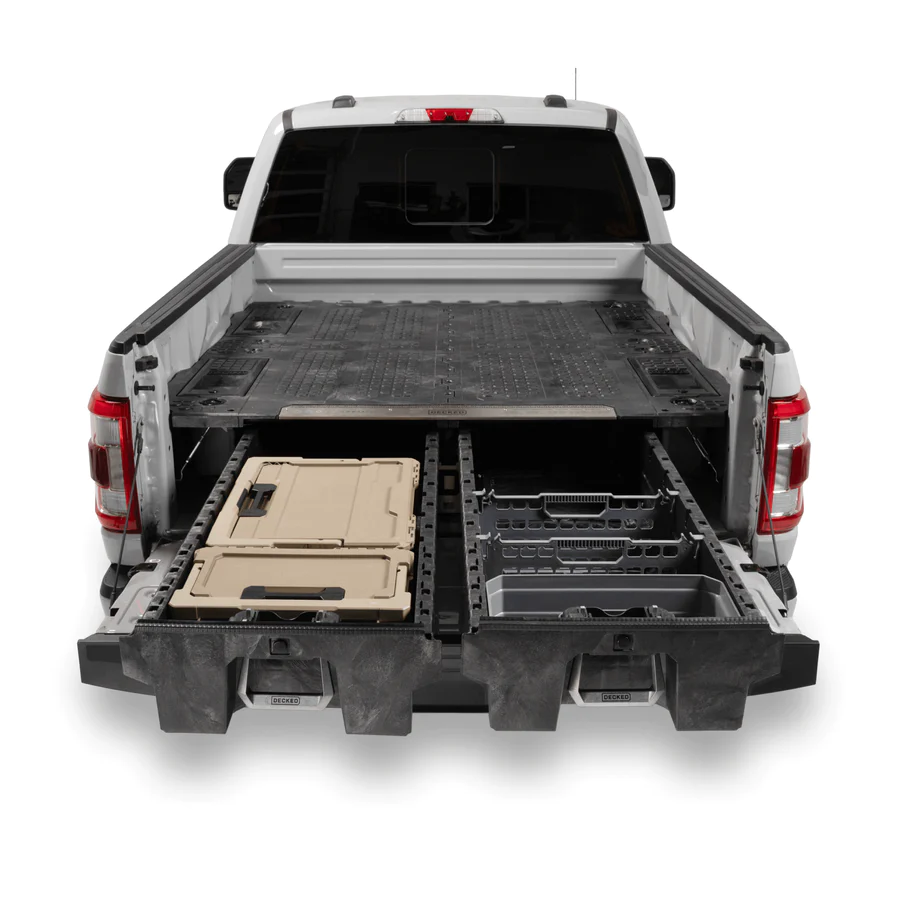
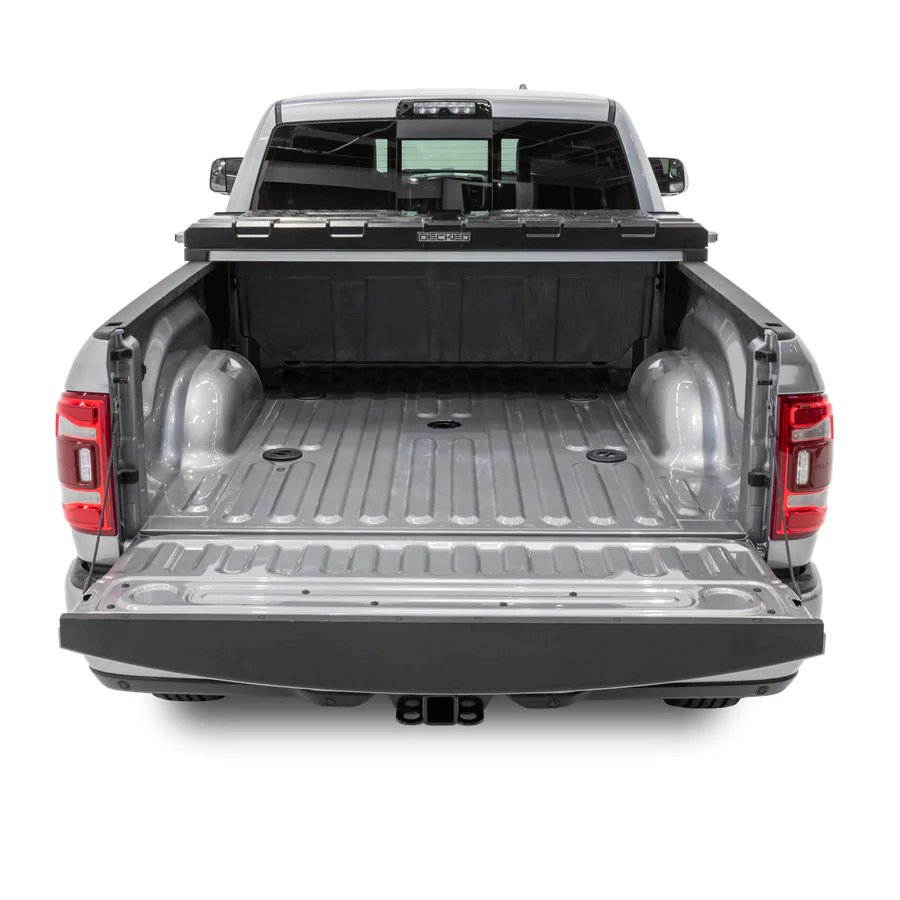
Headache Racks That Turn Heads


See Products & Accessories

June 2022 - Month Long Promotion
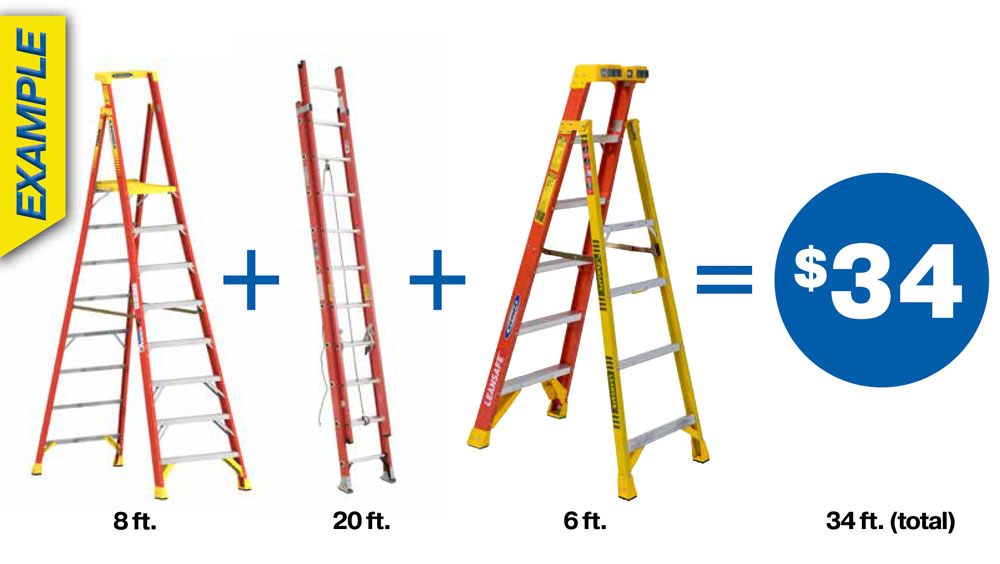
Buy any of the listed Werner ladders and get
$1 Off Per Foot
Demo and Safety Day
Don't miss our WernerCo Sfety and Demo Day BBQ
June 23rd, 2022 from 10am - 2pm
Chance to win giveaways
Cookout from 10am - 2pm
Werner fall protection and Weatherguard Specialists on site to answer any questions and perform safety and product demonstrations.

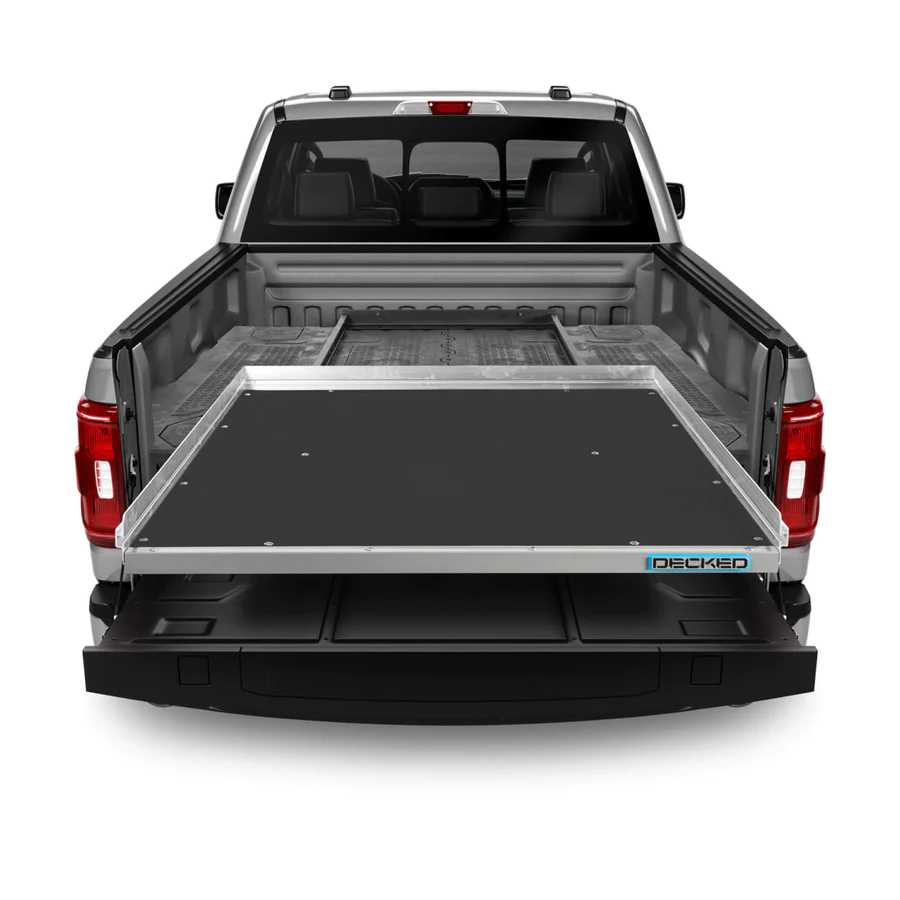
System One Modular Truck Equipment for New Hampshire, Massachusetts, Connecticut, Rhode Island, Vermont, and Maine Contractors
- Lewiston, ME
- Bar Harbor, ME
- Lexington, MA
- North Andover, MA
- East Hampton, CT
- Meredith, NH
- Concord, NH
- Bennington, VT
- Biddeford, ME
- West Fairlee, VT
- Hopkinton, RI
- Freeport, ME
- Danbury, CT
- Waterboro, ME
- Winslow, ME
- Buxton, ME
- Southington, CT
- Milford, NH
- Pownal, VT
- South Berwick, ME
- North Haven, CT
- Atkinson, NH
- Farmington, NH
- Whitingham, VT
- Pelham, NH
- Essex, VT
- Wallingford, VT
- Laconia, NH
- Narragansett, RI
- Fair Haven, VT
- Sandown, NH
- New London, NH
- Portsmouth, RI
- Haverhill, NH
- Needham, MA
- Bridgewater, MA
- Middletown, RI
- Montpelier, VT
- Barre, VT
- St. Johnsbury, VT
- Livermore Falls, ME
- Sandwich, MA
- Newport, RI
- Raymond, NH
- Tunbridge, VT
- Barnet, VT
- Brooksville, ME
- Gorham, ME
- Litchfield, ME
- Bristol, CT
- Rumford, ME
- Thompson, CT
- Dover, VT
- Westminster, VT
- Waitsfield, VT
- Torrington, CT
- Scituate, RI
- Barnstead, NH
- Lovell, ME
- Barton, VT
- Unity, ME
- Skowhegan, ME
- Groton, CT
- Northfield, VT
- Hopkinton, NH
- Limerick, ME
- Candia, NH
- Berwick, ME
- Killington, VT
- Peacham, VT
- North Hampton, NH
- Randolph, MA
- Bloomfield, CT
- Watertown, MA
- Wilmington, MA
- Methuen, MA
- Nashua, NH
- Plymouth, NH
- Newmarket, NH
- Alfred, ME
- Caribou, ME
- Weymouth, MA
- North Yarmouth, ME
- Bethel, CT
- Rocky Hill, CT
- Bristol, RI
- Sabattus, ME
- Salem, MA
- Londonderry, NH
- Chester, NH
- Westford, VT
- Stamford, CT
- Vershire, VT
- East Hartford, CT
- Norwich, CT
- Stratham, NH
- Windham, NH
- Vernon, CT
Knaack Jobsite Boxes, Chests, Cabinets, Workbenches, Field Offices, and Accessories
- Raymond, ME
- Fairfax, VT
- Presque Isle, ME
- Highgate, VT
- Norridgewock, ME
- Old Saybrook, CT
- Marblehead, MA
- Nashua, NH
- Mashpee, MA
- Auburn, NH
- Bowdoin, ME
- Milford, CT
- Bolton, CT
- Mendon, VT
- Dartmouth, MA
- Portland, CT
- North Haven, CT
- New Gloucester, ME
- Bourne, MA
- New Canaan, CT
- Belmont, NH
- Rutland, VT
- Fitchburg, MA
- Waterbury, CT
- Burlington, VT
- Fair Haven, VT
- Bethel, VT
- Greene, ME
- Chicopee, MA
- New London, CT
- Gloucester, MA
- Mechanic Falls, ME
- Wilmington, MA
- Fairfield, CT
- Methuen, MA
- Newport, ME
- Bakersfield, VT
- Monroe, CT
- Meriden, CT
- Prospect, CT
- Thomaston, ME
- Watertown, MA
- Winchester, ME
- Hampstead, NH
- Gilford, NH
- Pownal, VT
- Essex Junction, VT
- Lincoln, ME
- East Lyme, CT
- Tolland, CT
- Naugatuck, CT
- Dennis, MA
- Waldoboro, ME
- Derry, NH
- Bridgewater, MA
- Windham, NH
- Longmeadow, MA
- West Rutland, VT
- Warren, ME
- Coventry, RI
- Whitingham, VT
- Bow, NH
- Norway, ME
- Smithfield, RI
- Sharon, VT
- Amherst, MA
- Wells, ME
- Sabattus, ME
- Stoughton, MA
- Thetford, VT
- Tewksbury, MA
- Norwich, CT
- Rochester, VT
- Gray, ME
- Madison, ME
- Leominster, MA
- Newington, CT
- Sutton, VT
- Shelton, CT
- East Hampton, CT
- Darien, CT
- Haverhill, NH
- Houlton, ME
- Foster, RI
- Medford, MA
- Littleton, NH
- Seymour, CT
- Harrisville, RI
- Killingworth, CT
- Bellows Falls, VT
- Lunenburg, VT
- Saco, ME
- Peterborough, NH
- Frankfort, ME
- Albany, VT
- Plainville, CT
- North Kingstown, RI
Thule TracRac from the Thule TracRac Resellers New England Trusts
- South Windsor, CT
- Melrose, MA
- Manchester, CT
- Limerick, ME
- Glocester, RI
- South Portland, ME
- Brookline, NH
- Killingworth, CT
- Thompson, CT
- Groton, CT
- Montgomery, VT
- Mendon, VT
- Derby, VT
- Newington, CT
- Somersworth, NH
- West Haven, CT
- Merrimack, NH
- Bellows Falls, VT
- South Berwick, ME
- Gorham, ME
- Marblehead, MA
- Hudson, MA
- Alton, NH
- Jericho, VT
- Simsbury, CT
- Skowhegan, ME
- Plaistow, NH
- North Andover, MA
- Camden, ME
- Brookfield, CT
- Vergennes, VT
- Pittsfield, ME
- Hartford, VT
- Sanford, ME
- Swanzey, NH
- Kingston, NH
- Alfred, ME
- Needham, MA
- West Springfield, MA
- Underhill, VT
- Middletown, CT
- Amherst, NH
- Sidney, ME
- Natick, MA
- South Kingstown, RI
- Vershire, VT
- Richmond, ME
- Quincy, MA
- Bolton, CT
- Hallowell, ME
- West Hartford, CT
- Wardsboro, VT
- Avon, CT
- Bridgeport, CT
- Sudbury, MA
- Waltham, MA
- Marion, MA
- Waterbury, CT
- Southbury, CT
- Vernon, CT
- Warwick, RI
- Pembroke, NH
- Leominster, MA
- Torrington, CT
- Weare, NH
- Barrington, NH
- New Bedford, MA
- Charlestown, RI
- Jefferson, ME
- Pittsfield, MA
- Newport, NH
- Madison, ME
- Providence, RI
- Brookline, MA
- South Hadley, MA
- Barnstead, NH
- Peabody, MA
- Madison, CT
- Raymond, ME
- Barre, VT
- Augusta, ME
- Belmont, MA
- Ellington, CT
- Cambridge, MA
- Claremont, NH
- Falmouth, MA
- North Yarmouth, ME
- Norridgewock, ME
- Ipswich, MA
- East Providence, RI
- Johnston, RI
- Bedford, NH
- Scituate, RI
- Huntington, VT
- Seabrook, NH
- Danville, VT
- Clinton, CT
- Eliot, ME
Purchase Alum-A-Pole Products from Nation Wide Ladder – Ladder Distributors in MA, NH, CT, ME, VT, and RI
- Providence
- Cranston
- Warwick
- Pawtucket
- East Providence
- Woonsocket
- Newport
- Central Falls
- Manville
- Harrisville
- Burlington
- Barre
- South Burlington
- Rutland
- Essex Junction
- St Albans
- Montpelier
- Winooski
- Bellows Falls
- Newport
Purchase 28 Ft Extension Ladders from Nation Wide Ladder – Ladder Distributors in MA, NH, CT, ME, VT, and RI
- Providence
- Cranston
- Warwick
- Pawtucket
- East Providence
- Woonsocket
- Newport
- Central Falls
- Manville
- Harrisville
- Burlington
- Barre
- South Burlington
- Rutland
- Essex Junction
- St Albans
- Montpelier
- Winooski
- Bellows Falls
- Newport
Purchase 40 Ft Extension Ladders from Nation Wide Ladder – Ladder Distributors in MA, NH, CT, ME, VT, and RI
- Providence
- Cranston
- Warwick
- Pawtucket
- East Providence
- Woonsocket
- Newport
- Central Falls
- Manville
- Harrisville
- Burlington
- Barre
- South Burlington
- Rutland
- Essex Junction
- St Albans
- Montpelier
- Winooski
- Bellows Falls
- Newport
Purchase 28 Ft Fiberglass Extension Ladders from Nation Wide Ladder – Ladder Distributors in MA, NH, CT, ME, VT, and RI
- Providence
- Cranston
- Warwick
- Pawtucket
- East Providence
- Woonsocket
- Newport
- Central Falls
- Manville
- Harrisville
- Burlington
- Barre
- South Burlington
- Rutland
- Essex Junction
- St Albans
- Montpelier
- Winooski
- Bellows Falls
- Newport