NATION WIDE LADDER & EQUIPMENT
NH: 603-434-6911MA: 508-754-3030ME: Regular weekly deliveries from NH
- Home
- Blog
Let Nationwide Ladder & Equipment Help You Find What You Need.
What Are the Best Ladder Hoist Manufacturers in China?
Choosing a ladder hoist manufacturer is not just a price comparison. The equipment must lift smoothly, hold loads securely, and suit the roof, scaffold, or worksite where it will operate. Buyers also need clear specifications, spare-parts support, and responsive technical service. Small details matter.
Grand View Research’s Construction Equipment Market Size, Share & Trends Analysis Report estimated the global construction equipment market at US$161.5 billion in 2023. It projected a 6.3% compound annual growth rate from 2024 to 2030. This broad market estimate signals continuing demand for construction equipment, but it does not measure ladder hoists specifically. That distinction matters. Market growth alone cannot show whether an individual product is safe, durable, or well supported.
This guide examines Chinese ladder hoist manufacturers through practical buying criteria: rated capacity, lifting height, motor and brake design, cable quality, documented testing, and after-sales support. Buyers should compare these details against their actual site conditions, not just catalog images. Ask for operating manuals, inspection records, and clear warranty terms. Then verify that the offered configuration matches the quotation. A low price can look attractive. It may also leave important questions unanswered. No single manufacturer suits every project, so the best choice depends on the load, duty cycle, installation, and service needs.
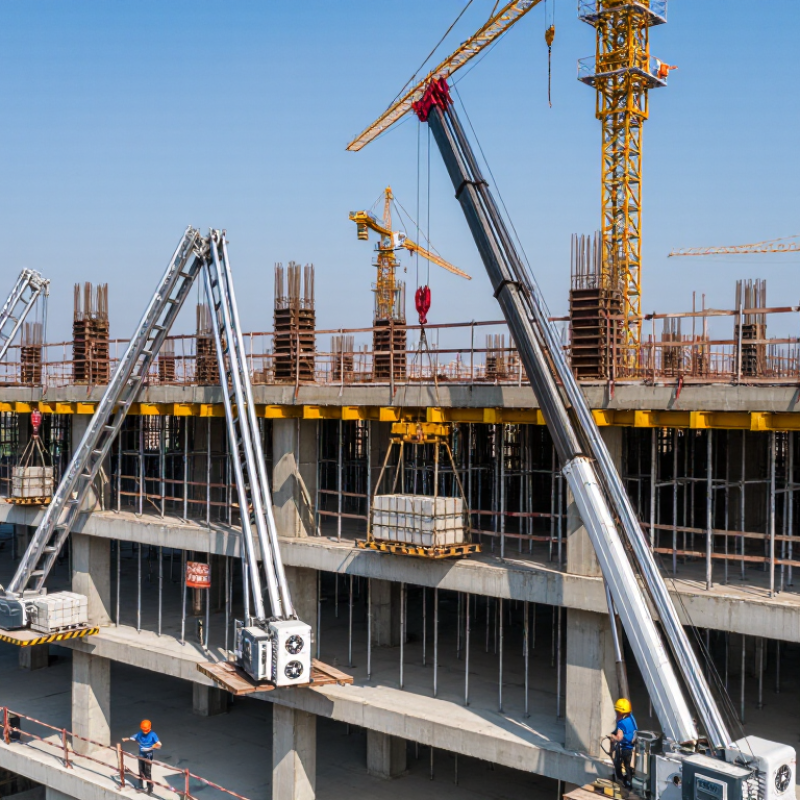
Table of Contents
[Hide]
What Is a Ladder Hoist and How Is It Used?
A ladder hoist is a lifting system fitted beside a ladder to move materials between ground level and an elevated work area. It usually uses a motor, guide rail, and load carriage or platform. Workers use it to raise roofing bundles, tools, or small equipment without carrying them up the rungs. The distinction matters. A ladder hoist moves materials; it is not a passenger lift. On site, the operator loads the carriage, keeps the travel path clear, and controls the lift from a safe position.
Before use, check the hoist’s rated capacity, mounting points, cable condition, and ground stability. Secure the ladder and hoist as specified for that particular setup. Never exceed the load limit. The U.S. Bureau of Labor Statistics’ Census of Fatal Occupational Injuries, 2022, recorded 395 construction deaths involving falls, slips, and trips. That figure is not specific to ladder hoists, but it underscores why stable access and careful material handling matter. A hoist can reduce repeated carrying, yet it does not remove every hazard. Wind, uneven ground, or a poorly balanced load can still cause trouble. I would not treat a quick visual check as enough; regular inspection and clear communication between the operator and ground crew are essential.
What Is a Ladder Hoist and How Is It Used?
A ladder hoist moves materials up an inclined guide, reducing the need to carry them manually. The chart shows the theoretical energy required to raise a 25 kg load through different vertical heights, calculated using gravitational potential energy (m × g × h). These are example calculations, not equipment load ratings; real energy use is higher because of friction and other losses.
How Are Ladder Hoist Manufacturers in China Evaluated?
Evaluating ladder hoist manufacturers in China starts with the equipment, not the catalog. Ask for rated load, lifting speed, platform dimensions, and compatible ladder angles. These figures should match the job, whether workers are moving tiles up a narrow renovation site or supplies beside a low-rise building. Request test records and clear operating instructions. Check that guards, emergency stops, and load limits are easy to identify. Small details matter.
Tips: Ask for a live demonstration with a representative load. Watch how smoothly the hoist starts and stops, and listen for unusual vibration. Confirm spare-part availability and expected service response times in writing.
A capable manufacturer should explain material choices, inspection steps, and maintenance intervals without relying on vague claims. Review sample welds and cable routing, and ask how finished units are checked before shipment. Where possible, speak with customers using similar equipment in comparable conditions. A factory visit helps, but it cannot prove how every unit will perform on a changing worksite. No checklist catches everything. Record your questions, compare answers, and note any uncertainty before choosing.
Which Chinese Manufacturers Produce Ladder Hoists?
What Are the Best Ladder Hoist Manufacturers in China?
Which Chinese Manufacturers Produce Ladder Hoists?
Chinese ladder hoists are made by several types of manufacturers. These include specialist lifting-equipment factories, construction-machinery producers, and workshops that build equipment to customer specifications. Some make complete hoists; others assemble motors, rails, and platforms from sourced parts. Ask which components are produced in-house. A factory address alone proves little.
When comparing suppliers, check rated load, lifting height, rail sections, braking features, and power requirements. Request a recent test record and clear photos of the assembled unit. Ask how the hoist behaves on uneven ground and what maintenance the winch needs. A neat catalog is useful, but it cannot show weld quality or after-sales support. I would not choose on price alone; the cheapest quote can leave important details unclear.
Tips: Ask for a short video showing a loaded test, not just an unloaded lift. Confirm spare-part availability and written warranty terms. If possible, inspect a sample. Small details matter: a loose connector or poorly aligned rail can slow installation.
What Are the Best Ladder Hoist Manufacturers in China? - Which Chinese Manufacturers Produce Ladder Hoists?
Use this evidence-based checklist to compare Chinese ladder hoist manufacturers. It avoids unsupported company rankings: confirm each specification against the manufacturer’s current technical documents and the exact model offered.
| Comparison Dimension | What to Check | Evidence to Request | Why It Matters |
|---|---|---|---|
| Product configuration | Confirm whether the supplier makes a ladder-mounted hoist, a track-and-carriage system, or another lifting arrangement. Check that the offered configuration suits the intended installation. | Model-specific product sheet, assembly drawing, and installation instructions. | Products described as “ladder hoists” can have different structures and are not automatically interchangeable. |
| Rated capacity | Check the rated load for the complete hoist configuration, including the carriage and any specified accessories. Do not treat a motor’s lifting figure as the system’s rated capacity. | Load rating on the nameplate and in the operating manual. | The rated load defines the maximum permitted working load under the manufacturer’s stated conditions. |
| Maximum lifting height | Verify the permitted working height and the compatible ladder, rail, or track sections for the selected model. | Technical specification and configuration drawing showing the approved setup. | Maximum height depends on the system configuration and cannot be assumed from a product photograph. |
| Drive and power supply | Confirm motor type, electrical supply requirements, control method, and any stated duty-cycle limits. | Motor data, wiring diagram, control instructions, and electrical rating label. | These details help establish whether the equipment is compatible with the site’s power supply and expected use. |
| Safety provisions | Check the supplied safety devices and operating limits, such as overload protection, emergency stopping, braking, and end-of-travel controls where applicable. | Safety-device list, wiring or system diagram, and inspection instructions. | Safety features vary by model; their presence and function should be verified rather than assumed. |
| Materials and construction | Review the stated materials, surface treatment, component design, and intended operating environment. | Bill of materials or material specifications and maintenance guidance. | Environmental exposure and maintenance requirements can affect service life and suitability for a job site. |
| Quality control and testing | Ask how the manufacturer inspects and tests the finished unit, and whether inspection records are available for the order. | Quality-control procedure, test report, and traceable serial or batch information. | Documented checks make it easier to verify that the delivered equipment matches the agreed specification. |
| Documentation and compliance | Check which manuals, declarations, certificates, and locally required documents apply to the specific model and destination market. | Current documents identifying the product model, applicable standards, and issuing organization. | Requirements depend on the product and market; a general certificate should not be assumed to cover every model. |
| Spare parts and service | Confirm the availability of replacement parts, technical support, warranty terms, and the process for reporting faults. | Written warranty, spare-parts list, service contact details, and response procedure. | Clear support arrangements can reduce delays when inspection, repair, or replacement parts are needed. |
Selection tip: compare manufacturers using the same requested load, lifting height, configuration, power supply, safety features, and destination-market requirements. Obtain written confirmation for the exact model before ordering.
How Do Their Products, Safety Features, and Services Compare?
Comparing ladder hoist manufacturers in China starts with matching the equipment to the job, not the brochure. Some offer compact units for renovation crews, while others provide larger platforms, extended mast sections, or different power options. Request the rated load, working height, platform dimensions, and duty cycle in one written specification. A hoist may meet its stated capacity yet feel unsuitable when materials shift or access is narrow. Small detail, big difference.
Safety comparisons should cover more than an emergency stop. Ask whether the model includes overload protection, travel limit switches, anti-fall devices, and platform guards where applicable. Review operating instructions, inspection records, and load-test documentation before purchase. Also confirm how the hoist must be anchored and installed for the intended setup. I would not treat a polished catalog as proof of safe performance; actual site conditions matter.
Service can distinguish similar products. Check spare-part availability, warranty terms, operator training, and how quickly technical support responds. Ask for clear maintenance intervals and a parts list, especially for brakes, cables, and controls. That matters. Some answers may remain vague until the exact configuration is selected, so record promises in the quotation. A lower price is less useful if downtime leaves a crew waiting for a small replacement part.
What Should Buyers Consider When Choosing a Manufacturer?
When comparing ladder hoist manufacturers in China, start with the job, not the catalog.
Record the load, lifting height, platform dimensions, power supply, and expected daily cycles. A hoist moving roof tiles for two hours needs different duty capacity from one used all day. Ask how rated capacity changes with boom angle and extension; one headline number can hide important limits. That matters. Request test records for braking, overload protection, emergency stops, and repeated lifting under load. Ask for evidence.
Inspect frame welds, cable routing, guards, and finish on a production sample or through a live video inspection. Check whether critical parts have clear specifications and replacement parts can be shipped promptly. A low quote may exclude commissioning, packaging, or spare components, so compare itemized offers. Confirm warranty coverage, response times, manuals, and operator training in writing. Communication is a real test. Send a drawing and ask the manufacturer to flag assumptions before production; vague agreement can become costly. Paperwork alone is not enough. Leave room in the budget for unexpected site constraints.
Related Posts
-
How to Choose a Top Ladder Hoist in 2026?
-
What Are the Best Safety Ladders From China?
-

Step Ladder Tips for Safety and Efficiency in Home Projects?
-
Top Ladder Leveler Types for Global Buyers
-
Top 10 Benefits of Using Pump Jack Scaffolding for Construction Projects
-
China Top 10 Werner Ladders Manufacturers for Global Buyers
What Can We Help You With?
CALL NOW TO ORDER
NH: 603-434-6911MA: 508-754-3030ME: Regular weekly deliveries from NH
CALL NOW TO ORDER
NH: 603-434-6911MA: 508-754-3030ME: Regular weekly deliveries from NH










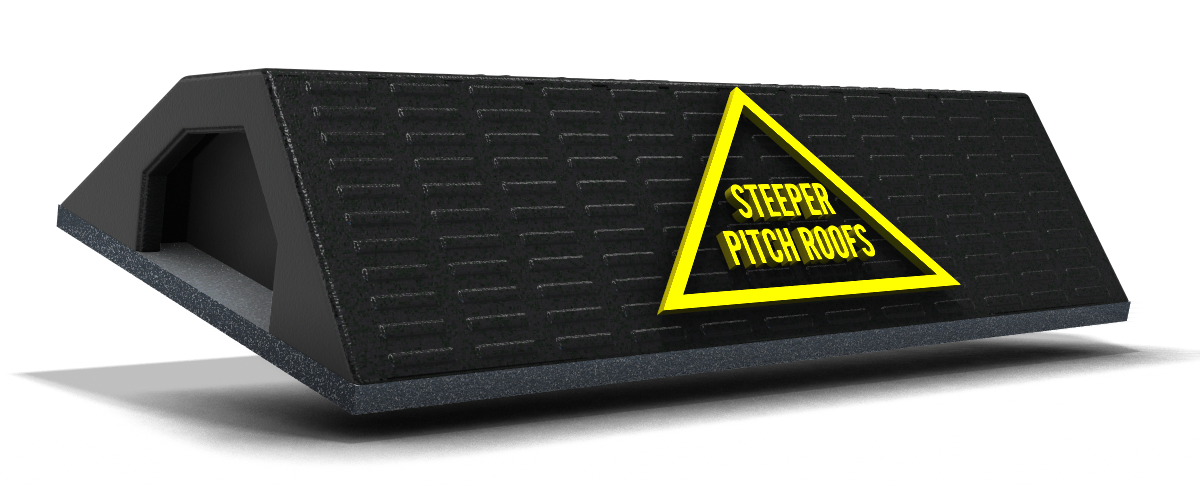
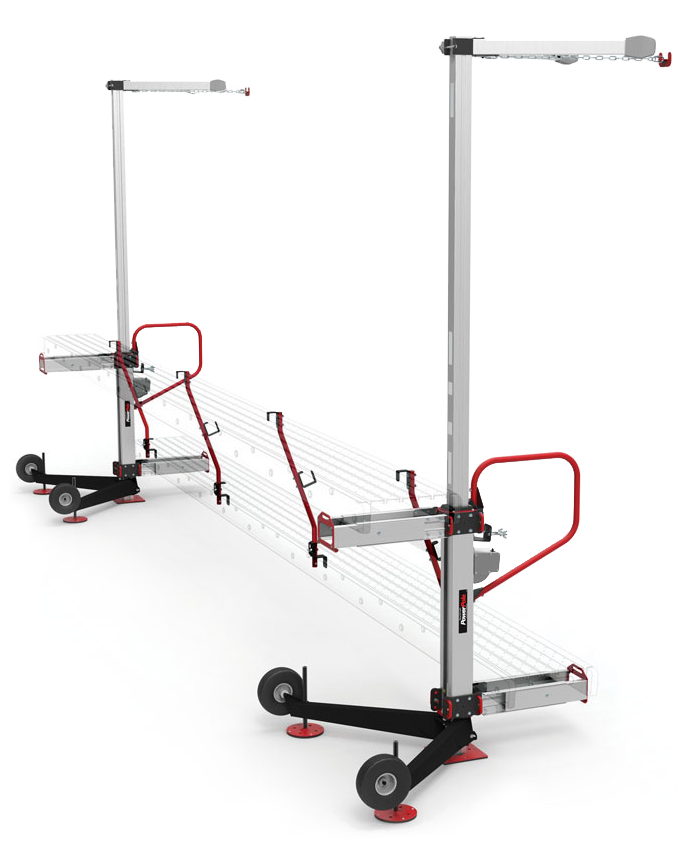
Featured Product

Streamlined. Safe. Flexible.
With the ReechCraft PowerPole, traditional scaffolding and pump jack systems are a thing of the past. Our streamlined design gains you access between buildings, on rooftops, around landscaping, and more. The PowerPole is perfect for contract work on residential areas.
See Products & Accessories
- ReechCraft Power Pole
- ReechCraft 4022465 – 10 in. x 10 in. Base Foot
- ReechCraft Platform Support
- ReechCraft 4022179 – Platform Support with PowerLatch Connector
- ReechCraft PowerLatch Assembly
- ReechCraft 4022084 – PowerPole 12 ft Pole Section
- ReechCraft 4022435 – PowerPole 6 ft Pole Section
- ReechCraft 4028334 – PowerPole Climbing Unit
- ReechCraft 4022096 – PowerPole Coupler
- ReechCraft 4022629 – PowerPole Extendable V-Brace
- ReechCraft 4022791 – PowerPole Outrigger
- ReechCraft 4022432 – PowerPole Standoff Tie
- ReechCraft 4022178 – PowerPole Super Standoff Tie
- ReechCraft 4022629 – PowerPole V-Brace
- ReechCraft 4022756 – Single Man Basket
- ReechCraft 4022071 – SpeedRail Endrail (Two-Pack)
- ReechCraft 4022765 – SpeedRail Midrail Post (Two-Pack)

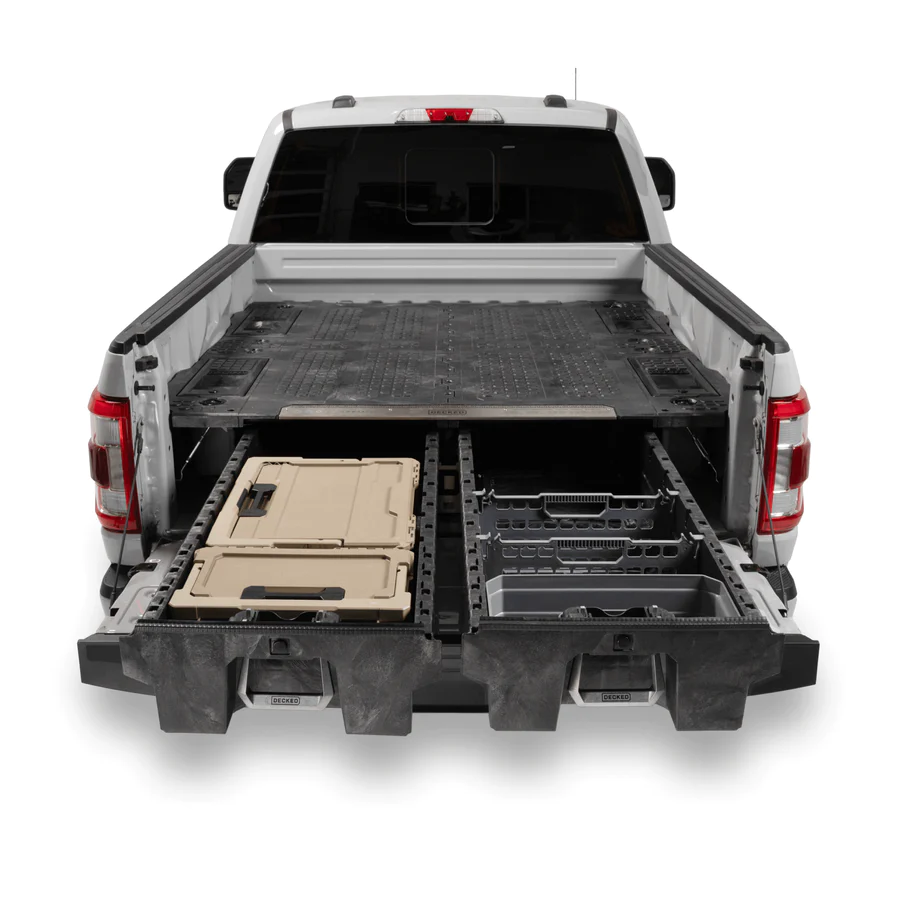
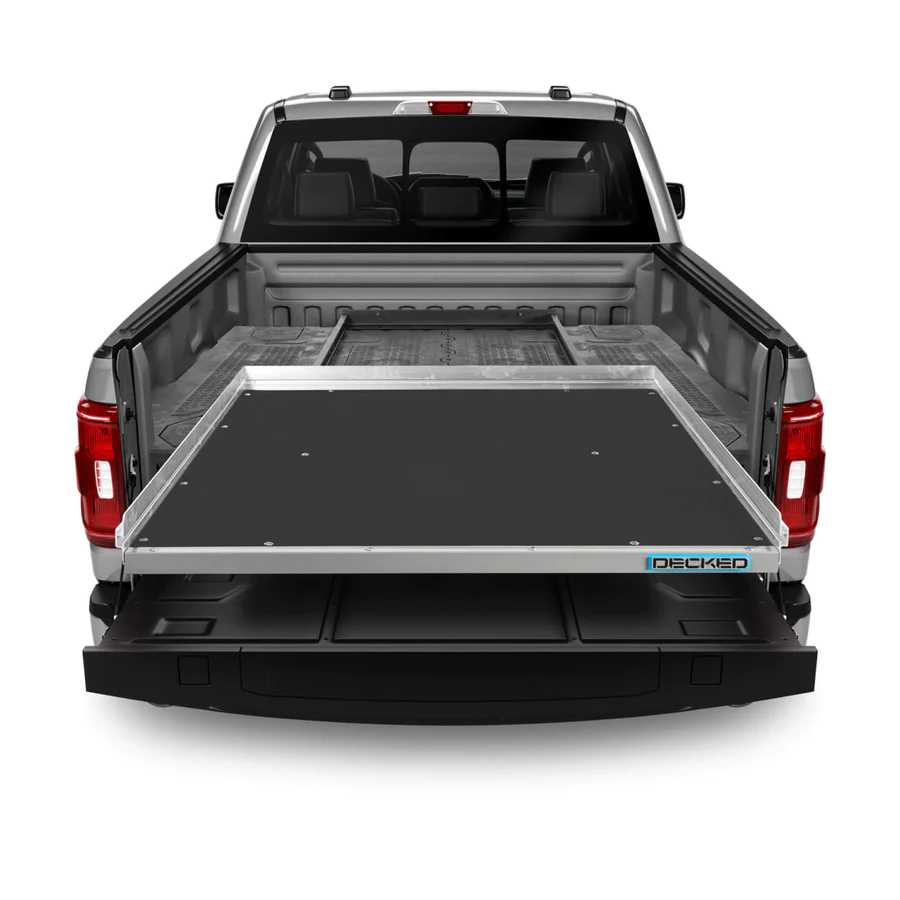
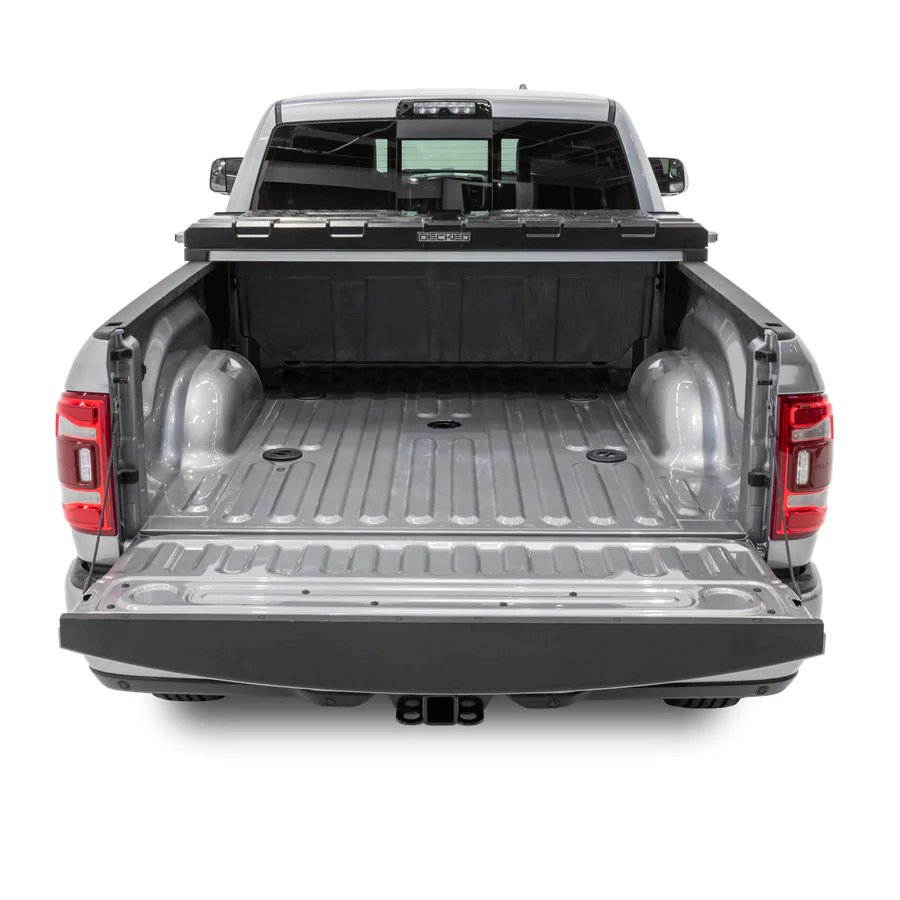
Headache Racks That Turn Heads


See Products & Accessories

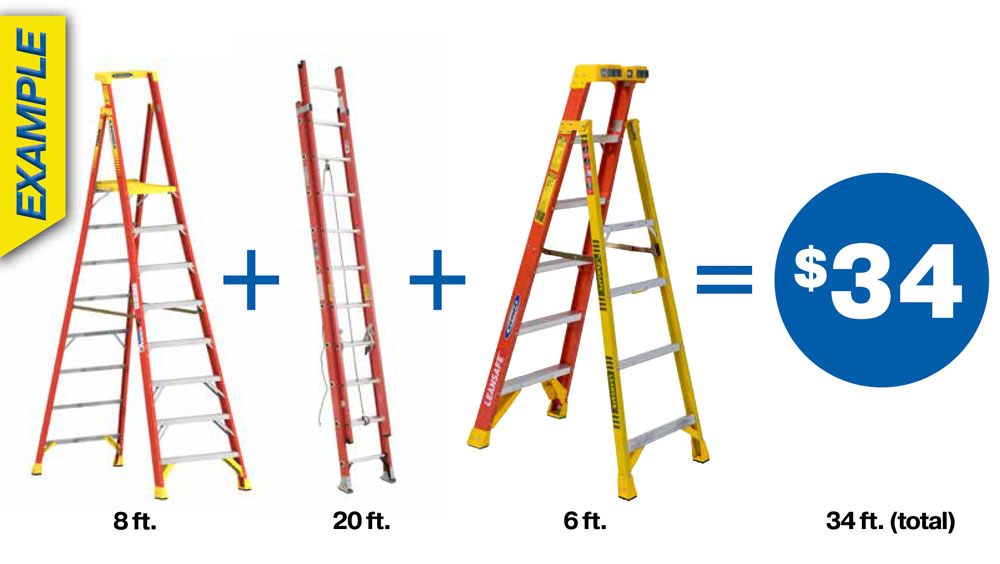
June 2022 - Month Long Promotion
Buy any of the listed Werner ladders and get
$1 Off Per Foot
Demo and Safety Day
Don't miss our WernerCo Sfety and Demo Day BBQ
June 23rd, 2022 from 10am - 2pm
Chance to win giveaways
Cookout from 10am - 2pm
Werner fall protection and Weatherguard Specialists on site to answer any questions and perform safety and product demonstrations.
System One Modular Truck Equipment for New Hampshire, Massachusetts, Connecticut, Rhode Island, Vermont, and Maine Contractors
- Lewiston, ME
- Bar Harbor, ME
- Lexington, MA
- North Andover, MA
- East Hampton, CT
- Meredith, NH
- Concord, NH
- Bennington, VT
- Biddeford, ME
- West Fairlee, VT
- Hopkinton, RI
- Freeport, ME
- Danbury, CT
- Waterboro, ME
- Winslow, ME
- Buxton, ME
- Southington, CT
- Milford, NH
- Pownal, VT
- South Berwick, ME
- North Haven, CT
- Atkinson, NH
- Farmington, NH
- Whitingham, VT
- Pelham, NH
- Essex, VT
- Wallingford, VT
- Laconia, NH
- Narragansett, RI
- Fair Haven, VT
- Sandown, NH
- New London, NH
- Portsmouth, RI
- Haverhill, NH
- Needham, MA
- Bridgewater, MA
- Middletown, RI
- Montpelier, VT
- Barre, VT
- St. Johnsbury, VT
- Livermore Falls, ME
- Sandwich, MA
- Newport, RI
- Raymond, NH
- Tunbridge, VT
- Barnet, VT
- Brooksville, ME
- Gorham, ME
- Litchfield, ME
- Bristol, CT
- Rumford, ME
- Thompson, CT
- Dover, VT
- Westminster, VT
- Waitsfield, VT
- Torrington, CT
- Scituate, RI
- Barnstead, NH
- Lovell, ME
- Barton, VT
- Unity, ME
- Skowhegan, ME
- Groton, CT
- Northfield, VT
- Hopkinton, NH
- Limerick, ME
- Candia, NH
- Berwick, ME
- Killington, VT
- Peacham, VT
- North Hampton, NH
- Randolph, MA
- Bloomfield, CT
- Watertown, MA
- Wilmington, MA
- Methuen, MA
- Nashua, NH
- Plymouth, NH
- Newmarket, NH
- Alfred, ME
- Caribou, ME
- Weymouth, MA
- North Yarmouth, ME
- Bethel, CT
- Rocky Hill, CT
- Bristol, RI
- Sabattus, ME
- Salem, MA
- Londonderry, NH
- Chester, NH
- Westford, VT
- Stamford, CT
- Vershire, VT
- East Hartford, CT
- Norwich, CT
- Stratham, NH
- Windham, NH
- Vernon, CT
Knaack Jobsite Boxes, Chests, Cabinets, Workbenches, Field Offices, and Accessories
- Raymond, ME
- Fairfax, VT
- Presque Isle, ME
- Highgate, VT
- Norridgewock, ME
- Old Saybrook, CT
- Marblehead, MA
- Nashua, NH
- Mashpee, MA
- Auburn, NH
- Bowdoin, ME
- Milford, CT
- Bolton, CT
- Mendon, VT
- Dartmouth, MA
- Portland, CT
- North Haven, CT
- New Gloucester, ME
- Bourne, MA
- New Canaan, CT
- Belmont, NH
- Rutland, VT
- Fitchburg, MA
- Waterbury, CT
- Burlington, VT
- Fair Haven, VT
- Bethel, VT
- Greene, ME
- Chicopee, MA
- New London, CT
- Gloucester, MA
- Mechanic Falls, ME
- Wilmington, MA
- Fairfield, CT
- Methuen, MA
- Newport, ME
- Bakersfield, VT
- Monroe, CT
- Meriden, CT
- Prospect, CT
- Thomaston, ME
- Watertown, MA
- Winchester, ME
- Hampstead, NH
- Gilford, NH
- Pownal, VT
- Essex Junction, VT
- Lincoln, ME
- East Lyme, CT
- Tolland, CT
- Naugatuck, CT
- Dennis, MA
- Waldoboro, ME
- Derry, NH
- Bridgewater, MA
- Windham, NH
- Longmeadow, MA
- West Rutland, VT
- Warren, ME
- Coventry, RI
- Whitingham, VT
- Bow, NH
- Norway, ME
- Smithfield, RI
- Sharon, VT
- Amherst, MA
- Wells, ME
- Sabattus, ME
- Stoughton, MA
- Thetford, VT
- Tewksbury, MA
- Norwich, CT
- Rochester, VT
- Gray, ME
- Madison, ME
- Leominster, MA
- Newington, CT
- Sutton, VT
- Shelton, CT
- East Hampton, CT
- Darien, CT
- Haverhill, NH
- Houlton, ME
- Foster, RI
- Medford, MA
- Littleton, NH
- Seymour, CT
- Harrisville, RI
- Killingworth, CT
- Bellows Falls, VT
- Lunenburg, VT
- Saco, ME
- Peterborough, NH
- Frankfort, ME
- Albany, VT
- Plainville, CT
- North Kingstown, RI
Thule TracRac from the Thule TracRac Resellers New England Trusts
- South Windsor, CT
- Melrose, MA
- Manchester, CT
- Limerick, ME
- Glocester, RI
- South Portland, ME
- Brookline, NH
- Killingworth, CT
- Thompson, CT
- Groton, CT
- Montgomery, VT
- Mendon, VT
- Derby, VT
- Newington, CT
- Somersworth, NH
- West Haven, CT
- Merrimack, NH
- Bellows Falls, VT
- South Berwick, ME
- Gorham, ME
- Marblehead, MA
- Hudson, MA
- Alton, NH
- Jericho, VT
- Simsbury, CT
- Skowhegan, ME
- Plaistow, NH
- North Andover, MA
- Camden, ME
- Brookfield, CT
- Vergennes, VT
- Pittsfield, ME
- Hartford, VT
- Sanford, ME
- Swanzey, NH
- Kingston, NH
- Alfred, ME
- Needham, MA
- West Springfield, MA
- Underhill, VT
- Middletown, CT
- Amherst, NH
- Sidney, ME
- Natick, MA
- South Kingstown, RI
- Vershire, VT
- Richmond, ME
- Quincy, MA
- Bolton, CT
- Hallowell, ME
- West Hartford, CT
- Wardsboro, VT
- Avon, CT
- Bridgeport, CT
- Sudbury, MA
- Waltham, MA
- Marion, MA
- Waterbury, CT
- Southbury, CT
- Vernon, CT
- Warwick, RI
- Pembroke, NH
- Leominster, MA
- Torrington, CT
- Weare, NH
- Barrington, NH
- New Bedford, MA
- Charlestown, RI
- Jefferson, ME
- Pittsfield, MA
- Newport, NH
- Madison, ME
- Providence, RI
- Brookline, MA
- South Hadley, MA
- Barnstead, NH
- Peabody, MA
- Madison, CT
- Raymond, ME
- Barre, VT
- Augusta, ME
- Belmont, MA
- Ellington, CT
- Cambridge, MA
- Claremont, NH
- Falmouth, MA
- North Yarmouth, ME
- Norridgewock, ME
- Ipswich, MA
- East Providence, RI
- Johnston, RI
- Bedford, NH
- Scituate, RI
- Huntington, VT
- Seabrook, NH
- Danville, VT
- Clinton, CT
- Eliot, ME
Purchase Alum-A-Pole Products from Nation Wide Ladder – Ladder Distributors in MA, NH, CT, ME, VT, and RI
- Providence
- Cranston
- Warwick
- Pawtucket
- East Providence
- Woonsocket
- Newport
- Central Falls
- Manville
- Harrisville
- Burlington
- Barre
- South Burlington
- Rutland
- Essex Junction
- St Albans
- Montpelier
- Winooski
- Bellows Falls
- Newport
Purchase 28 Ft Extension Ladders from Nation Wide Ladder – Ladder Distributors in MA, NH, CT, ME, VT, and RI
- Providence
- Cranston
- Warwick
- Pawtucket
- East Providence
- Woonsocket
- Newport
- Central Falls
- Manville
- Harrisville
- Burlington
- Barre
- South Burlington
- Rutland
- Essex Junction
- St Albans
- Montpelier
- Winooski
- Bellows Falls
- Newport
Purchase 40 Ft Extension Ladders from Nation Wide Ladder – Ladder Distributors in MA, NH, CT, ME, VT, and RI
- Providence
- Cranston
- Warwick
- Pawtucket
- East Providence
- Woonsocket
- Newport
- Central Falls
- Manville
- Harrisville
- Burlington
- Barre
- South Burlington
- Rutland
- Essex Junction
- St Albans
- Montpelier
- Winooski
- Bellows Falls
- Newport
Purchase 28 Ft Fiberglass Extension Ladders from Nation Wide Ladder – Ladder Distributors in MA, NH, CT, ME, VT, and RI
- Providence
- Cranston
- Warwick
- Pawtucket
- East Providence
- Woonsocket
- Newport
- Central Falls
- Manville
- Harrisville
- Burlington
- Barre
- South Burlington
- Rutland
- Essex Junction
- St Albans
- Montpelier
- Winooski
- Bellows Falls
- Newport