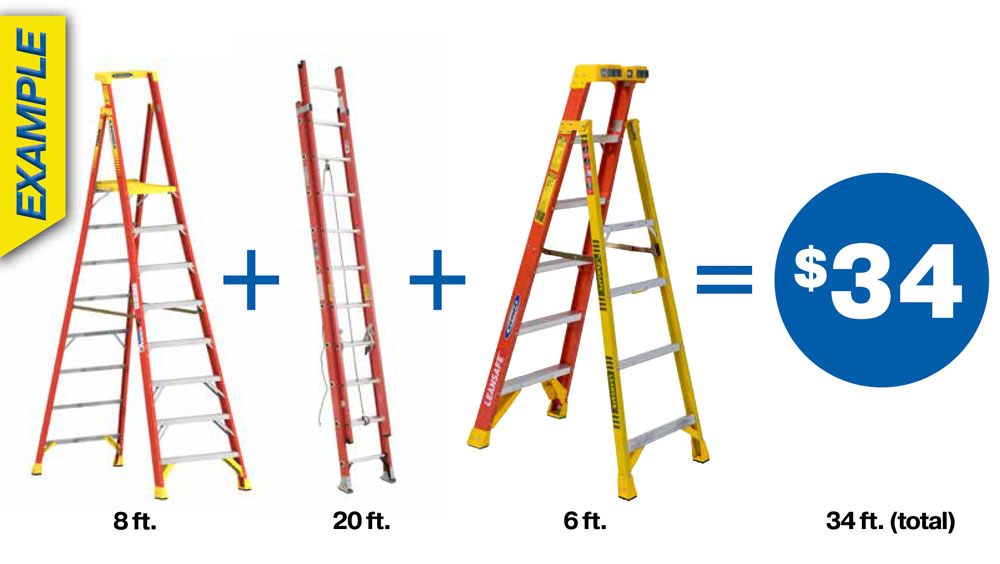
Let Nationwide Ladder & Equipment Help You Find What You Need.
How to Choose the Right Step Ladder for Your Needs
A ladder can look sturdy in a shop and feel very different on a tiled floor, beside a stairwell, or under a low ceiling. Choosing the right step ladder is not just about reaching a shelf. It means matching working height, load capacity, materials, and stability to the task. Small mismatches matter.
OSHA ladder-safety guidance has cited estimates of more than 300 ladder-related deaths and about 164,000 emergency-room-treated injuries each year in the United States. These figures cover ladder incidents broadly, not step ladders alone, but they show why selection and setup deserve care. A label’s duty rating includes the user and everything they carry, such as tools or paint. Height matters too: standing on the top cap or highest step can leave little room to balance. That is a poor trade.
This guide explains how to compare step ladder sizes, materials, weight ratings, and safety features for household and work settings. It also considers storage and transport, because a ladder that is awkward to move may be handled carelessly. Check manufacturer instructions and product labels; specifications can differ between models. No guide can account for every floor, reach, or work habit. Pause and reassess before climbing.
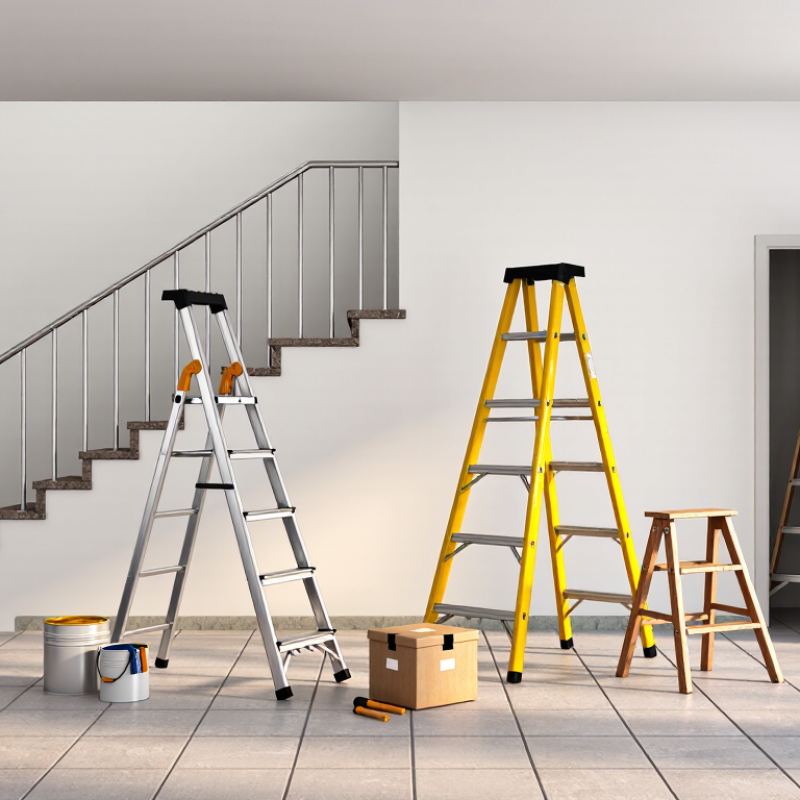
Table of Contents
[Hide]
Identify the Tasks and Working Heights the Ladder Must Support
How to Choose the Right Step Ladder for Your Needs
Identify the job before choosing a ladder. Are you changing a ceiling fixture, painting trim, or reaching stock on a shelf? Measure the work point from the floor, then consider your own reach and the tool in your hand. A ladder’s height is not the same as its safe working height. You should be able to work comfortably without standing on the top cap or stretching sideways. Measure first. A quick estimate can be wrong.
Think about the surface and space, too. A narrow hallway may need a compact ladder, while uneven ground calls for a different setup. Check that all four feet can rest firmly, and that the ladder opens fully without blocking a doorway. No reaching. If you must lean or move your feet to finish a task, climb down and reposition the ladder.
Include your body weight, clothing, tools, and materials when checking the ladder’s load rating. The National Institute for Occupational Safety and Health reports that more than 500,000 people receive treatment for ladder-related injuries each year, with about 300 deaths. That figure is a useful reminder: task planning matters. I sometimes underestimate how much a small drill or paint can changes the load. Pause and check. Choose a ladder that fits the actual job, not just the storage closet.
How to Choose the Right Step Ladder for Your Needs — Identify the Tasks and Working Heights the Ladder Must Support
| Typical Task | Approximate Target Height | Common Step Ladder Size to Consider | Approximate Working Reach | Selection Guidance |
|---|---|---|---|---|
| Reaching a low shelf or completing a short indoor task | Up to about 7 ft (2.1 m) | 2 ft (0.6 m) step stool | About 6–7 ft (1.8–2.1 m) | Choose a stable, fully opened model with a platform or steps suited to the task. A step stool may not provide enough height for ceiling work. |
| Changing a light bulb or reaching a doorway fixture | About 8–9 ft (2.4–2.7 m) | 4 ft (1.2 m) step ladder | About 8 ft (2.4 m) | Check that you can reach the work comfortably without standing on the top cap or stretching sideways. |
| Painting a room with standard-height ceilings or accessing mid-height storage | About 9–11 ft (2.7–3.4 m) | 6 ft (1.8 m) step ladder | About 10 ft (3.0 m) | A common choice for general household work. Keep your body centered between the ladder rails while working. |
| Reaching higher ceilings, tall shelving, or elevated indoor fixtures | About 11–13 ft (3.4–4.0 m) | 8 ft (2.4 m) step ladder | About 12 ft (3.7 m) | Confirm there is enough floor space to open the ladder fully and maintain a clear, level setup area. |
| Working on high ceilings or accessing upper-level storage | About 13–15 ft (4.0–4.6 m) | 10 ft (3.0 m) step ladder | About 14 ft (4.3 m) | Use only where the ladder can be fully opened and stabilized. Consider whether a different access method is safer for prolonged work. |
| Reaching very high indoor areas, such as a tall foyer ceiling | About 15–17 ft (4.6–5.2 m) | 12 ft (3.7 m) step ladder | About 16 ft (4.9 m) | Large step ladders need substantial clearance and a firm, level base. Check the ladder’s labels and instructions before use. |
Important: Working-reach figures are approximate estimates for an average adult and vary with user height, ladder design, footwear, and task position. Do not stand on the top cap or any step prohibited by the ladder’s instructions. Select a ladder that allows a comfortable reach without overextending, and follow its duty-rating, setup, and inspection instructions.
Related Posts
-

What Are the Top 10 Werner Step Ladders?
-
Step Ladder Tips for Safety and Efficiency in Home Projects?
-
Top Benefits of Using a Step Ladder in Your Home and Workplace?
-
10 Aluminum Ladder Buying Tips for Global Buyers?
-
2026 Best Aluminum Ladder Buying Guide?
-

Best Tips for Choosing the Right Werner Step Ladder?
What Can We Help You With?























We Put Everything Within Reach

Revolutionary Roofing Wedge
Featured Product

Streamlined. Safe. Flexible.
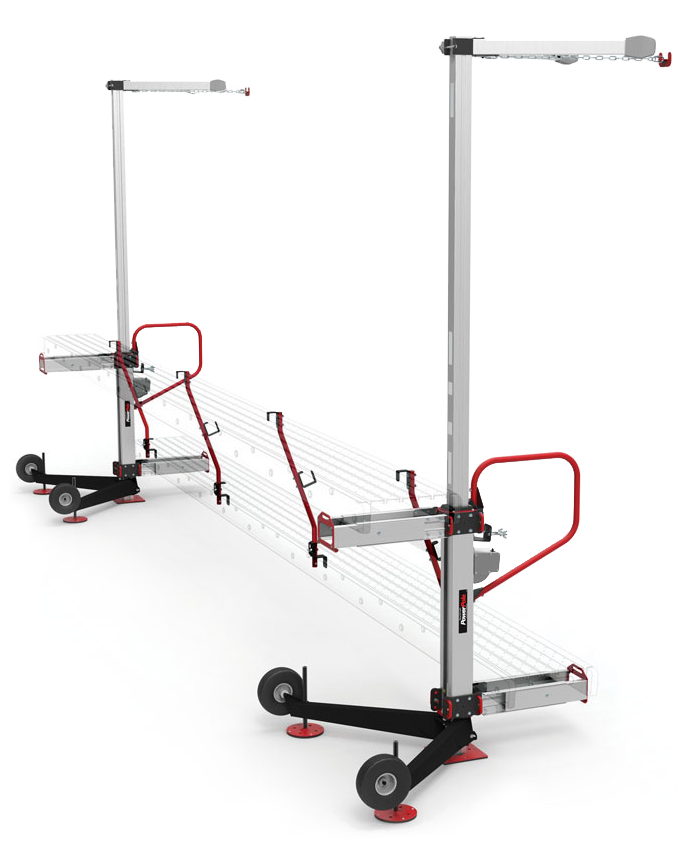
With the ReechCraft PowerPole, traditional scaffolding and pump jack systems are a thing of the past. Our streamlined design gains you access between buildings, on rooftops, around landscaping, and more. The PowerPole is perfect for contract work on residential areas.

Headache Racks That Turn Heads