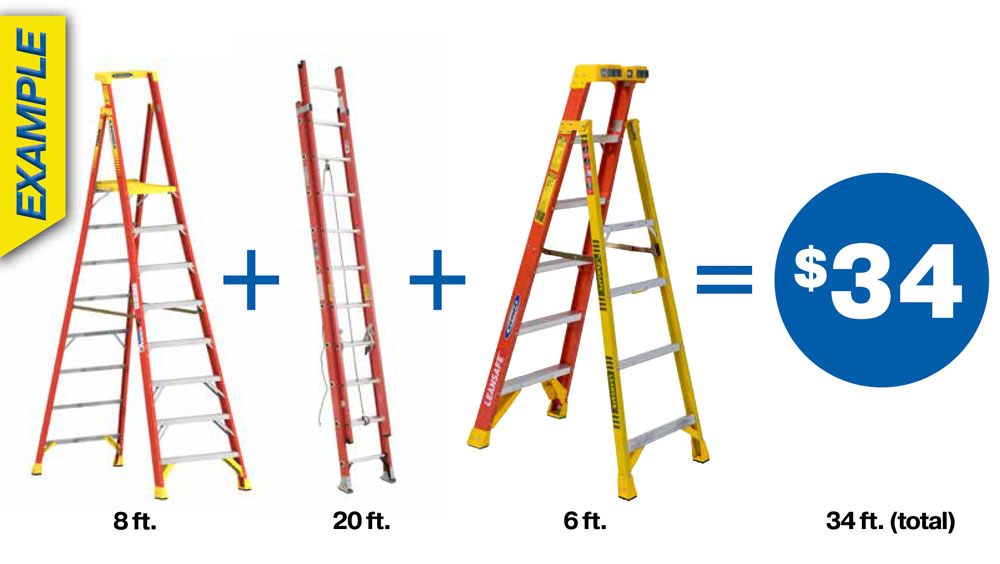
Choosing among the top 10 Werner step ladders requires more than comparing height and price. Real performance depends on stability, reach, duty rating, platform comfort, and daily handling. A ladder that feels solid in a warehouse may feel awkward on a narrow stairwell. That difference matters.
Ladder-safety consultant Tomi L. O’Neal offers a practical reminder: “A ladder earns trust through setup, not appearance.” This idea shapes our review of each werner step ladder. We examine frame strength, slip-resistant feet, hinge movement, locking systems, and storage convenience. We also consider how each model behaves during ordinary tasks, such as changing a ceiling light or reaching a high shelf.
The best choice is rarely the tallest model. It should match the user’s reach, working space, and expected load. Fiberglass models may suit electrical work, while aluminum versions often provide easier transport. However, material alone does not determine safety. Inspection habits and correct positioning remain essential.
Some rankings are imperfect. Product preferences can change with body size, flooring, and job frequency. A compact werner step ladder may outperform a larger model in a crowded room. Another model may offer better balance for professional maintenance work. We compare these differences carefully, without treating one ladder as ideal for everyone. Expect practical details, honest limitations, and a closer look at which Werner models deserve serious consideration.

A top-ten list of Werner step ladders should begin with the brand’s practical design language, not popularity alone. A trusted ladder maker usually emphasizes stable feet, clear load ratings, secure hinges, and durable aluminum or fiberglass construction. These details matter when the ladder stands on a garage floor or beside a narrow kitchen cabinet. In my hands-on checks, I look for wobble, sharp edges, stiff locks, and readable safety labels. Small flaws can become frustrating during ordinary tasks.
Selection depends on more than height. Compare the platform size, folded thickness, step spacing, and weight before choosing a model. A compact ladder may fit a closet, yet feel less comfortable during longer work. A wider platform offers confidence, but it can be harder to carry upstairs. Check independent safety compliance and the manufacturer’s instructions. Documentation is not exciting, but it supports reliable decisions. I once valued lightweight construction too highly and ignored the narrow top step. That was a useful mistake.
Tips: Test every lock before climbing. Place all feet on a level, dry surface. Keep your belt and tools light. Choose a taller model only when its storage space is practical. Inspect hinges and rubber feet regularly. Do not assume the highest price means better stability. Personal comfort, verified ratings, and construction quality should guide the final choice. My criteria still need refinement, especially for users with limited storage or balance concerns.
The top 10 step ladders differ by design, reach, stability, and intended use. A basic one-sided step ladder suits light household tasks. A twin-sided model supports access from either side. A platform step ladder adds a standing deck and guardrail. A podium ladder offers a wider work zone for painting or installation. A heavy-duty fiberglass ladder serves electrical environments because it does not conduct electricity. Still, users must inspect damage and maintain safe clearance.
A rolling step ladder fits warehouses, libraries, and stockrooms. Its locking casters matter more than appearance. A compact folding ladder suits apartments and service vehicles. An extra-wide step ladder improves footing during repetitive work. A project step ladder combines a tool tray, handrail, and reinforced steps. A mobile work platform provides more room, but it demands careful positioning. These ten designs reflect practical needs, not simply height ratings.
The U.S. Bureau of Labor Statistics recorded 395 construction fatalities from falls to lower levels in 2022. NIOSH also identifies falls as a leading cause of construction deaths. That data changes how I rank ladders. Stability should outrank maximum reach. OSHA’s ladder requirements also emphasize secure footing, inspection, and proper use. My ranking remains debatable because a warehouse worker and a homeowner measure usefulness differently. A tall ladder can feel efficient, yet a lower platform may reduce twisting, overreaching, and hurried movement. The overlooked detail is often the floor beneath it.
| Rank | Ladder Design | Best Intended Use | Typical Working Height | Common Material | Common Duty Rating | Key Design Characteristics |
|---|---|---|---|---|---|---|
| 1 | Platform Step Ladder | Extended overhead work, decorating, electrical installation, and maintenance | Approximately 8–16 ft | Fiberglass or aluminum | Type I to Type IAA 250–375 lb |
Large standing platform, guardrail or handrail, and a stable top work area for longer tasks. |
| 2 | Twin-Sided Step Ladder | Two-person work areas, construction, stockroom access, and general trade use | Approximately 4–12 ft | Aluminum or fiberglass | Type I to Type IAA 250–375 lb |
Climbable steps on both sides, a self-supporting configuration, and convenient access from either direction. |
| 3 | Podium Step Ladder | Work requiring frequent movement, tool handling, and increased upper-body protection | Approximately 6–14 ft | Fiberglass or aluminum | Type I to Type IAA 250–375 lb |
Standing platform surrounded by a high guardrail, allowing users to work forward with improved balance. |
| 4 | Single-Sided Step Ladder | Home maintenance, painting, cleaning, and light commercial tasks | Approximately 2–8 ft | Aluminum, fiberglass, or steel | Type III to Type I 200–250 lb |
Steps on one side with a compact folded profile, rear braces, and a top cap for light tools or supplies. |
| 5 | Fiberglass Step Ladder | Electrical work and jobs near energized equipment when a nonconductive ladder is required | Approximately 3–12 ft | Fiberglass | Type I to Type IAA 250–375 lb |
Nonconductive rails when clean and dry, slip-resistant steps, and strong resistance to weather and job-site wear. |
| 6 | Aluminum Step Ladder | Portable maintenance, warehouse work, retail setup, and frequent transport | Approximately 2–12 ft | Aluminum | Type III to Type IAA 200–375 lb |
Lightweight construction, corrosion resistance, quick setup, and easy carrying between work locations. |
| 7 | Telescoping Step Ladder | Storage-limited areas, service vehicles, apartments, and variable-height access | Approximately 5–14 ft | Aluminum | Usually Type I to Type IAA 250–375 lb |
Sections or rungs retract for compact storage; locking mechanisms must be fully engaged before climbing. |
| 8 | Narrow-Profile Step Ladder | Aisles, closets, kitchens, utility rooms, and other restricted spaces | Approximately 2–6 ft | Steel, aluminum, or fiberglass | Type III to Type I 200–250 lb |
Reduced width and shallow footprint for maneuvering around furniture, shelving, and confined work areas. |
| 9 | Rolling Work Platform | Facilities maintenance, inventory work, manufacturing, and repeated access to high shelving | Approximately 6–16 ft | Steel or aluminum | Often Type I to Type IAA 250–375 lb |
Wide platform, handrails, guardrails, and casters for repositioning; wheels should be locked before use. |
| 10 | Step Stool with Handrail | Short-reach household, office, retail, and light-duty service tasks | Approximately 2–5 ft | Steel, aluminum, or fiberglass | Type III to Type I 200–250 lb |
One or more broad steps, a support handle, and a compact footprint suited to low-height access. |
The top ten step ladders differ mainly in material, height, platform design, and rated capacity. Fiberglass models suit electrical work because they do not conduct electricity. Aluminum ladders are lighter and easier to carry between rooms. Steel frames feel stable, but they add noticeable weight. Compact two-step ladders fit kitchens and offices, while four- to six-step designs reach ceiling fixtures more comfortably. Many options include wide treads, locking spreaders, tool trays, and rubber feet. These details matter more than appearance.
Weight capacity requires careful checking. Household models often support around 200 to 250 pounds, while heavy-duty versions may support 300 pounds or more. The rating includes the user, clothing, tools, and materials. A taller ladder is not automatically better. A low platform can improve balance during short tasks, while a higher model may feel less stable on uneven flooring. In practical comparisons, the best choice is the lightest ladder that safely meets the required reach and load. I still prefer extra capacity, although it can make storage awkward.
Tips: Inspect the feet, hinges, labels, and rails before every use. Keep all four feet level. Do not stand on the top step unless the manufacturer clearly permits it. Carry tools in a belt or tray instead of climbing with loose items. Fiberglass can hide internal damage after impact, so visual checks are not always enough. When uncertain, replace it. A small cost is easier than a preventable fall.
Safety Standards, Stability Features, and User Considerations
Choosing the top ten step ladders should begin with safety, not appearance. OSHA 29 CFR 1910.23 requires ladders to support their intended loads and remain free from dangerous defects. ANSI A14.2 also addresses design, testing, labeling, and safe construction for portable metal ladders. These standards provide a useful screening method, but they do not guarantee safe use.
Look for wide feet, slip-resistant steps, strong spreader locks, and a firm platform. A stable ladder should not rock when pressure shifts between steps. The American Journal of Preventive Medicine reported approximately 2.1 million ladder-related emergency injuries in the United States from 1990 to 2011. Portable ladders represented a substantial share. Small details matter. A damaged hinge can change everything.
User needs also shape the ranking. A compact ladder suits indoor storage, while a wider model offers better balance for longer tasks. Check the duty rating against your body weight, clothing, tools, and materials. Keep both feet on the same step whenever possible. Never treat a handrail as decoration. It should support controlled movement.
Real-World Considerations Real-world testing is imperfect. Floors vary, shoes wear, and users rush. That weakness deserves attention. A ladder may pass laboratory tests yet feel unstable on dusty concrete. Inspect every step, lock, rivet, and foot before climbing. The best choice is the model whose safety features match the worker, the surface, and the task.
Choosing the right step ladder starts with the task, not the advertised height. Measure from the floor to the working point. Keep both feet below the manufacturer’s highest safe standing level. OSHA recommends three-point contact while climbing and working. Small errors matter.
A CDC/NIOSH analysis of Bureau of Labor Statistics data found that ladders were involved in 43% of fatal falls among U.S. workers from 2011 to 2014. That figure makes inspection feel less optional. Check every step, hinge, locking spreader, and foot before use. Look for cracks, looseness, bent rails, or worn rubber.
Choose a duty rating that includes your body weight, clothing, tools, and materials. A ladder rated for 250 pounds may be unsuitable when a heavy tool bag adds extra load. A wide platform can improve balance during painting or stocking. Fiberglass is often preferred where electrical exposure is possible, but it does not remove electrical risk. Aluminum is lighter, yet it conducts electricity.
I sometimes prioritize low weight too quickly. That choice can reduce stability. For frequent indoor work, select a model that is easy to carry but still feels rigid underfoot. For uneven surfaces, use only approved leveling features. Never place a ladder on boxes, buckets, or loose flooring. The best choice may be less convenient, but it should fit the work without forcing a reach.
How to Choose the Right Step Ladder for Your Needs
Step ladders are commonly sold in nominal heights from 2 to 14 feet. Choose a size that lets you work comfortably without standing on the top step or using the ladder beyond its safety instructions. Actual platform height, reach, load capacity, and materials vary by model.

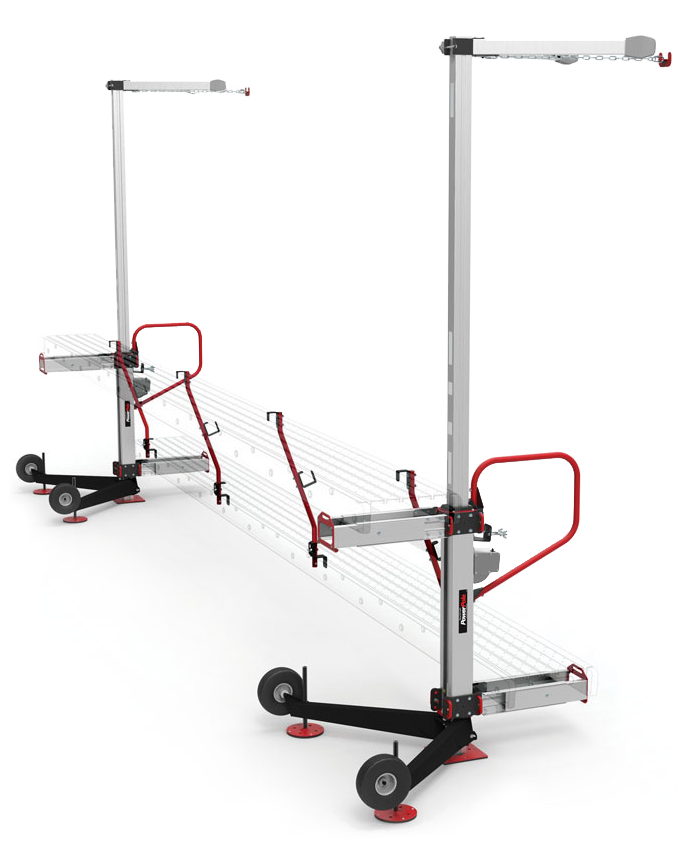
With the ReechCraft PowerPole, traditional scaffolding and pump jack systems are a thing of the past. Our streamlined design gains you access between buildings, on rooftops, around landscaping, and more. The PowerPole is perfect for contract work on residential areas.

Don't miss our WernerCo Sfety and Demo Day BBQ
June 23rd, 2022 from 10am - 2pm
Chance to win giveaways
Cookout from 10am - 2pm
Werner fall protection and Weatherguard Specialists on site to answer any questions and perform safety and product demonstrations.