How to Choose the Right Pump Jack Scaffolding?
Choosing the right pump jack scaffolding begins with more than comparing prices or platform heights. The decision affects worker balance, material handling, wall access, and emergency movement. OSHA identifies falls as the leading cause of construction fatalities. Its Fall Protection Safety and Health Topics page recorded 395 fatal falls in construction during 2022. That figure makes equipment selection a safety decision, not merely a purchasing decision.
A suitable system should match the building surface, working height, platform load, and expected weather conditions. OSHA 29 CFR 1926.452(j) addresses pump jack scaffold requirements, including poles, braces, work platforms, and guardrails. ANSI/ASSP A10.8 also provides recognized guidance for scaffold construction and use. These references are useful, but they do not replace a site-specific assessment. Wind changes. Walls vary. Crews make mistakes.
Look closely at the details.
Check whether poles can remain plumb on uneven ground. Confirm that brackets, braces, guardrails, and fall protection equipment fit together correctly. Review the manufacturer’s rated load, inspection instructions, and replacement-part availability. The CPWR Data Center and Bureau of Labor Statistics continue to show why fall exposure deserves careful planning across construction activities. A stronger choice also considers setup time, training needs, rescue access, and the risk of dropped tools near people below. No checklist is perfect. A system that looks efficient on paper may become awkward around windows, roof edges, or fragile cladding. This guide, How to Choose the Right Pump Jack Scaffolding?, focuses on practical selection decisions that support stable work platforms, competent supervision, and safer daily use.
Define the Work Requirements and Scaffolding Conditions
How to Choose the Right Pump Jack Scaffolding?
Define the Work Requirements and Scaffolding Conditions
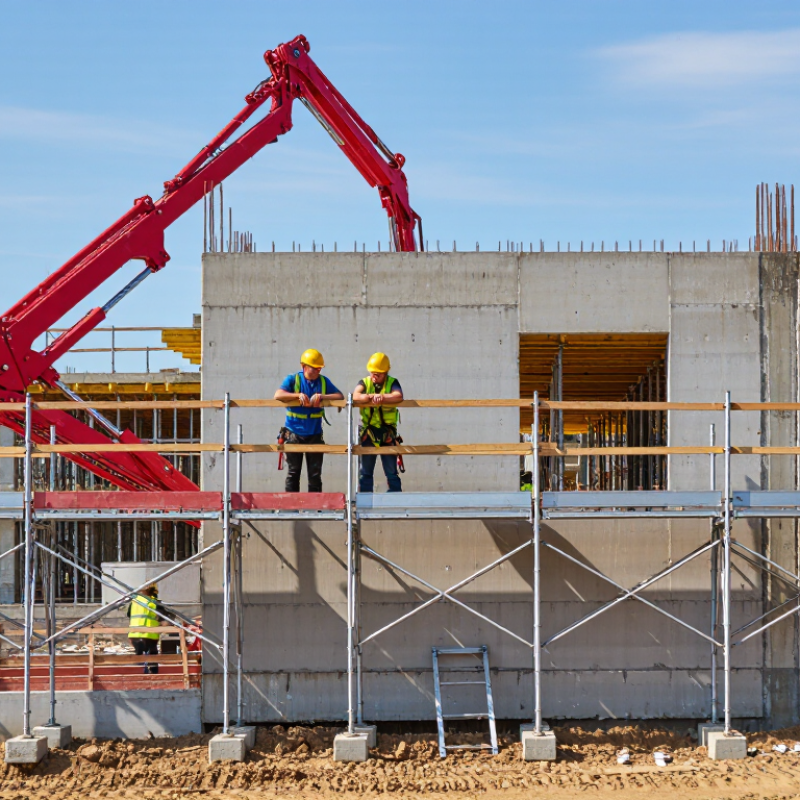
Pump jack scaffolding should match the work, wall structure, height, and expected load. Start by measuring the working elevation, platform length, and access points. List workers, tools, materials, and waste separately. A loaded platform can behave differently from an empty one.
The U.S. Bureau of Labor Statistics recorded 395 construction deaths from falls to a lower level in 2022. This figure makes platform stability a practical priority, not a paperwork exercise.
Check whether the supporting poles can resist movement, bending, and uneven loading. Confirm that the wall surface can accept required braces and attachments. Conditions change.
According to OSHA’s construction scaffolding requirements, platforms need proper planking, guardrails, and safe access. Pump jack systems also require secure poles, firm footing, and components suited to the intended capacity.
Inspect the ground for mud, ice, loose soil, or hidden voids. Measure twice. Do not rely on a quick visual check.
Wind, rain, temperature, and nearby electrical hazards can change the selection. A narrow platform may fit the façade but leave no safe space for tools. A wider platform may improve productivity while increasing structural demand. That trade-off is easy to overlook. Have a competent person verify the design, installation, and inspection process before use, then reassess the setup whenever the work or weather changes.
Compare Pump Jack System Types and Load Capacities
How to Choose the Right Pump Jack Scaffolding?
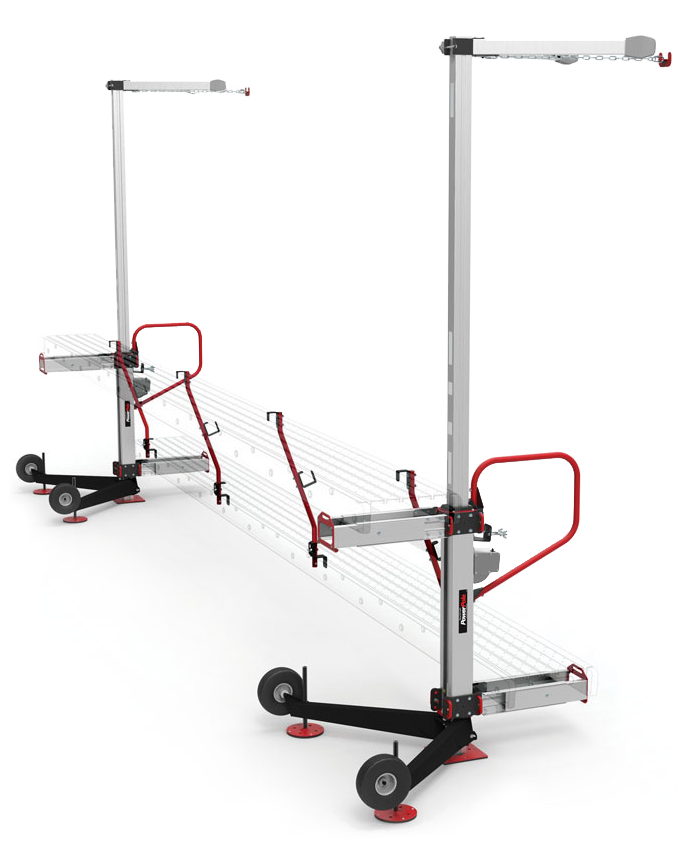
Pump jack scaffolding should match the work, height, platform length, and total load. Common systems use wood poles, aluminum poles, or steel poles. Wood-pole systems can suit smaller residential projects and offer simple field adjustments. Aluminum systems are lighter and easier to reposition. Steel systems often provide greater rigidity for demanding work. Each option requires compatible brackets, braces, guardrails, and stabilizers.
Load capacity deserves careful attention. Light-duty configurations may support one worker, tools, and limited materials, often within 250 to 500 pounds per platform section. Heavy-duty systems can carry more, but only with approved poles, staging, and bracing. The posted capacity includes people, buckets, panels, and waste. It is not an extra allowance. A wide platform may also increase bending forces between supports. Check the manufacturer’s load chart and local safety requirements before installation.
Field experience shows that capacity is often misunderstood. Crews sometimes count workers but forget stacked siding or a loaded tool box. That mistake can become serious. Never combine components from different systems without documented compatibility. Inspect poles for cracks, bends, loose fasteners, and damaged welds. Confirm that the base sits level and that each brace is firmly secured. The “strongest” system is not always the best choice. Transport limits, setup time, and the building’s surface can change the decision. Recheck the plan when the job changes.
How to Choose the Right Pump Jack Scaffolding?
Compare pump jack scaffold duty classes by their reference platform load capacity.
The chart uses commonly referenced scaffold duty classifications: light duty at 25 lb/ft², medium duty at 50 lb/ft², and heavy duty at 75 lb/ft². Select the lightest class that safely supports workers, tools, materials, and expected dynamic loads. Actual pump jack system capacity depends on the complete system, including poles, brackets, platform, spacing, setup, and manufacturer specifications. Always verify the design against applicable local regulations and OSHA requirements.
Check Platform Dimensions, Adjustability, and Access Features
Choosing pump jack scaffolding starts with the platform, not the frame. Measure the work area, material width, and wall clearance. The platform should support workers, tools, and materials without feeling crowded. Check the rated load in the manufacturer’s instructions. Never estimate capacity by appearance. I once saw a crew choose a narrow deck, then store buckets at their feet. The work became slower and less stable. That mistake was avoidable.
Platform dimensions must match the job. Wider decks help with siding and window work, while compact decks suit tight elevations. Confirm that the platform length fits the support spacing. Inspect the deck for a level surface, secure connections, and damaged components. Adjustability matters when ground conditions or wall heights change. Choose poles and brackets that allow controlled height changes. Test every adjustment before loading the platform. Small height differences can create awkward reaches. They matter more than expected.
Access features deserve equal attention. Look for a practical ladder system, clear entry points, and gates or guardrail openings that close securely. Workers should step onto the platform without climbing over materials. Keep access areas free of cords, tools, and loose boards. Ask how the system will be assembled, inspected, and moved at the site. Instructions should be clear enough for a trained crew to follow. I would reassess the layout after the first shift. Real work exposes problems that a showroom inspection may miss. Better access saves effort, but it never replaces training, protective equipment, and site-specific safety checks.
Evaluate Safety Components, Stability, and Compliance
How to Choose the Right Pump Jack Scaffolding?
Pump jack scaffolding should be judged by safety components, stability, and compliance, not price alone. OSHA recorded 395 construction fall fatalities in 2022, representing 36.5% of all construction deaths. That figure makes guardrails, personal fall protection, and secure platforms essential rather than optional. Check that poles are properly braced, brackets lock firmly, and platforms remain level during movement. OSHA 29 CFR 1926.452(j) also requires pump jack systems to use suitable braces, guardrails, and supporting components.
Load capacity needs practical attention. OSHA requires scaffolds to support their own weight and at least four times the maximum intended load under 29 CFR 1926.451. Add workers, tools, materials, and wet surfaces to the calculation. A narrow platform may feel stable at ground level but become awkward beside a window opening. Inspect pole connections, footings, planks, and locking devices before every shift. I still treat a visual inspection as provisional; hidden damage can survive a quick glance. Stability depends on the building surface, wind exposure, elevation, and correct installation.
Tips: Keep a written inspection log. Use only trained installers. Test movement slowly. Replace damaged parts immediately. Compare the setup with current OSHA requirements and the manufacturer’s engineering instructions. NIOSH identifies falls as a leading cause of construction deaths, yet rushed inspections remain common. That is an uncomfortable gap worth correcting.