NATION WIDE LADDER & EQUIPMENT
NH: 603-434-6911MA: 508-754-3030ME: Regular weekly deliveries from NH
- Home
- Blog
Let Nationwide Ladder & Equipment Help You Find What You Need.
China Top Aluminum Scaffolding Manufacturers How to Choose?
Choosing among China’s top aluminum scaffolding manufacturers requires more than comparing prices or polished catalogs. A reliable decision begins with the project’s working height, platform size, access method, load demand, and installation environment. These details shape whether a mobile tower, folding scaffold, or custom access system is appropriate. Details matter.
Experienced buyers should inspect the aluminum alloy specification, tube wall thickness, weld quality, platform surface, guardrails, braces, and caster brakes. A stable tower should feel precise during assembly, with joints fitting firmly rather than forcing workers to improvise. Ask for load testing records, material traceability, factory inspection procedures, and clear maintenance instructions. Ask for evidence. Certifications can help, but their scope and validity must match the actual product.
A dependable manufacturer should explain which standards guide its design, such as EN 1004 or other applicable regional requirements. It should also provide drawings, packing details, spare-part support, and responsive technical communication. Factory videos are useful, yet an independent audit or pre-shipment inspection offers stronger confidence. A polished catalog can still hide weak quality controls. No supplier is perfect. Even experienced manufacturers may have inconsistent batches, delayed documentation, or packaging weaknesses. Careful buyers should compare samples, verify dimensions, review previous project experience, and clarify warranty responsibilities before ordering. The best choice is not always the largest factory or the lowest quotation. It is the manufacturer that can repeatedly deliver safe, compatible, traceable aluminum scaffolding for the actual working conditions.
Table of Contents
[Hide]
What Defines a Leading Aluminum Scaffolding Manufacturer in China?
A leading aluminum scaffolding manufacturer in China is defined by controlled engineering, not a polished catalog. The International Aluminium Institute reported 70.6 million tonnes of primary aluminum production in 2023. That scale makes material traceability essential. Buyers should request alloy certificates, batch records, and clear temper information for every structural tube.
Engineering evidence matters more than confident sales language. Products should match EN 1004-1:2020 for mobile access towers, where applicable. A reliable factory also performs load testing, weld inspection, dimensional checks, and repeated assembly trials. ISO 9001 certification can support process control, but it does not prove every tower is safe. That distinction is often missed.
Experience appears in small details. Locking pins should move smoothly, braces should align without force, and castors should hold firmly on uneven floors. Packaging should protect joints from impact and moisture during export. The World Bank’s Commodity Markets Outlook shows aluminum prices can fluctuate sharply, so serious manufacturers explain material substitutions before production. Some factories still rely too heavily on visual inspection. That is a weakness, not a minor gap. Buyers should review test reports, factory records, worker training, and independent inspection arrangements before placing large orders.
How to Choose a Leading Aluminum Scaffolding Manufacturer in China?
Reference weighting for evaluating manufacturers before quotation and factory audit
A reliable evaluation should prioritize verified safety compliance, structural engineering, and material traceability. Manufacturing quality control, customization capability, documentation, and after-sales support also help buyers reduce project and supply-chain risks. The percentages represent a practical buyer-side reference model and are not company-specific performance data.
Which Aluminum Scaffolding Standards and Certifications Should You Check?
When choosing an aluminum scaffolding manufacturer in China, check the standard behind every certificate. For mobile access towers, EN 1004-1 covers design, dimensions, and load requirements. EN 1004-2 addresses user instructions and safety information. Confirm the certificate matches the exact model, platform height, and configuration. A document for one tower cannot automatically cover another.
For projects in the United States, review OSHA 29 CFR 1926 Subpart L requirements and request independent test evidence where applicable. ANSI or SSFI references may support product evaluation, but they should not replace legal compliance. For Chinese projects, ask which current national or industry standards apply to aluminum alloy scaffolding. The supplier should provide inspection reports, material grades, welding records, and load-test data. Check the laboratory’s accreditation and report number.
During practical inspections, traceability often matters more than a polished certificate. Look for permanent labels, batch numbers, user manuals, and clear assembly drawings. Verify that aluminum tubes, joints, guardrails, and wheels match the tested design. Do not guess. Ask whether the certificate is current, product-specific, and issued by an independent body. ISO 9001 can indicate a controlled management system, but it does not prove tower safety. A common mistake is trusting logos without checking scope. Even experienced buyers can miss one detail: the tested configuration may exclude stabilizers or higher platforms. That small difference can change safe use.
China Top Aluminum Scaffolding Manufacturers How to Choose? - Which Aluminum Scaffolding Standards and Certifications Should You Check?
Use this comparison table to evaluate aluminum scaffolding suppliers without relying on brand claims. The applicable standard depends on the destination market, product type, working height, configuration, and intended use. Always verify the current edition and the legal requirements in the country of installation.
| Standard or Certification | Primary Market or Purpose | What It Covers | Evidence to Request from a Manufacturer | Important Verification Point |
|---|---|---|---|---|
|
Product Standard EN 1004-1:2020 |
European market | Mobile access and working towers made of prefabricated elements. It addresses design principles, materials, dimensions, performance, stability, and load requirements for relevant tower configurations. |
|
Confirm that the report covers the exact tower series, platform height, caster type, stabilizers, guardrails, and configuration being purchased. |
|
Instructions Standard EN 1004-2:2021 |
European market | Rules for the preparation of instruction manuals for mobile access and working towers, including assembly, use, alteration, inspection, dismantling, storage, and maintenance information. |
|
A certificate alone is not enough. The manual must match the supplied components and clearly show safe assembly sequences. |
|
Load Classification EN 1004 Load Classes |
European tower classification | EN 1004 commonly classifies working platforms by uniformly distributed load. Class 2 is 1.5 kN/m² and Class 3 is 2.0 kN/m². |
|
Do not compare products only by maximum height. Check the rated load, number of working platforms, deck arrangement, and whether tools or materials may be stored on the platform. |
|
U.S. Regulation OSHA 29 CFR 1926.452(w) |
United States construction sites | Requirements for mobile scaffolds, including caster or wheel locking, platform access, stability, height-to-base limitations, and movement restrictions. |
|
OSHA compliance is a regulatory requirement, not a general product certificate. The employer, competent person, and jobsite conditions also affect compliance. |
|
U.S. Consensus Standard ANSI/ASSP A10.8-2019 |
United States scaffolding practice | Safety requirements and guidance for scaffolding used in construction and demolition work, including design, erection, inspection, use, alteration, and dismantling. |
|
Treat this as a technical safety reference. Confirm the buyer’s contract, state requirements, and OSHA obligations separately. |
|
Australian / New Zealand Standard AS/NZS 1576.3:2010 |
Australia and New Zealand | Requirements for prefabricated scaffolding, including components, performance, and relevant safety provisions for prefabricated systems. |
|
Check whether the local authority, project specification, or procurement contract requires this standard or a current local adoption. |
|
Quality Management ISO 9001:2015 |
Global supplier evaluation | Requirements for a quality management system, including documented processes, customer requirements, corrective action, internal audits, and continual improvement. |
|
ISO 9001 does not prove that a scaffolding tower meets a product safety standard. It evaluates the management system, not the complete product design. |
|
Laboratory Competence ISO/IEC 17025 |
Testing laboratory verification | General competence requirements for laboratories performing testing and calibration. It supports the reliability and traceability of test results. |
|
Verify that the laboratory is accredited for the specific mechanical, structural, or material test—not merely accredited for unrelated tests. |
|
Material Traceability Aluminum Alloy and Temper Records |
All markets | Confirms the aluminum alloy, temper, profile specification, and batch traceability used for load-bearing components such as frames, braces, decks, and guardrails. |
|
Material certificates should correspond to production batches. A generic statement such as “high-strength aluminum” is not sufficient technical evidence. |
|
Product Safety Documentation Technical File and Declaration |
All markets; format varies by jurisdiction | A structured set of technical documents explaining product design, risk controls, drawings, calculations, test results, instructions, and applicable legal requirements. |
|
Check consistency across drawings, certificates, labels, manuals, and delivered components. Different model numbers or dimensions may indicate that the evidence is not product-specific. |
|
Factory Quality Control Production Inspection Plan |
All markets | Controls incoming materials, extrusion or fabrication, welding, dimensional inspection, surface treatment, assembly, packaging, and final product release. |
|
Ask for recent redacted records and an independent pre-shipment inspection for high-value or safety-critical orders. |
|
Supplier Due Diligence Pre-Order Verification Checklist |
All markets | Practical checks for comparing manufacturers beyond price, catalog height, or general certification claims. |
|
Select a supplier that can provide traceable, model-specific evidence and clear limitations—not only certificates with no matching product details. |
Important: Standards and certification requirements differ by destination country and project type. Before purchase, confirm the applicable rules with the project owner, local regulator, safety professional, or qualified scaffolding engineer. A certificate should always identify the legal manufacturer, exact product or model range, applicable standard edition, test scope, and validity period.
How to Evaluate Product Quality, Safety, and Structural Performance
Choosing among China’s top aluminum scaffolding manufacturers requires more than comparing prices. In site inspections, I check alloy certificates, tube thickness, weld consistency, and frame alignment. A reliable supplier should identify the aluminum grade and provide batch traceability. Ask for independent test reports, not only factory photographs. A shiny platform can still hide weak joints. Small details matter.
Safety evaluation begins with the working platform, guardrails, toe boards, access gates, and stabilizers. Each component should lock firmly without excessive force. Inspect castors for brakes that hold on a sloped surface. Review the manual for rated load, setup height, wind limits, and inspection intervals. Structural performance depends on the complete assembled tower, not one impressive component. Request calculations or test evidence for the exact configuration you will use. Generic documents are a warning.
Professional manufacturers explain failure modes, maintenance needs, and user training clearly. They should welcome a factory audit and answer technical questions with measured evidence. Check whether damaged parts can be replaced individually. This reduces downtime and unsafe improvisation. I also look for consistent dimensions across several samples. One perfect unit proves little. Even careful evaluations have limits; site conditions, uneven floors, and rushed assembly can change the result. Treat every certificate as evidence, not a guarantee.
What Manufacturing Capabilities and Customization Options Are Available?
China Top Aluminum Scaffolding Manufacturers How to Choose?
Manufacturing capability matters more than a polished catalog. Ask whether the factory controls cutting, welding, drilling, surface treatment, and final assembly. A reliable producer should provide alloy certificates, weld inspection records, dimensional checks, and traceable batch numbers. ISO 9001 certification helps, but it does not prove scaffold safety. That distinction is often missed.
The International Aluminium Institute reports that global primary aluminium production exceeded 70 million tonnes in 2023. It also states that recycled aluminium uses roughly 5% of the energy required for primary production. Therefore, ask manufacturers about recycled content, alloy selection, and material traceability. Common structural choices include 6061 or 6082 aluminium, but strength depends on temper, weld design, and wall thickness. Numbers alone can mislead.
Customization should cover platform length, frame width, caster design, guardrail height, folding methods, and access systems. Request a 2D drawing before production. For complex projects, demand a prototype or load test using the intended configuration. European Standard EN 1004-1:2021 emphasizes stability, dimensions, and safe working conditions for mobile access towers. A capable factory should explain how its design meets applicable standards, not simply print a compliance label. Powder coating, anodizing, laser marking, and flat-pack packaging may reduce maintenance or shipping costs. Yet every option adds trade-offs. I would question any supplier promising unlimited customization without discussing lead time, tooling fees, and testing responsibilities.
How to Compare Prices, Services, Lead Times, and Supplier Reliability
When comparing China’s top aluminum scaffolding manufacturers, price is only the opening figure. Grand View Research estimated the global scaffolding market at about USD 58 billion in 2022, with continued growth expected through 2030. This growth attracts new suppliers, but lower prices may hide thinner platforms, weaker weld inspections, or limited spare-part support. Request itemized quotations for frames, wheels, guardrails, packaging, testing, and replacement parts. A low quote can still be expensive.
Lead time should be measured from approved drawings, not from the first inquiry. Ask for production capacity, material certificates, inspection records, and a realistic shipping schedule. The 2023 World Bank Logistics Performance Index shows major differences in customs efficiency and shipment reliability between exporting countries. Therefore, confirm port options, export documents, and delay procedures in writing. Small details matter. A promised 15-day lead time means little without a defined starting date.
Reliability requires evidence over polished presentations. OSHA’s scaffolding requirements emphasize competent inspection, stable access, and protection from falls; these principles also support safer supplier evaluation internationally. Ask for load-test reports, EN 1004 compliance where applicable, factory audit access, and references from comparable projects. The 2024 Deloitte Global Chief Procurement Officer Survey highlights supply continuity and risk visibility as major procurement concerns. However, audits can miss daily production problems. I would review a sample unit, track response times, and test one small order before signing a large contract. That cautious step may feel inefficient, but it exposes weaknesses early.
Related Posts
-
Why Choose Pump Jacks for Global Construction Projects?
-
2026 Best Ladder Lift for Global Buyers?
-
Top Ladder Leveler Types for Safe and Efficient Use?
-
10 Aluminum Ladder Buying Tips for Global Buyers?
-
What are the Benefits of Using a Multi Position Ladder?
-
How to Use a Pivit Ladder Tool Safely and Effectively?
What Can We Help You With?
CALL NOW TO ORDER
NH: 603-434-6911MA: 508-754-3030ME: Regular weekly deliveries from NH
CALL NOW TO ORDER
NH: 603-434-6911MA: 508-754-3030ME: Regular weekly deliveries from NH






Featured Product

Streamlined. Safe. Flexible.
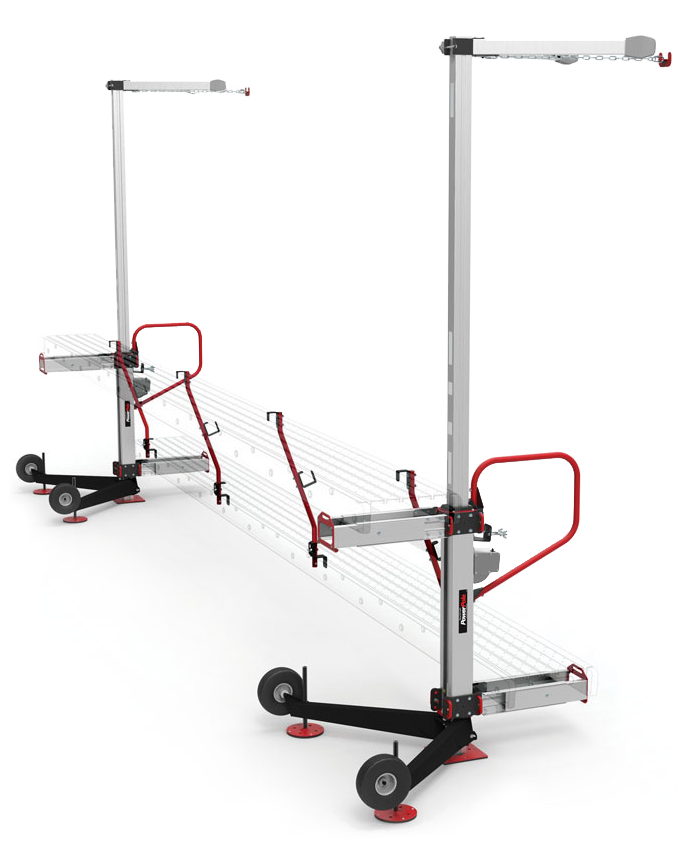
With the ReechCraft PowerPole, traditional scaffolding and pump jack systems are a thing of the past. Our streamlined design gains you access between buildings, on rooftops, around landscaping, and more. The PowerPole is perfect for contract work on residential areas.
See Products & Accessories
- ReechCraft Power Pole
- ReechCraft 4022465 – 10 in. x 10 in. Base Foot
- ReechCraft Platform Support
- ReechCraft 4022179 – Platform Support with PowerLatch Connector
- ReechCraft PowerLatch Assembly
- ReechCraft 4022084 – PowerPole 12 ft Pole Section
- ReechCraft 4022435 – PowerPole 6 ft Pole Section
- ReechCraft 4028334 – PowerPole Climbing Unit
- ReechCraft 4022096 – PowerPole Coupler
- ReechCraft 4022629 – PowerPole Extendable V-Brace
- ReechCraft 4022791 – PowerPole Outrigger
- ReechCraft 4022432 – PowerPole Standoff Tie
- ReechCraft 4022178 – PowerPole Super Standoff Tie
- ReechCraft 4022629 – PowerPole V-Brace
- ReechCraft 4022756 – Single Man Basket
- ReechCraft 4022071 – SpeedRail Endrail (Two-Pack)
- ReechCraft 4022765 – SpeedRail Midrail Post (Two-Pack)

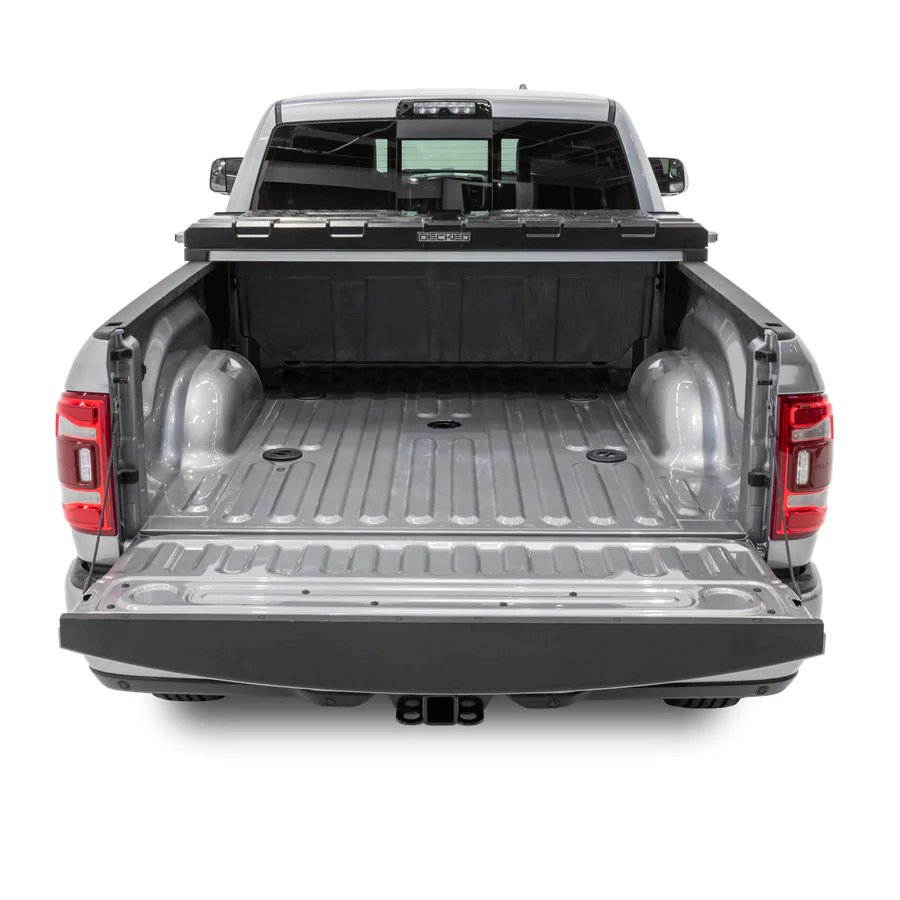
Headache Racks That Turn Heads


See Products & Accessories

June 2022 - Month Long Promotion
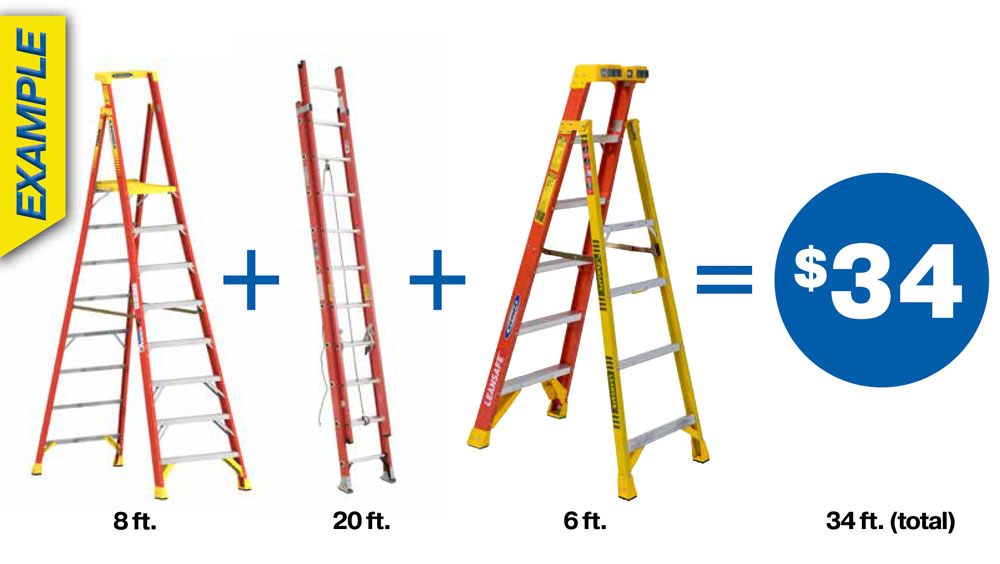
Buy any of the listed Werner ladders and get
$1 Off Per Foot
Demo and Safety Day
Don't miss our WernerCo Sfety and Demo Day BBQ
June 23rd, 2022 from 10am - 2pm
Chance to win giveaways
Cookout from 10am - 2pm
Werner fall protection and Weatherguard Specialists on site to answer any questions and perform safety and product demonstrations.
System One Modular Truck Equipment for New Hampshire, Massachusetts, Connecticut, Rhode Island, Vermont, and Maine Contractors
- Lewiston, ME
- Bar Harbor, ME
- Lexington, MA
- North Andover, MA
- East Hampton, CT
- Meredith, NH
- Concord, NH
- Bennington, VT
- Biddeford, ME
- West Fairlee, VT
- Hopkinton, RI
- Freeport, ME
- Danbury, CT
- Waterboro, ME
- Winslow, ME
- Buxton, ME
- Southington, CT
- Milford, NH
- Pownal, VT
- South Berwick, ME
- North Haven, CT
- Atkinson, NH
- Farmington, NH
- Whitingham, VT
- Pelham, NH
- Essex, VT
- Wallingford, VT
- Laconia, NH
- Narragansett, RI
- Fair Haven, VT
- Sandown, NH
- New London, NH
- Portsmouth, RI
- Haverhill, NH
- Needham, MA
- Bridgewater, MA
- Middletown, RI
- Montpelier, VT
- Barre, VT
- St. Johnsbury, VT
- Livermore Falls, ME
- Sandwich, MA
- Newport, RI
- Raymond, NH
- Tunbridge, VT
- Barnet, VT
- Brooksville, ME
- Gorham, ME
- Litchfield, ME
- Bristol, CT
- Rumford, ME
- Thompson, CT
- Dover, VT
- Westminster, VT
- Waitsfield, VT
- Torrington, CT
- Scituate, RI
- Barnstead, NH
- Lovell, ME
- Barton, VT
- Unity, ME
- Skowhegan, ME
- Groton, CT
- Northfield, VT
- Hopkinton, NH
- Limerick, ME
- Candia, NH
- Berwick, ME
- Killington, VT
- Peacham, VT
- North Hampton, NH
- Randolph, MA
- Bloomfield, CT
- Watertown, MA
- Wilmington, MA
- Methuen, MA
- Nashua, NH
- Plymouth, NH
- Newmarket, NH
- Alfred, ME
- Caribou, ME
- Weymouth, MA
- North Yarmouth, ME
- Bethel, CT
- Rocky Hill, CT
- Bristol, RI
- Sabattus, ME
- Salem, MA
- Londonderry, NH
- Chester, NH
- Westford, VT
- Stamford, CT
- Vershire, VT
- East Hartford, CT
- Norwich, CT
- Stratham, NH
- Windham, NH
- Vernon, CT
Knaack Jobsite Boxes, Chests, Cabinets, Workbenches, Field Offices, and Accessories
- Raymond, ME
- Fairfax, VT
- Presque Isle, ME
- Highgate, VT
- Norridgewock, ME
- Old Saybrook, CT
- Marblehead, MA
- Nashua, NH
- Mashpee, MA
- Auburn, NH
- Bowdoin, ME
- Milford, CT
- Bolton, CT
- Mendon, VT
- Dartmouth, MA
- Portland, CT
- North Haven, CT
- New Gloucester, ME
- Bourne, MA
- New Canaan, CT
- Belmont, NH
- Rutland, VT
- Fitchburg, MA
- Waterbury, CT
- Burlington, VT
- Fair Haven, VT
- Bethel, VT
- Greene, ME
- Chicopee, MA
- New London, CT
- Gloucester, MA
- Mechanic Falls, ME
- Wilmington, MA
- Fairfield, CT
- Methuen, MA
- Newport, ME
- Bakersfield, VT
- Monroe, CT
- Meriden, CT
- Prospect, CT
- Thomaston, ME
- Watertown, MA
- Winchester, ME
- Hampstead, NH
- Gilford, NH
- Pownal, VT
- Essex Junction, VT
- Lincoln, ME
- East Lyme, CT
- Tolland, CT
- Naugatuck, CT
- Dennis, MA
- Waldoboro, ME
- Derry, NH
- Bridgewater, MA
- Windham, NH
- Longmeadow, MA
- West Rutland, VT
- Warren, ME
- Coventry, RI
- Whitingham, VT
- Bow, NH
- Norway, ME
- Smithfield, RI
- Sharon, VT
- Amherst, MA
- Wells, ME
- Sabattus, ME
- Stoughton, MA
- Thetford, VT
- Tewksbury, MA
- Norwich, CT
- Rochester, VT
- Gray, ME
- Madison, ME
- Leominster, MA
- Newington, CT
- Sutton, VT
- Shelton, CT
- East Hampton, CT
- Darien, CT
- Haverhill, NH
- Houlton, ME
- Foster, RI
- Medford, MA
- Littleton, NH
- Seymour, CT
- Harrisville, RI
- Killingworth, CT
- Bellows Falls, VT
- Lunenburg, VT
- Saco, ME
- Peterborough, NH
- Frankfort, ME
- Albany, VT
- Plainville, CT
- North Kingstown, RI
Thule TracRac from the Thule TracRac Resellers New England Trusts
- South Windsor, CT
- Melrose, MA
- Manchester, CT
- Limerick, ME
- Glocester, RI
- South Portland, ME
- Brookline, NH
- Killingworth, CT
- Thompson, CT
- Groton, CT
- Montgomery, VT
- Mendon, VT
- Derby, VT
- Newington, CT
- Somersworth, NH
- West Haven, CT
- Merrimack, NH
- Bellows Falls, VT
- South Berwick, ME
- Gorham, ME
- Marblehead, MA
- Hudson, MA
- Alton, NH
- Jericho, VT
- Simsbury, CT
- Skowhegan, ME
- Plaistow, NH
- North Andover, MA
- Camden, ME
- Brookfield, CT
- Vergennes, VT
- Pittsfield, ME
- Hartford, VT
- Sanford, ME
- Swanzey, NH
- Kingston, NH
- Alfred, ME
- Needham, MA
- West Springfield, MA
- Underhill, VT
- Middletown, CT
- Amherst, NH
- Sidney, ME
- Natick, MA
- South Kingstown, RI
- Vershire, VT
- Richmond, ME
- Quincy, MA
- Bolton, CT
- Hallowell, ME
- West Hartford, CT
- Wardsboro, VT
- Avon, CT
- Bridgeport, CT
- Sudbury, MA
- Waltham, MA
- Marion, MA
- Waterbury, CT
- Southbury, CT
- Vernon, CT
- Warwick, RI
- Pembroke, NH
- Leominster, MA
- Torrington, CT
- Weare, NH
- Barrington, NH
- New Bedford, MA
- Charlestown, RI
- Jefferson, ME
- Pittsfield, MA
- Newport, NH
- Madison, ME
- Providence, RI
- Brookline, MA
- South Hadley, MA
- Barnstead, NH
- Peabody, MA
- Madison, CT
- Raymond, ME
- Barre, VT
- Augusta, ME
- Belmont, MA
- Ellington, CT
- Cambridge, MA
- Claremont, NH
- Falmouth, MA
- North Yarmouth, ME
- Norridgewock, ME
- Ipswich, MA
- East Providence, RI
- Johnston, RI
- Bedford, NH
- Scituate, RI
- Huntington, VT
- Seabrook, NH
- Danville, VT
- Clinton, CT
- Eliot, ME
Purchase Alum-A-Pole Products from Nation Wide Ladder – Ladder Distributors in MA, NH, CT, ME, VT, and RI
- Providence
- Cranston
- Warwick
- Pawtucket
- East Providence
- Woonsocket
- Newport
- Central Falls
- Manville
- Harrisville
- Burlington
- Barre
- South Burlington
- Rutland
- Essex Junction
- St Albans
- Montpelier
- Winooski
- Bellows Falls
- Newport
Purchase 28 Ft Extension Ladders from Nation Wide Ladder – Ladder Distributors in MA, NH, CT, ME, VT, and RI
- Providence
- Cranston
- Warwick
- Pawtucket
- East Providence
- Woonsocket
- Newport
- Central Falls
- Manville
- Harrisville
- Burlington
- Barre
- South Burlington
- Rutland
- Essex Junction
- St Albans
- Montpelier
- Winooski
- Bellows Falls
- Newport
Purchase 40 Ft Extension Ladders from Nation Wide Ladder – Ladder Distributors in MA, NH, CT, ME, VT, and RI
- Providence
- Cranston
- Warwick
- Pawtucket
- East Providence
- Woonsocket
- Newport
- Central Falls
- Manville
- Harrisville
- Burlington
- Barre
- South Burlington
- Rutland
- Essex Junction
- St Albans
- Montpelier
- Winooski
- Bellows Falls
- Newport
Purchase 28 Ft Fiberglass Extension Ladders from Nation Wide Ladder – Ladder Distributors in MA, NH, CT, ME, VT, and RI
- Providence
- Cranston
- Warwick
- Pawtucket
- East Providence
- Woonsocket
- Newport
- Central Falls
- Manville
- Harrisville
- Burlington
- Barre
- South Burlington
- Rutland
- Essex Junction
- St Albans
- Montpelier
- Winooski
- Bellows Falls
- Newport