Choosing the right multi position ladder can shape safety, productivity, and purchasing confidence for global buyers. A suitable model may work as a step ladder, extension ladder, or temporary work platform. However, not every design performs equally well in every environment.
This guide examines ten leading options through practical buying factors. These include load capacity, hinge strength, locking systems, rung spacing, base stability, folded size, and transport weight. We also consider aluminum grades, protective finishes, replacement parts, and supplier communication. These details matter when a ladder travels from a warehouse in Rotterdam to a construction site in Jakarta.
Real use reveals more than a product photograph. A ladder may feel stable on concrete but shift on dusty flooring. A compact model may fit a delivery van yet offer limited standing room. Buyers should verify product specifications, testing documentation, warranty terms, and regional safety expectations before placing large orders. Independent inspection can also reduce unpleasant surprises.
No ranking is perfect. User height, working frequency, climate, and storage conditions can change the final choice. We have included practical strengths and possible limitations, rather than treating every model as universally suitable. Some buyers may value lightweight handling, while others need higher capacity and stronger platform support.
The following selection aims to help importers, distributors, contractors, and facility teams compare products with clearer expectations. Reliable sourcing depends on evidence, careful questions, and realistic workplace planning. A ladder should not merely look versatile. It should remain dependable when opened, adjusted, carried, and stored repeatedly.
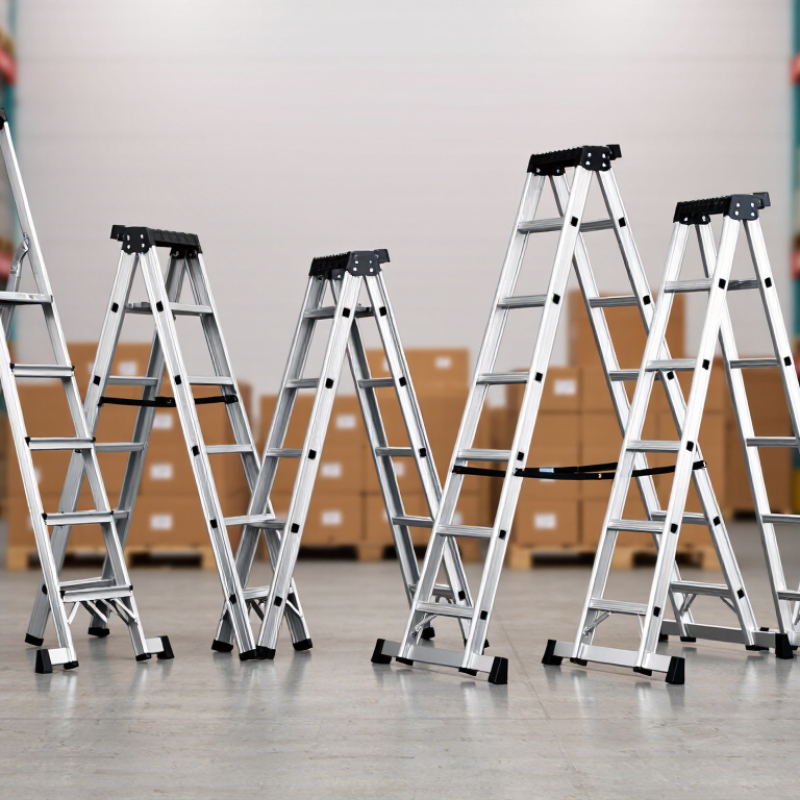
A multi-position ladder is a hinged access tool that changes shape for different tasks. Depending on its design, it can serve as a straight ladder, step ladder, wall ladder, or platform support. Locking hinges hold each section at selected angles. The user changes the configuration, then confirms every lock before climbing. Simple in theory. Careful in practice. Working height depends on the setup, not only the ladder’s total length. A compact model may reach high in straight mode but occupy little storage space when folded.
From a buyer’s view, safe operation starts with specifications. Check the rated load, closed height, open height, material, hinge design, and required floor clearance. The rating includes the user, clothing, tools, and materials. A wide stabilizing base can reduce movement, but it cannot correct an uneven floor. Place all feet on firm, level ground. Keep the body between the rails. Never treat a locked hinge as permission to overreach. That mistake is common.
During practical inspections, examine rivets, hinges, feet, rails, and labels for damage or wear. Dust can hide cracks. Moisture can affect storage conditions. Buyers should confirm applicable safety standards in the destination market, because requirements vary across regions. I once gave too much attention to maximum reach and too little to transport weight. That was a useful correction. A ladder that is difficult to carry may be used carelessly. For international purchasing, packaging, instructions, replacement parts, and inspection records deserve equal attention. The safest configuration is one the user can open, lock, position, and climb without improvising.
A multi-position ladder should match the safety rules of its destination market. Common references include EN 131, ANSI A14, and AS/NZS 1892, but these standards are not interchangeable. Buyers should request current test reports, load ratings, and product traceability before placing large orders. A label alone proves very little.
Inspect the locking hinges closely. They should engage fully and remain stable under the stated working load. Check that every position has a clear visual indicator. Wide, slip-resistant feet matter on smooth warehouse floors. Platform sections should resist twisting when a worker shifts weight. The ladder should also include readable instructions, warning labels, and storage guidance in suitable languages.
Look for details that are easy to miss. A two-millimetre gap near a hinge can collect dirt and affect movement. Loose rivets, cracked feet, or faded markings deserve immediate attention. Suppliers should explain factory inspection methods and corrective actions, not only provide attractive certificates. In practice, packaging damage can weaken otherwise compliant products. This is often overlooked.
Testing should reflect real use, including repeated opening, closing, loading, and uneven setup conditions. Buyers may also arrange independent pre-shipment inspections. That extra cost can reveal weak locks or inaccurate dimensions. Standards help, but careful evaluation remains necessary. A perfect document cannot replace a safe design.
Top 10 Multi-Position Ladder Types Compared
Global buyers are comparing flexibility, reach, storage size, and certified load capacity. The ten leading types include folding, telescoping, articulated, platform, extension, stairwell, wall, trestle, workbench, and combination ladders. Each serves a different job. Folding ladders suit indoor maintenance. Telescoping models fit narrow vehicles. Articulated designs adapt to uneven layouts. Platform versions offer better standing comfort. Extension types provide greater vertical reach. Stairwell and wall ladders solve awkward access problems. Trestle and workbench modes support hands-on tasks. Combination ladders offer the widest configuration range.
According to Fortune Business Insights, the global ladder market was valued at approximately 5.56 billion dollars in 2023. Its forecast indicates continued growth through 2032. This demand reflects construction, warehousing, facilities management, and household repair. However, buyers should not treat versatility as automatic safety. The CDC and NIOSH reported that ladder falls represented 43% of fatal falls among construction workers in their 2011–2015 analysis. That figure makes setup discipline essential.
Look closely at hinge locks, anti-slip feet, platform depth, rung spacing, and user instructions. EN 131 and OSHA requirements provide useful reference points for dimensional and safety checks. A high reach rating may still perform poorly on stairs or soft ground. That assumption deserves correction. For export purchasing, verify load labels, test documentation, corrosion resistance, replacement-part access, and language-specific manuals. Certification claims should be checked against current records, not only printed packaging. Even experienced users sometimes select reach before stability. That is an expensive mistake.
The chart compares common multi-position ladder types by their typical maximum working height in metres. Values represent commonly published market ranges and may vary according to ladder size, design, load rating, and regional safety standards.
Choosing among the top 10 multi-position ladders requires more than comparing height and price. Material affects weight, stiffness, and electrical safety. Aluminum is light and corrosion-resistant, but it conducts electricity. Fiberglass weighs more, yet it offers non-conductive protection near electrical equipment. ANSI A14.2 and EN 131 testing address stability, strength, and dimensional requirements. Buyers should request current conformity documents, not rely on sales claims.
Load capacity needs careful calculation. Add the user’s body weight, clothing, tools, and materials. A 150-pound worker carrying 30 pounds already creates a 180-pound working load. CPSC injury surveillance has linked hundreds of thousands of ladder-related emergency visits with falls each year. That figure makes small design details important. Look for wide feet, secure locking hinges, slip-resistant steps, and clear platform instructions. The highest rating is not always the safest choice. Real conditions can be messier.
Tips: Inspect hinge locks before every use. Test the ladder on a level surface. Check rivets, welds, feet, and labels. Avoid models with vague load data. A useful habit is photographing the rating label during receiving inspection. I still find this step overlooked. Buyers should also confirm folded dimensions, replacement-part access, and packaging damage. A ladder can meet a standard and still be unsuitable for frequent transport, uneven floors, or cold outdoor storage.
Global buyers should assess multi-position ladders as safety equipment, not simple hardware.
A low factory quote can hide testing gaps, packaging damage, or weak service. During supplier audits, request material specifications, load-test records, weld inspection reports, and serial traceability.
Ask which standard applies in the destination market, such as EN 131 or ANSI requirements. Certification is not transferable by assumption.
Check the certificate holder, model range, test date, and laboratory accreditation. An experienced inspector should compare documents with the actual ladder, including hinges, locks, feet, and warning labels.
International sourcing also depends on clear product configuration. Confirm platform height, folded dimensions, net weight, carton strength, and container loading quantity.
A sample should be opened after a realistic transport simulation. Look for bent rails, loose rivets, scratched coatings, and missing instructions. Photos alone are insufficient.
We have seen compliant samples arrive with damaged locking parts because internal protection was too thin. That failure may belong to packaging, not manufacturing, yet the buyer still faces the complaint.
After-sales terms need measurable details. Set a response time, replacement-part list, warranty scope, and process for reporting defects.
Hinges, pins, feet, and labels should have traceable part numbers. Require manuals in the destination language and practical inspection guidance.
Keep a small spare-parts stock near major markets when volumes justify it. Do not accept “lifetime support” without written limits.
Some sourcing plans overfocus on certification and underfund service. That is a mistake worth revisiting.
A reliable supplier shares corrective-action reports and accepts independent follow-up inspections, even when findings are uncomfortable.

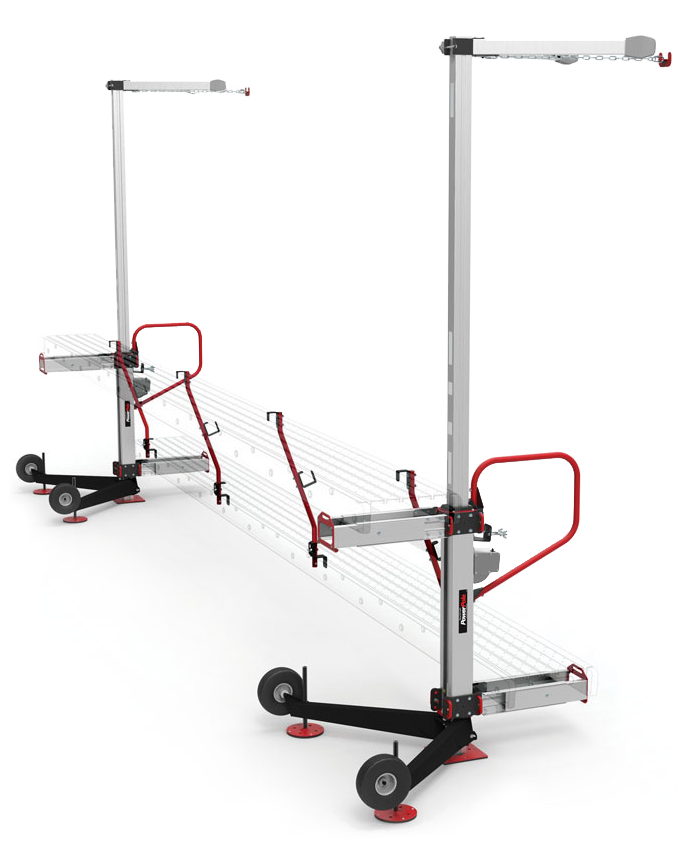
With the ReechCraft PowerPole, traditional scaffolding and pump jack systems are a thing of the past. Our streamlined design gains you access between buildings, on rooftops, around landscaping, and more. The PowerPole is perfect for contract work on residential areas.

Don't miss our WernerCo Sfety and Demo Day BBQ
June 23rd, 2022 from 10am - 2pm
Chance to win giveaways
Cookout from 10am - 2pm
Werner fall protection and Weatherguard Specialists on site to answer any questions and perform safety and product demonstrations.