NATION WIDE LADDER & EQUIPMENT
NH: 603-434-6911MA: 508-754-3030ME: Regular weekly deliveries from NH
- Home
- Blog
Let Nationwide Ladder & Equipment Help You Find What You Need.
7 Best Ladder Lifts for Safe and Efficient Material Handling
Moving roofing materials, air conditioners, or boxed equipment up a ladder can strain workers and create avoidable risks. A ladder lift offers a more controlled way to raise loads, especially where stairs, elevators, or larger lifting equipment are impractical. But the right choice depends on more than lifting height.
This guide compares seven ladder lifts for safe, efficient material handling. It considers rated capacity, platform or carrier design, setup requirements, portability, and the controls used to raise and lower loads. A compact unit may suit a narrow residential site, while frequent commercial use may call for greater capacity and a sturdier frame. Check the manufacturer’s instructions, load limits, ladder compatibility, and required anchoring before choosing or operating any model. Details matter.
We also look at practical trade-offs: how quickly a lift can be assembled, whether materials stay stable during travel, and how easily the equipment fits the work area. Product specifications can vary by configuration, so verify current details with the manufacturer rather than relying on a headline rating alone. No single model fits every job. That sounds obvious, yet it is easy to overlook when a project is behind schedule. Use these comparisons as a starting point, then match the lift to the load, operator training, site conditions, and the work actually being done. A careful choice can make material handling smoother; it cannot replace sound setup and safe operating practices.
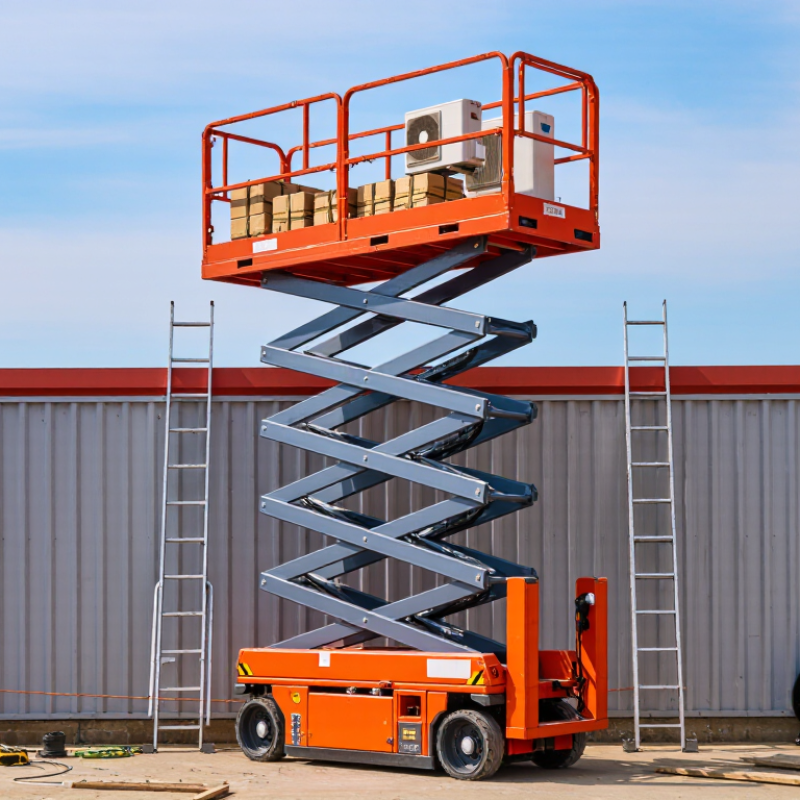
Table of Contents
[Hide]
Understanding Ladder Lifts and Their Material-Handling Uses
A ladder lift moves materials along a guided track from ground level to a roof, mezzanine, or upper work area. A small carriage or platform carries items such as shingles, tool cases, insulation bundles, and renovation supplies. Unlike carrying loads up a ladder by hand, the lift can reduce repeated climbing and keep workers’ hands free. It is not a people lift. The exact capacity and permitted load shape depend on the equipment, so check the rating before loading.
At a job site, operators typically position the base on firm, level ground and secure the track according to the equipment instructions. Keep loads balanced and contained; a long bundle that shifts near the roof edge can create a serious hazard. Small details matter. Inspect cables, rails, brakes, and attachment points before use, and pause in strong or gusty winds. A lift may speed up material handling, but it does not make setup effortless. It is easy to assume a heavier lift is always better; in practice, access, track length, load size, and the landing area all affect safe, efficient use.
Key Features That Determine Safety and Efficiency
A ladder lift is only as dependable as its setup, load control, and operator checks. Before work, inspect the rails, fasteners, cable or chain, platform, and emergency stop. Look for frayed lines, bent sections, loose guards, or debris that could snag the carriage. Keep the lift on firm, level ground, and position stabilizers as the manufacturer specifies. Small details matter. A soft patch beneath one foot can shift under load. Check that the ladder or support structure is secure, and pause if wind or uneven footing makes the platform unstable.
Match each load to the rated capacity, including packaging and accessories; never judge weight by appearance alone. Secure long materials so they cannot rotate, slide, or strike nearby workers as the carriage rises. Keep people clear of the travel path, communicate with a spotter, and stop if visibility or footing changes. Use controls smoothly; abrupt starts can sway a bundle, even when the lift feels stable. Training and maintenance records support consistent operation, but they do not replace a pre-use inspection. No checklist catches everything. On busy jobs, checks can get rushed; changing site conditions are a good reason to pause and reassess.
7 Best Ladder Lifts for Safe and Efficient Material Handling - Key Features That Determine Safety and Efficiency
A practical comparison of common ladder-lift configurations for moving materials to elevated work areas. Suitability depends on the specific job, site conditions, and the lift’s rated capacity.
| Lift Configuration | Typical Rated Load | Typical Reach or Travel | Best Suited For | Safety Features to Look For | Efficiency Advantages | Key Site Checks |
|---|---|---|---|---|---|---|
| Manual crank ladder hoist | Often about 150–250 lb; confirm the unit’s nameplate rating. | Commonly suited to low- and mid-rise residential roof access; reach varies by ladder length and setup. | Occasional lifting of roofing materials, tools, or small equipment where powered access is unnecessary. | Load brake or anti-reverse mechanism, secure track connection, stable base, and a clear load path. | No electrical supply required; relatively simple to transport and set up for intermittent work. | Check ladder angle, footing, track anchorage, rope or cable condition, and whether the load can be controlled throughout travel. |
| Electric inclined ladder hoist | Commonly around 150–300 lb, depending on model and configuration. | Often used for roof edges and upper floors; maximum height depends on track sections and the approved setup. | Repeated delivery of shingles, boards, and packaged materials to residential roofs. | Overload protection, limit switches, emergency stop, guarded moving parts, and a reliable load-retention method. | Powered travel can reduce manual effort and speed up repeated lifts compared with hand-cranking. | Verify power supply and cable routing, track locks, weather limits, operator visibility, and the manufacturer’s setup instructions. |
| Sectional-track ladder lift | Typically within the light-material range; capacity is determined by the complete assembled system. | Reach is adjusted by adding compatible track sections within the permitted configuration. | Jobs with changing roof heights or locations where equipment must be carried in separate sections. | Positive section-locking pins, secure joints, end stops, and inspection of every connection before operation. | Track sections can be transported and stored more easily than a single long assembly. | Use only compatible sections; confirm the assembled track’s support, angle, total length, and load rating. |
| Roof-edge loading ladder lift | Varies by system; keep each load within the rated limit and account for the carrier’s weight. | Designed to transfer loads along an inclined track to a roof or elevated landing. | Moving bulky materials where a controlled landing point near the roof edge improves workflow. | Secure landing or discharge area, stable track support, end stop, and a carrier that prevents materials from shifting. | Places materials closer to the work area and can reduce repeated carrying up access ladders. | Assess roof-edge protection, landing clearance, material dimensions, wind exposure, and the path for workers below. |
| Telescoping-track ladder lift | Capacity varies with extension; use the rating specified for the selected track length. | Track length can be adjusted for different elevations within the system’s approved limits. | Sites where a fixed-length track would be inconvenient and frequent height changes are expected. | Positive extension locks, visible engagement indicators, travel limits, and inspection of sliding track sections. | Adjustable reach can reduce the need to carry multiple fixed-length track assemblies. | Confirm extension limits, overlap requirements, support points, and the rated capacity at the chosen extension. |
| Compact portable ladder lift | Usually intended for lighter loads; check the specific rated capacity before use. | Generally suited to modest elevations and shorter access runs. | Small renovation projects, tool delivery, and locations with limited setup or storage space. | Stable base, secure ladder-to-frame attachment, controlled descent, and a carrier sized for the intended load. | Compact components can make transport and setup easier for small crews and short-duration tasks. | Check floor strength, ground slope, clearance, base stability, and whether the load is compatible with the carrier. |
| Heavy-duty inclined material ladder lift | Some systems are rated above 300 lb, but ratings are model-specific and may change with configuration. | Used for longer or more demanding material runs when the complete system is approved for that duty. | Higher-volume work involving heavier building materials, subject to the lift’s load and operating limits. | Rated load clearly marked, effective brake, overload protection where fitted, secure carrier, and robust track connections. | Can move larger loads per trip when the material, carrier, and site setup remain within the rated limits. | Verify power and anchorage needs, track supports, load balance, operator training, and any restrictions on continuous duty. |
Selection and safety note: Capacity and reach figures are indicative ranges for common equipment categories, not guarantees for any specific lift. Always follow the lift’s rated-load plate and operating manual, inspect the equipment before use, secure the work area, and use appropriate fall protection and training. Never exceed the rating or operate a lift in conditions prohibited by its manufacturer.
Seven Ladder Lifts for Different Worksite Needs
Choose a ladder-lift setup by load shape, lifting height, and available landing space—not speed alone. The U.S. Bureau of Labor Statistics recorded 865 fatal work injuries from falls, slips, and trips in 2022. That broad category is not ladder-specific, and lift equipment alone cannot guarantee safer work.
Seven setups serve different needs. A rope-and-pulley hoist suits light boxes on occasional jobs. A hand-crank ladder hoist handles intermittent loads without power. Powered ladder hoists suit repeated lifts where power and secure anchoring are available. Roof-track lifts move long materials, such as boards, along a fixed incline. Compact freestanding material lifts work well on level indoor floors. Platform-style lifts support bulky cartons that are awkward to balance. Telescoping ladder-mounted carriers can help where access is narrow. Small loads only. Check the rated capacity, ladder condition, tie-offs, and clear landing area before use. Match the equipment to the actual load, including its shape and grip points. No setup is perfect; a powered unit may save effort but need more space and setup time.
7 Best Ladder Lifts for Safe and Efficient Material Handling
Safe Setup Guide: Approximate Base Setback for Common Ladder Lengths
The bars show the approximate horizontal distance between the ladder’s base and its support point when using the 4:1 setup rule: move the base 1 foot out for every 4 feet of ladder length. This is a setup reference, not a lifting-capacity rating. Follow the ladder manufacturer’s instructions and applicable worksite safety requirements.
Comparing Capacity, Reach, Power, and Setup
Choosing among ladder lifts starts with the load, not the advertised maximum. Add the material, packaging, and any tools riding on the platform. Keep a practical safety margin; a lift working near its limit leaves little room for mistakes. A bundle of roofing shingles may fit, but its weight can strain a small-capacity unit.
Reach matters just as much. Measure from the lift’s base to the actual landing point, including roof edges and upper-floor openings. A few inches can change where materials arrive. Small details matter.
Compare powered models with manual options by considering outlet access, battery runtime, and how often the lift will move. On a site without convenient power, a rechargeable unit may save time, but charging becomes another task to manage.
Setup also varies: check the footprint, ground firmness, anchoring method, and space needed to load materials safely. That gets overlooked. A compact lift can be easier to position, yet its shorter reach may require more repositioning.
Check the operator instructions and site conditions before choosing; specifications alone do not tell the whole story.
Choosing and Using a Ladder Lift Safely
A ladder lift can move roofing bundles, duct sections, or boxed supplies without asking workers to carry them rung by rung. Choose a model rated for the full load, including slings and tools. Check that its maximum reach suits the work area, and that the base fits on firm, level ground. A narrow setup beside a wall may leave too little room to stabilize or load safely. Small details matter.
Tips: Before each shift, inspect the cable, hooks, rails, winch, and brake for wear or damage. Confirm the load is balanced and secured, then keep people clear of the lifting path. Never exceed the stated capacity, and do not ride the lift unless its instructions specifically allow it. No guessing.
Set the lift according to its manual, secure the base as directed, and keep it away from overhead hazards. Raise materials smoothly; sudden starts can swing a load into the ladder or nearby structure. Workers sometimes focus on the bundle and overlook where their hands are. Keep fingers clear of pinch points, and communicate before raising or lowering. Stop if the surface shifts, the cable frays, or the load begins to sway. A pause can feel inconvenient, but continuing with an unstable setup is the bigger risk.
Related Posts


What Can We Help You With?
CALL NOW TO ORDER
NH: 603-434-6911MA: 508-754-3030ME: Regular weekly deliveries from NH
CALL NOW TO ORDER
NH: 603-434-6911MA: 508-754-3030ME: Regular weekly deliveries from NH
















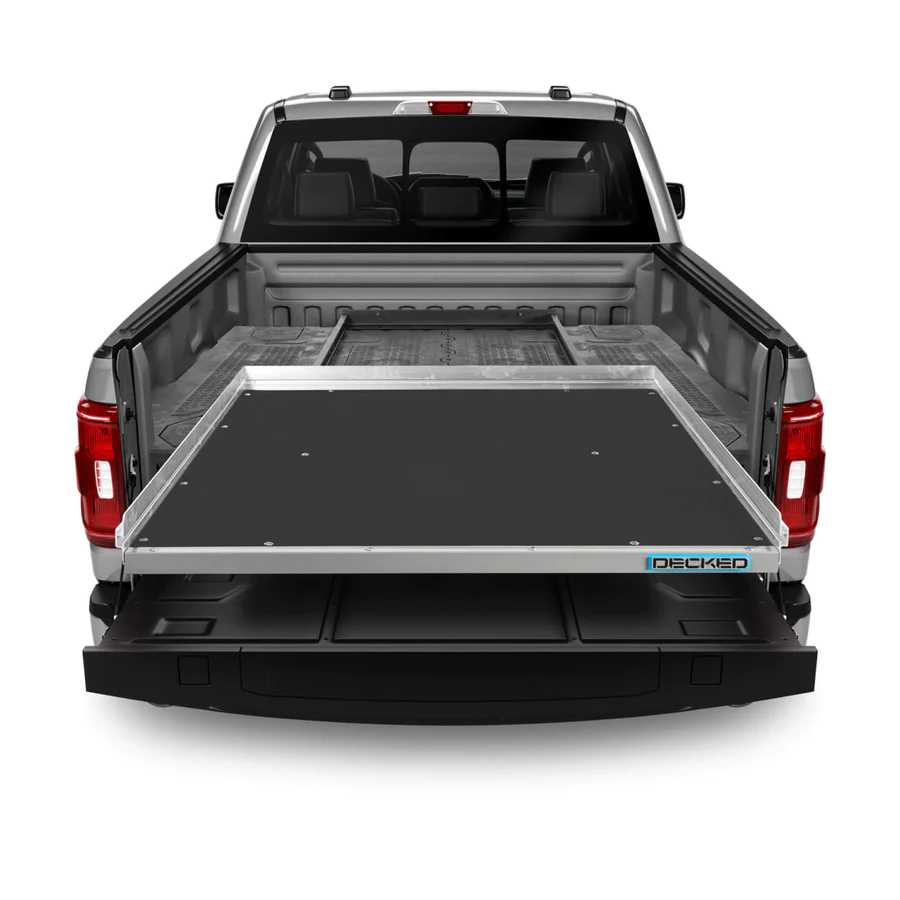
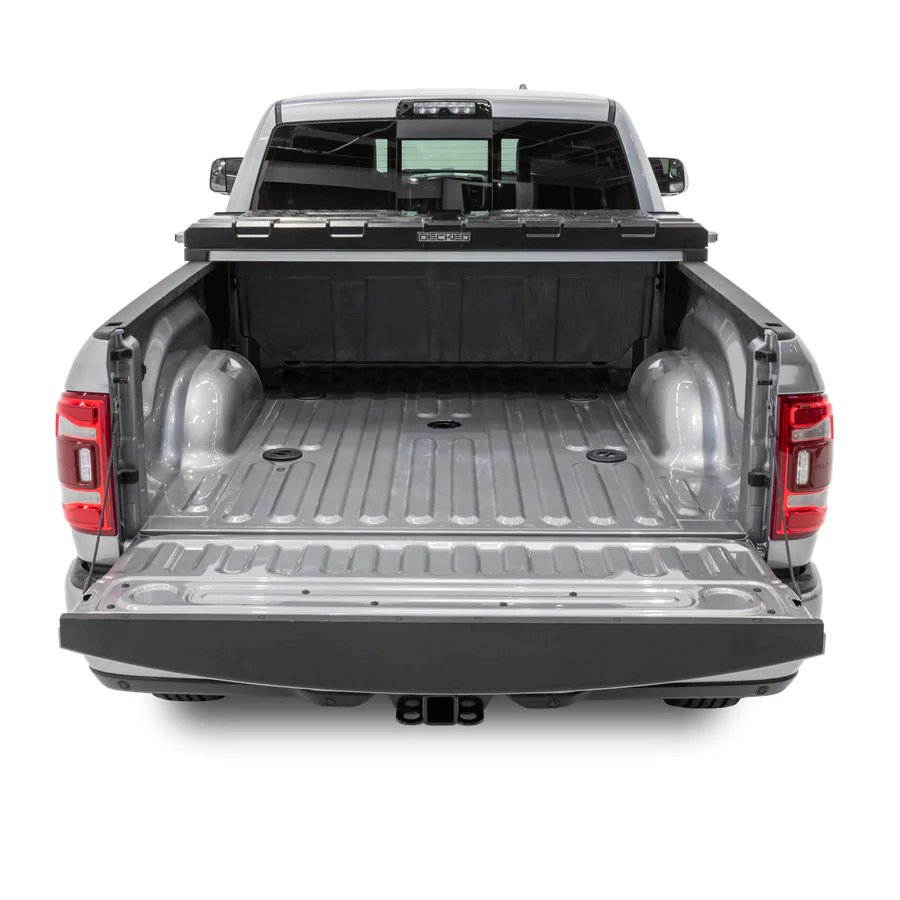



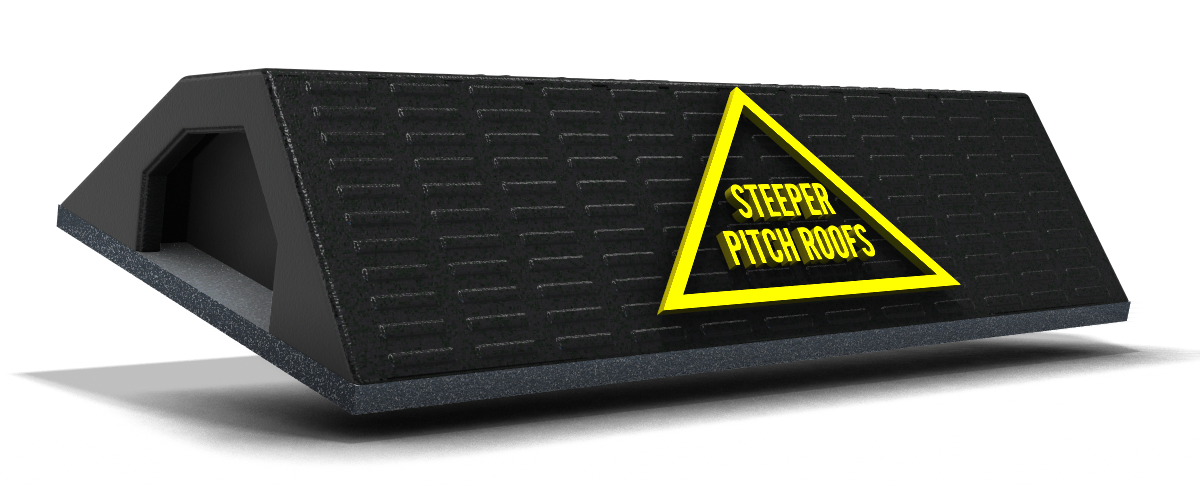
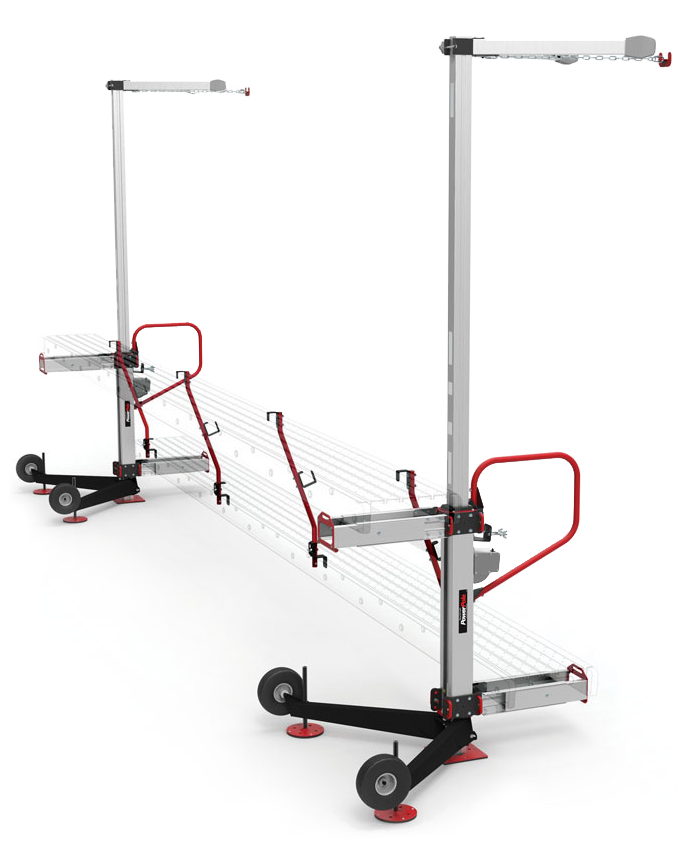
Featured Product

Streamlined. Safe. Flexible.
With the ReechCraft PowerPole, traditional scaffolding and pump jack systems are a thing of the past. Our streamlined design gains you access between buildings, on rooftops, around landscaping, and more. The PowerPole is perfect for contract work on residential areas.
See Products & Accessories
- ReechCraft Power Pole
- ReechCraft 4022465 – 10 in. x 10 in. Base Foot
- ReechCraft Platform Support
- ReechCraft 4022179 – Platform Support with PowerLatch Connector
- ReechCraft PowerLatch Assembly
- ReechCraft 4022084 – PowerPole 12 ft Pole Section
- ReechCraft 4022435 – PowerPole 6 ft Pole Section
- ReechCraft 4028334 – PowerPole Climbing Unit
- ReechCraft 4022096 – PowerPole Coupler
- ReechCraft 4022629 – PowerPole Extendable V-Brace
- ReechCraft 4022791 – PowerPole Outrigger
- ReechCraft 4022432 – PowerPole Standoff Tie
- ReechCraft 4022178 – PowerPole Super Standoff Tie
- ReechCraft 4022629 – PowerPole V-Brace
- ReechCraft 4022756 – Single Man Basket
- ReechCraft 4022071 – SpeedRail Endrail (Two-Pack)
- ReechCraft 4022765 – SpeedRail Midrail Post (Two-Pack)

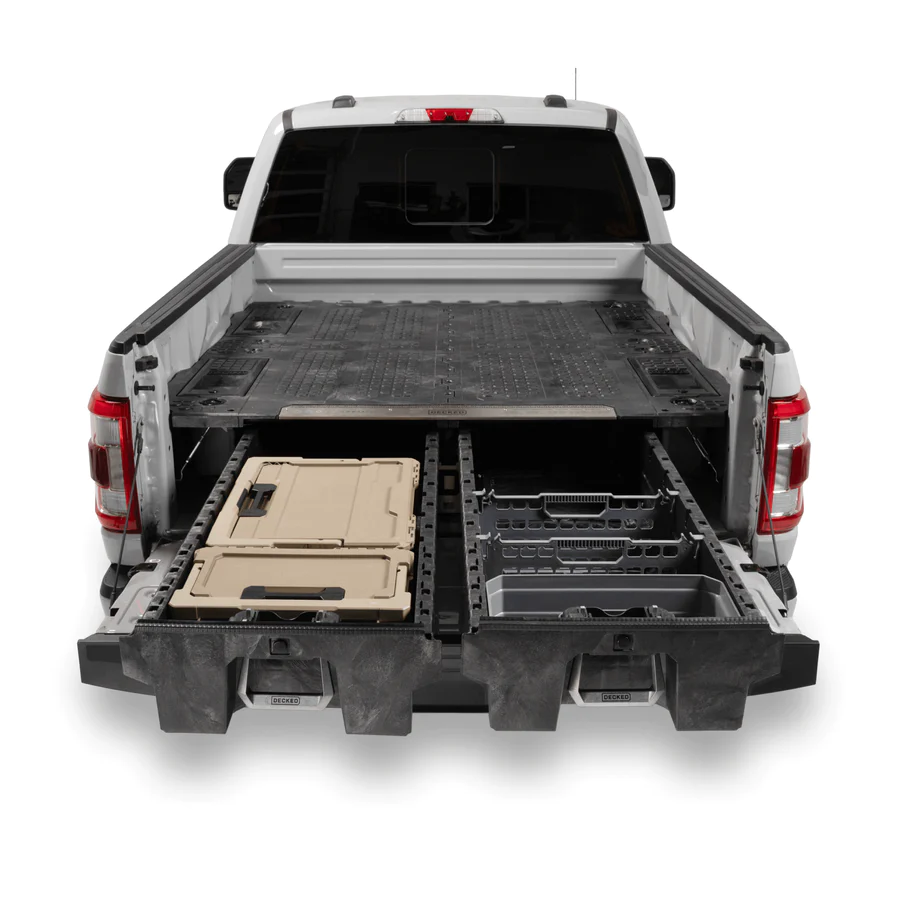
Headache Racks That Turn Heads


See Products & Accessories

June 2022 - Month Long Promotion
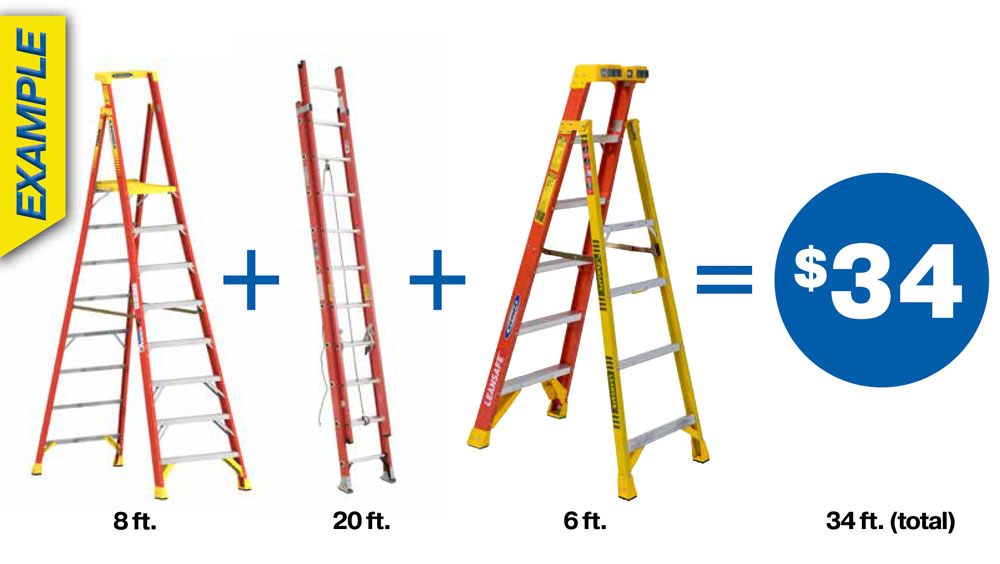
Buy any of the listed Werner ladders and get
$1 Off Per Foot
Demo and Safety Day
Don't miss our WernerCo Sfety and Demo Day BBQ
June 23rd, 2022 from 10am - 2pm
Chance to win giveaways
Cookout from 10am - 2pm
Werner fall protection and Weatherguard Specialists on site to answer any questions and perform safety and product demonstrations.
System One Modular Truck Equipment for New Hampshire, Massachusetts, Connecticut, Rhode Island, Vermont, and Maine Contractors
- Lewiston, ME
- Bar Harbor, ME
- Lexington, MA
- North Andover, MA
- East Hampton, CT
- Meredith, NH
- Concord, NH
- Bennington, VT
- Biddeford, ME
- West Fairlee, VT
- Hopkinton, RI
- Freeport, ME
- Danbury, CT
- Waterboro, ME
- Winslow, ME
- Buxton, ME
- Southington, CT
- Milford, NH
- Pownal, VT
- South Berwick, ME
- North Haven, CT
- Atkinson, NH
- Farmington, NH
- Whitingham, VT
- Pelham, NH
- Essex, VT
- Wallingford, VT
- Laconia, NH
- Narragansett, RI
- Fair Haven, VT
- Sandown, NH
- New London, NH
- Portsmouth, RI
- Haverhill, NH
- Needham, MA
- Bridgewater, MA
- Middletown, RI
- Montpelier, VT
- Barre, VT
- St. Johnsbury, VT
- Livermore Falls, ME
- Sandwich, MA
- Newport, RI
- Raymond, NH
- Tunbridge, VT
- Barnet, VT
- Brooksville, ME
- Gorham, ME
- Litchfield, ME
- Bristol, CT
- Rumford, ME
- Thompson, CT
- Dover, VT
- Westminster, VT
- Waitsfield, VT
- Torrington, CT
- Scituate, RI
- Barnstead, NH
- Lovell, ME
- Barton, VT
- Unity, ME
- Skowhegan, ME
- Groton, CT
- Northfield, VT
- Hopkinton, NH
- Limerick, ME
- Candia, NH
- Berwick, ME
- Killington, VT
- Peacham, VT
- North Hampton, NH
- Randolph, MA
- Bloomfield, CT
- Watertown, MA
- Wilmington, MA
- Methuen, MA
- Nashua, NH
- Plymouth, NH
- Newmarket, NH
- Alfred, ME
- Caribou, ME
- Weymouth, MA
- North Yarmouth, ME
- Bethel, CT
- Rocky Hill, CT
- Bristol, RI
- Sabattus, ME
- Salem, MA
- Londonderry, NH
- Chester, NH
- Westford, VT
- Stamford, CT
- Vershire, VT
- East Hartford, CT
- Norwich, CT
- Stratham, NH
- Windham, NH
- Vernon, CT
Knaack Jobsite Boxes, Chests, Cabinets, Workbenches, Field Offices, and Accessories
- Raymond, ME
- Fairfax, VT
- Presque Isle, ME
- Highgate, VT
- Norridgewock, ME
- Old Saybrook, CT
- Marblehead, MA
- Nashua, NH
- Mashpee, MA
- Auburn, NH
- Bowdoin, ME
- Milford, CT
- Bolton, CT
- Mendon, VT
- Dartmouth, MA
- Portland, CT
- North Haven, CT
- New Gloucester, ME
- Bourne, MA
- New Canaan, CT
- Belmont, NH
- Rutland, VT
- Fitchburg, MA
- Waterbury, CT
- Burlington, VT
- Fair Haven, VT
- Bethel, VT
- Greene, ME
- Chicopee, MA
- New London, CT
- Gloucester, MA
- Mechanic Falls, ME
- Wilmington, MA
- Fairfield, CT
- Methuen, MA
- Newport, ME
- Bakersfield, VT
- Monroe, CT
- Meriden, CT
- Prospect, CT
- Thomaston, ME
- Watertown, MA
- Winchester, ME
- Hampstead, NH
- Gilford, NH
- Pownal, VT
- Essex Junction, VT
- Lincoln, ME
- East Lyme, CT
- Tolland, CT
- Naugatuck, CT
- Dennis, MA
- Waldoboro, ME
- Derry, NH
- Bridgewater, MA
- Windham, NH
- Longmeadow, MA
- West Rutland, VT
- Warren, ME
- Coventry, RI
- Whitingham, VT
- Bow, NH
- Norway, ME
- Smithfield, RI
- Sharon, VT
- Amherst, MA
- Wells, ME
- Sabattus, ME
- Stoughton, MA
- Thetford, VT
- Tewksbury, MA
- Norwich, CT
- Rochester, VT
- Gray, ME
- Madison, ME
- Leominster, MA
- Newington, CT
- Sutton, VT
- Shelton, CT
- East Hampton, CT
- Darien, CT
- Haverhill, NH
- Houlton, ME
- Foster, RI
- Medford, MA
- Littleton, NH
- Seymour, CT
- Harrisville, RI
- Killingworth, CT
- Bellows Falls, VT
- Lunenburg, VT
- Saco, ME
- Peterborough, NH
- Frankfort, ME
- Albany, VT
- Plainville, CT
- North Kingstown, RI
Thule TracRac from the Thule TracRac Resellers New England Trusts
- South Windsor, CT
- Melrose, MA
- Manchester, CT
- Limerick, ME
- Glocester, RI
- South Portland, ME
- Brookline, NH
- Killingworth, CT
- Thompson, CT
- Groton, CT
- Montgomery, VT
- Mendon, VT
- Derby, VT
- Newington, CT
- Somersworth, NH
- West Haven, CT
- Merrimack, NH
- Bellows Falls, VT
- South Berwick, ME
- Gorham, ME
- Marblehead, MA
- Hudson, MA
- Alton, NH
- Jericho, VT
- Simsbury, CT
- Skowhegan, ME
- Plaistow, NH
- North Andover, MA
- Camden, ME
- Brookfield, CT
- Vergennes, VT
- Pittsfield, ME
- Hartford, VT
- Sanford, ME
- Swanzey, NH
- Kingston, NH
- Alfred, ME
- Needham, MA
- West Springfield, MA
- Underhill, VT
- Middletown, CT
- Amherst, NH
- Sidney, ME
- Natick, MA
- South Kingstown, RI
- Vershire, VT
- Richmond, ME
- Quincy, MA
- Bolton, CT
- Hallowell, ME
- West Hartford, CT
- Wardsboro, VT
- Avon, CT
- Bridgeport, CT
- Sudbury, MA
- Waltham, MA
- Marion, MA
- Waterbury, CT
- Southbury, CT
- Vernon, CT
- Warwick, RI
- Pembroke, NH
- Leominster, MA
- Torrington, CT
- Weare, NH
- Barrington, NH
- New Bedford, MA
- Charlestown, RI
- Jefferson, ME
- Pittsfield, MA
- Newport, NH
- Madison, ME
- Providence, RI
- Brookline, MA
- South Hadley, MA
- Barnstead, NH
- Peabody, MA
- Madison, CT
- Raymond, ME
- Barre, VT
- Augusta, ME
- Belmont, MA
- Ellington, CT
- Cambridge, MA
- Claremont, NH
- Falmouth, MA
- North Yarmouth, ME
- Norridgewock, ME
- Ipswich, MA
- East Providence, RI
- Johnston, RI
- Bedford, NH
- Scituate, RI
- Huntington, VT
- Seabrook, NH
- Danville, VT
- Clinton, CT
- Eliot, ME
Purchase Alum-A-Pole Products from Nation Wide Ladder – Ladder Distributors in MA, NH, CT, ME, VT, and RI
- Providence
- Cranston
- Warwick
- Pawtucket
- East Providence
- Woonsocket
- Newport
- Central Falls
- Manville
- Harrisville
- Burlington
- Barre
- South Burlington
- Rutland
- Essex Junction
- St Albans
- Montpelier
- Winooski
- Bellows Falls
- Newport
Purchase 28 Ft Extension Ladders from Nation Wide Ladder – Ladder Distributors in MA, NH, CT, ME, VT, and RI
- Providence
- Cranston
- Warwick
- Pawtucket
- East Providence
- Woonsocket
- Newport
- Central Falls
- Manville
- Harrisville
- Burlington
- Barre
- South Burlington
- Rutland
- Essex Junction
- St Albans
- Montpelier
- Winooski
- Bellows Falls
- Newport
Purchase 40 Ft Extension Ladders from Nation Wide Ladder – Ladder Distributors in MA, NH, CT, ME, VT, and RI
- Providence
- Cranston
- Warwick
- Pawtucket
- East Providence
- Woonsocket
- Newport
- Central Falls
- Manville
- Harrisville
- Burlington
- Barre
- South Burlington
- Rutland
- Essex Junction
- St Albans
- Montpelier
- Winooski
- Bellows Falls
- Newport
Purchase 28 Ft Fiberglass Extension Ladders from Nation Wide Ladder – Ladder Distributors in MA, NH, CT, ME, VT, and RI
- Providence
- Cranston
- Warwick
- Pawtucket
- East Providence
- Woonsocket
- Newport
- Central Falls
- Manville
- Harrisville
- Burlington
- Barre
- South Burlington
- Rutland
- Essex Junction
- St Albans
- Montpelier
- Winooski
- Bellows Falls
- Newport